UNSW Sydney Develops Nanoscale Device to Convert Infrared Light to Visible Light, Boosting Solar Efficiency
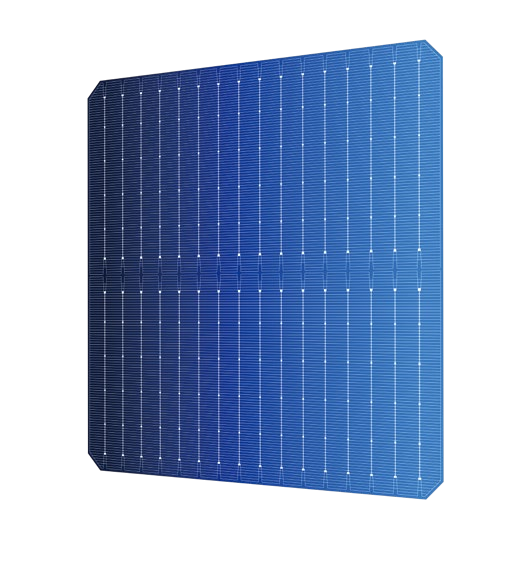
en.Wedoany.com Reported - Researchers at UNSW Sydney have developed a nanoscale device capable of upconverting low-energy infrared and red light into visible light. This breakthrough is expected to advance the development of solar cells, sensing technologies, and advanced manufacturing systems.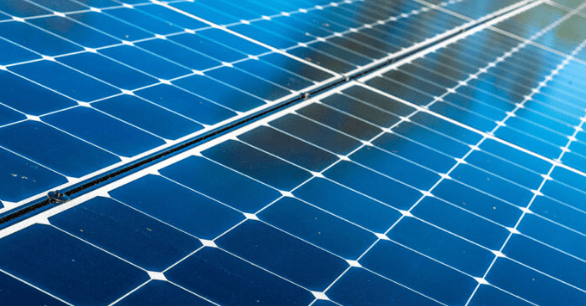
The study, published in Nature Photonics, addresses a long-standing challenge in photonics: how to prevent energy from being lost before it can be utilized. The device designed by the research team achieved a photon conversion efficiency of 8.2%, one of the highest levels reported to date for this type of architecture.
Dr. Eeswara, who led the study, said: "This work represents a significant step forward. Achieving high efficiency in these ultra-thin molecular systems is very difficult, as it requires ensuring good light absorption while minimizing energy loss."
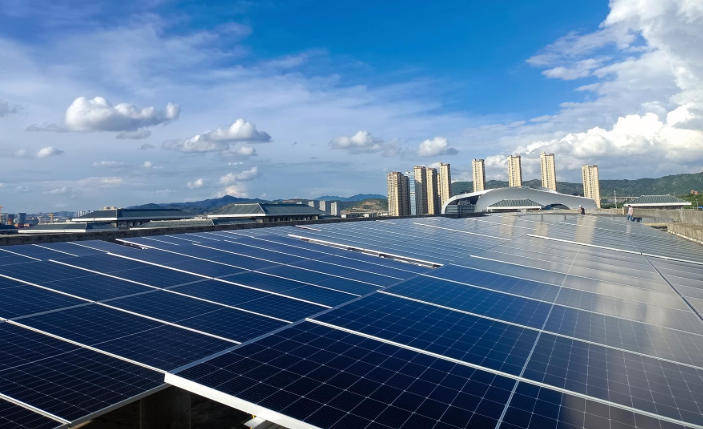
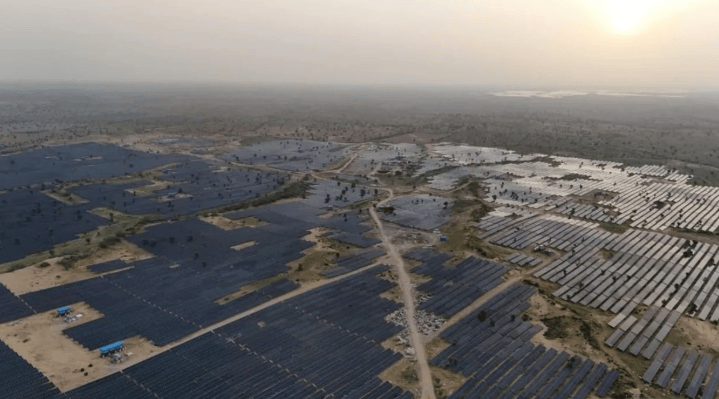
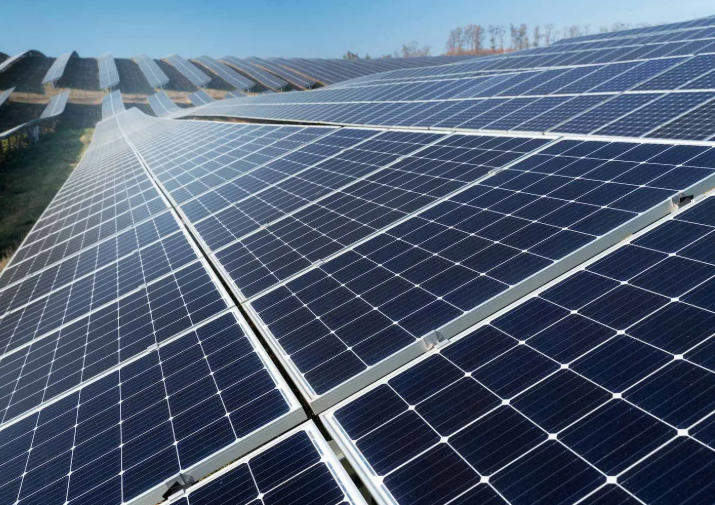
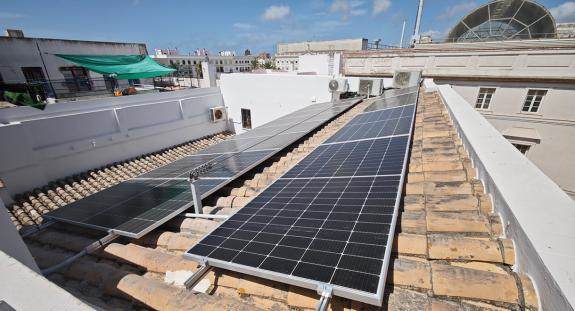
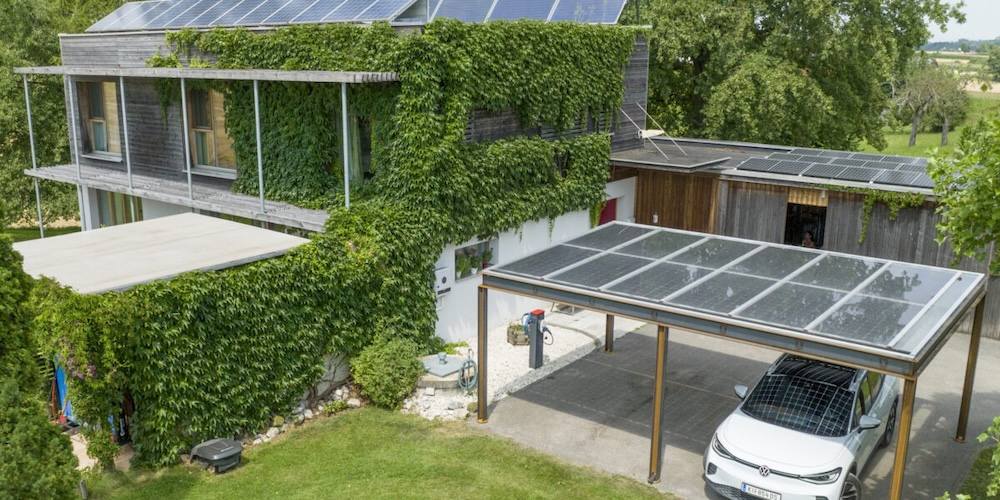
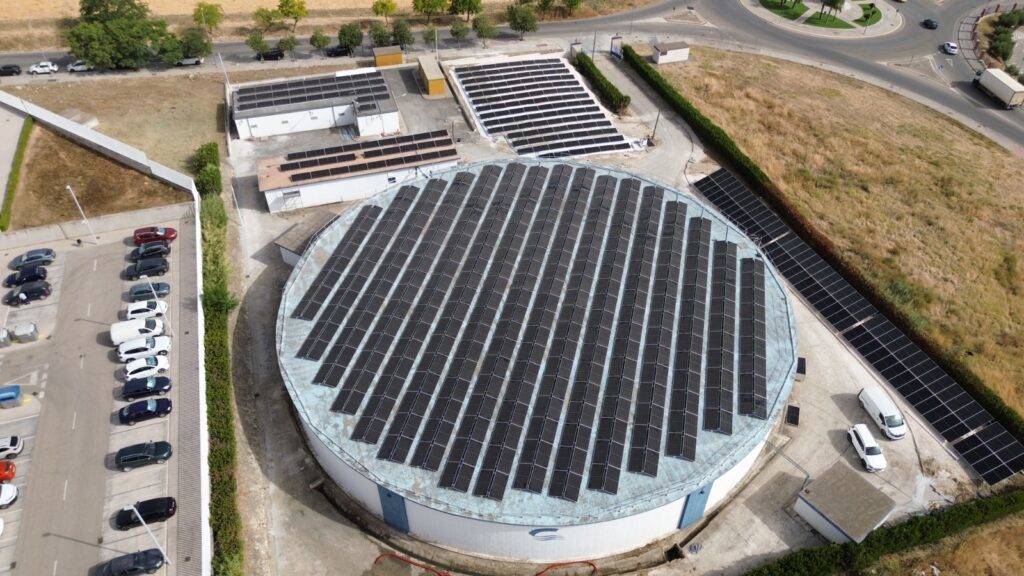
In solar energy systems, a large amount of low-energy light passes directly through traditional silicon cells without being utilized. If a portion of this could be converted into visible wavelengths, it could improve overall power generation performance. Furthermore, this technology can also be applied in areas such as infrared sensing, photocatalysis, optical communications, and next-generation additive manufacturing fields like volumetric 3D printing.
Notably, the device employs a solid-state structure compatible with semiconductor manufacturing processes, offering greater commercialization potential compared to previous liquid-based approaches. Dr. Eeswara stated: "We are eager to bring this technology to the market."
This article is compiled by Wedoany. All AI citations must indicate the source as "Wedoany". If there is any infringement or other issues, please notify us promptly, and we will modify or delete it accordingly. Email: news@wedoany.com
Related Products

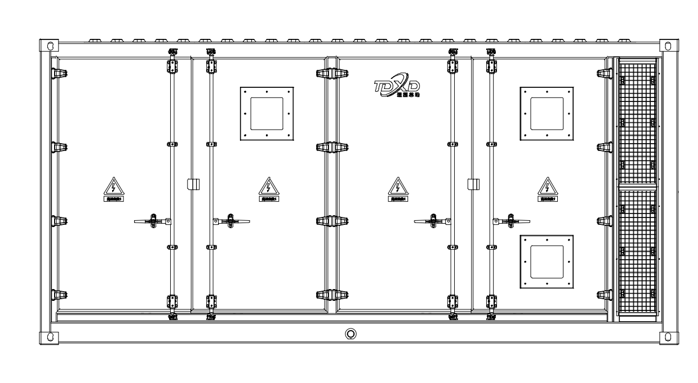
5012kWh DC Energy Storage System TD-EES-5012kWh
Suzhou Tongding Xindong Energy Storage Technology Co., Ltd.
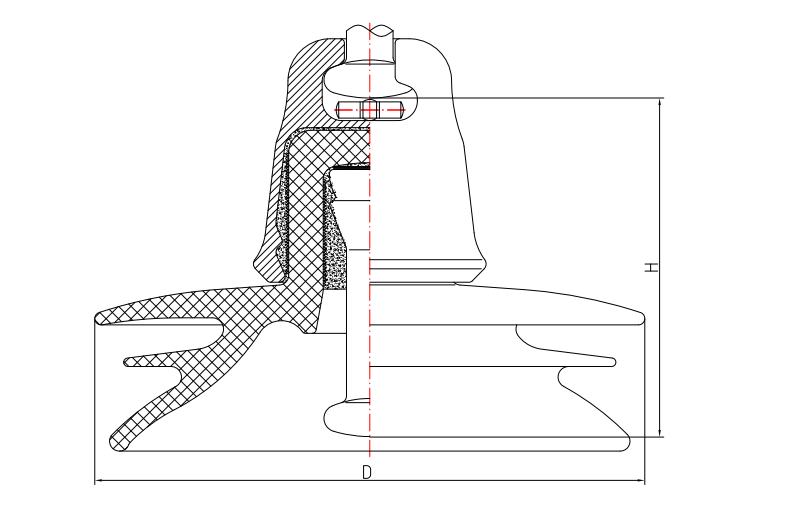
Post-type AC Pollution-resistant Disc Suspension Porcelain Insulator (Triple Umbrella Type)
Shandong High Voltage Insulator Co., Ltd.
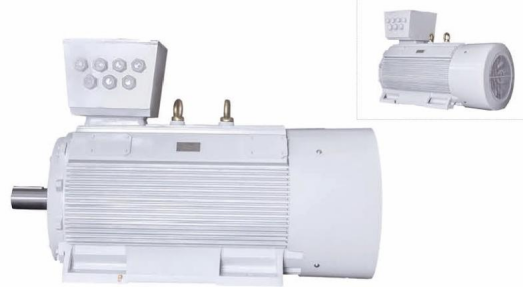
YE3 Series Low Voltage High Power Three-Phase Asynchronous Motor
Shandong Lijiu Electrical Machinery Co., Ltd.
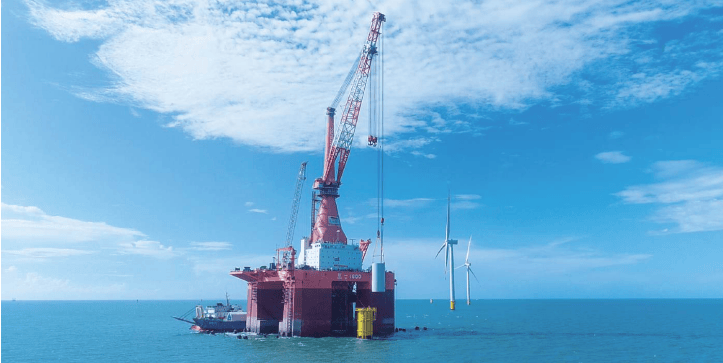
"Shunyi 1600" Deep-submerging Bottom-sitting Multi-functional Wind Power Engineering Vessel
Zhengli Offshore Engineering Co., Ltd.