en.Wedoany.com Reported - In the mining sector, not all metals extracted from the earth hold equal value. Some are scarce and difficult to mine, while others are crucial to modern society. Metals shape economies, drive technological progress, and influence geopolitical landscapes. So, what are the world's most expensive metals? And where do they come from?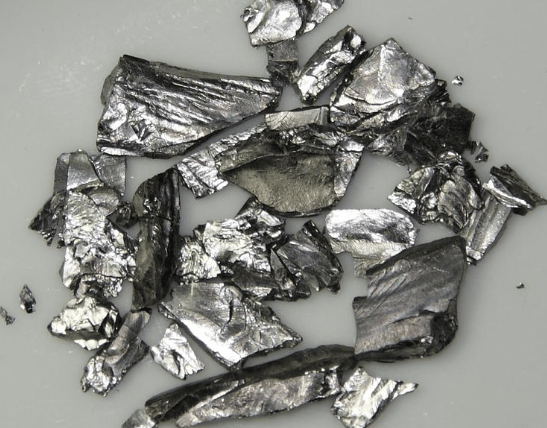
According to BullionByPost, californium is the most expensive metal in the world, priced at a staggering $839.7 million per ounce (approximately AU$1.17 billion). This synthetic, highly radioactive actinide is a strong neutron emitter, used for starting nuclear reactors, scanning fuel rods, analyzing industrial materials, and supporting specialized cancer radiotherapy. Californium does not exist naturally; it is produced by bombarding curium with neutrons for years in dedicated nuclear reactors, with Russia and the United States producing only 30 to 40 micrograms annually. It was first synthesized in 1950 at the University of California, Berkeley, aiming to advance scientific understanding of transuranium elements and provide a portable neutron source.
Ranked second is rhodium, priced at approximately $10,050 per ounce according to Trading Economics data. In 2021, rhodium prices once surged to around $29,500 per ounce. As of May 1, 2026, the price of rhodium had fallen 0.50% over the past month but was still 86.98% higher than a year ago. Rhodium is a rare, corrosion-resistant platinum group metal, with about 90% of demand coming from automotive catalytic converters to reduce nitrogen oxide emissions. Manhattan Gold & Silver notes that rhodium is the rarest of the six platinum group metals. Extracting rhodium is complex and expensive because its ores are often found alongside other precious metals. 80% of the world's rhodium is produced in South Africa, with additional output from Russia, Canada, and Zimbabwe. DSF Antique Jewellery data shows that since its discovery in the early 19th century, less than 1,000 tonnes of rhodium have been mined globally, with typical annual production of only 20 to 30 tonnes.
Another platinum group metal, iridium, ranks third, priced at around $7,500 per ounce in 2026. It is the rarest element in nature, primarily used in spark plug manufacturing and electronics such as hard disk drives and non-volatile memory devices. Noble6 states that annual iridium mining volume is about six to seven tonnes, compared to about 30 tonnes for rhodium. SFA Oxford indicates that iridium supply is limited and geographically concentrated, with over 95% of global primary production coming as a byproduct of platinum and nickel mining in South Africa and Russia. Minor production also occurs in Canada's Sudbury Basin, as well as Zimbabwe, Finland, and the United States.
Gold is a universally recognized expensive metal, with its recent price dropping to $4,540 per ounce, the lowest since late March 2026, due to inflation concerns triggered by tensions in the Middle East. Earlier this year, gold prices had risen to nearly $5,420 per ounce, cementing its status as a safe-haven asset. However, since the outbreak of the Middle East conflict, gold prices have fallen by about 13%. Trading Economics reports that gold prices fell 1.90% over the past month but remain 36.82% higher than a year ago. Global gold resources are widely distributed, primarily concentrated in Australia, China, North America, Russia, and South Africa. According to the World Gold Council, approximately 219,890 tonnes of gold have been mined historically, with about two-thirds produced after 1950. Western Australia accounts for nearly 70% of the country's total gold production, with an average annual output of about 284 tonnes in 2024.
Platinum ranks fifth, trading at approximately $2,000 per ounce as of May 4, 2026, which is 104.38% higher than a year ago. Dense and corrosion-resistant, platinum is used in automotive catalytic converters to reduce harmful emissions, as well as in jewelry, chemical manufacturing, hydrogen fuel cells, and electronics. Manhattan Gold & Silver points out that about 97% of the global platinum supply comes from five countries: South Africa accounts for 70%, Russia for 15%, with additional output from Zimbabwe, Canada, and the United States. Platinum ores typically contain other metals, and platinum group elements like rhodium, ruthenium, palladium, osmium, and iridium are often found together. From laboratory-synthesized californium to naturally rare rhodium and iridium, the prices of these expensive metals are closely linked to their critical roles in energy, technology, and industry.
This article is compiled by Wedoany. All AI citations must indicate the source as "Wedoany". If there is any infringement or other issues, please notify us promptly, and we will modify or delete it accordingly. Email: news@wedoany.com