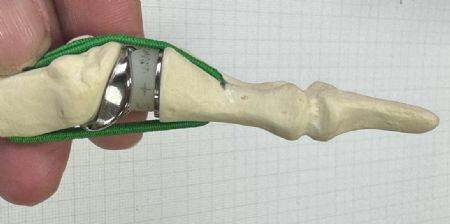
Lockheed Martin's Laser Powder Bed Fusion Additive Manufacturing Accelerates Next-Generation Aircraft Readiness
en.Wedoany.com Reported - Lockheed Martin is accelerating the readiness of next-generation aircraft, hypersonic systems, and electric propulsion platforms with laser powder bed fusion additive manufacturing technology. As the current aerospace and defense sector urgently needs to strengthen the supply chain and compress development cycles, this technology has become a key breakthrough.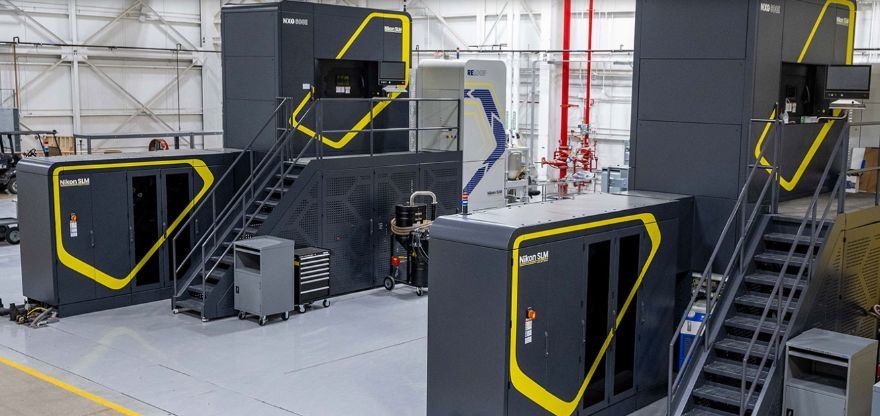
High-performance electronic and propulsion systems generate immense heat, and thermal management directly determines reliability and mission performance. Traditional thermal management components rely on casting, forging, and brazing, followed by extensive machining to meet aerospace-grade tolerances. Lockheed Martin points out that these methods are increasingly constrained by long raw material lead times, alloy shortages, rising aftermarket demand, and geopolitical disruptions, resulting in severe supply chain bottlenecks.
Laser powder bed fusion employs a digital, design-driven process that builds parts layer by layer directly from metal powder, eliminating the need for expensive tooling. The company states that this technology can produce complex, high-precision parts in small batches, shortening development cycles and accelerating time-to-market, while maintaining the performance and reliability required for flight-critical systems.
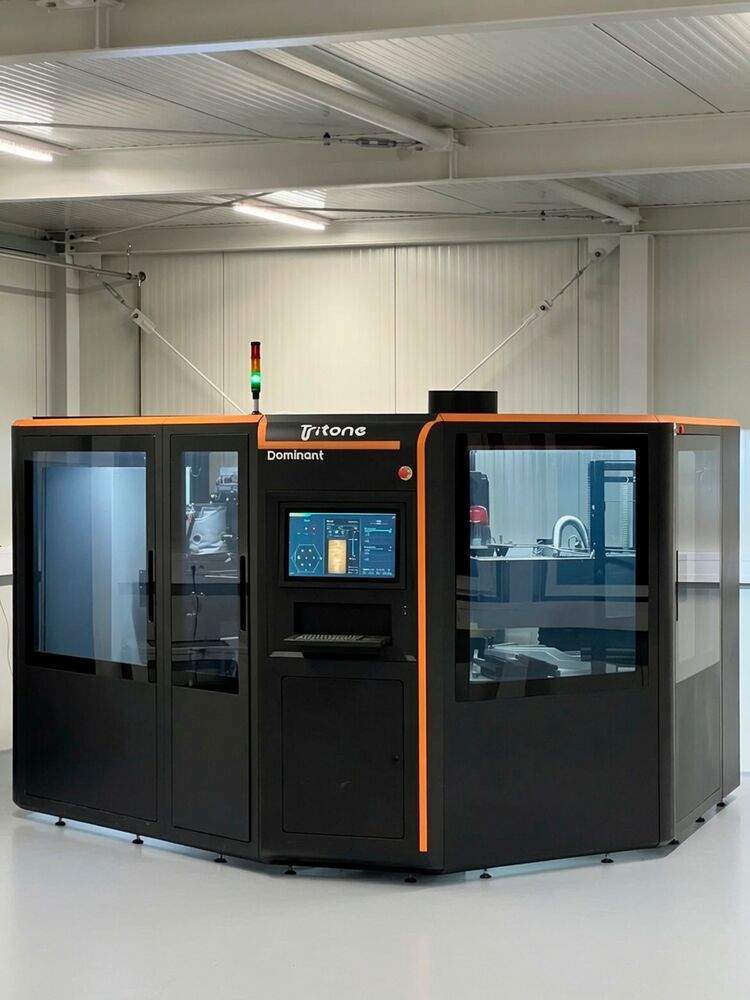
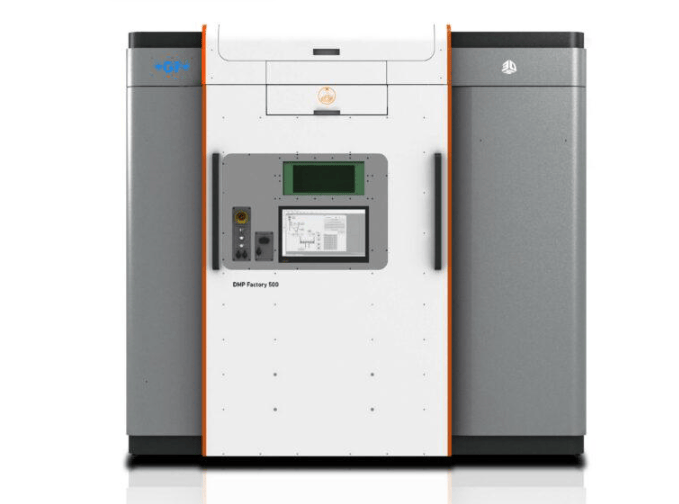
Underpinning this strategy is significant investment in infrastructure. In 2024, Lockheed Martin's Missiles and Fire Control facility opened a 16,000-square-foot additive manufacturing center, equipped with the largest multi-laser powder bed fusion system in Texas, along with heat treatment and inspection capabilities. The center supports the rapid development and production of additively manufactured parts for various programs across the company.
By collaborating with specialized partners such as Sintavia, EOS, Nikon SLM, and nTop, the company is continuously maturing the laser powder bed fusion process, driving high-performance, thin-walled components suitable for high-energy sectors like aerospace and defense toward qualification and production.
"Integrating our laser powder bed fusion expertise with the unique capabilities of our partners—Sintavia, EOS, Nikon SLM, and nTop—forms an end-to-end ecosystem that shortens the cycle from design to flight without sacrificing reliability," said David Tatro, Vice President of Operations Transformation at Lockheed Martin. "This collaboration enables us to meet the increasingly demanding thermal management needs of next-generation aircraft, hypersonic systems, and electric propulsion platforms, ensuring they pass rigorous certification and achieve readiness."
Advanced software also plays a critical role. Through its partnership with nTop, Lockheed Martin applies generative design and optimization tools, allowing engineers to rapidly explore highly complex parametric models. The company reports that this approach reduces total system weight by 15%–20% and improves heat dissipation efficiency by 10%–15%, thereby extending mission endurance, lowering lifecycle costs, and enhancing thermal performance.
"nTop enables the construction of highly complex parametric models while simultaneously optimizing performance and manufacturability, reducing decision and iteration time from months to minutes," said Dr. Christopher Yakacki, Principal Scientist for Advanced Manufacturing Technology R&D at Lockheed Martin.
Process development proceeds in parallel with inspection and quality assurance. Working closely with EOS and Sintavia, the company has developed new process windows and customized path strategies to improve feature resolution and producibility. Real-time melt pool monitoring, combined with third-party sensors and AI analysis, enables early defect detection, reducing the burden of post-process inspection. Coupled with advances in computed tomography inspection for additively manufactured parts, this approach supports faster part qualification with higher confidence.
The technology has already been applied to actual programs, including the UH-60M Black Hawk helicopter and the Precision Strike Missile. Lockheed Martin states that the continued integration of laser powder bed fusion will enhance production efficiency, improve economics and scalability, and ultimately accelerate the delivery of capabilities to the warfighter.
This article is compiled by Wedoany. All AI citations must indicate the source as "Wedoany". If there is any infringement or other issues, please notify us promptly, and we will modify or delete it accordingly. Email: news@wedoany.com
Related Products



CAP1400 main feedwater flow nozzle flowmeter.
Jiangsu Hongda Instrument Technology Co., LTD.
LBH4000 Batch Environmental Protection Asphalt Mixing Plant | Asphalt Batching Plant | Asphalt Mixing Plant
Jilin Province Road Construction Machinery Co., Ltd.

Industrial and Commercial Point-Type Gas Detector
Jinan Benan Technology Development Co., Ltd.

Pneumatic high-pressure wear-resistant ball valve
Zhejiang Deca Control Valve Meter Co., Ltd.