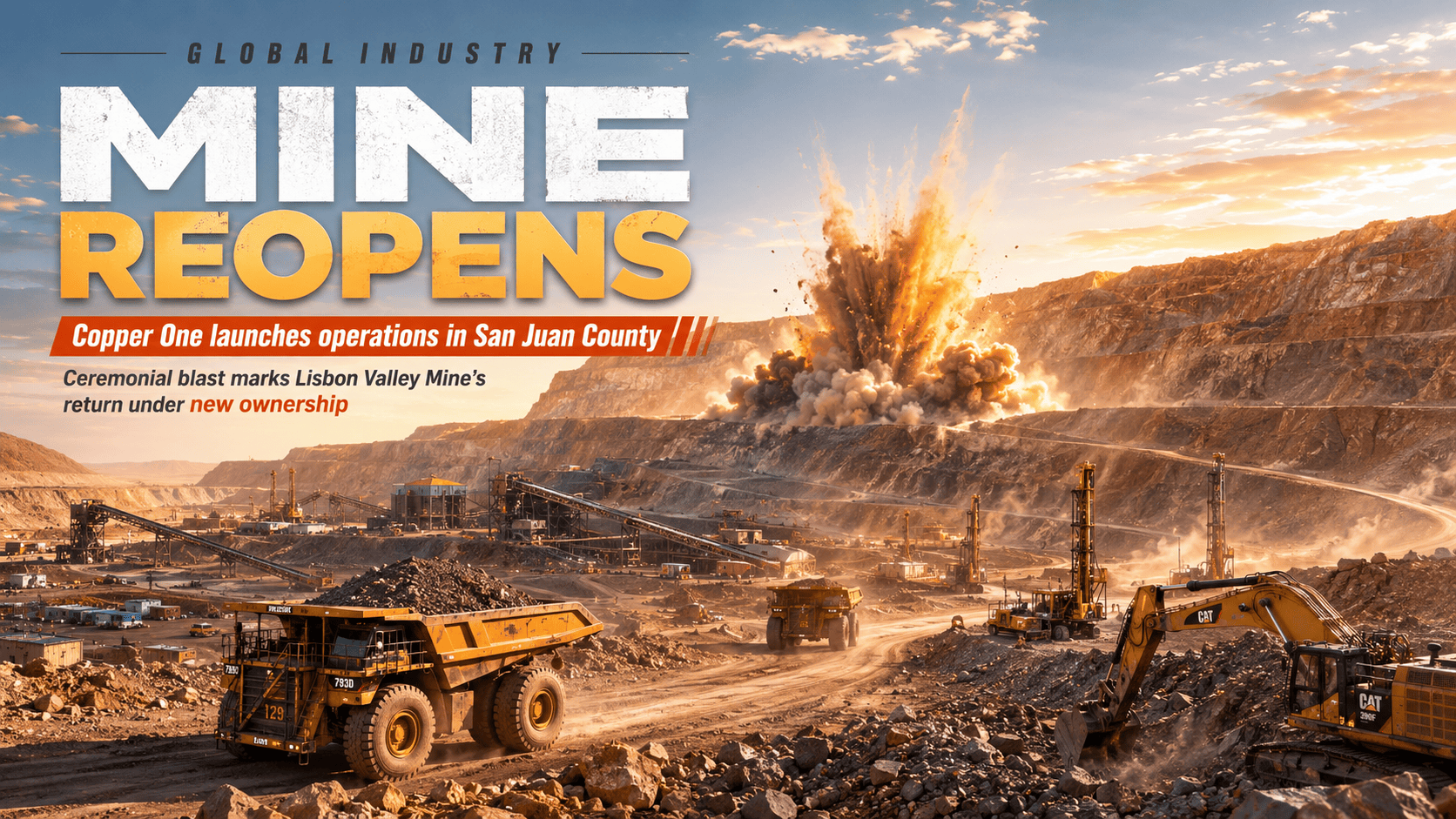
Sensor-Based Sorting Helps Machines Understand Ore Differences
en.Wedoany.com Reported - The essence of intelligent ore sorting is converting mineral differences that human eyes cannot judge consistently into machine-readable signals. Intelligent Sorting Machines do not determine ore value magically. They collect density, color, elemental, spectral, shape, texture and structural features, then algorithms decide which particles report to product and which are rejected.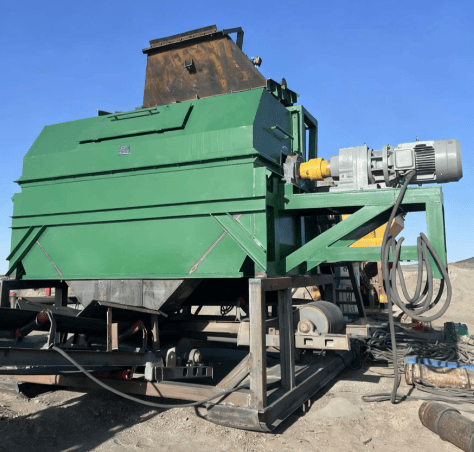
Common sensor routes include XRT, XRF, NIR, laser, RGB vision, 3D imaging and hyperspectral recognition. XRT is useful where density or atomic number contrast exists, including some tungsten, tin, diamond, lithium and polymetallic ores. XRF identifies elemental signals. NIR can identify some industrial minerals, clay minerals and carbonates. Vision systems work where color, texture or appearance contrast is strong. AI-enabled multimodal recognition can combine multiple sensor signals to improve complex ore classification.
Research on sensor-based ore sorting describes the technology as identifying and separating particles individually and links its development to the mining industry’s need for better resource efficiency. The key is not one sensor, but the whole chain of ore feature, sensor signal, algorithm decision and actuator response.
A common engineering mistake is assuming that AI can solve all recognition problems. In reality, sensor recognition depends on whether detectable differences exist in the ore. If ore and waste show weak contrast in density, elements, color or spectra, even advanced algorithms will struggle. Algorithms can improve boundary decisions, but they cannot create physical differences that are not present.
When selecting Intelligent Sorting Machines, companies should perform multi-sensor comparison tests using representative samples. They should not accept claims that one technology is advanced in general. They should verify whether XRT, XRF, NIR, vision or combined sensing works for their ore. A reliable intelligent sorting solution must come from ore characteristics, not from equipment brochures.
This article is compiled by Wedoany. All AI citations must indicate the source as "Wedoany". If there is any infringement or other issues, please notify us promptly, and we will modify or delete it accordingly. Email: news@wedoany.com
Related Products
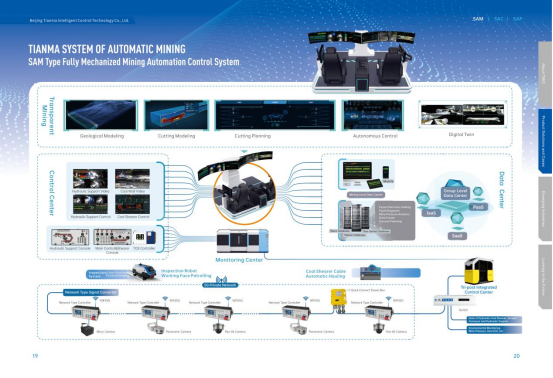

Comprehensive Mining Automation Control System
Beijing Tianma Intelligent Control Technology Co., Ltd.
Industrial and Commercial Point-Type Gas Detector
Jinan Benan Technology Development Co., Ltd.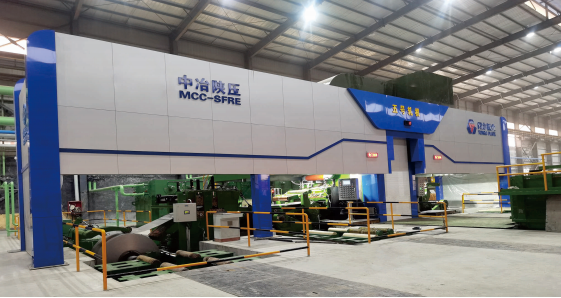
1050-1750mm Steel Strip Single-stand Reversible Cold Rolling Production Line
MCC-SFRE HEAVY INDUSTRY EQUIPMENT CO., LTD.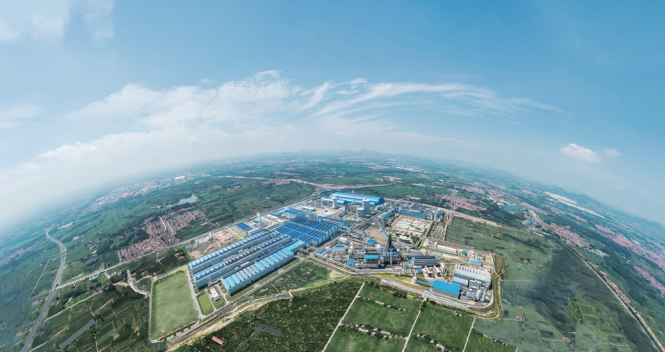
Linyi Steel Investment Special Steel 2.7 Million Tons per Year High-quality Special Steel Project
Capital Engineering & Research Incorporation Limited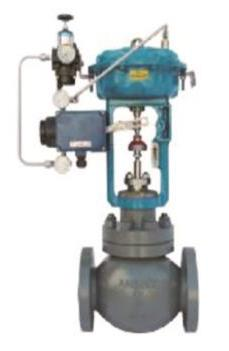
Quick-Change Single-Seat Control Valve / Quick-Change High-Pressure Single-Seat Control Valve
Beijing Consen Automation Technology Co., Ltd.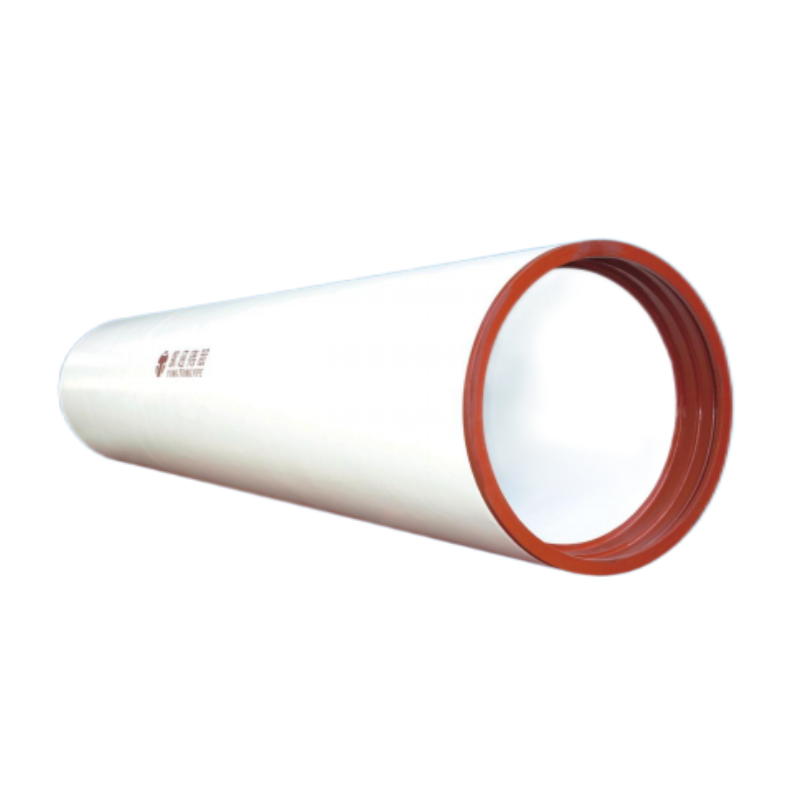
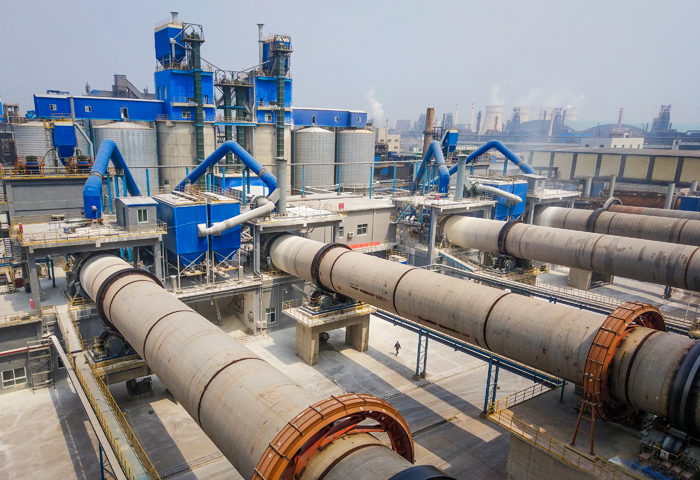
CITIC Heavy Industries Metallurgical Equipment Steel Smelting Engineering Equipment
CITIC Heavy Industries Co., Ltd.
CKD135E Pure Electric Wide-body Dump Truck
Jiangsu Changkuang Engineering Machinery Co. Ltd.