China's Non-Ferrous Construction Enterprises Accelerate Transformation to EPC General Contracting; in Q1, Chalco Engineering Newly Signed Industrial Contracts Worth 11.392 Billion Yuan
en.Wedoany.com Reported - Engineering and construction enterprises in China's non-ferrous metals industry are accelerating their transformation from traditional construction contracting to EPC (Engineering, Procurement, Construction) general contracting, from single project execution to integrated design-procurement-construction-operation services, and from the domestic market to a global footprint, in order to meet the challenges of the construction industry's deep adjustment period.
In the past, some construction enterprises relied on scale expansion and low-price bidding to achieve growth. However, affected by factors such as the real estate market adjustment, optimization of local investment and financing structures, and the release of risks from existing projects, the traditional model has become unsustainable. According to statistics, the total output value of the national construction industry in 2025 was 30.38 trillion yuan, a year-on-year decrease of 5.43%, marking the first annual negative growth in recent years. By the end of 2025, there were 168,200 construction enterprises with construction activities nationwide, and the average number of people directly engaged in production and operation activities was 51.1489 million, a year-on-year decrease of 7.6247 million people, indicating a clear trend of industry clearance and structural optimization.
In the field of non-ferrous metals engineering construction, the pressure brought by market adjustment is even more prominent. The incremental market for traditional construction areas such as non-ferrous mining, smelting, and processing is narrowing, and the space for earning labor profits solely through engineering construction is continuously being compressed. Meanwhile, the rise of emerging industries such as new energy, new materials, green mines, intelligent smelting, and overseas resource development places higher demands on the comprehensive operational capabilities of construction enterprises. Project owners increasingly value the enterprise's full-chain coordination ability; whether it can complete the entire process of planning and design, material procurement, construction, equipment commissioning, and operation and maintenance services has become the key to winning cooperation. The focus of competition has shifted from "whether you can get the project" to "whether you can manage the project well," and the industry orientation has shifted from inefficient involution to quality and efficiency improvement. Enterprises are accelerating the upgrade from traditional construction contracting to integrated EPC general contracting models, from cumbersome management structures to a matrix management system of "regional coordination + professional deep cultivation," and from extensive control to lean management throughout the project lifecycle. In the first quarter of 2026, China Aluminum International Engineering Corporation Limited newly signed industrial contracts worth 11.392 billion yuan, accounting for 98.73% of the total contract value, a year-on-year increase of 35.58%. Among them, the newly signed contract value for EPC general contracting business reached 6.198 billion yuan, with its proportion rising to 53.71%, a year-on-year increase of 57.11%, indicating that deepening advantageous industrial fields and enhancing general contracting capabilities have become important supports for order growth.
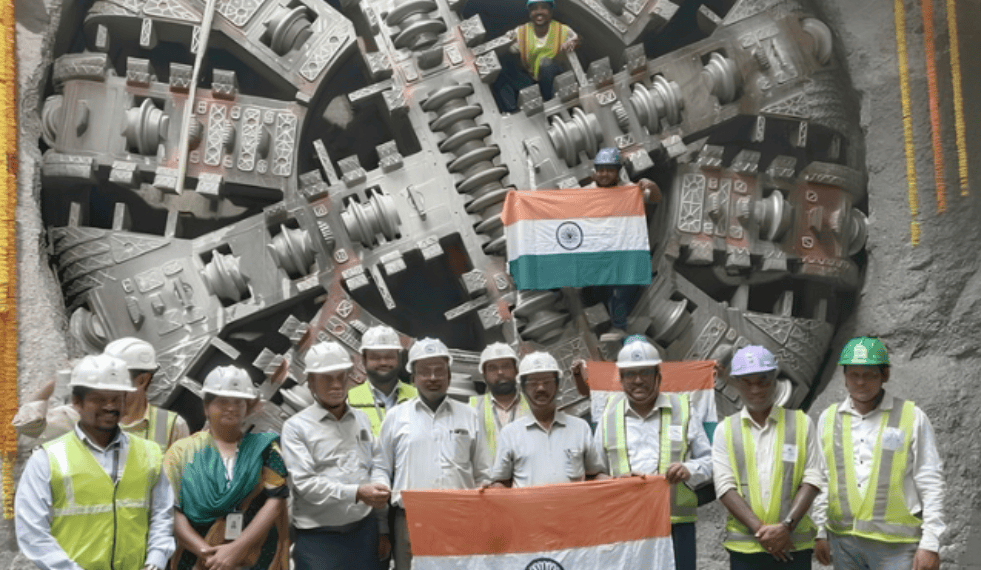
With fluctuating building material prices, rising labor costs, extended project payment collection cycles, and higher safety and environmental protection standards, the profit model relying on subcontracting and design changes after winning bids at low prices faces increasing risks. If construction enterprises remain in the role of "building according to drawings," it will be difficult for them to create value in the front-end optimization of design, material procurement, and construction organization. The market value of EPC and "EPC+" models is thus highlighted. Take the Zambia Ruida Hydrometallurgical Plant project undertaken by China No.15 Metallurgical Construction Group Co., Ltd. as an example. This project adopts the "EPC+O" general contracting model, where the company is responsible for design, procurement, construction, and 10 years of continuous operation management, designed to process 200,000 tons of copper ore annually and produce 3,000 tons of cathode copper per year. This model transforms the enterprise from a builder to a resource development participant and operation manager, participating in longer-cycle value distribution through technical, management, and operational capabilities. In terms of technological innovation, China No.15 Metallurgical Construction Group Co., Ltd. has cross-applied TBM technology to mine construction, promoting the mining industry's development towards mechanization, automation, and intelligence.
The transformation path still faces many challenges. The EPC general contracting model requires enterprises to possess diversified comprehensive capabilities such as design leadership, centralized procurement coordination, construction coordination, commercial control, and comprehensive risk management. To this end, non-ferrous construction enterprises are clearly defining their own positioning. In its 2026 work deployment, the 23rd Metallurgical Construction Group of China Minmetals Corporation proposed three major strategies: "Mining Breakthrough," "Overseas Breakthrough," and "Project Department Local Breakthrough." China MCC22 Group Corporation Ltd. focuses its work on adhering to the dialectical unity of reasonable quantitative growth and effective qualitative improvement, stabilizing the basic foundation of engineering general contracting, promoting the migration of metallurgical technology to the chemical, non-ferrous, mining, and new energy sectors, and extending the industrial chain to engage in the research, development, and production of materials and equipment. The 11th Metallurgical Construction Group Co., Ltd. focuses on refining its "Ace" business, optimizing its "Brand Name" business, and expanding its "Emerging" business, using the "Year of Synergistic Efficiency Creation" as a lever to deepen lean management.
The key to the transformation of construction enterprises lies in enhancing the ability to proactively create value, shifting from "building according to drawings" to "proactive empowerment," and from single project fulfillment to full lifecycle services. In terms of specific paths, enterprises need to upgrade from "project thinking" to "full lifecycle value thinking," participating in plan optimization and investment calculations in the early stages of a project, coordinating design, procurement, and construction in the middle stages, and extending to back-end services such as equipment commissioning and operation and maintenance trusteeship in the later stages. At the same time, it is necessary to push lean management down to the entire project process, keeping costs, schedules, quality, and cash flow under control. Furthermore, differentiated tracks should be formed by deeply cultivating niche areas such as green infrastructure, low-carbon intelligent smelting, and overseas integrated EPC projects. For example, the 8th Metallurgical Construction Group Co., Ltd. established the Baye Construction Group Jinchang Kangyi Medical and Elderly Care Real Estate Service Co., Ltd. in August 2015, which has steadily grown into a benchmark enterprise in Gansu's medical and health care industry over the past 10 years. The Construction Branch of the Non-ferrous Construction Association should also play a platform role, forming an institutional system in areas such as construction method review, QC achievements, new technology application projects, high-quality structural projects, and scientific and technological achievement appraisal, transforming successful enterprise experiences into industry standards. Overall, construction enterprises need to shift from relying on project volume for survival to winning the market by relying on professional, management, technical, and risk control capabilities, becoming "full lifecycle solution providers," thereby achieving high-quality development amidst industry adjustments.
This article is compiled by Wedoany. All AI citations must indicate the source as "Wedoany". If there is any infringement or other issues, please notify us promptly, and we will modify or delete it accordingly. Email: news@wedoany.com
Related Products
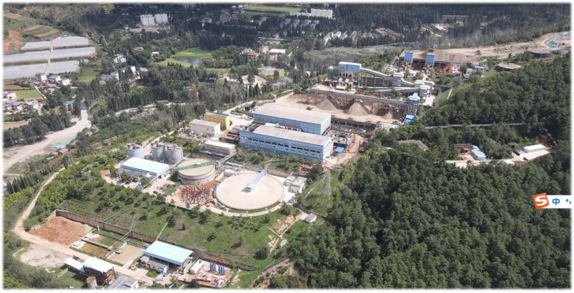

Yunnan Phosphorus Chemical Group Co., Ltd. 2 Million t/a Phosphorus Ore Mining and Beneficiation Project
China Bluestar Lehigh Engineering Corporation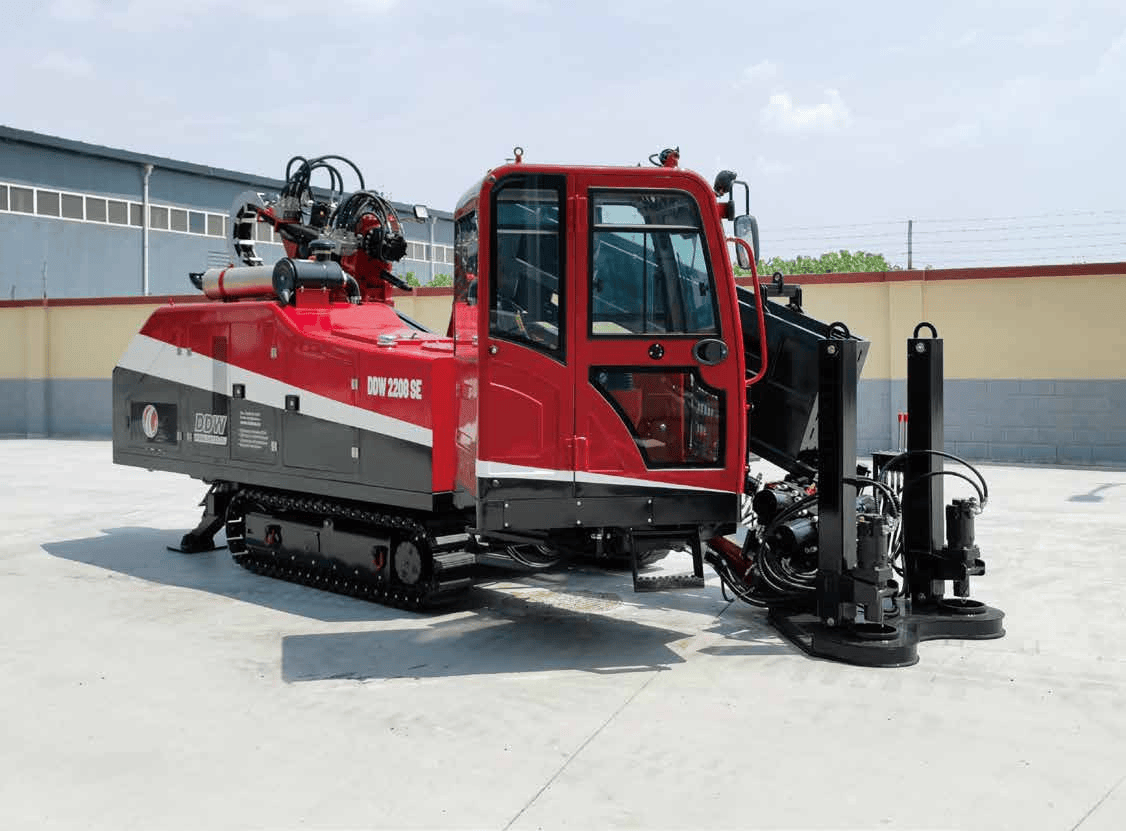
DDW22/08SE-HORIZONTAL DIRECTIONAL DRILL
DW/TXS Construction Equipment (Beijing) Co., Ltd.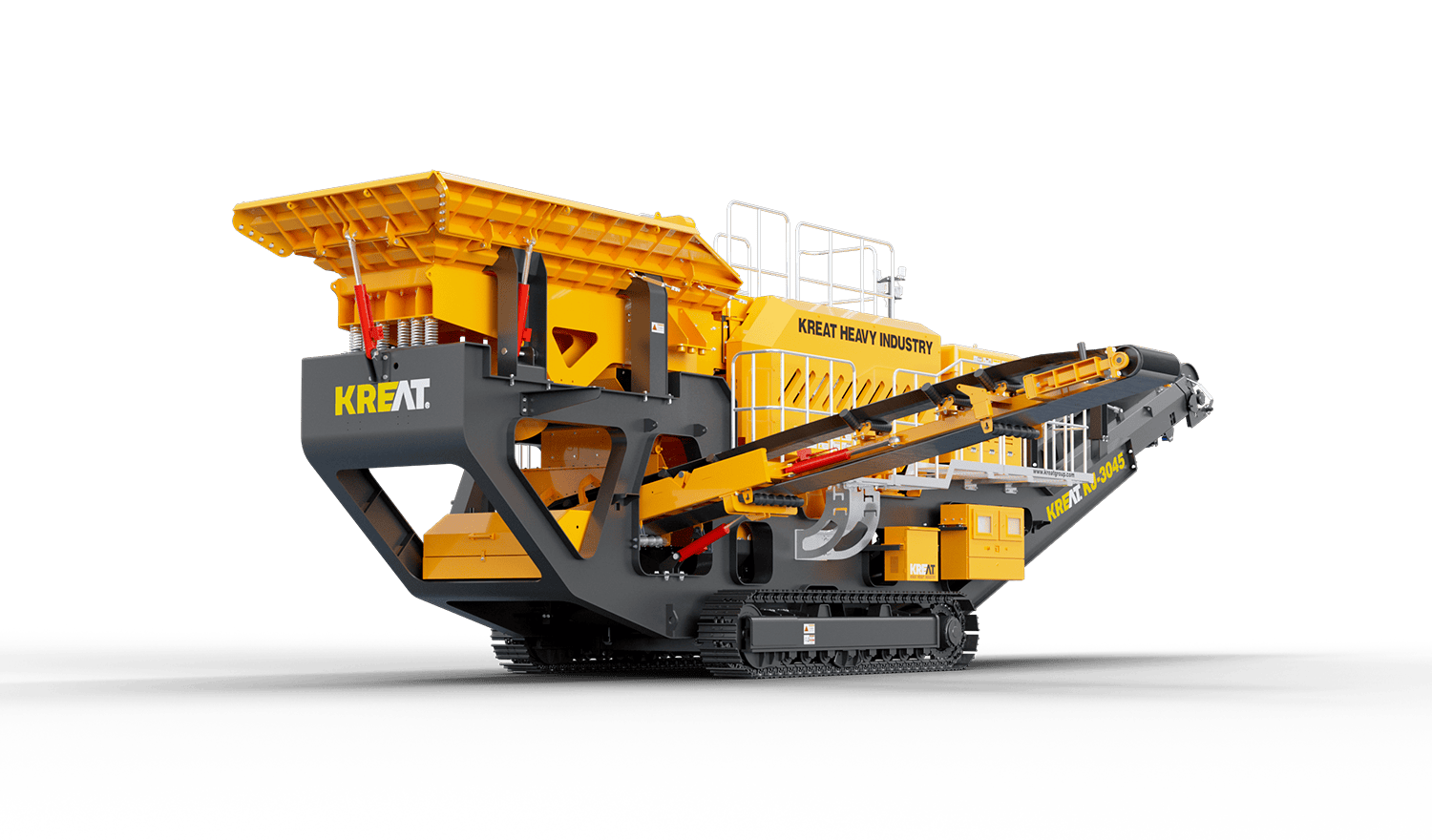
KJ-3045 Crawler Mobile Jaw Crushing Station
Yunnan Kairuite Construction Machinery Equipment Co., Ltd.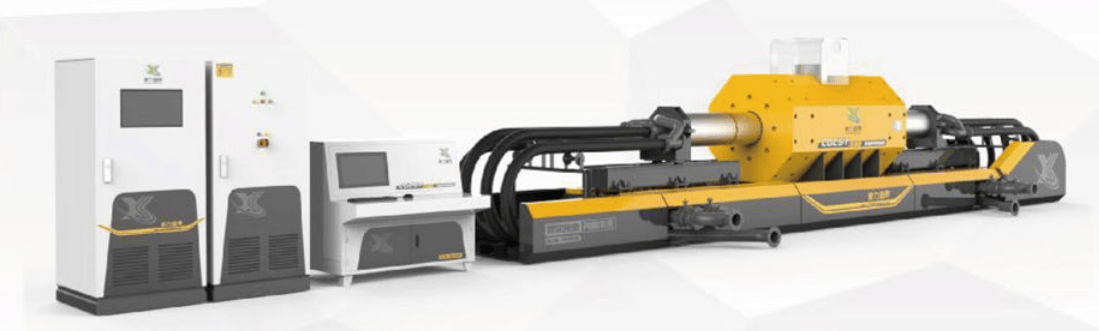
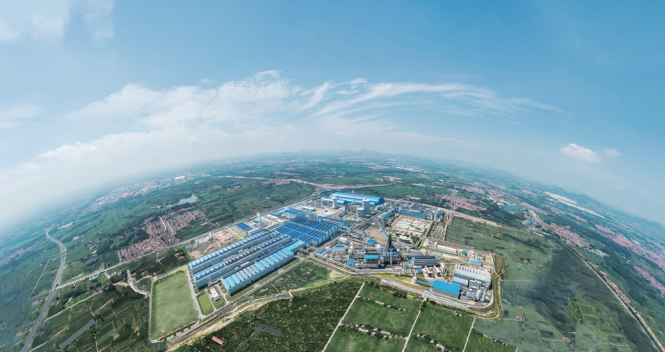
Linyi Steel Investment Special Steel 2.7 Million Tons per Year High-quality Special Steel Project
Capital Engineering & Research Incorporation Limited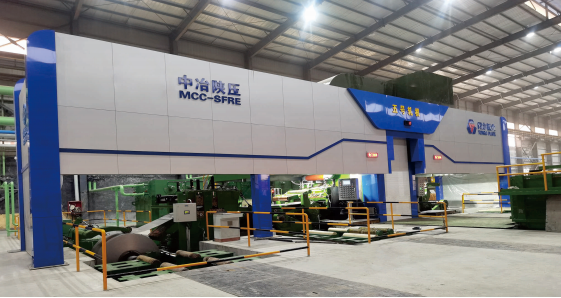
1050-1750mm Steel Strip Single-stand Reversible Cold Rolling Production Line
MCC-SFRE HEAVY INDUSTRY EQUIPMENT CO., LTD.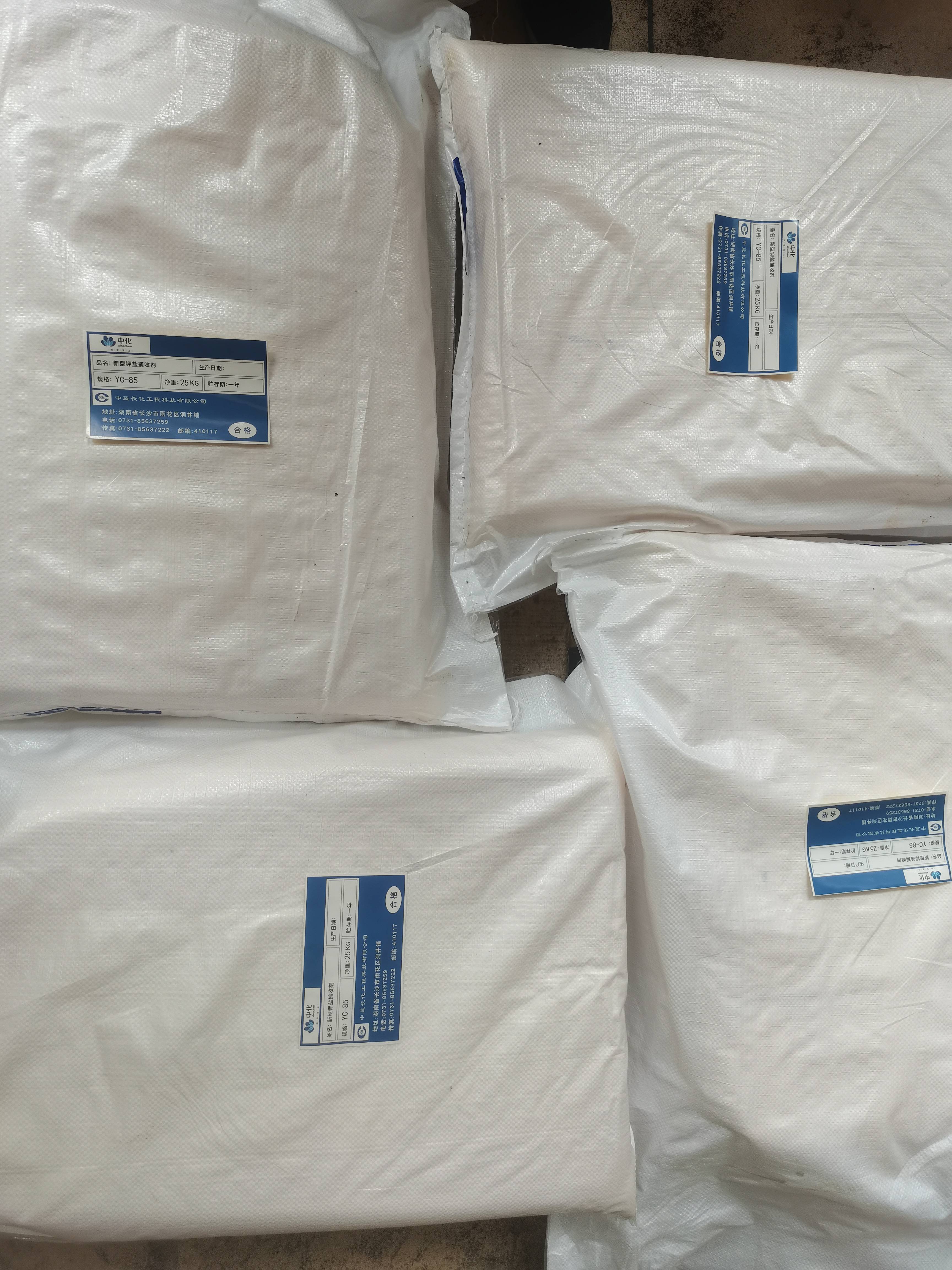
New Environmentally Friendly Green Potassium Salt Collector
Chonfar Engineering and Technology Co., Ltd.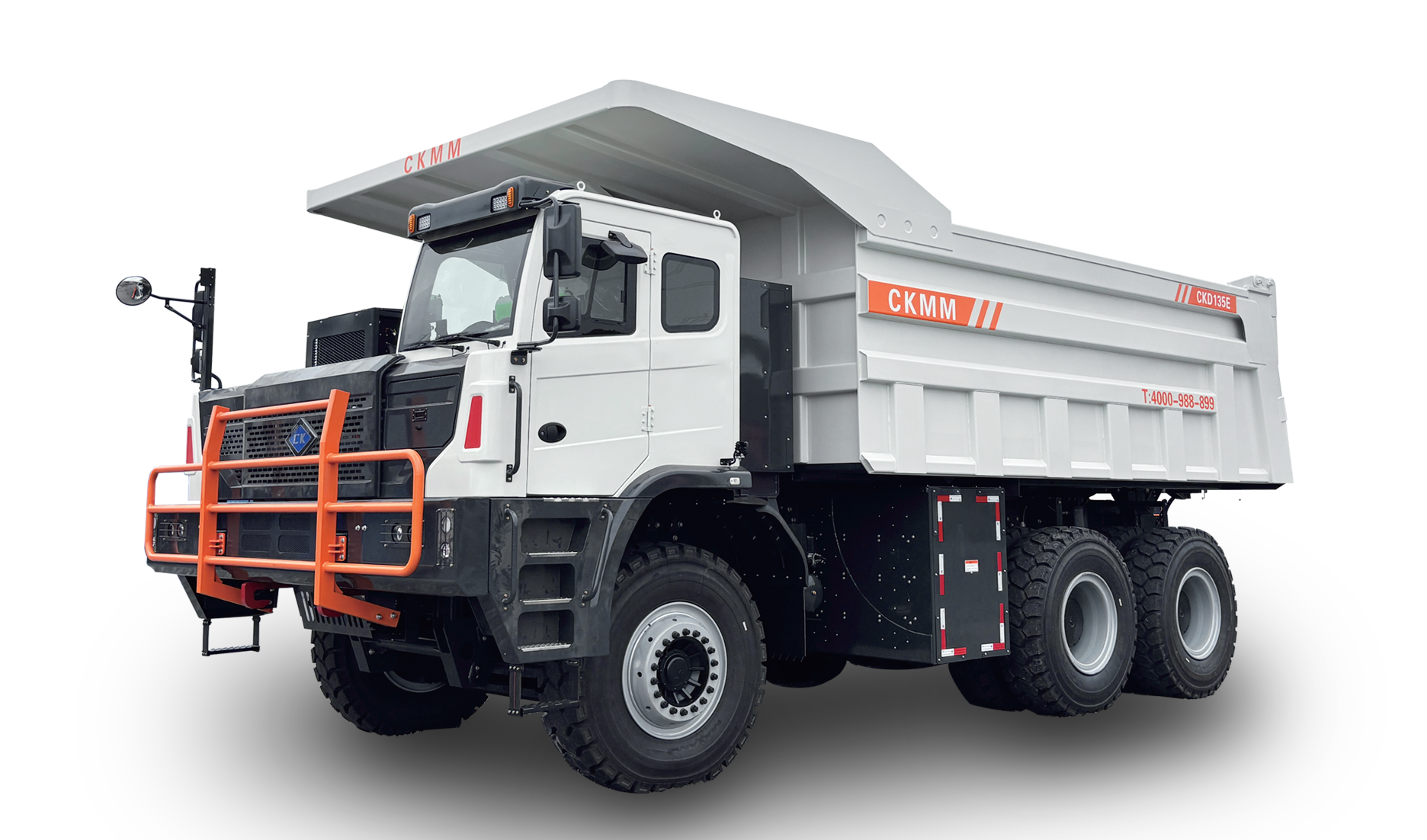
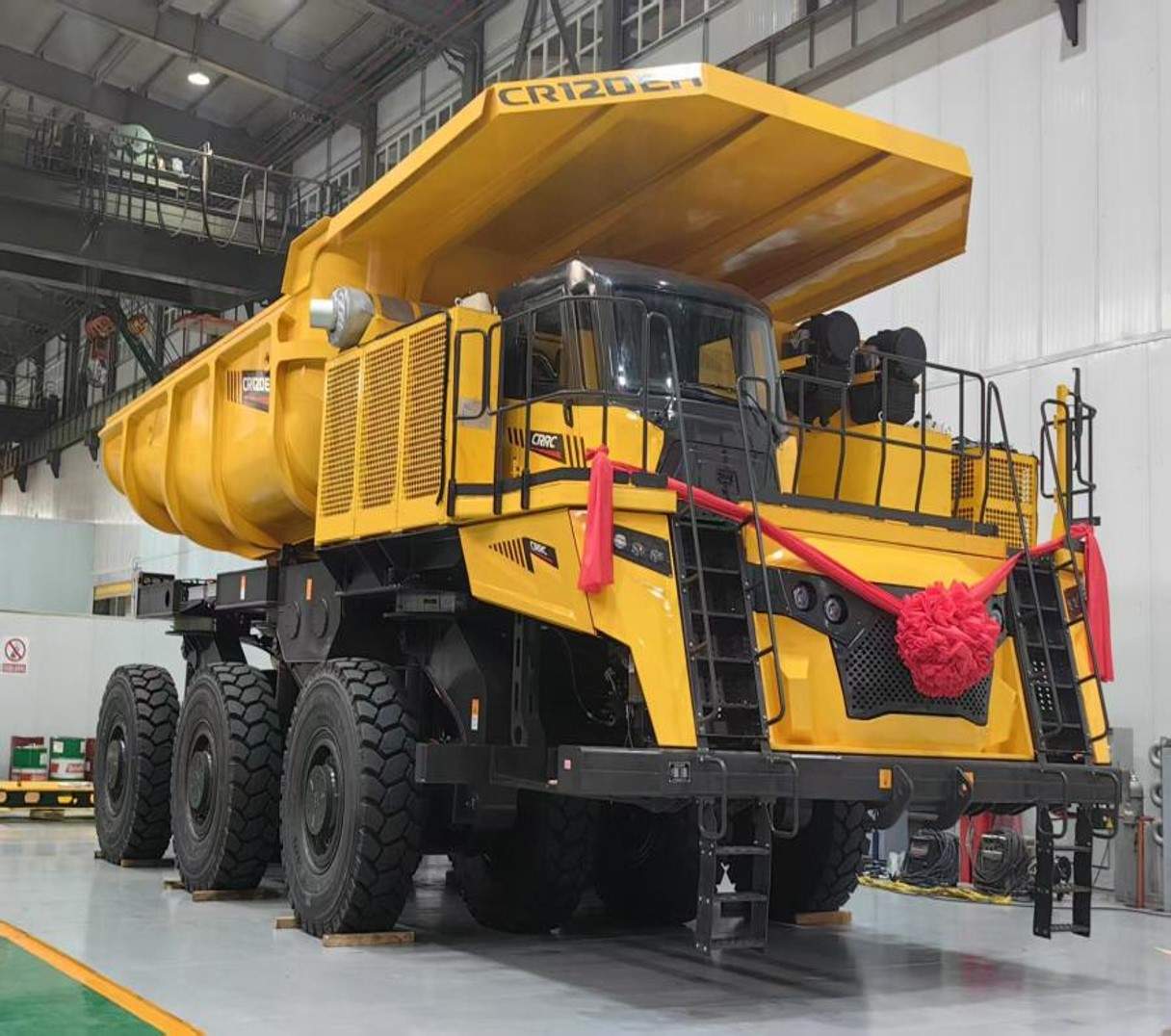
CKD135E Pure Electric Wide-body Dump Truck
Jiangsu Changkuang Engineering Machinery Co. Ltd.