2026 CRU World Copper Conference in Chile Focuses on Structural Shortage and Cost Control
en.Wedoany.com Reported - At the "2026 CRU World Copper Conference" held in Santiago, the capital of Chile, decision-makers from across the global copper industry chain gathered to discuss the strategic position of copper metal against the backdrop of the energy transition. Currently, the global copper market is facing a structural shortage, with a sharp slowdown in mine copper production growth, primarily due to the depletion of high-grade, easily accessible deposits, leading to soaring extraction costs and project delays.
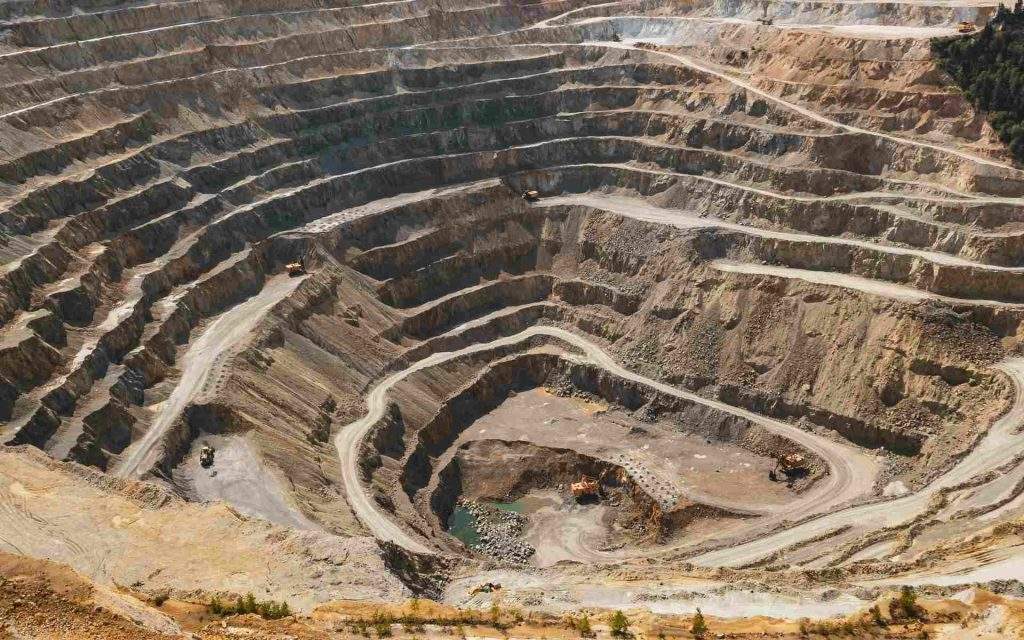
Data from the Chilean Copper Commission shows that as the world's largest copper producer, Chile's output is being severely challenged by mature ore bodies. Taking the world's largest open-pit copper mine, Chuquicamata, as an example, its ore grade has dropped from about 0.8% at the beginning of this century to about 0.4%. To maintain the same output, three times the amount of ore must be processed, significantly increasing energy consumption and equipment depreciation. Meanwhile, community resistance and water scarcity have become insurmountable obstacles. At the Escondida copper mine in the northern Atacama Desert of Chile, its expansion plans face strict environmental reviews due to protests from indigenous communities over glacial meltwater and the ecological environment.
The erosion of existing assets and the scarcity of new projects paint a bleak picture for copper mine supply prospects. While projects like Anglo American's Quellaveco copper mine in Peru are operating at full capacity, their profitability is significantly diminished by high operating costs. The global supply of copper concentrate continues to tighten, even resulting in negative Treatment and Refining Charges (TC/RCs). This profit squeeze has completely reshaped the smelting industry, declaring the traditional processing fee profit model bankrupt, forcing miners, smelters, and traders to shift towards new business models such as index-linked contracts or vertical integration.
Cost control has become the key to project viability, and one of the conference's main topics was how Chile's high energy costs are weakening the competitiveness of its mining industry. Dependence on imported fossil fuels for power supply, coupled with transmission bottlenecks and logistical constraints in remote mining areas, collectively drives up electricity prices, directly threatening the economic feasibility of low-grade deposits. Under stringent ESG (Environmental, Social, and Governance) standards and the pressure of the energy transition, water management and carbon emission reduction have become hard constraints. Mining companies are accelerating their transition to renewable energy. In northern Chile, where solar and wind resources are abundant, companies are actively seeking long-term power purchase agreements to secure low-cost, low-carbon electricity. Simultaneously, seawater desalination is shifting from an "option" to a "necessity," with coastal mines actively investing in desalination facilities to alleviate freshwater shortages and water resource conflicts with agricultural communities.
To ensure a stable supply from variable renewable energy sources, mining enterprises also need to invest in large-scale energy storage systems and grid flexibility retrofits. These additional capital expenditures transform clean energy into a competitive advantage. Rising financing costs and lengthy approval processes further constrain new project development, making investors more cautious when deploying capital and requiring projects to balance commercial discipline with energy security and economic security.
Technological innovation became a core focus of the meeting. The "Mine of the Future" model presented by Rio Tinto Group uses a central AI system to dispatch driverless mining trucks in a unified manner, improving transportation efficiency by about 15%. In terms of mineral processing technology, major mining companies are accelerating the exploration of next-generation technologies such as bioleaching, which uses specific bacterial strains to oxidize and decompose sulfides in ore under normal temperature and pressure to release copper ions, potentially transforming waste-grade, extremely low-grade ores into economic resources. Technologies like coarse particle flotation, ore sorting, and in-situ recovery are also moving from the laboratory to commercial application, significantly reducing energy consumption, water consumption, and carbon footprint.
Regarding the industry chain, the widespread use of copper scrap and secondary raw materials is changing the landscape of the global copper industry, with large-scale recycled copper investments alleviating pressure on primary mine supply. Industry giants are beginning to seek higher-level cooperation, with mining companies forming deep, binding relationships with engineering design firms, technology research and development institutions, and financial institutions, converting technology into investment returns through public-private partnership models and innovative financing structures. This collaborative combat across the entire chain ensures a stable supply of copper in a turbulent geopolitical environment.
This article is compiled by Wedoany. All AI citations must indicate the source as "Wedoany". If there is any infringement or other issues, please notify us promptly, and we will modify or delete it accordingly. Email: news@wedoany.com
Related Products
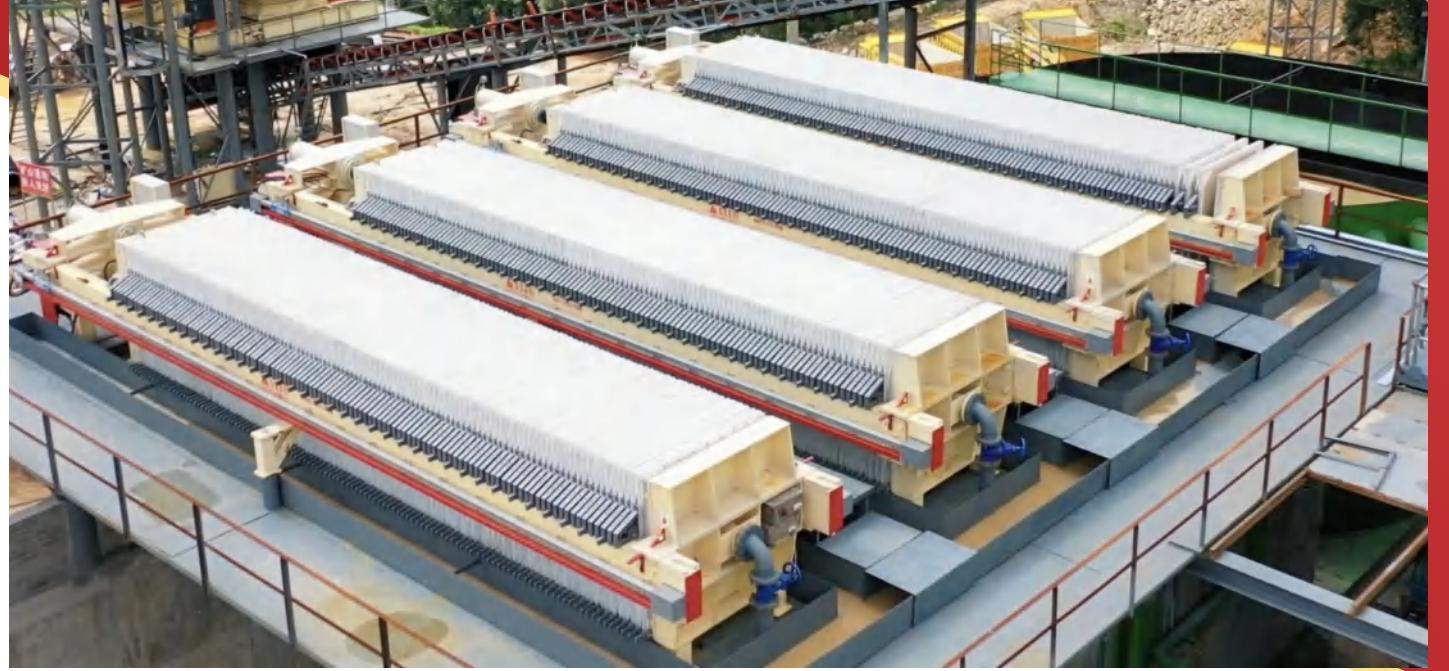

Hydraulic Plate and Frame Filter Press
Guangdong Leimeng Intelligent Equipment Group Co., Ltd.
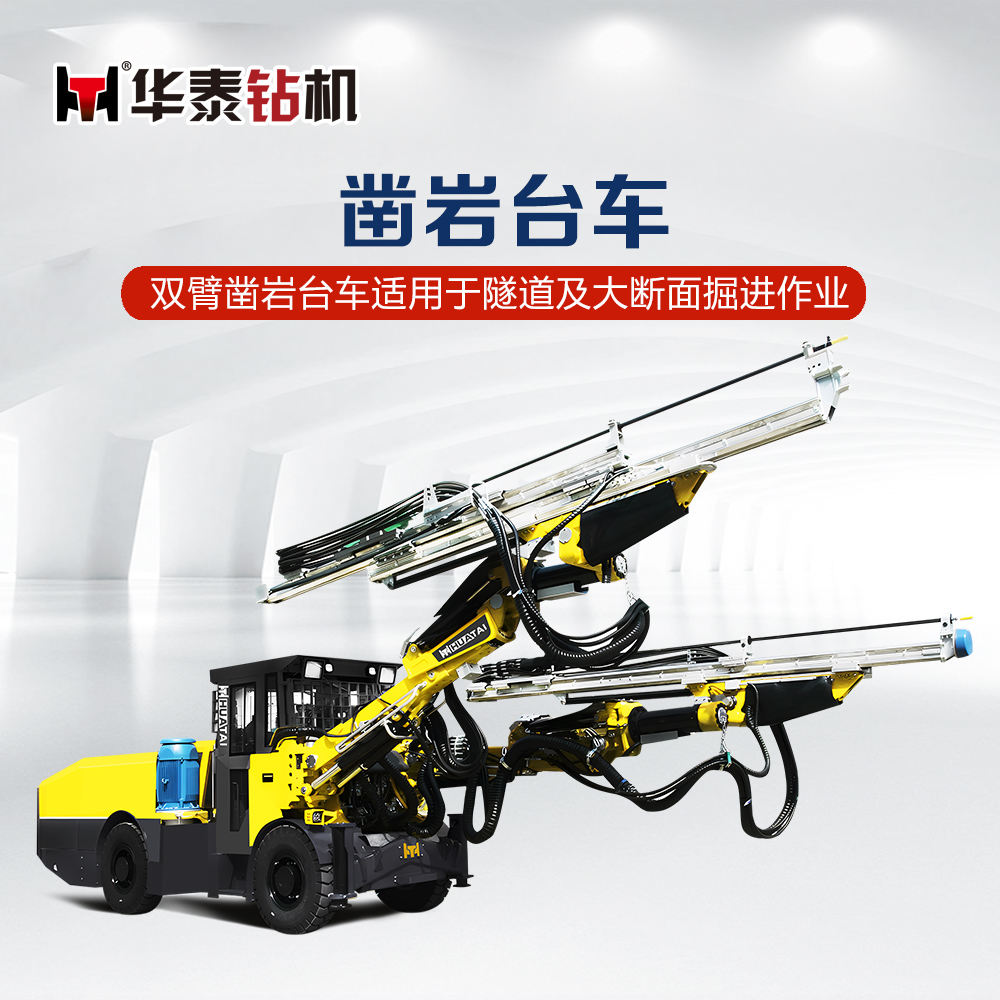
CYTJ45/2 Mining Hydraulic Tunneling Drill Rig
Zhangjiakou Xuanhua Huatai Mining and Metallurgical Machinery Co., Ltd.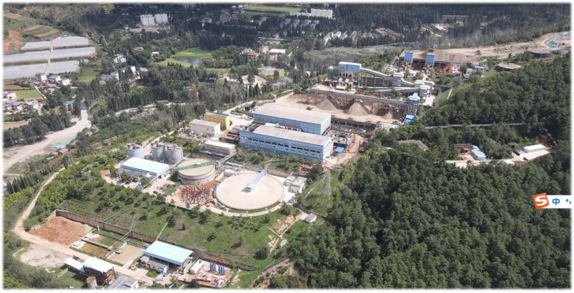
Yunnan Phosphorus Chemical Group Co., Ltd. 2 Million t/a Phosphorus Ore Mining and Beneficiation Project
China Bluestar Lehigh Engineering Corporation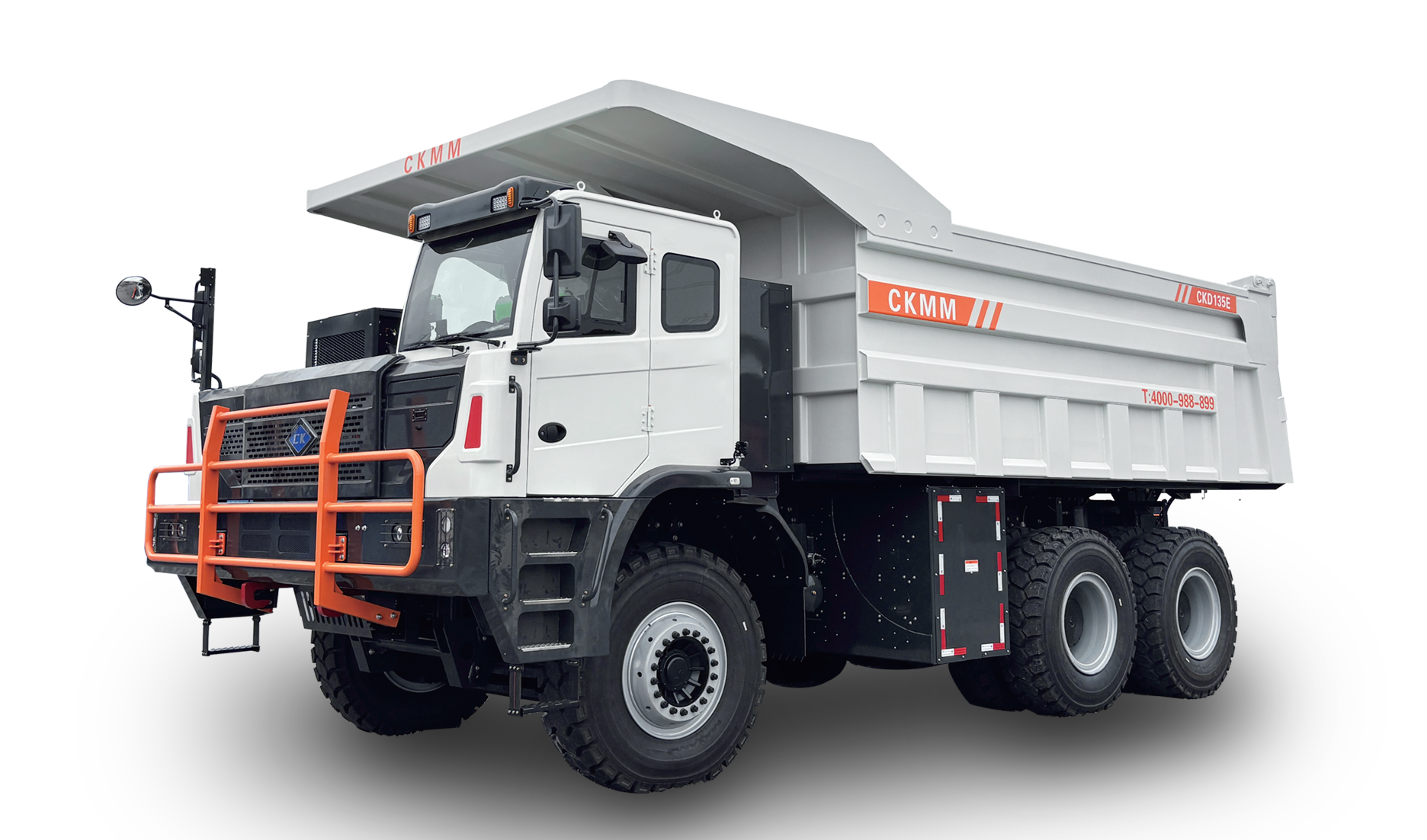
CKD135E Pure Electric Wide-body Dump Truck
Jiangsu Changkuang Engineering Machinery Co. Ltd.
High-temperature Equal Wall Thickness High-power Screw Drilling Tool
Orient Energy & Technologies Co., Ltd.