Brazil's Chemical Output Surges 22.8% QoQ in Q1 2026, Capacity Utilization Rises to 63%
en.Wedoany.com Reported - According to data released by the Brazilian Chemical Industry Association (Abiquim), the country's chemical industry output grew 22.8% quarter-on-quarter in the first quarter of 2026, with domestic sales also rising 22.7%, showing a clear recovery trend. This growth contrasts with the modest improvement in the overall economy during the same period and partially reverses the sector's long-standing pressure from imports.
Capacity utilization also rebounded. From a low of 49% in December 2025, it climbed to 63% by March 2026. Among subsectors, the chlor-alkali industry's utilization rate rose from 46% to 56%, and fertilizer intermediates increased from 45% to 66%. Plastic intermediates stood out in monthly growth within the quarter, with a 26% increase in March compared to February, while fertilizer intermediates grew 10.6% and thermoplastic resins rose 4%, reaching a utilization rate of 70%.
A key driver of this recovery was the reduction in imports. Chemical product imports fell by 19.1% in the first quarter, which increased the domestic industry's share of local supply from 42% in December 2025 to 56% in March 2026.
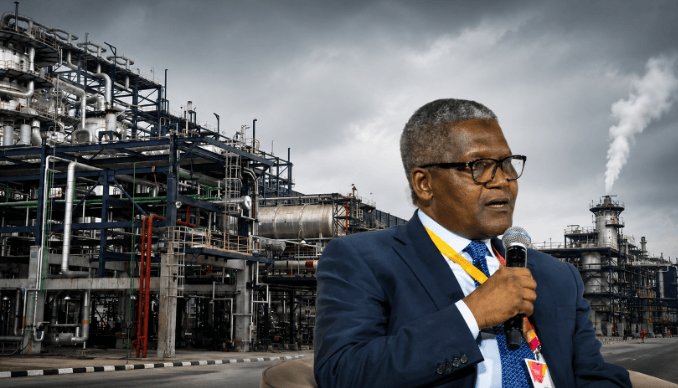
Abiquim CEO Andre Passos attributed part of the improvement to government trade protection measures, such as anti-dumping duties and higher import tariffs. He stated: "The chemical industry's performance is the result of correct measures taken by the federal government since 2025, without generating inflationary impacts." He also emphasized: "We cannot weaken trade defense instruments just as they are beginning to deliver tangible results for national industry."
Despite the positive quarterly data, Passos remains cautious about the outlook. Compared to the same period in 2025, chemical output and sales volumes in the first quarter were still down 4.1%. He noted: "The first quarter of 2026 brought an important boost to the Brazilian chemical industry, but we are still far from a structural balance and a competitive landscape." He added: "Without addressing raw material and energy costs, it will be very difficult to turn this cyclical reaction into a sustainable cycle of industrial growth and investment."
Looking at the longer term, over the 12 months ending March 2026, output fell by a cumulative 7% and domestic sales shrank by 8.2%, indicating that the quarterly rebound has yet to reverse the medium-term downward trend. Data shows that the Brazilian chemical industry's trade deficit reached $54.9 billion in 2025, making it one of the sectors with the largest deficits in the economy. According to Abiquim, the import penetration rate for chemical products has risen from 7% in 1990 to 49% in 2025.
This article is compiled by Wedoany. All AI citations must indicate the source as "Wedoany". If there is any infringement or other issues, please notify us promptly, and we will modify or delete it accordingly. Email: news@wedoany.com
Related Products

Steel Plates for Chemical Pressure Equipment
Gansu JISCO Group Hongxing Iron and Steel Co., Ltd.
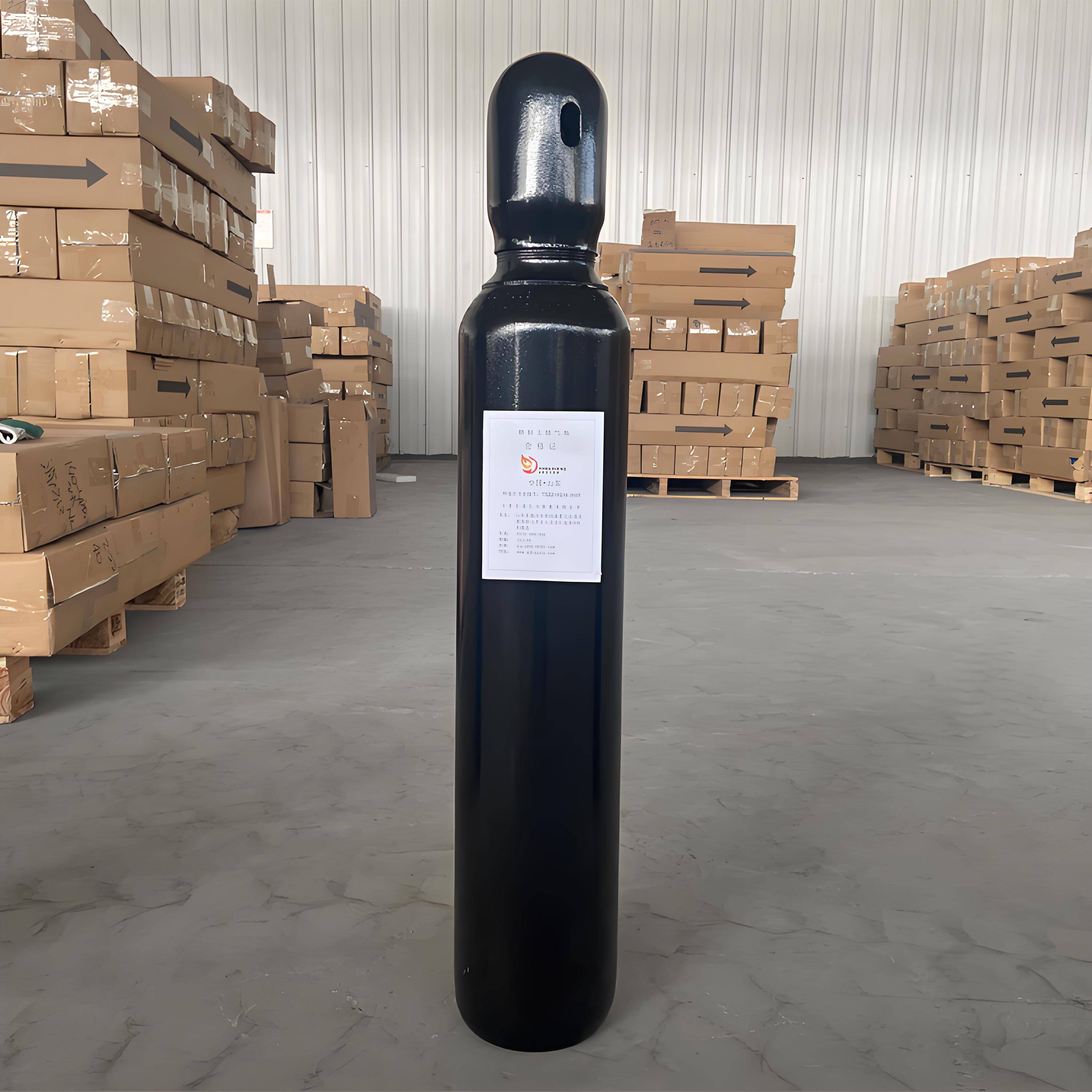
Nitrogen Export, Nitrogen Manufacturer, High-purity Nitrogen Supplier
Foshan Yuexin Industrial Gas Co., Ltd.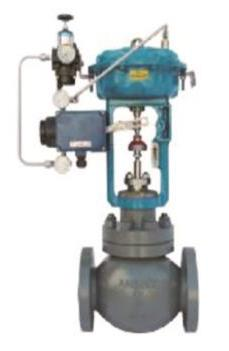
Quick-Change Single-Seat Control Valve / Quick-Change High-Pressure Single-Seat Control Valve
Beijing Consen Automation Technology Co., Ltd.

CAP1400 main feedwater flow nozzle flowmeter.
Jiangsu Hongda Instrument Technology Co., LTD.