From Early Warning to Maintenance: Energy Storage Safety Requires Lifecycle Management
en.Wedoany.com Reported - Safety risks in energy storage systems do not exist only during the construction stage. They may also appear during long-term operation due to battery aging, environmental changes, equipment faults, communication abnormalities, strategy adjustments, or insufficient maintenance. Therefore, Energy Storage Safety must move from one-time acceptance thinking to full lifecycle management.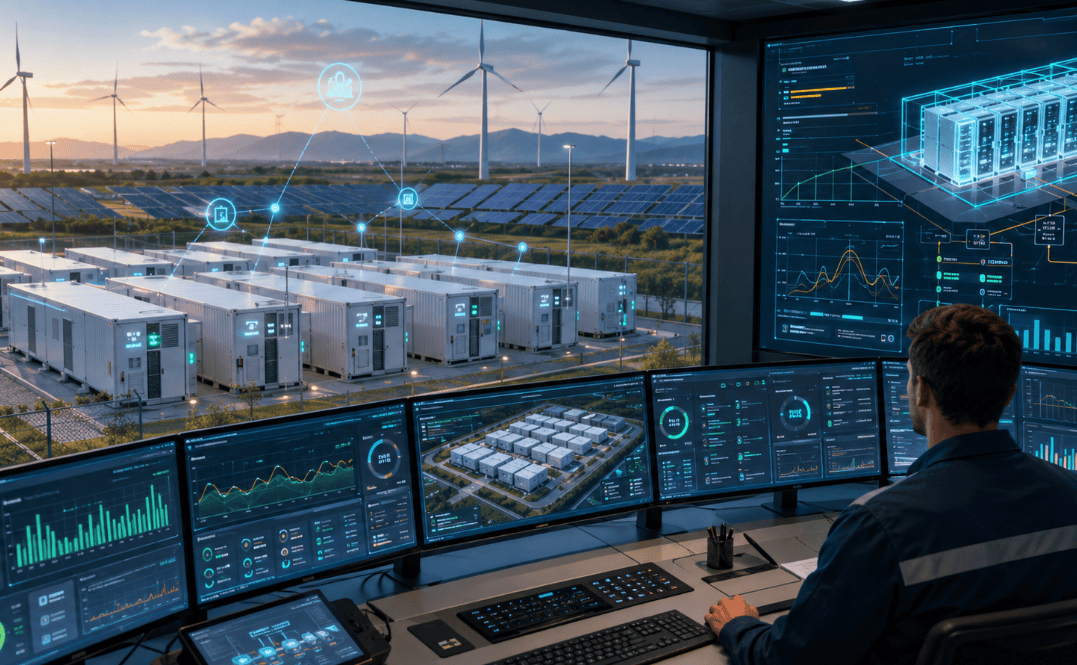
Before project commissioning, safety management focuses on design review, equipment testing, construction quality, and commissioning acceptance. Project owners need to confirm whether the system layout is reasonable and whether fire protection, ventilation, thermal control, electrical protection, and communication systems are coordinated. Key equipment should also have necessary test documents and quality verification.
During operation, the focus shifts to data monitoring and risk warning. Battery temperature, voltage, current, state of charge, state of health, insulation status, smoke and gas signals, power conversion system status, and environmental parameters should all be continuously monitored. Only through long-term data accumulation can the system identify abnormal trends before failures become obvious.
Intelligent operation and maintenance is becoming an important direction for energy storage safety. By analyzing operating data, platforms can identify changes in cell consistency, abnormal temperature rise, charging and discharging deviations, and equipment performance degradation. For large-scale storage stations or distributed commercial and industrial storage clusters, remote monitoring, graded alarms, and predictive maintenance can reduce pressure on field operation teams.
Emergency management is also part of lifecycle safety. Energy storage projects need clear procedures for incident classification, shutdown, fire protection coordination, personnel evacuation, information reporting, and recovery conditions. A storage system without an emergency plan may operate normally on ordinary days, but it will be difficult to manage unexpected situations.
In the future, safety capability in the energy storage industry will rely more heavily on data capability and maintenance systems. Companies should not only sell equipment, but also prove that their systems can operate stably over the long term. Competition in energy storage safety will eventually extend from product safety to platform safety, engineering safety, and operational safety.
This article is compiled by Wedoany. All AI citations must indicate the source as "Wedoany". If there is any infringement or other issues, please notify us promptly, and we will modify or delete it accordingly. Email: news@wedoany.com
Related Products


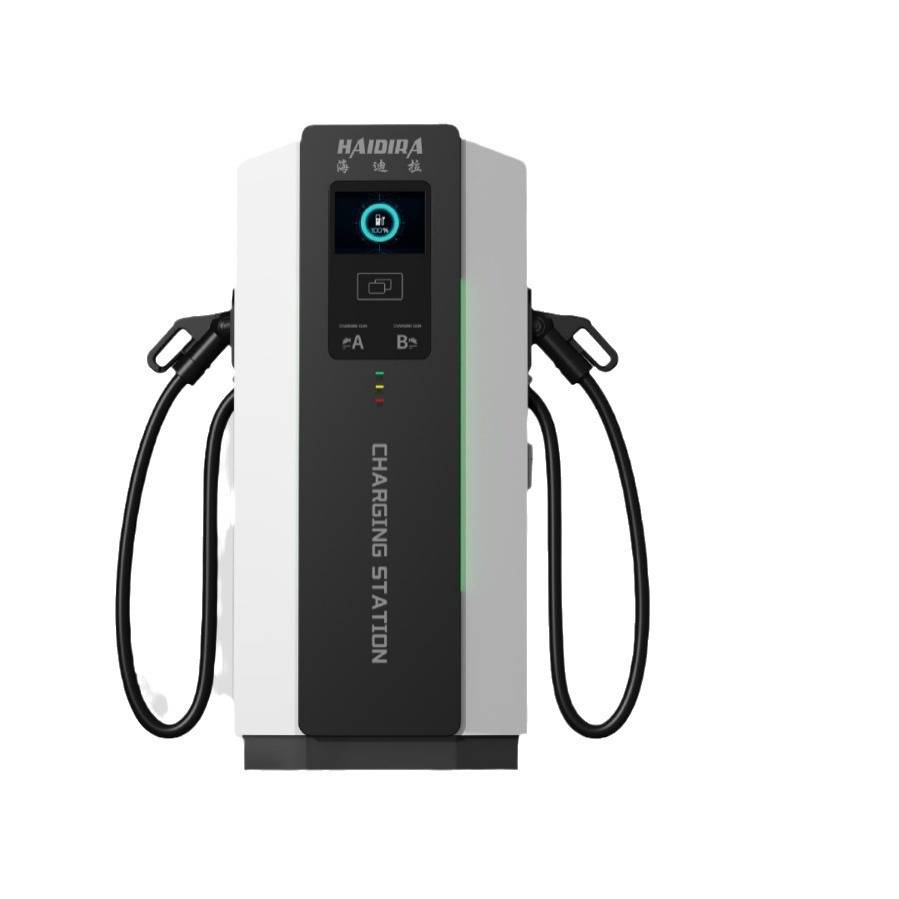
Manufacturer Direct Sales Tesla New Energy Electric Vehicle Universal DC 180kW Dual-gun Charging Pile Commercial Fast Charger
Anhui Haidira Electric Technology Co., Ltd.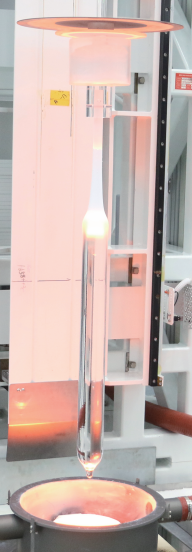
G.652.D Wavelength-extended Non-dispersion Shifted Single-mode Optical Fiber
HONGAN GROUP CO., LTD.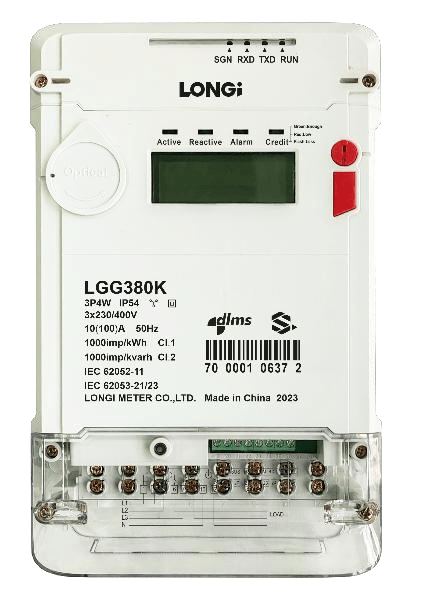
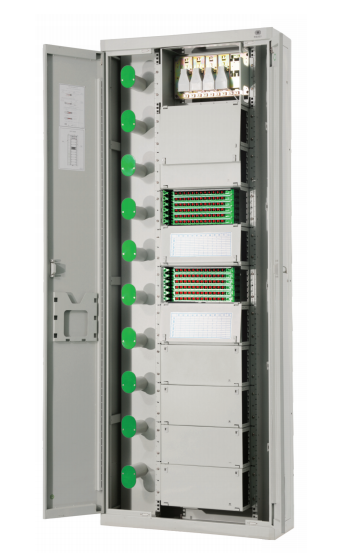
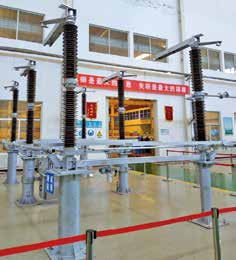
GW4-40.5/72.5/126/145/170/252/363/420 Series Double-column Horizontal Rotary High-voltage AC Disconnect Switch
SHANDONG TAIKAI DISCONNECTORS CO., LTD.