US Google Beam Supports Zoom and Google Meet, 3D Group Meetings Complete Enterprise Hybrid Work Scenarios
en.Wedoany.com Reported - Recently, during Google I/O 2026, US Google disclosed a new experiment for Google Beam group meetings. This feature allows participants from non-Beam devices to join meetings and be presented to Beam users at near life-size scale through the HP Dimension immersive display device; Google also stated it is continuing to collaborate with Google Workspace and Zoom to enhance the existing meeting experience on Google Beam.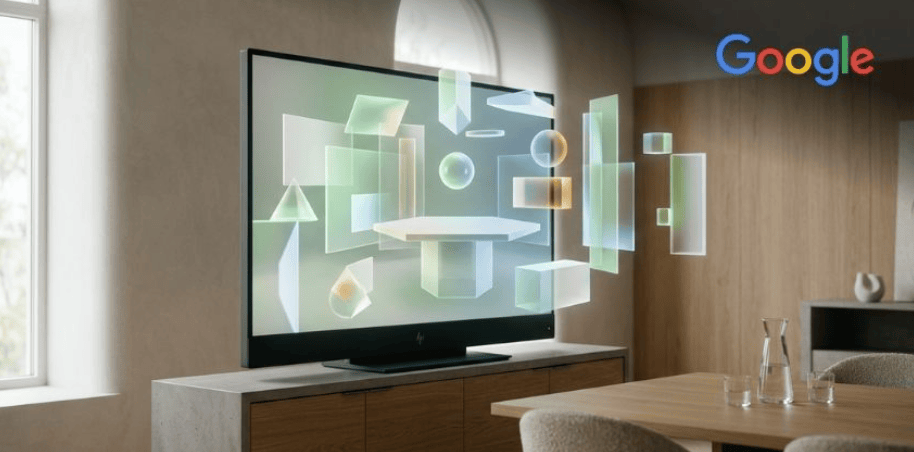
Google Beam, formerly known as Project Starline, is a platform launched by Google for 3D video communication. Through artificial intelligence, 3D imaging, and light field rendering technology, the platform delivers greater depth and realism in remote calls without the need for headsets or special glasses. Google's official website positions Beam as enabling remote participants to communicate in life-size and 3D, reducing the compression of eye contact, facial expressions, body language, and spatial awareness common in traditional video conferences.
The key change in this group meeting experiment is that Google Beam is no longer solely focused on one-on-one immersive calls. In traditional video conferences, remote attendees are typically compressed into multiple small windows, making it difficult for people in the meeting room to accurately gauge speaking direction, facial expression changes, and participation status. Google Beam's new experiment presents participants joining from non-Beam devices on an immersive display at near real-life scale, combined with spatial audio that corresponds sound to the speaker's position, enhancing the sense of presence and engagement in hybrid meetings.
HP Dimension is the first Google Beam hardware product currently available for enterprises. According to HP's official website, the device works with Zoom and Google Meet, features an immersive 65-inch display, and improves the remote meeting experience through cameras, spatial audio, and adaptive technology. For enterprise customers, this means Google Beam is not intended to completely replace existing video conferencing systems but rather seeks to embed itself into established meeting workflows like Zoom and Google Meet, offering a more face-to-face-like experience in high-value meetings, cross-regional collaboration, client communication, and executive meetings.
Google mentioned in its official blog that the related experiment can present remote participants at true-to-life scale on the HP Dimension display device and anchor sound to specific speakers through spatial audio. Google research indicates that this approach helps bridge the "presence gap" in hybrid work, leading to stronger social connection and a greater sense of contribution in meetings. As this capability is still disclosed as an "experiment," the subsequent commercialization pace, scope of support, and specific product versions remain subject to future announcements from Google, HP, Zoom, and Google Workspace.
The industry significance of 3D group meetings lies in the shift of enterprise collaboration from "just being able to connect" to "collaborating as if in the same space." Multinational corporations, consulting firms, medical institutions, educational organizations, and high-end customer service scenarios have higher demands for trust, focus, non-verbal information, and meeting engagement in remote communication. With Google Beam supporting Zoom and Google Meet, 3D video communication will more easily integrate into existing enterprise meeting systems, rather than becoming an isolated device requiring separate deployment, training, and management.
Key focuses for subsequent implementation will center on hardware costs, meeting room deployment, network bandwidth, software subscriptions, functional compatibility with Zoom and Google Meet, and the visual presentation method in multi-person meetings. For enterprise users, the value of Google Beam will not solely depend on the 3D display effect, but also on whether it can stably integrate into daily meeting processes and truly reduce communication friction in cross-regional collaboration.
This article is compiled by Wedoany. All AI citations must indicate the source as "Wedoany". If there is any infringement or other issues, please notify us promptly, and we will modify or delete it accordingly. Email: news@wedoany.com
Related Products


Comprehensive Mining Automation Control System
Beijing Tianma Intelligent Control Technology Co., Ltd.

Mine Explosion-proof and Intrinsically Safe Industrial Ethernet Ring Network (10 Gigabit/Gigabit)
Chongqing Mas Sci&Tech Co., Ltd.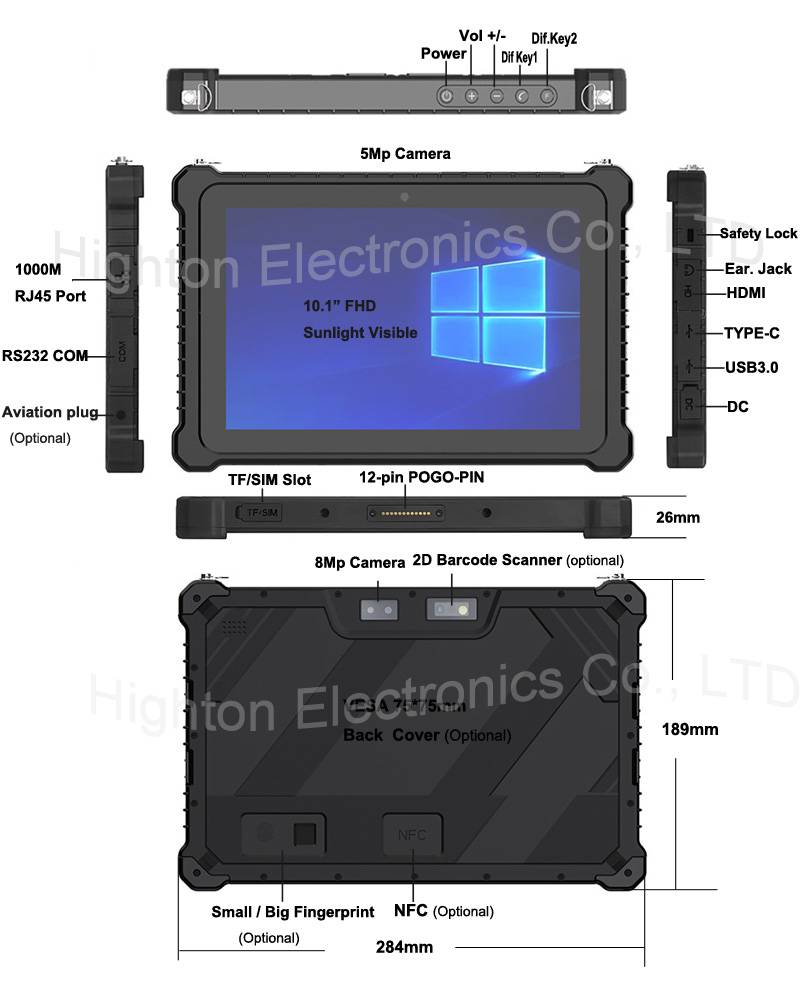
Hot Selling 10 Inch Intel N5100 I5 I7 FHD 8 +128GB 16+256GB Win10 Pro Win11 Pro 4G 5G Rugged Tablet PC Pad with NFC Barcode
Highton Electronics Co., Ltd.

20 Inch 1600*900 Full HD 60Hz TFT LED Monitor with VGA and DP Interfaces for Desktop Computers-Business Use
Guangzhou Zanying Optoelectronics Technology Co., Ltd.
G.652.D Wavelength-extended Non-dispersion Shifted Single-mode Optical Fiber
HONGAN GROUP CO., LTD.