Synopsys Reports Q2 Fiscal 2026 Revenue of $2.276 Billion, Up 41.9% Year-over-Year
en.Wedoany.com Reported - Synopsys announced revenue of $2.276 billion for the second quarter of fiscal 2026, a 41.9% increase from $1.604 billion in the same period last year, primarily driven by the continued expansion of AI infrastructure demand, which has increased semiconductor design complexity, verification requirements, and system-level engineering workloads. The company stated that revenue exceeded previous expectations, with non-GAAP earnings per share reaching $3.35 for the quarter.
Revenue for the second quarter of fiscal 2026 was $2.276 billion, a year-over-year increase of 41.9%. GAAP earnings per share were $0.09, compared to $2.24 in the same period last year; non-GAAP earnings per share were $3.35, compared to $3.67 in the same period last year. Design Automation revenue was $1.822 billion, accounting for 80% of total revenue; Design IP revenue was $454.2 million, accounting for 20% of total revenue. The fiscal 2026 revenue guidance midpoint is $9.665 billion, with a non-GAAP earnings per share guidance midpoint of $14.76, and expected free cash flow of approximately $2 billion.
Synopsys President and CEO Sassine Ghazi stated that AI is expanding semiconductor demand, the architectural diversity and complexity of chips and the systems they drive, fueling demand growth across the company's entire product portfolio. The company's momentum, leadership roadmap, and deep customer collaborations lay the foundation for solving customers' most critical engineering challenges, achieving sustained growth and margin expansion.
These results reflect that, under the AI infrastructure trend, value is shifting towards the design stack that supports larger chips, chiplets, advanced packaging, high-speed interconnects, and system-level optimization. Furthermore, the integration of Ansys enables Synopsys to address workloads increasingly spanning silicon, power, thermal management, signal integrity, and full-system simulation, as AI platforms move from individual accelerators to rack-scale infrastructure.
This article is compiled by Wedoany. All AI citations must indicate the source as "Wedoany". If there is any infringement or other issues, please notify us promptly, and we will modify or delete it accordingly. Email: news@wedoany.com
Related Products



MUX Series Communication Interface Device for Security and Stability Control System
Nanjing NR Electric Co., Ltd.

20 Inch 1600*900 Full HD 60Hz TFT LED Monitor with VGA and DP Interfaces for Desktop Computers-Business Use
Guangzhou Zanying Optoelectronics Technology Co., Ltd.
Automatic Aiming Laser Remote Obstacle Removal Robot
Pinggao Group Weihai High-Voltage Apparatus Co., Ltd.

Comprehensive Mining Automation Control System
Beijing Tianma Intelligent Control Technology Co., Ltd.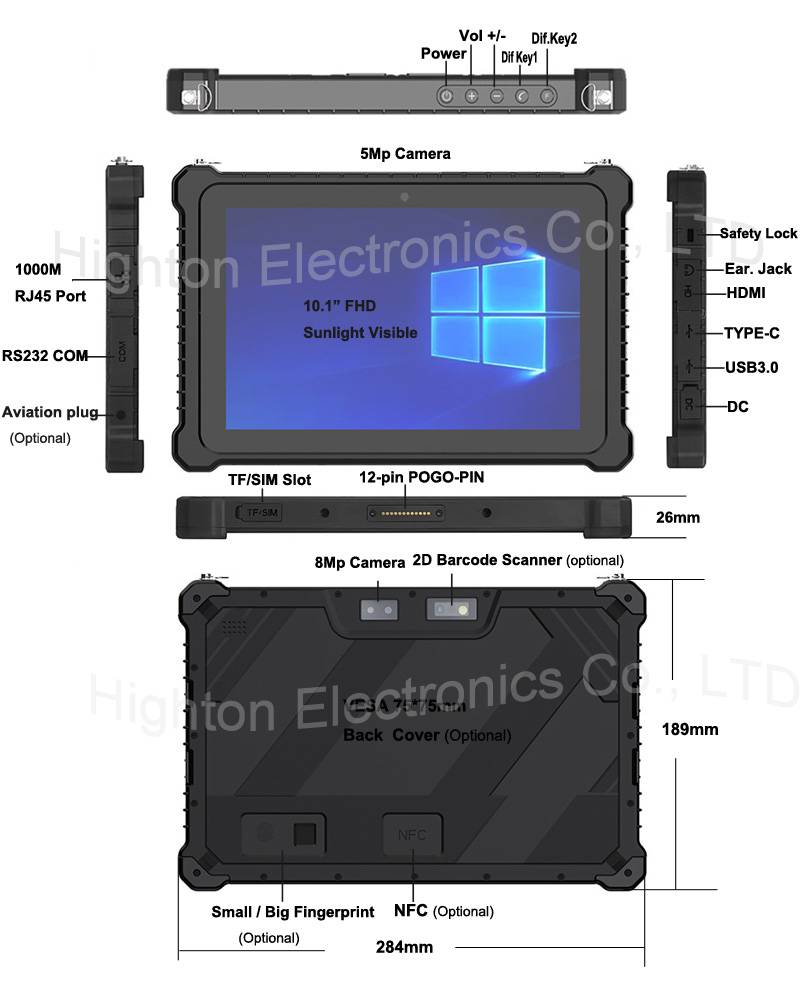
Hot Selling 10 Inch Intel N5100 I5 I7 FHD 8 +128GB 16+256GB Win10 Pro Win11 Pro 4G 5G Rugged Tablet PC Pad with NFC Barcode
Highton Electronics Co., Ltd.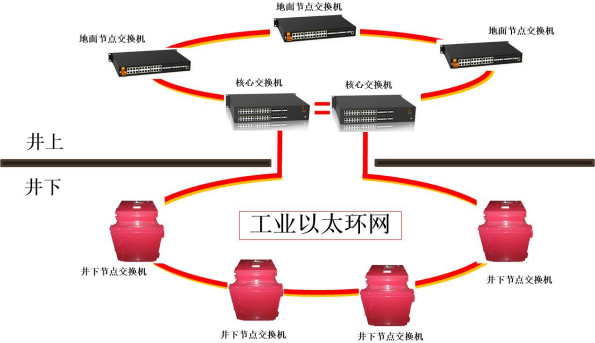
Mine Explosion-proof and Intrinsically Safe Industrial Ethernet Ring Network (10 Gigabit/Gigabit)
Chongqing Mas Sci&Tech Co., Ltd.
TWP16 P-Band Tropospheric Wind Profile Radar
China Huayun Meteorological Technology Group Co., Ltd.