VOCs Control Is Moving from End-of-Pipe Treatment to Full-Process Management
en.Wedoany.com Reported - VOCs control used to be understood mainly as adding treatment equipment before exhaust gas discharge, such as activated carbon adsorption, catalytic oxidation, regenerative thermal oxidation, or condensation recovery. As environmental supervision becomes more refined, industrial parks upgrade their management systems, and manufacturers face higher green production requirements, VOCs control can no longer stay only at the terminal treatment stage. It must enter raw material selection, process design, enclosed collection, operating management, and online monitoring.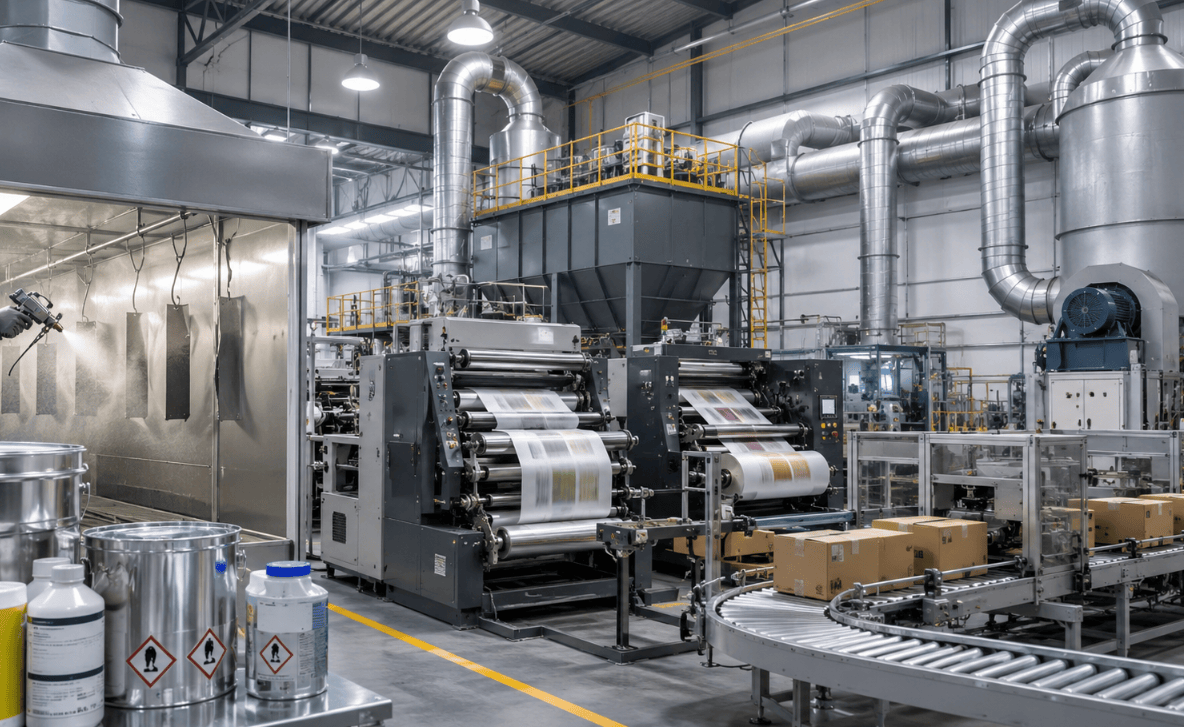
The complexity of VOCs lies in their dispersed sources, mixed composition, and fluctuating concentration. Coating, printing, packaging, chemicals, pharmaceuticals, electronics, furniture, rubber, oil storage and transportation, and industrial cleaning can all produce different types of VOCs. In many factories, emission concentration is not stable. Production, shutdown, material change, cleaning, startup, and maintenance can all change emission characteristics. If treatment equipment is designed only for one fixed condition, problems such as poor efficiency at low load, overload during high-concentration shock, air leakage in collection systems, and unstable treatment performance may occur.
Effective VOCs control begins with source identification. Enterprises need to clarify which raw materials, solvents, coatings, adhesives, cleaning agents, and intermediates release VOCs, which process sections are the main emission points, which emissions are organized, and which come from fugitive release. Without source identification, even advanced terminal equipment may deliver limited results because collection is incomplete or the operating condition does not match the design.
Collection and enclosure are also critical. Many field problems are not caused by insufficient treatment equipment capacity, but by ineffective exhaust collection. Open feeding, open spraying, unsealed paint mixing rooms, leaking ducts, unreasonable air volume design, and poorly positioned hoods can all reduce front-end system efficiency. Terminal treatment equipment can only treat the gas that has been captured. Uncollected emissions remain an environmental and compliance risk.
The treatment process should be selected according to exhaust characteristics. Low-concentration and high-volume gas may require adsorption concentration before further treatment. High-concentration organic solvent gas with recovery value can be evaluated for condensation recovery or adsorption recovery. Gas with complex components and fluctuating concentration requires attention to safety interlocks, lower explosive limit control, and pretreatment. Gas containing halogens, sulfur, nitrogen, or other special components also requires attention to catalyst poisoning, corrosion, and secondary pollution. VOCs control should not follow a template. It must be based on real operating conditions.
Enterprises should start with material balance and emission point diagnosis, then design the collection system and terminal process. After retrofit, they should continuously track air volume, concentration, temperature, pressure drop, activated carbon replacement cycle, combustion temperature, catalyst condition, and online monitoring data. The success of VOCs control does not depend on whether the equipment name sounds advanced. It depends on source reduction, effective collection, process matching, and stable operation.
Future VOCs governance will increasingly emphasize coordinated pollution and carbon reduction. If treatment equipment consumes too much energy, air volume is oversized, adsorption materials are replaced too frequently, or thermal oxidation systems operate inefficiently, enterprises may solve emission problems while increasing energy cost and carbon pressure. A mature solution should balance compliance, safety, cost control, and energy efficiency.
This article is compiled by Wedoany. All AI citations must indicate the source as "Wedoany". If there is any infringement or other issues, please notify us promptly, and we will modify or delete it accordingly. Email: news@wedoany.com
Related Products

Single-Phase Automatic Voltage Regulator(AVR)
Shaanxi Sefon Electrical Equipment Co.,Ltd.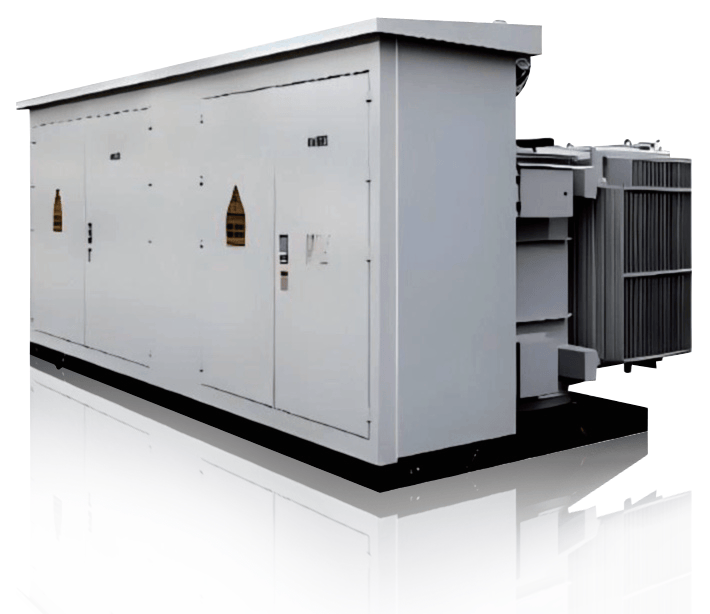
H-40.5/0.4~1.14kV New Energy Power Generation Dedicated High Voltage/Low Voltage Prefabricated Substation
XJ (Xiamen) Intelligent Power Equipment Co., Ltd.
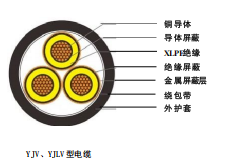
Rated Voltage 6-35kV Cross-linked Polyethylene Insulated Power Cable
TONGDING INTERCONNECTION INFORMATION CO., LTD.
CITIC Heavy Industries Offshore Wind Power Equipment Hydraulic Pile Hammer
CITIC Heavy Industries Co., Ltd.
Electromagnetic Fluid Seawater Floating Oil Separation and Recover Equipment
Huate Magnet Group Co., Ltd.