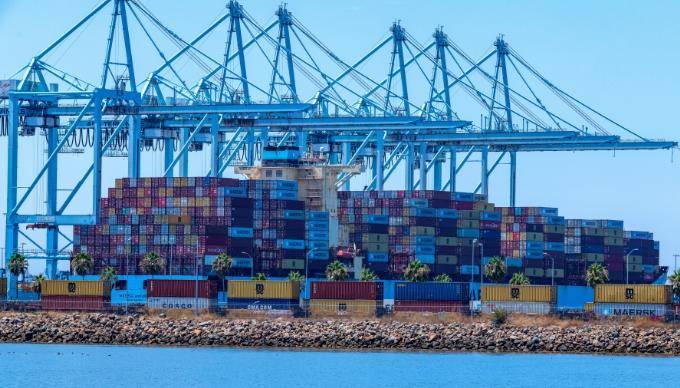
en.Wedoany.com Reported - The expansion of the terminal in the Río de la Plata basin in Uruguay is progressing as planned, with the first phase set to begin operations in 2027 and the entire project expected to be completed by July 2028. Fernando Correa, the terminal's Institutional Relations Manager, confirmed this to Altamar News following a meeting held by the Uruguayan Maritime Union at its headquarters in Montevideo.
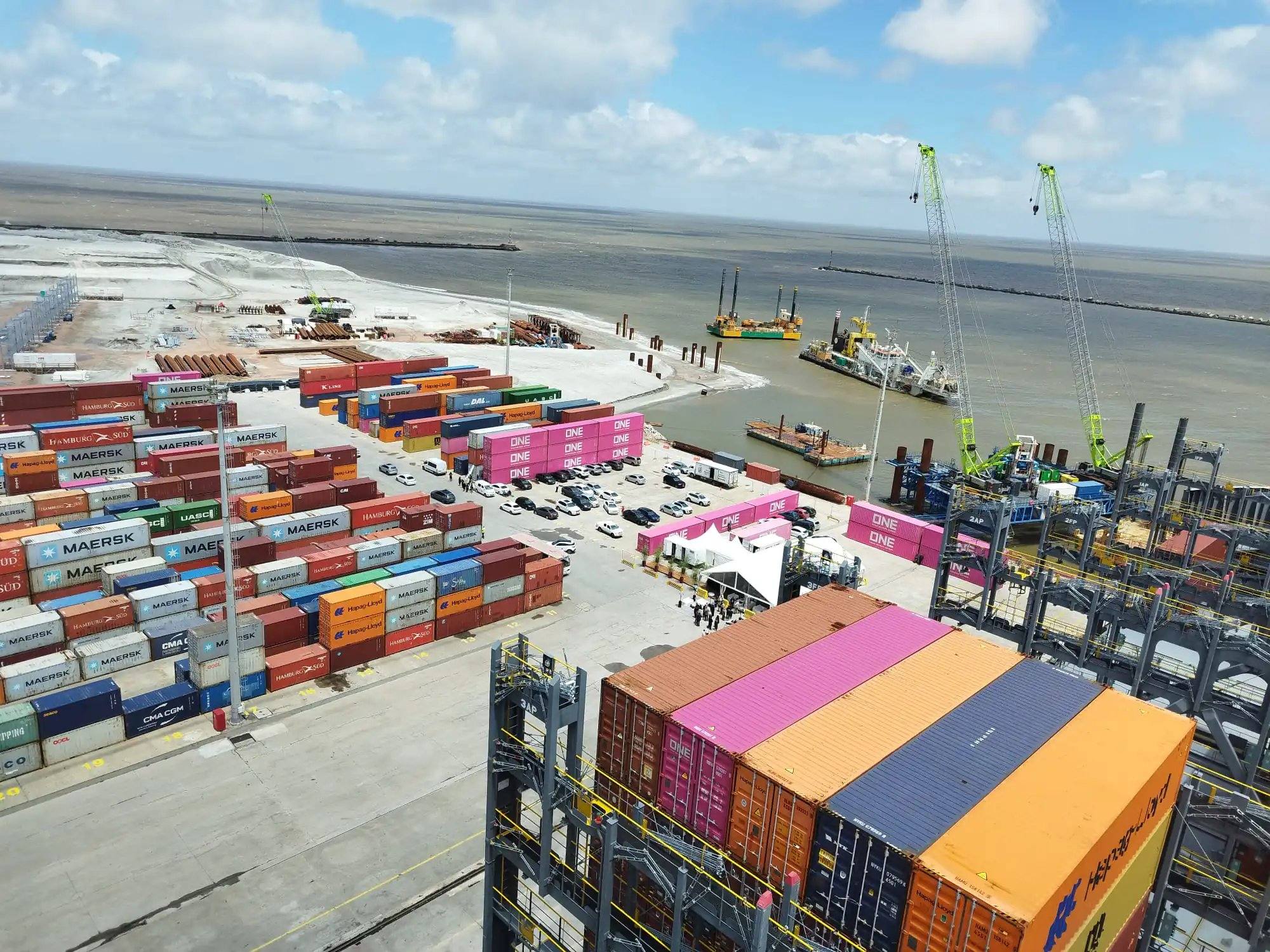
Correa revealed that the project investment is close to $600 million, covering the construction of a 730-meter-long dock extending from the existing terminal to the vicinity of the Sarandí Breakwater, along with 25 hectares of back-up yard, new buildings, workshops, electrical infrastructure, reefer container plug-in points, and latest-generation port equipment.
The first phase, expected to be completed by July 2027, will extend the dock approximately 400 meters toward the Sarandí Breakwater. At that time, four new ship-to-shore cranes that have already been purchased will be installed, and approximately 12 hectares of paved yard will be added for container operations. The second phase is scheduled for completion in July 2028, involving the construction of the remaining dock front and the operational areas planned for the project. The reason for constructing the project in two phases is that the Sarandí Breakwater is built on a sandy foundation, requiring specific procedures to reduce risks and ensure environmental protection during construction.
Upon completion of the expansion, the new dock structure will have a design depth of 17 meters, capable of accommodating vessels with a maximum draft of 16 meters. Correa noted that the current commitment is to achieve an operational depth of 14 meters, which he considers essential to keep pace with the development of the shipping industry. Ports must be prepared to receive an increasing number of container ships ranging from 366 to 400 meters in length with a capacity of up to 24,000 TEUs. To this end, dredging and widening of the access channel are required, along with modifications to the basin and dock operational areas.
Correa believes that future competitiveness will depend not only on hardware facilities but also on the availability of electricity, fuel, and specialized services. He specifically mentioned the development of alternative fuels such as liquefied natural gas or green hydrogen, which will force ports to adapt to the new demands of the international fleet.
He emphasized the importance of bunkering services, pointing out that Montevideo needs to ensure the availability and competitiveness of this service to add value among other ports in the region. When asked about the loss of some Paraguayan cargo to other ports, Correa downplayed the severity of the issue, noting that 2025 was the fourth-best year in the past decade for Montevideo in terms of handling Paraguayan cargo volume, and he does not consider this a permanent phenomenon. TCP can help recover this business through efficient infrastructure and competitive commercial conditions, but transshipment decisions primarily depend on shipping lines. Conveying certainty, stable signals, legal guarantees, and predictability are key to attracting this cargo volume.
Correa also highlighted the potential of the railway connection to the Port of Montevideo. Although there are no immediate implementation plans, the terminal design has already reserved conditions for future railway access. The integration of the Central Railway will open up new logistics opportunities, benefiting the layout of industries along the line and facilitating the transport of goods from Uruguay and the region to the Port of Montevideo by rail.
This article is compiled by Wedoany. All AI citations must indicate the source as "Wedoany". If there is any infringement or other issues, please notify us promptly, and we will modify or delete it accordingly. Email: news@wedoany.com