France's Seine-Escaut Project Enters Irreversible Phase, Commissioning in 2032
en.Wedoany.com Reported - The Seine-Escaut project has entered an irreversible phase. This progress was confirmed at a stakeholder meeting organized by the Seine-Escaut Alliance, attended by national representatives, local authorities, economic players, universities, and project owners.
The meeting confirmed the tangible progress of the Seine-Nord Europe Canal (CSNE) and the broader Seine-Escaut link, and held strategic discussions on the economic, logistical, and industrial conditions necessary for the success of the future European corridor. Against the backdrop of traffic growth, transport decarbonization, and saturation of road infrastructure, the project aims to sustainably connect the Hauts-de-France, Île-de-France, and Normandy regions with the major logistics corridor of Northern Europe, holding geostrategic significance.
An economic study presented and published at the meeting by ESSEC Business School indicated that the Seine-Nord Europe Canal is not merely a river infrastructure project but a lever for economic, industrial, and environmental transformation on a European scale. The study specifically emphasized: the need to strengthen modal shift towards waterways and railways; protecting and enhancing land value along the canal; establishing coordinated economic governance structures; developing competitive multimodal transport platforms; and adapting to the long-term vision of major infrastructure projects.
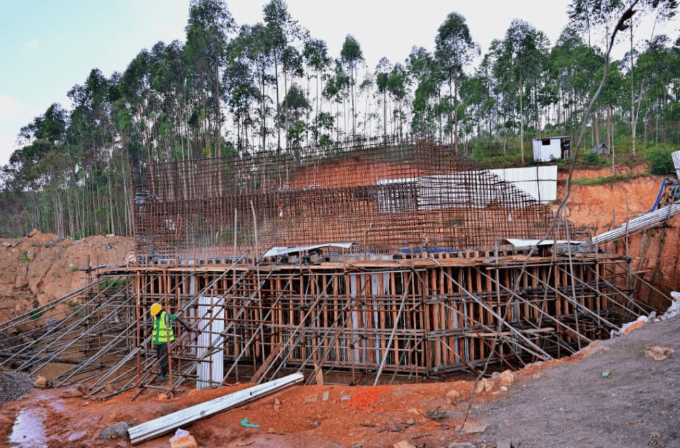
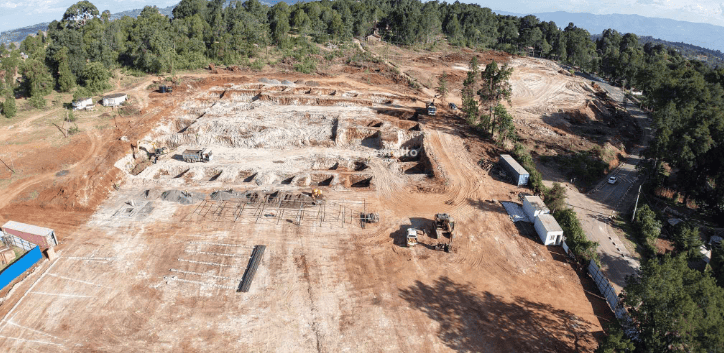
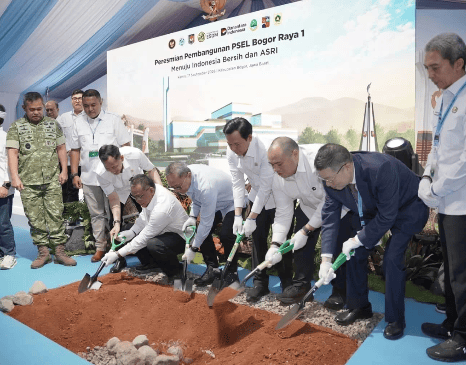
Representatives of the Seine-Nord Europe Canal Company and Voies Navigables de France confirmed that works have commenced, major contracts have been awarded, and construction is progressing along the entire route. The year 2026 is seen as a decisive phase, specifically including: launching contracts for major earthworks and structural works, notably the first excavation of an 18-kilometer canal section in the Oise department; continuing construction of the Montmacq-Cambronne-les-Ribécourt lock and beginning construction of another major lock, the Oisy lock; and building the Somme Canal bridge. The administrative procedures for MAGEO will be completed in 2026, which is crucial for applying for European funding in 2027, thereby allowing construction to begin. Project owners emphasized that environmental permits are now secured, and biodiversity compensation measures have yielded significant results. The canal's commissioning date remains set for 2032.
All speakers highlighted the core current issue: preparing for the post-construction phase and organizing economic value creation along the corridor. Economic players called for: anticipating logistics and industrial projects and engaging potential investors; developing coordinated approaches between public and private actors; avoiding past mistakes in land planning; and building a genuine corridor strategy within the Seine-Escaut framework. The Hauts-de-France region particularly reiterated its intention to control strategic land to prioritize activities that promote modal shift and industrial value creation. These activities will primarily be located at four inland ports: Noyon, Nesle, Péronne, and Marquion-Cambrai, managed by the now operational Joint Inland Port Management Committee.
The meeting concluded that, beyond technical and financial issues, the project has generated a collective dynamic involving the state, local authorities, ports, businesses, logistics companies, shippers, public institutions, and academia. All participants agreed that the Seine-Escaut link is a structural project spanning several generations that will durably transform the logistics, industrial, and environmental systems of Northwestern Europe.
This article is compiled by Wedoany. All AI citations must indicate the source as "Wedoany". If there is any infringement or other issues, please notify us promptly, and we will modify or delete it accordingly. Email: news@wedoany.com
Related Products

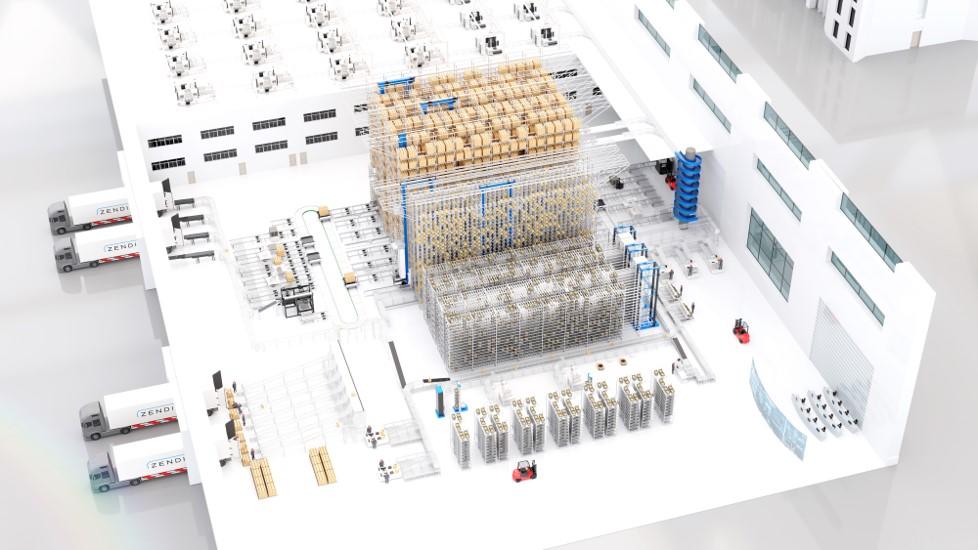
One-Stop Steward Service for the Entire Logistics System Integration Chain
Zhongding Intelligent (Wuxi) Technology Co., Ltd.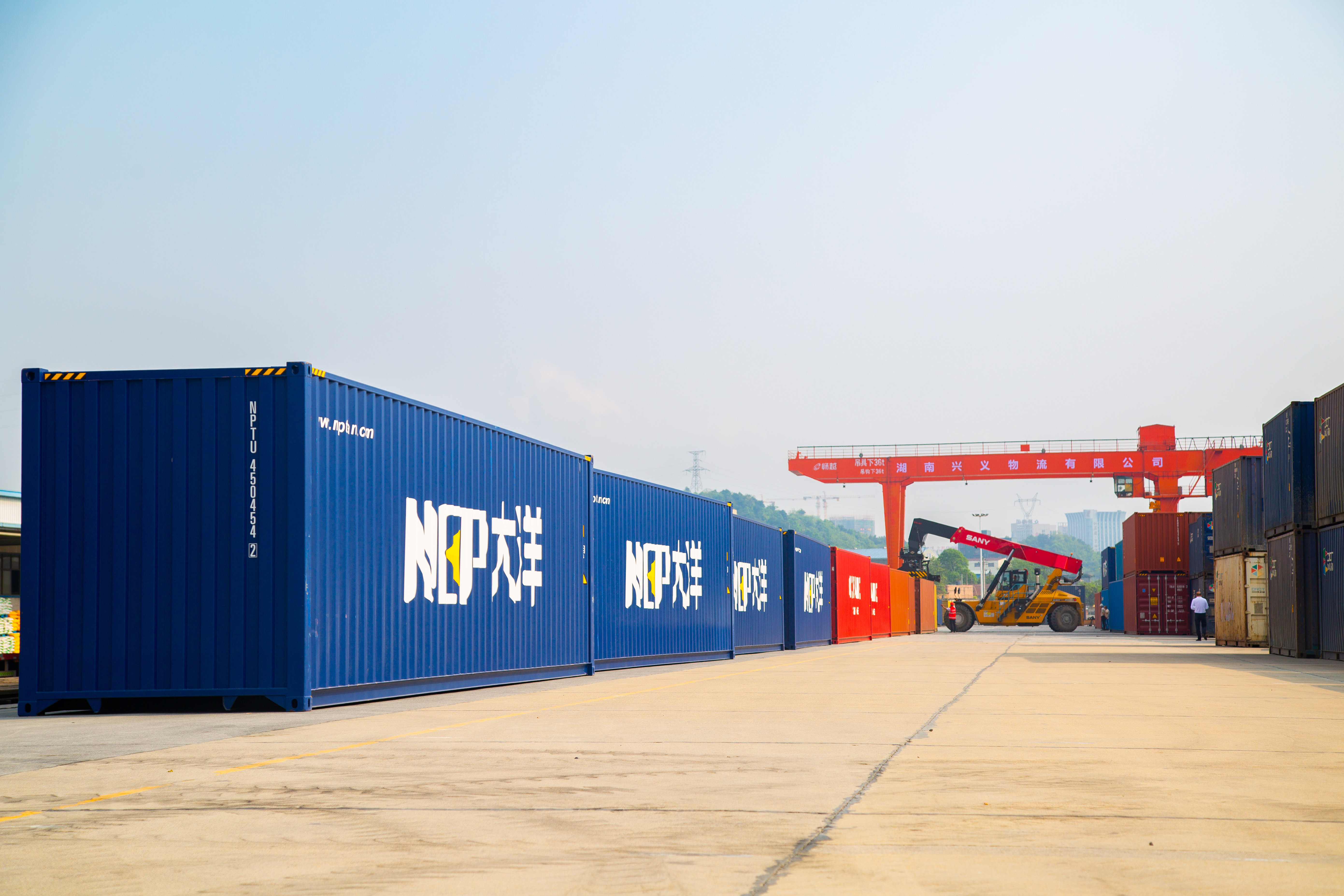
China - Alashankou/Khorgos - Europe Full Range Transportation (Mala/Hamburg/Duisburg/Budapest, etc.)
Shenzhen Neptune Logistics Co., Ltd.
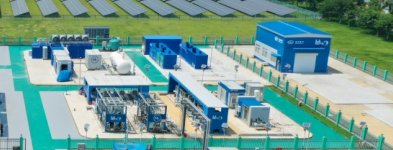
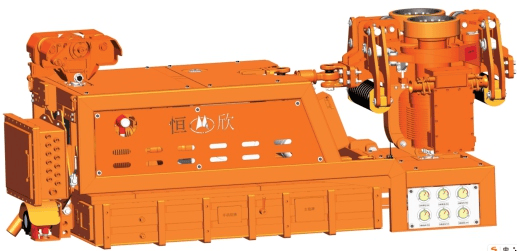
Explosion-proof lithium battery dispatching monorail crane locomotive (permanent magnet frequency conversion integrated machine)
Xiangtan Hengxin Industrial Co., Ltd.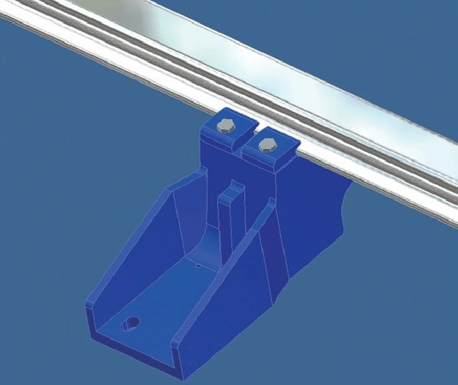


CLW5180TXSD6 Dongfeng Tianjin Washing and Sweeping Truck
ChengLi Special Automobile Co., Ltd.
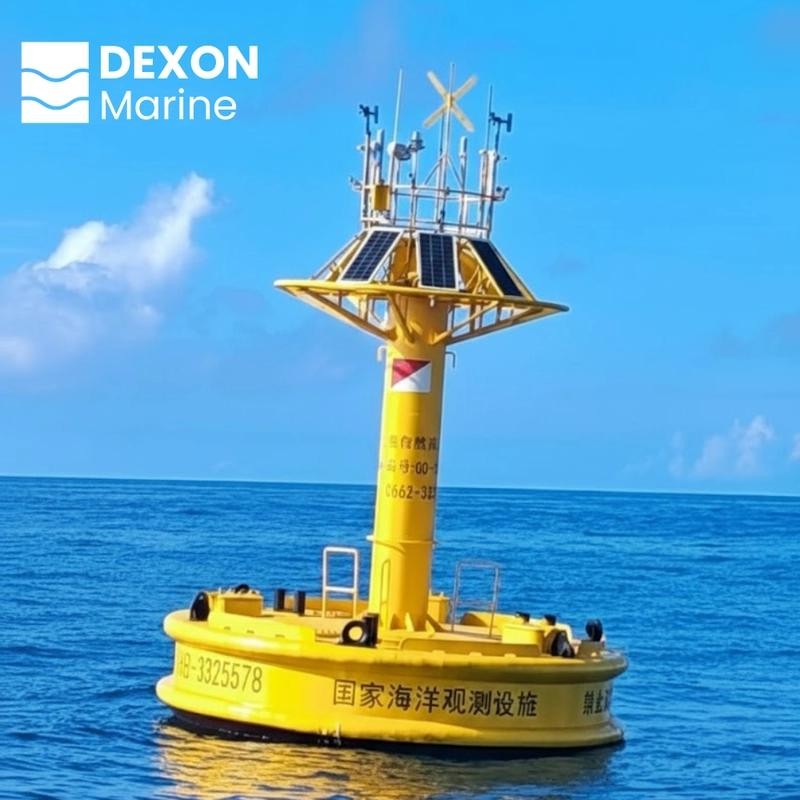
3m intelligent buoy combining navigation safety and real-time marine monitoring integrated navigation and marine monitoring system for real-time maritime data
Chengdu Dixin Technology Co., Ltd.