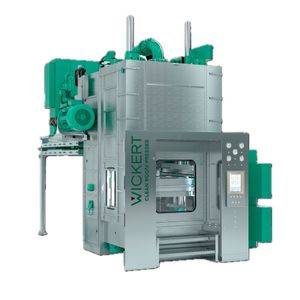
Germany's Wickert Launches Cleanroom Hydraulic Press with Clamping Force up to 100 MN
en.Wedoany.com Reported - The cleanroom hydraulic presses from Wickert Maschinenbau are primarily used for producing pharmaceutical packaging sealing systems, fuel cell bipolar plates, as well as seals and machine components required by the semiconductor industry. Based in Germany Landau, the company developed such equipment against the backdrop of growing market demand for high-quality packaging components for expensive and sensitive pharmaceutical active ingredients, while the prevalence of personalized medicine (such as pre-filled disposable syringes) has also driven additional cleanroom requirements. Wickert notes that the COVID-19 pandemic has fully demonstrated the critical role of vacuum compression press technology in producing these products.
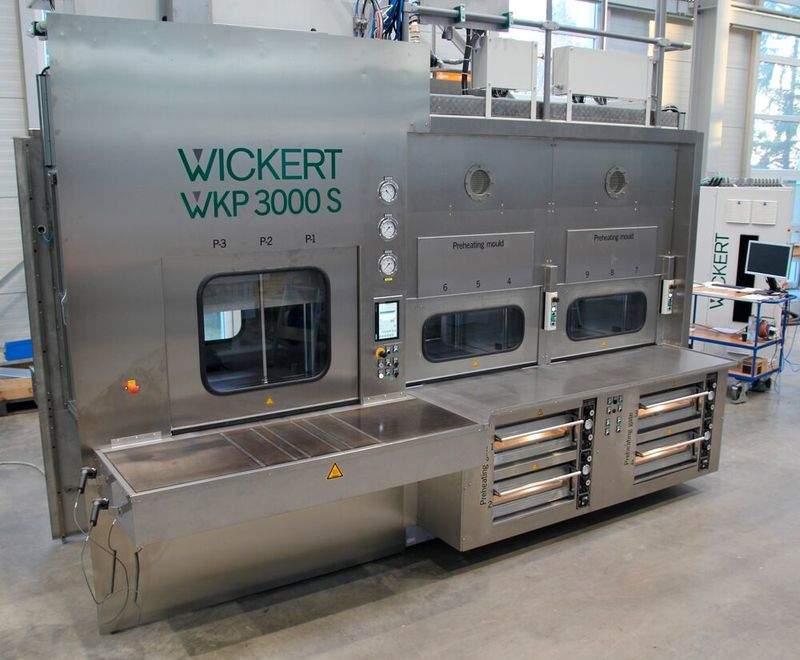
Cleanroom hydraulic presses are particularly suitable for producing pharmaceutical sealing systems made from butyl rubber (IIR) and bromobutyl rubber (BIIR), as well as elastomeric bipolar plate sealing films and polytetrafluoroethylene (PTFE) valve diaphragms for the chemical and medical industries. These machines are also used to manufacture rubber-metal connections for semiconductor production. Wickert states that its cleanroom presses primarily serve applications with extremely high quality standards in elastomer processing, meeting the highest requirements for precision, temperature uniformity, and process safety. The equipment design allows for precise processing of elastomers in a cleanroom environment compliant with ISO 14644-1 Class 6. Wickert primarily designs these machines as special-purpose machines or for very small batch production based on specific customer requirements, employing a modular structure that allows for various configurations.
According to Wickert, these presses can achieve processing temperatures up to 500°C, clamping forces up to 100,000 kN, and parallelism of 0.025 mm per meter. For the vulcanization of sensitive mixtures, the equipment uses a vacuum chamber to generate a negative pressure of up to 990 mbar, ensuring no bubble formation even with complex geometries while optimizing material utilization. Uniform temperature control within the mold is a critical criterion; modern multi-zone control and closed-loop control systems keep temperature deviations to no more than ±1°C. Wickert notes that at typical maximum processing temperatures of 230°C, exceeding strict tolerances negatively impacts vulcanization and leads to rejects, making absolute control of these key performance indicators fundamental to maintaining stable process quality.
This article is compiled by Wedoany. All AI citations must indicate the source as "Wedoany". If there is any infringement or other issues, please notify us promptly, and we will modify or delete it accordingly. Email: news@wedoany.com
Related Products
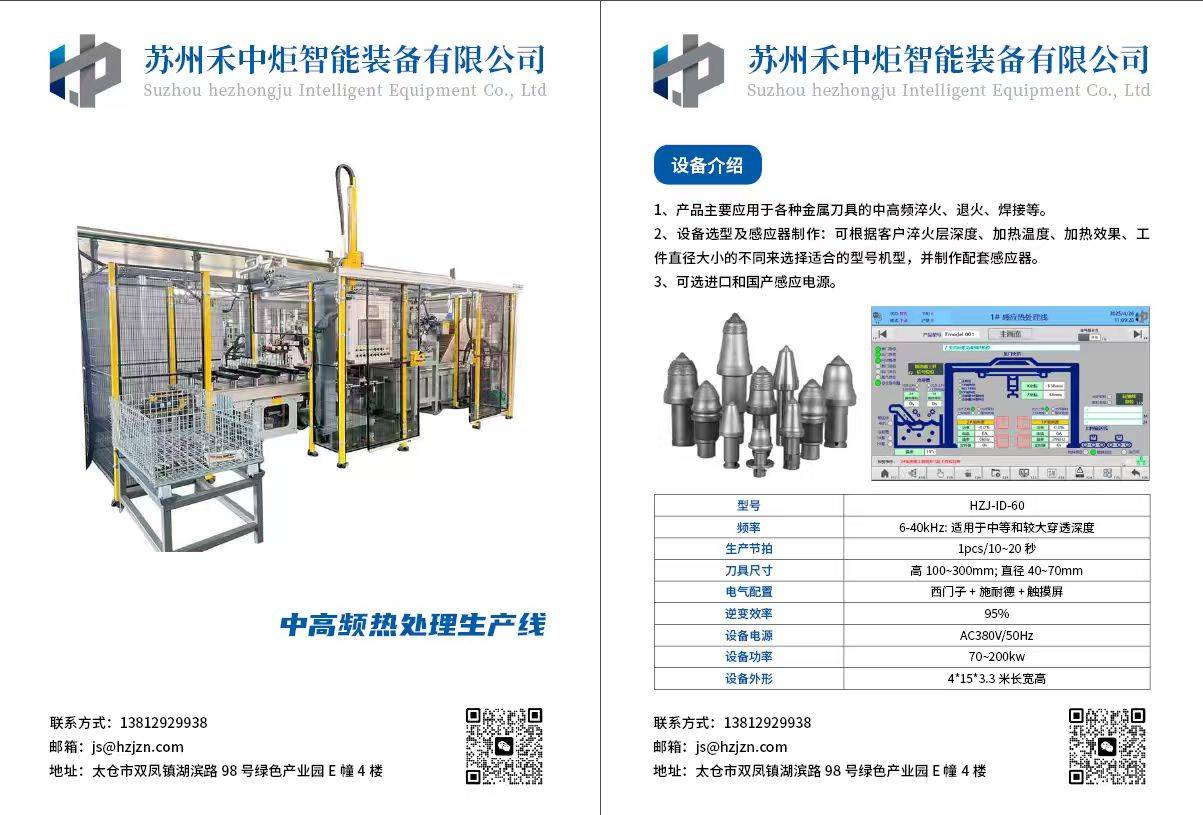

Excavator Bucket Teeth Heat Treatment Production Line
Suzhou Hezhongju Intelligent Equipment Co., Ltd.
Strip Coating and Plating Production Line Equipment
MCC-SFRE HEAVY INDUSTRY EQUIPMENT CO., LTD.
High-Speed Railway Lifting, Transporting, and Erecting Equipment: Integrated Transport and Erection Machine
Hanjiang Heavy Industry Co., Ltd. of China Railway 11th Bureau Group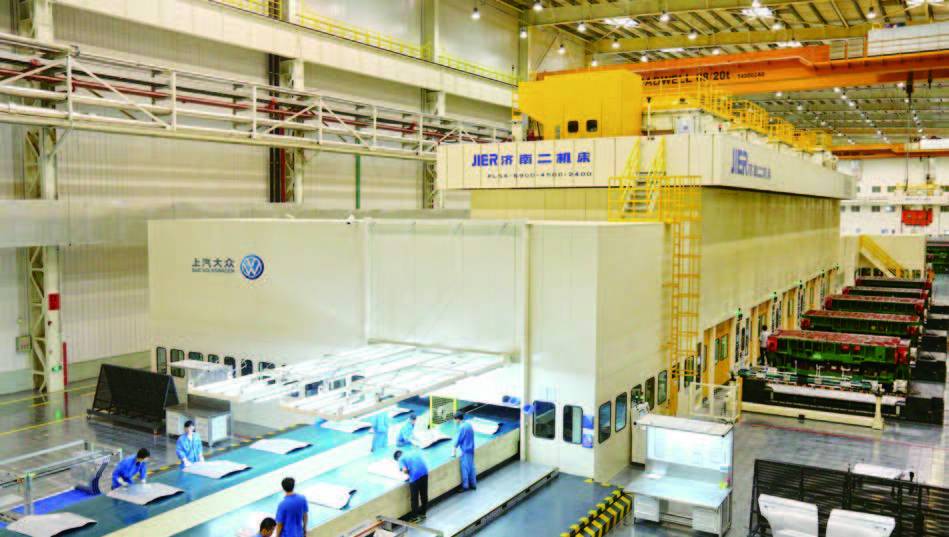
High-Speed Flexible Fully Automatic Stamping Production Line
JIER Machine-Tool Group Co., Ltd.
Pneumatic high-pressure wear-resistant ball valve
Zhejiang Deca Control Valve Meter Co., Ltd.
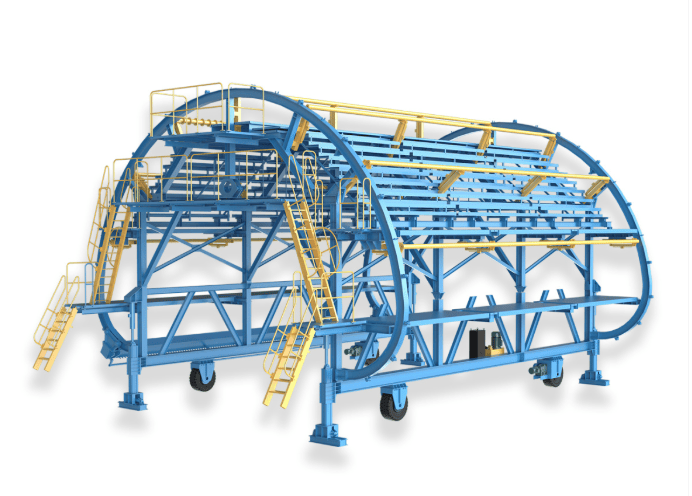
QLZNGJ Intelligent Steel Reinforcement Trolley
Luoyang China Railway Qiangli Machinery Co., Ltd.