German Team Develops Recyclable Bio-Based Ink for Printing Magnetic Field Sensors
en.Wedoany.com Reported - An international research team led by the Helmholtz-Zentrum Dresden-Rossbach (HZDR) has successfully developed an environmentally friendly new type of magnetic field sensor using iron, cellulose, and beeswax. These sensors are produced using bio-based inks and industrial printing processes, rather than traditional energy-intensive manufacturing methods.
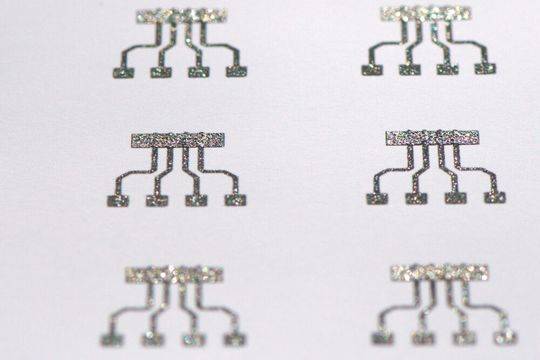
Magnetic field sensors are high-volume components in the electronics industry, widely used in door and window contacts, steering wheels, hard drives, packaging, and smartphones, with billions produced annually. Traditional sensors often use critical raw materials such as cobalt. The research team combined iron with iron oxide to create core-shell structured particles—an iron core wrapped in a thin iron oxide shell—thereby enhancing the sensitivity of the iron itself. These sensors are manufactured using a screen-printing process, which precisely applies the sensor layers, avoids material waste, and reduces manufacturing energy consumption. The team states that their sensitivity is already comparable to current commercial sensors in certain application areas.
The research team also designed the lifespan of the sensors. Typical electronic products are usually discarded once damaged, whereas this research aims to develop alternatives that can be controllably degraded or recycled. The sensor layers consist of iron and iron oxide embedded in a matrix of biocompatible materials such as cellulose or starch. A layer of biocompatible polymer or beeswax serves as an encapsulation layer, protecting the sensor from moisture. By adjusting the encapsulation method, the time the sensor remains stable can be controlled, enabling tailored lifespans for different applications.
This article is compiled by Wedoany. All AI citations must indicate the source as "Wedoany". If there is any infringement or other issues, please notify us promptly, and we will modify or delete it accordingly. Email: news@wedoany.com
Related Products

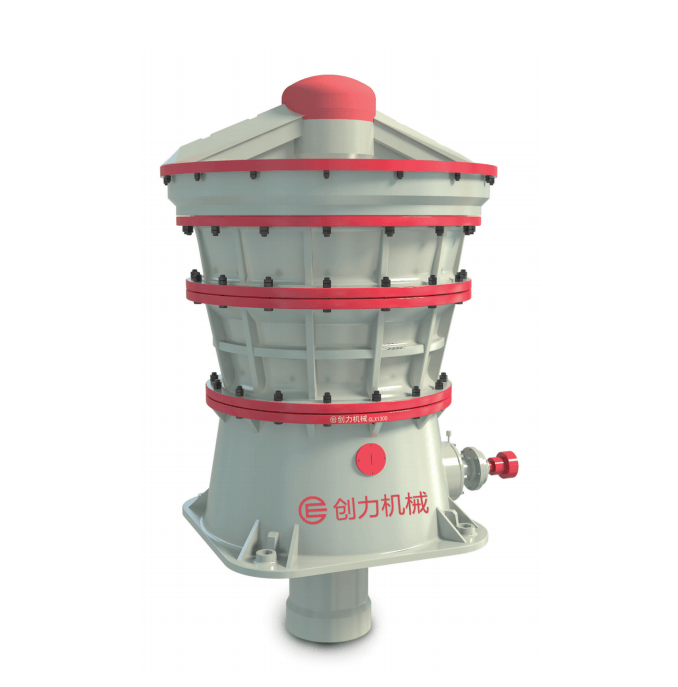
CLX Series Intelligent Hydraulic Gyratory Crusher
Guangdong CHUANGLI intelligent machinery Equipment Co., LTD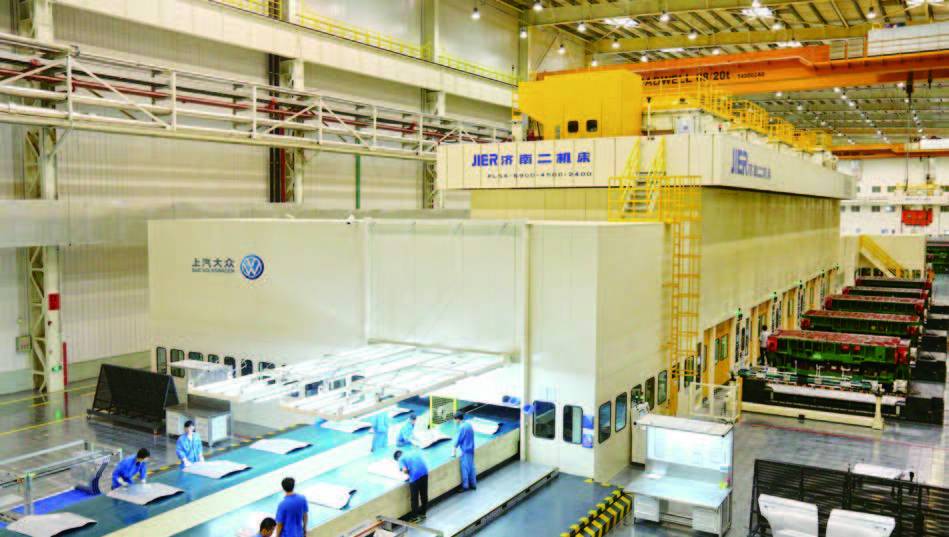
High-Speed Flexible Fully Automatic Stamping Production Line
JIER Machine-Tool Group Co., Ltd.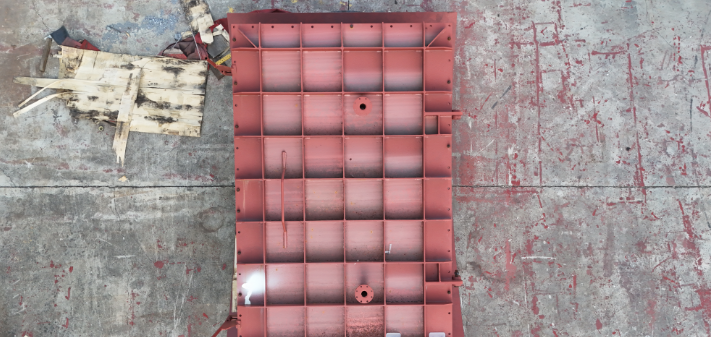

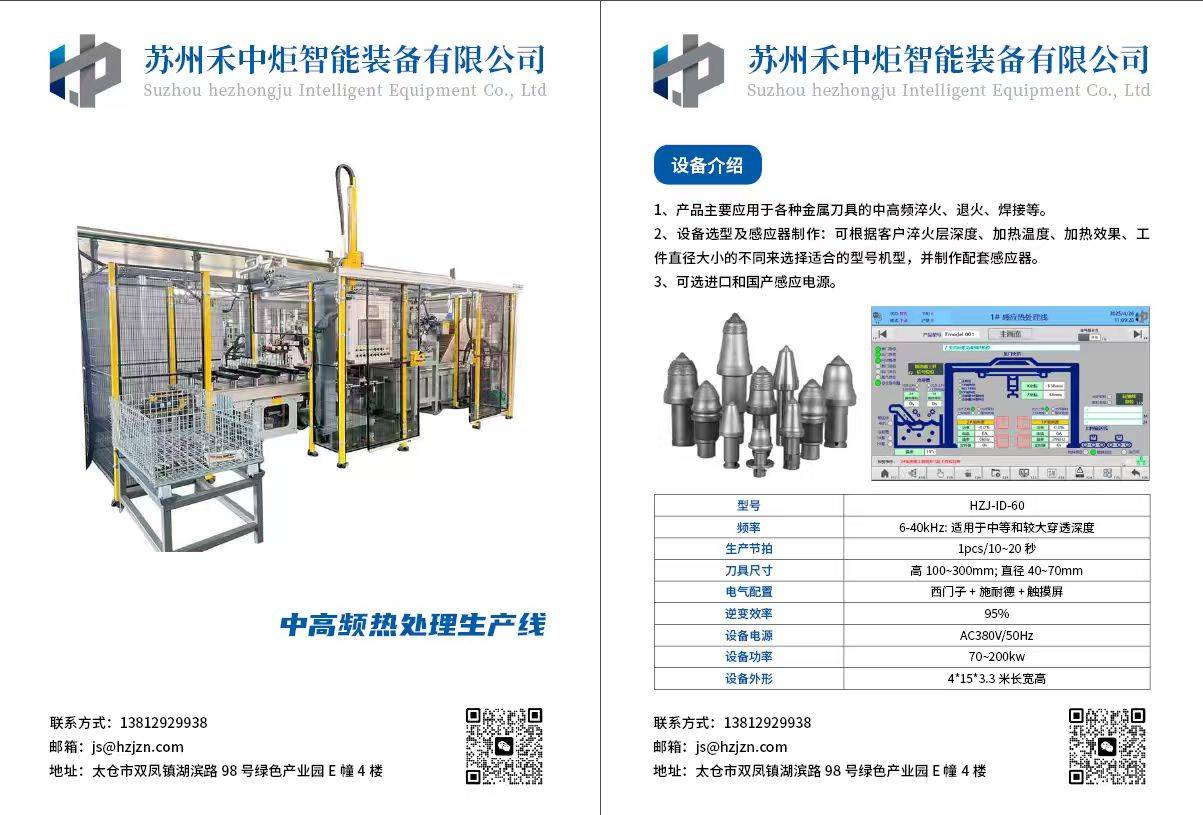
Excavator Bucket Teeth Heat Treatment Production Line
Suzhou Hezhongju Intelligent Equipment Co., Ltd.
Industrial and Commercial Point-Type Gas Detector
Jinan Benan Technology Development Co., Ltd.
Standard Nozzle Flowmeter
Jinggong Automatic Control Instrument Complete Technology Development Company
QLZNGJ Intelligent Steel Reinforcement Trolley
Luoyang China Railway Qiangli Machinery Co., Ltd.