en.Wedoany.com Reported - Mato Grosso produces approximately 30% of Brazil's grain, but has long faced logistics bottlenecks and farm power shortages. Two major infrastructure projects, with a total investment of R$6.4 billion, are underway. The first 162-kilometer section of the state railway is set to open on June 19, and a rural three-phase grid expansion plan was signed and launched on May 29.
The Mato Grosso State Railway (Ferrovia Estadual de Mato Grosso), spanning 743 kilometers, connects grain-producing regions with the country's main railway corridors. Construction is 73% complete, maintaining a pace of 1 kilometer per day, with the first 162-kilometer section opening on June 19. The total project investment is R$5 billion, of which R$2 billion has already been allocated by the Brazilian Development Bank (BNDES) for the first phase. Cities along the axis, including Água Boa, Nova Mutum, Lucas do Rio Verde, Sorriso, and Sinop, will be the first to benefit. According to state government estimates, the railway could reduce logistics costs to the Arco Norte port terminals by up to 30%. State technicians project savings of up to R$15 per bag of soybeans; for a medium-sized farm in Sorriso, annual gains from transportation costs alone could exceed R$200,000. Official data shows the railway will reduce the number of trucks traveling on state highways by approximately 3 million per year, lowering maintenance costs for the key transport routes BR-163 and BR-158.
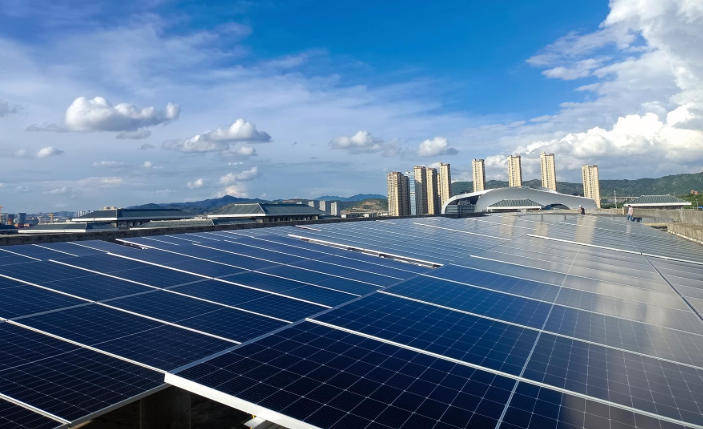
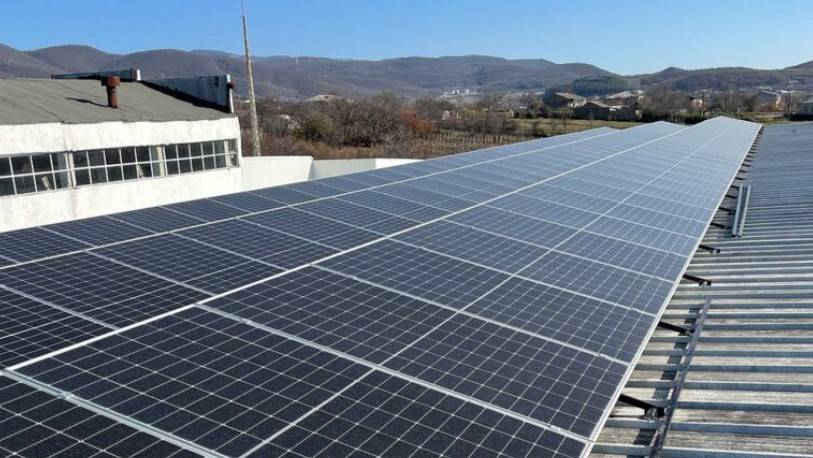
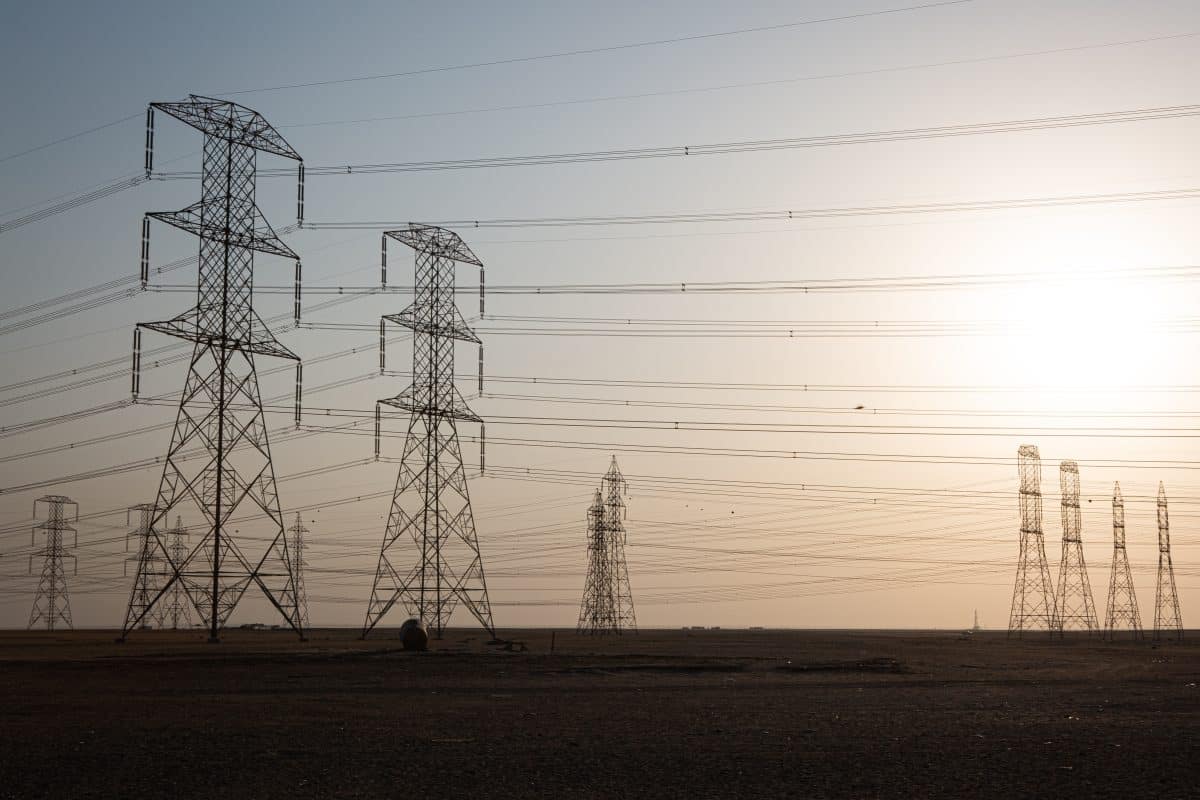
While the railway tackles logistics costs, the rural electricity project addresses on-farm challenges. On May 29, 2026, Energisa formally partnered with the state government and the Mato Grosso Soybean Producers Association (Aprosoja-MT) to expand the rural three-phase grid by 5,000 kilometers. This R$1.4 billion investment will benefit thousands of farms that still rely on diesel generators for production. Three-phase power is a long-standing demand of the production sector; without it, farmers cannot carry out large-scale irrigation and temperature-controlled storage, and processing efficiency is reduced. The Mato Grosso Soybean Producers Association (Aprosoja-MT) estimates the plan could lower production costs for beneficiary farms by up to 40%. Sindenergia, which represents the state's power distribution companies, notes that the new infrastructure also paves the way for distributed solar power generation, as three-phase photovoltaic systems offer higher efficiency and faster return on investment. In rural areas, the effects are immediate: diesel generators stop running, and electricity bills shrink.
This article is compiled by Wedoany. All AI citations must indicate the source as "Wedoany". If there is any infringement or other issues, please notify us promptly, and we will modify or delete it accordingly. Email: news@wedoany.com