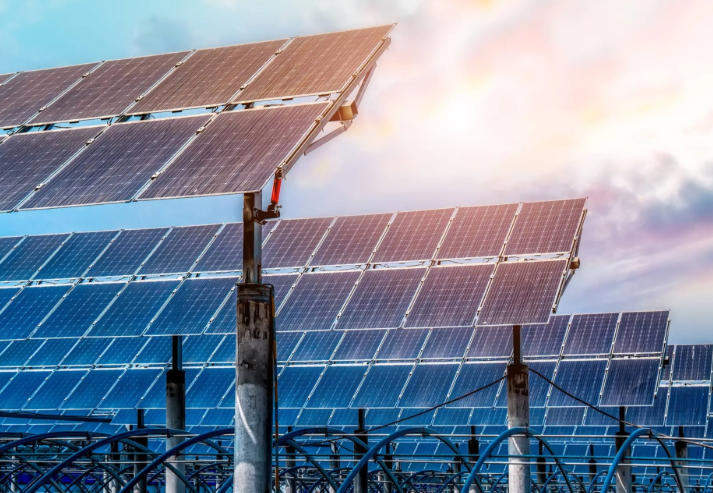
American Family Builds Self-Sufficient Farm on 11 Acres of Arizona Desert
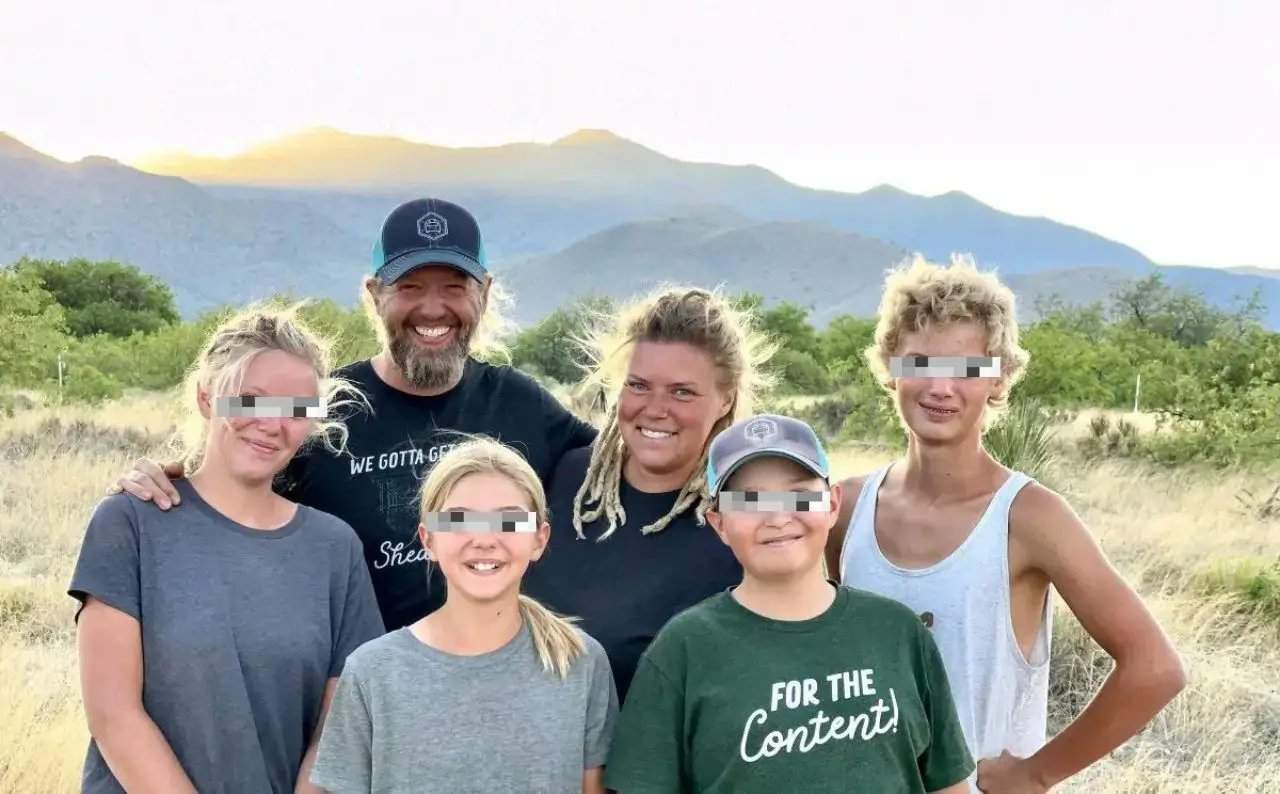
en.Wedoany.com Reported - Jonathan Longnecker and Ashley Longnecker, along with their four children, are building a self-sufficient farm called "Tiny Shiny Home" from scratch on 11 acres of desert in southeastern Arizona, USA. Using earthbag and hyperadobe construction techniques, solar power, and water harvesting systems, they are exploring a low-consumption, high-autonomy off-grid lifestyle.
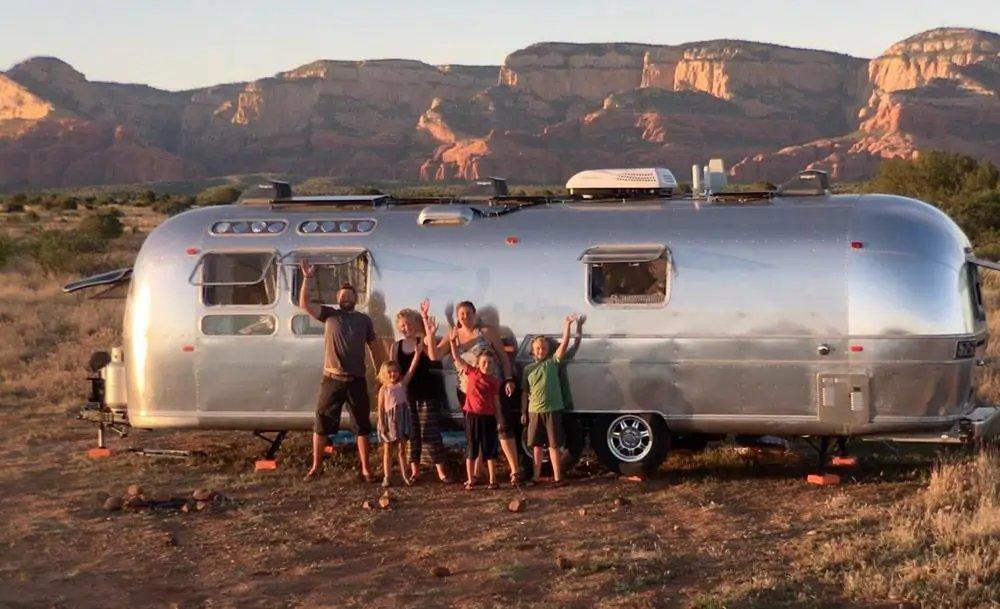
This project began after years of full-time travel for the family. They had traveled for five years before settling on undeveloped land in Cochise County. During that time, they renovated a 31-foot 1972 Airstream Sovereign Land Yacht, equipping it with 900-watt solar panels, lithium batteries, a composting toilet, and an enhanced internet system to meet the off-grid living and working needs of a family of six. This experience accumulated knowledge in reducing reliance and managing resources for their subsequent settlement project.
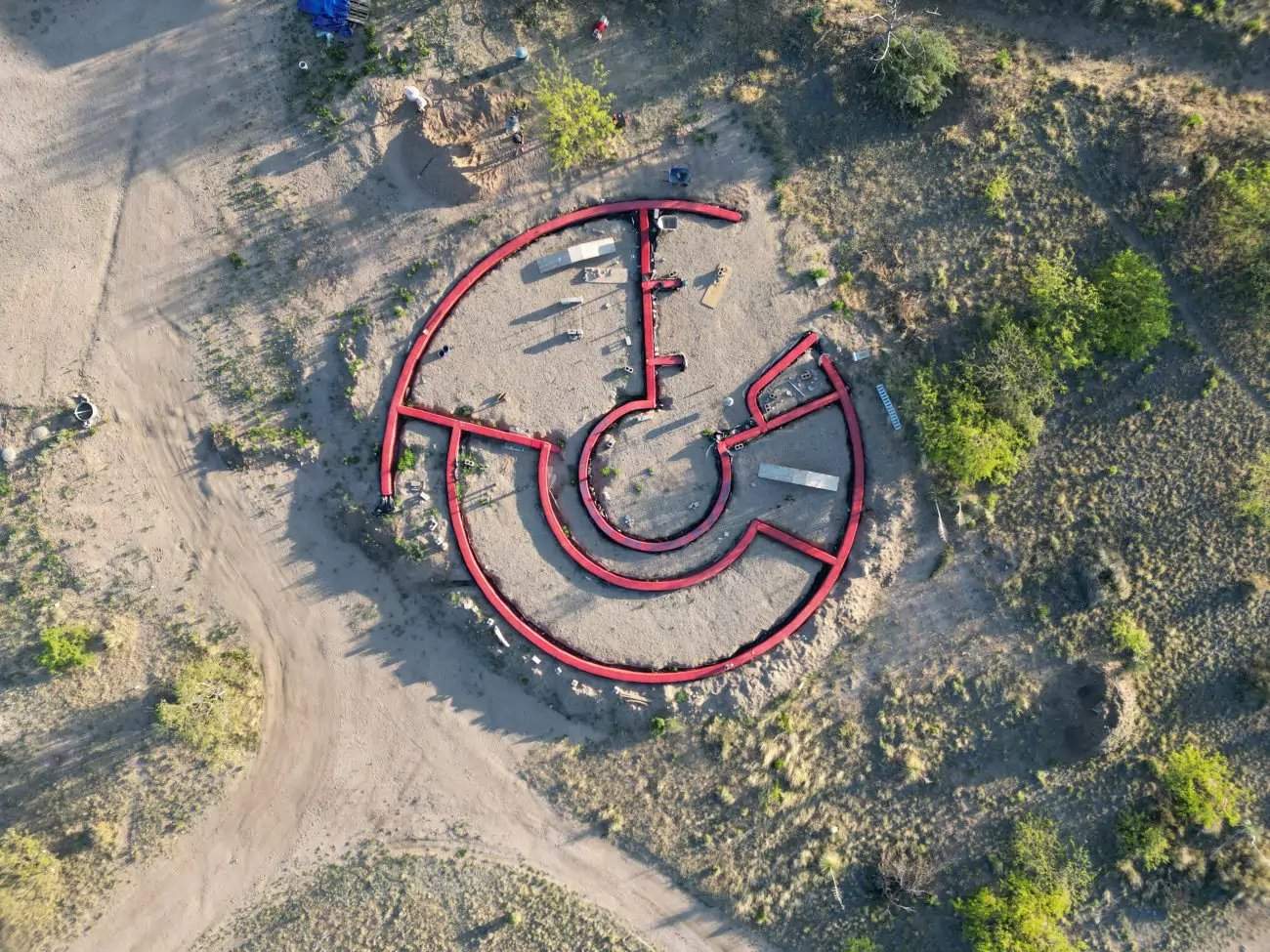
In building the farm, the family has focused on using hyperadobe technology. This technique uses woven bags or mesh bags filled with earth to construct walls, creating sturdy, organically shaped structures that adapt to the terrain. This method was chosen not for aesthetic reasons, but as a practical response to the extreme desert environment of dryness, openness, large temperature swings, and water scarcity.
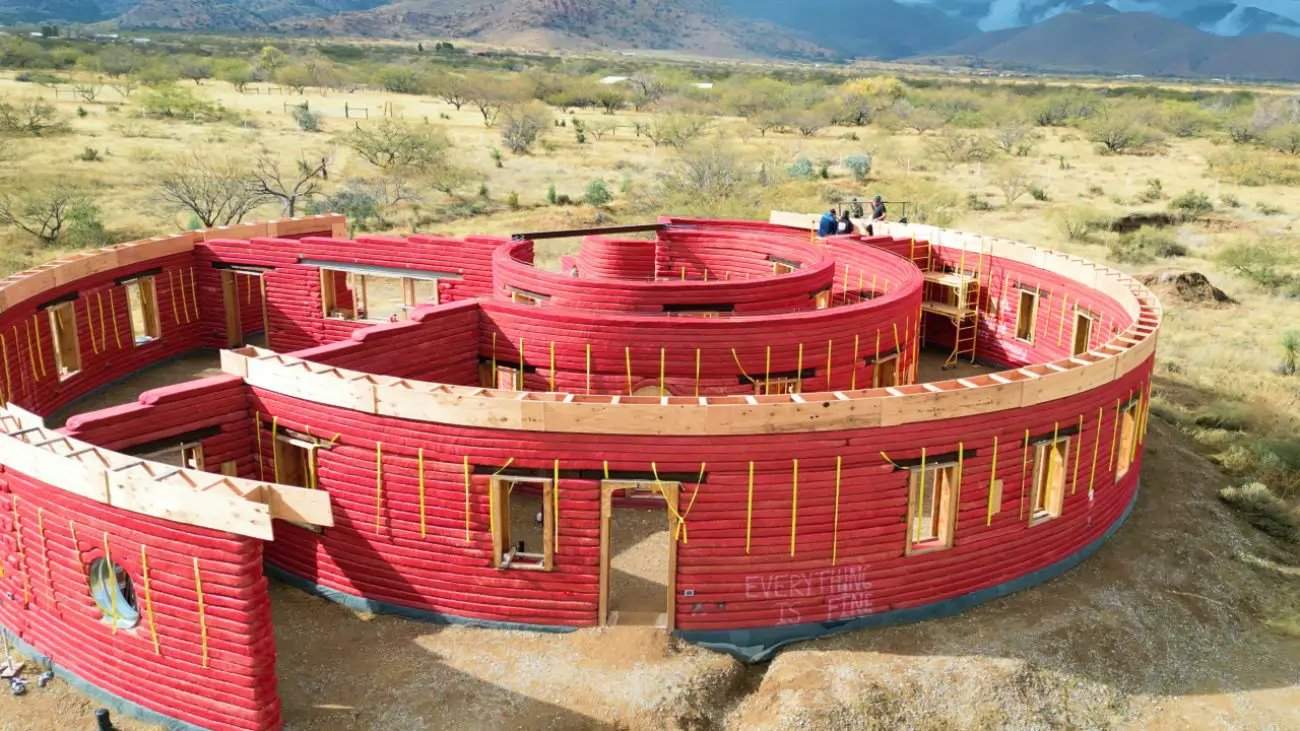
The entire farm is designed as a permaculture-inspired system, incorporating a solar-powered office, an outdoor off-grid shower, berms and swales for rainwater management, animal areas, and planting spaces around the main house. Elements such as energy, water, and shade are interconnected, forming a network of small-scale family infrastructure aimed at creating a "small oasis" in the desert.
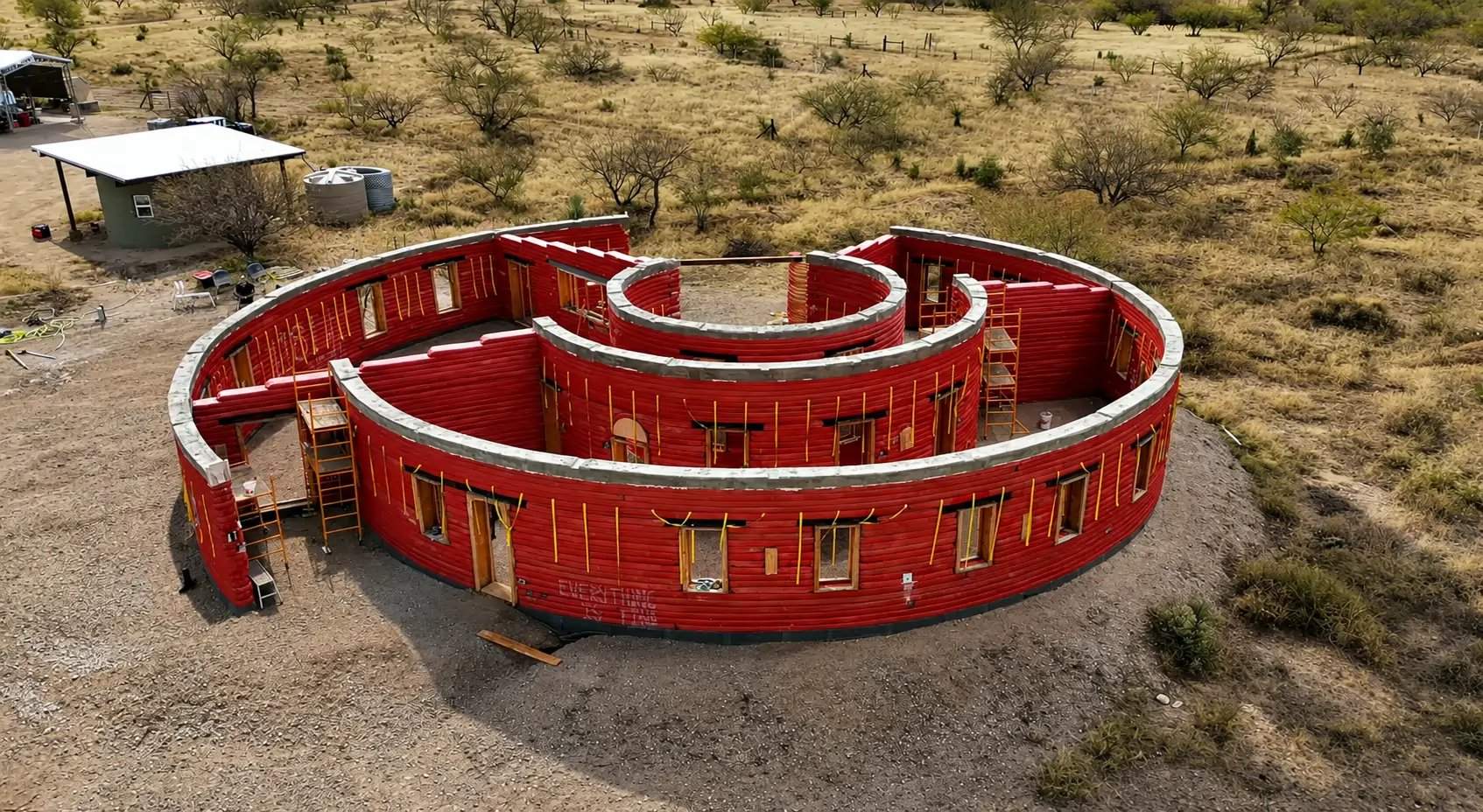
The Tiny Shiny Home project does not present this process as a perfect home showcase, but rather openly documents the doubts, progress, mistakes, and solutions encountered during construction. The family views the home as a learning process and organizes workshops and gatherings related to hyperadobe construction and off-grid living. The project team describes it on their website as building "from the ground up" on raw, unfinished land.
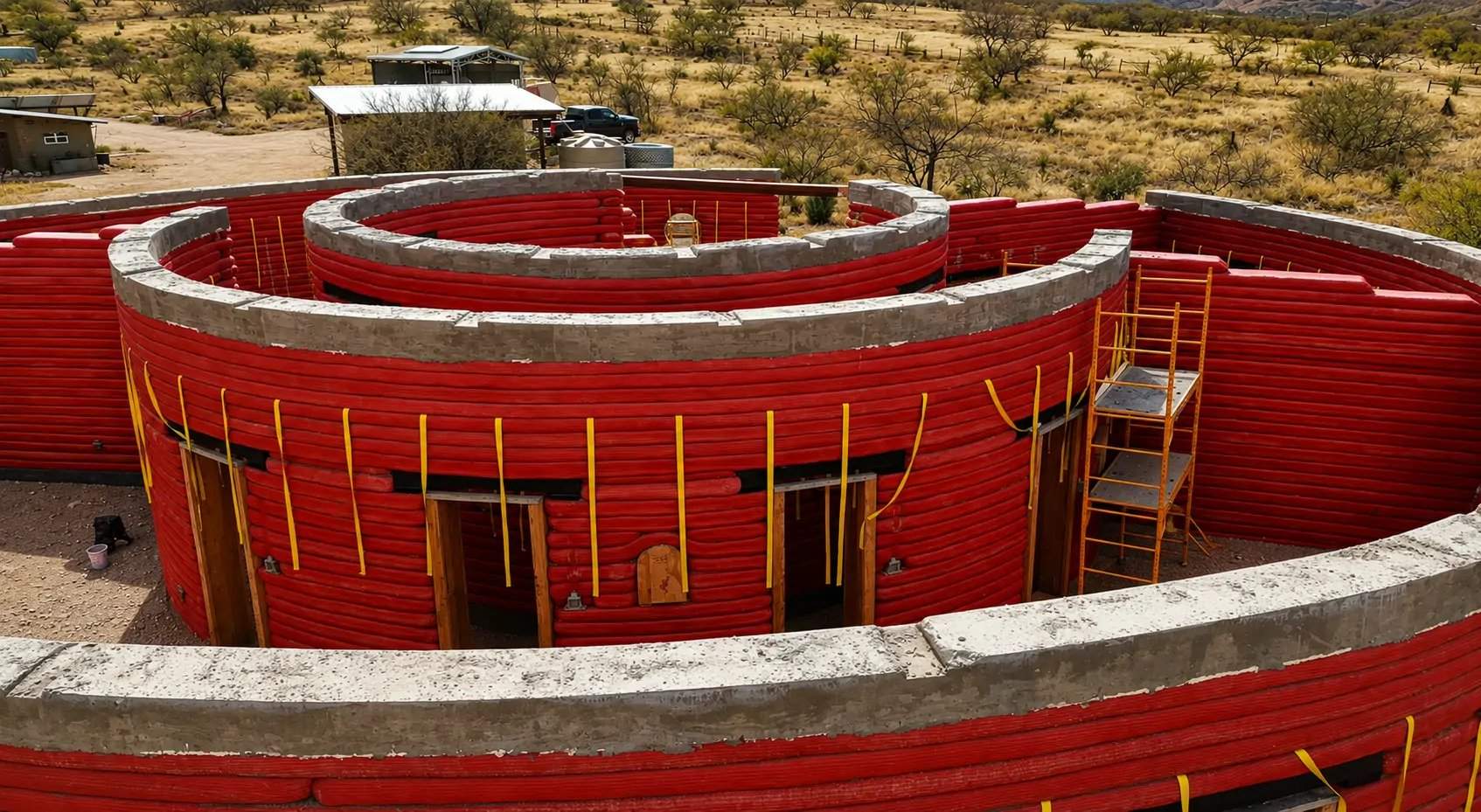
This case aligns with current trends in interest for tiny houses, self-sufficient homes, and ecological architecture, with its core being a redefinition of luxury as autonomy rather than excess. In this lifestyle, the reward lies not in immediate comfort, but in living closer to the landscape and making more informed resource decisions.
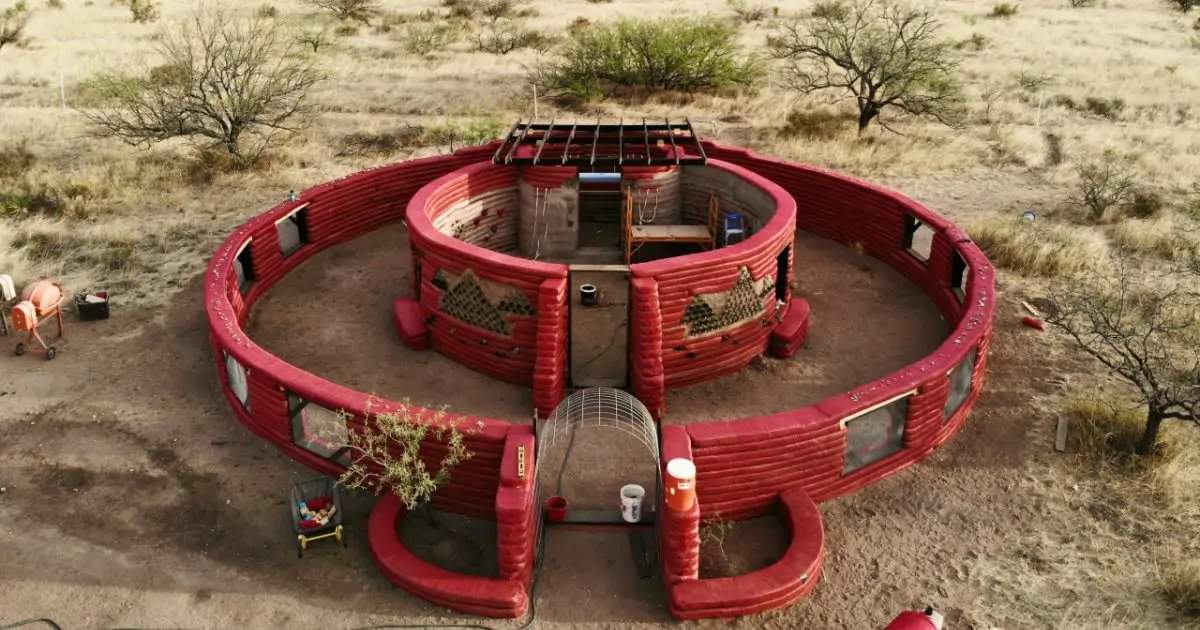
At the same time, the project also reveals the less idealized side of off-grid living. It means relying on one's own systems and bearing the burden of ongoing maintenance, requiring knowledge, time, and physical labor. The heat, dust, wind, and isolation of the desert environment are all part of the living experience.
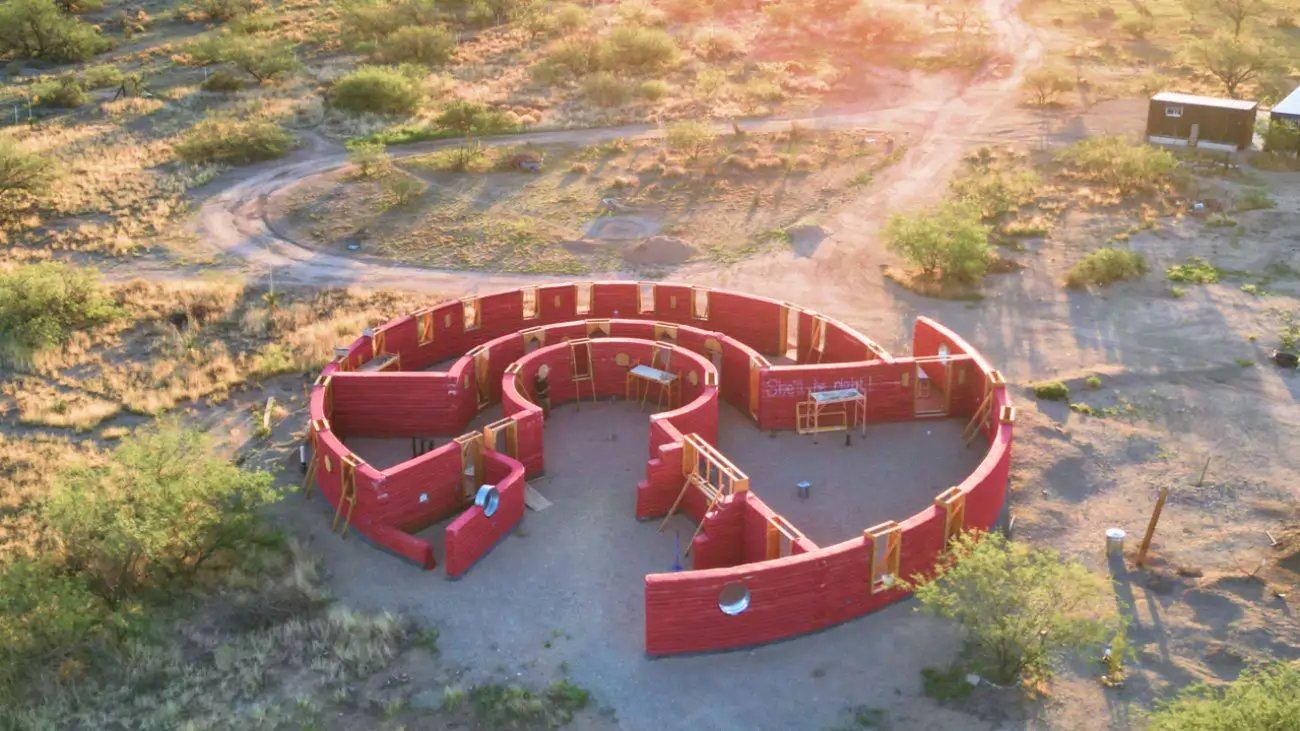
The architecture of Tiny Shiny Home does not negate the site but integrates it. Earth becomes the material, the sun becomes the energy source, and rainwater becomes a scarce resource that must be captured. This project raises practical questions about energy consumption, resource utilization, and construction techniques for family homes, but does not offer a universal formula. Instead, it showcases a form of dwelling that grows slowly based on specific conditions and rhythms.
This article is compiled by Wedoany. All AI citations must indicate the source as "Wedoany". If there is any infringement or other issues, please notify us promptly, and we will modify or delete it accordingly. Email: news@wedoany.com
Related Products

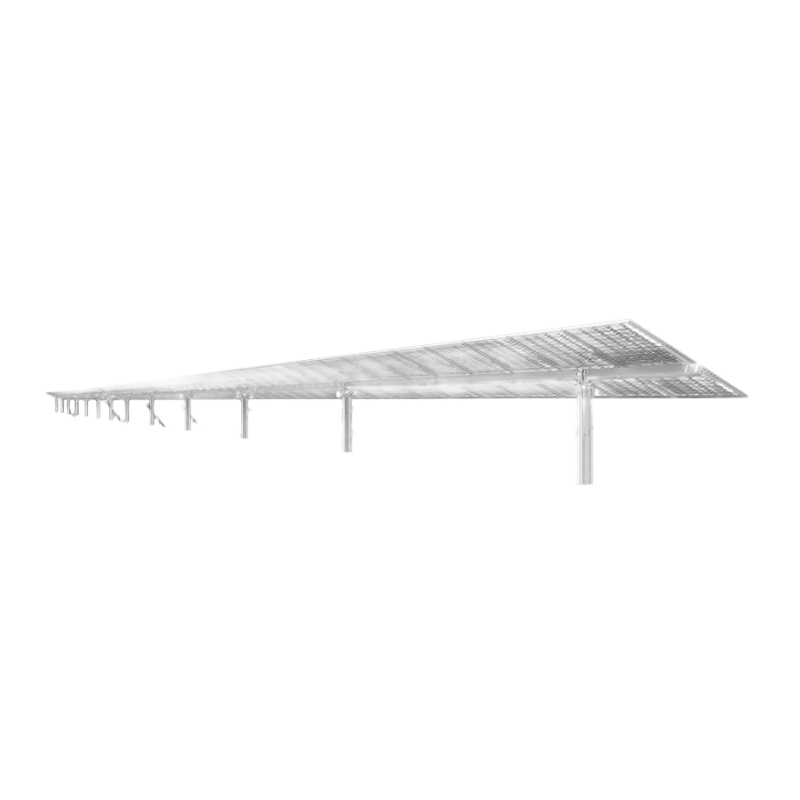
TAI Slew-drive Single-axis Independent 1P Tracking Bracket System
ANTAI TECHNOLOGY CO., LTD.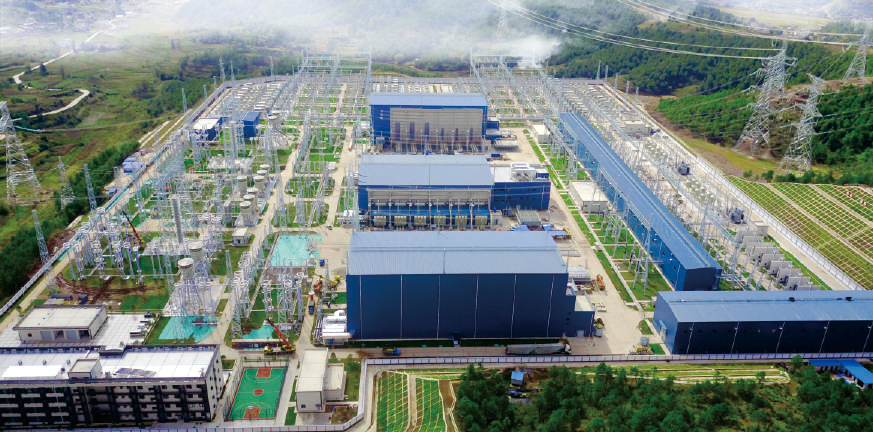
High-voltage Direct Current (HVDC) Transmission System Research and Integrated Design
XI'AN XD POWER SYSTEMS CO., LTD.
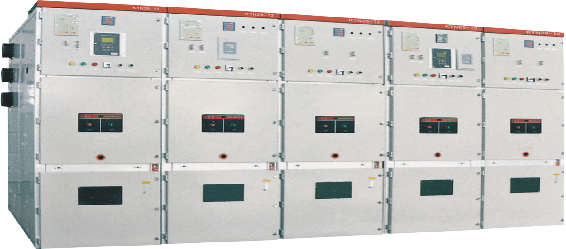
KYN28-12/24 Indoor High-Voltage Metal-Clad Removable Switchgear
Shenzhen Zhaoyang Hui Technology Co., Ltd.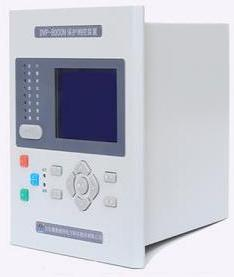
Microcomputer Protection and Substation Automation
Beijing Agent Devote Power Technology Development Co., Ltd.