en.Wedoany.com Reported - DXC Technology, a U.S. enterprise technology services company, recently launched DXC Engineering, upgrading its existing engineering capabilities into an independent service segment within its Consulting and Engineering Services business. This segment covers industries such as financial services, automotive, manufacturing, telecommunications, and energy, focusing on enterprise-grade software, intelligent systems, and physical AI scenarios. It helps clients advance AI capabilities from pilot validation to operational, scalable production systems.
DXC Engineering builds on over 20 years of digital engineering expertise from Luxoft, which was acquired by DXC in 2019. The new segment integrates more than 11,000 professional engineers across 29+ countries and 51 delivery sites, leveraging DXC's larger 40,000-person Consulting and Engineering Services organization. According to DXC, DXC Engineering brings three capabilities under one framework: industry-specific software and complex system integration, a partner ecosystem for AI computing, industry platforms, and emerging technology companies, and AI-powered product design for real-world physical environments. The company's existing engineering practices already cover software systems for over 500,000 vehicles globally, serve 17 of the world's top 20 banks, and support more than 350 banking and capital markets clients. This segment will continue advancing projects such as the AMBER automotive software framework, transaction risk engines, digital banking infrastructure, real-time communication network platforms, smart manufacturing, and industrial engineering solutions. For large enterprises, the value of these services lies in handling industry processes, legacy systems, proprietary software, data platforms, AI models, and security compliance requirements within a single delivery chain, reducing common challenges in AI transformation such as "models can be demonstrated, systems are hard to deploy, business integration is difficult, and long-term operations are hard to sustain." DXC's move to further elevate engineering capabilities within its Consulting and Engineering Services indicates that the enterprise AI market is shifting from generic tool procurement to system-level construction tailored for finance, automotive, telecommunications, and manufacturing scenarios.
DXC states that the AMBER framework can shorten automotive software development cycles by up to 50% and reduce infotainment system costs by up to 30%.
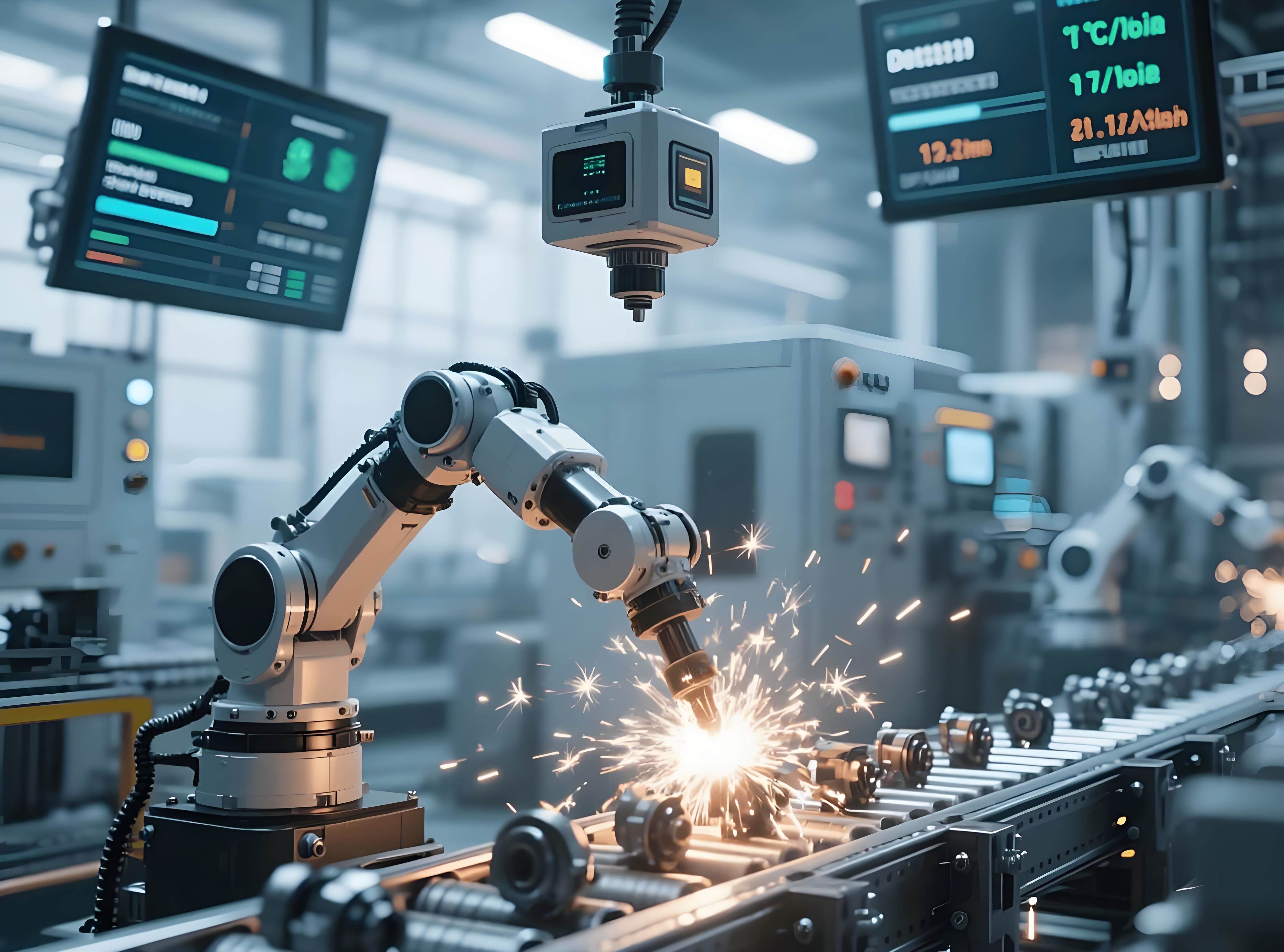
The enterprise software market is entering a phase of "industry system restructuring." Over the past two years, many enterprises have conducted pilots around generative AI for customer service, knowledge retrieval, code assistance, office automation, and data analysis. However, when moving to production environments, challenges quickly escalate: financial institutions need to integrate AI into trading, risk control, clearing, payments, digital banking, and regulatory reporting systems; automotive companies must embed software frameworks into cockpits, autonomous driving, functional safety, and vehicle electronic and electrical architectures; telecommunications companies require scalable, low-failure real-time network platforms; and manufacturing and energy firms focus on production line efficiency, equipment status, field data, and continuous operation of critical infrastructure. DXC Engineering targets these high-barrier scenarios. It emphasizes synchronized delivery of industry knowledge and engineering execution, embedding AI capabilities into core business systems that have been running for years through proprietary platforms, industry software package integration, AI partner ecosystems, and on-site intelligent system design. The introduction of physical AI also expands the boundaries of enterprise software, extending from backend systems, mobile apps, and cloud platforms to vehicles, factories, equipment, networks, and infrastructure sites. For clients, the core challenge of AI transformation is no longer just selecting a model, but ensuring AI operates reliably in high-reliability, highly compliant, multi-system, multi-vendor environments. Engineering service providers capable of designing, building, integrating, and maintaining systems will gain a more critical role in enterprise AI deployment.
The launch of DXC Engineering also reflects changing competition in the technology services market. Consulting firms, cloud providers, software developers, and system integrators are all vying for enterprise AI budgets, but large enterprises truly need long-term delivery capabilities that connect strategy, data, software engineering, industry processes, and operational responsibility. Future variables will focus on whether DXC can consolidate the expertise of its 11,000 engineers into reusable platforms, expand client cases in finance, automotive, telecommunications, and manufacturing, and validate physical AI reliability in real-world industrial and infrastructure scenarios. As enterprise AI enters a phase of large-scale deployment, enterprise software delivery will increasingly emphasize industry depth, engineering quality, and production-grade stability.
This article is compiled by Wedoany. All AI citations must indicate the source as "Wedoany". If there is any infringement or other issues, please notify us promptly, and we will modify or delete it accordingly. Email: news@wedoany.com