US Nvidia Plans to Increase Annual Spending in Taiwan to $150 Billion
en.Wedoany.com Reported - Nvidia plans to increase its annual spending in Taiwan to $150 billion, highlighting the deep ties between the world's most valuable semiconductor company and the island's manufacturing ecosystem. Nvidia CEO Jensen Huang stated in Taipei that the company's spending in Taiwan has grown significantly over the past five years, rising from approximately $10 billion to $15 billion annually to around $100 billion today.
This announcement comes amid accelerating demand for AI infrastructure. Data center operators, cloud service providers, and enterprises are heavily investing in AI computing power, creating unprecedented demand for advanced chips and their manufacturing capabilities. Nvidia is at the core of this trend, but its growth story increasingly reflects Taiwan's rise as an operational pillar of the AI economy.
This commitment marks a further deepening of strategic alignment with Taiwan's tech industry. The move indicates that geographic clusters are becoming crucial in the race to build the infrastructure supporting artificial intelligence.
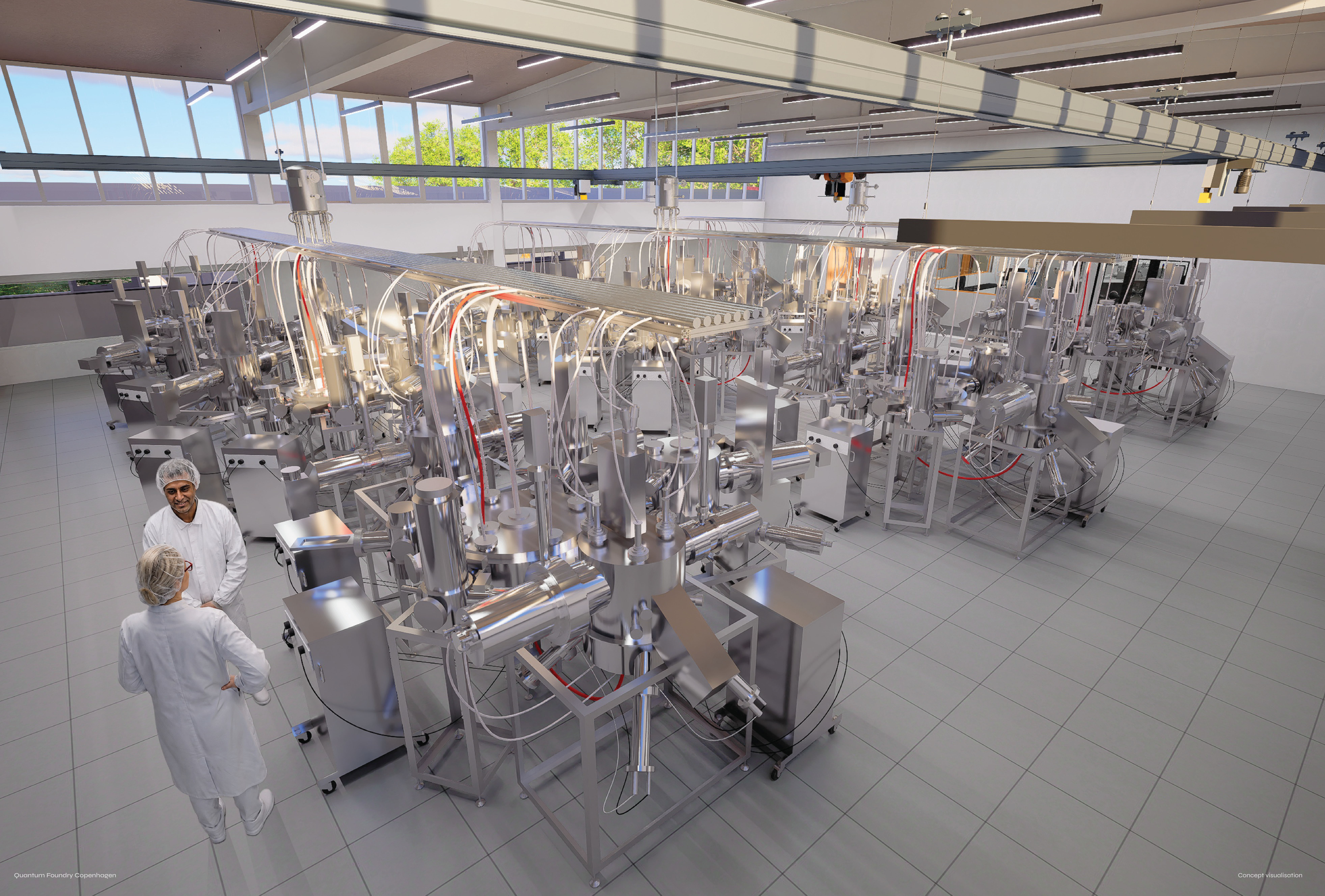
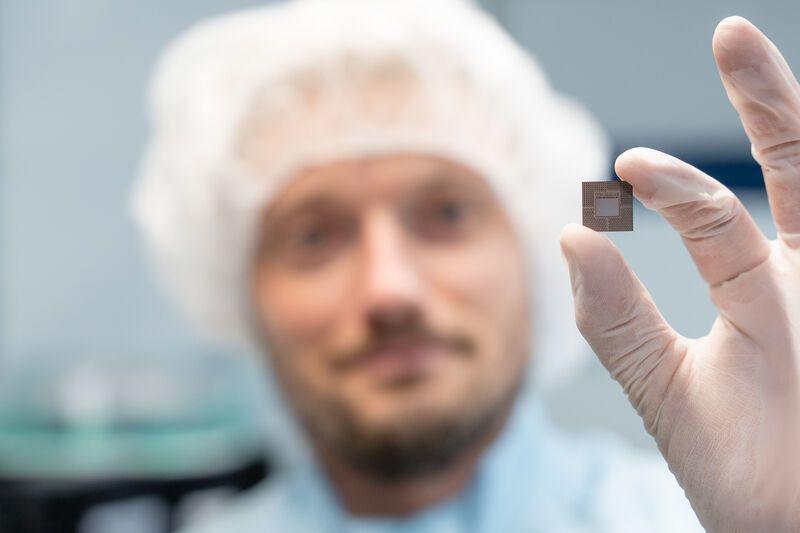
For years, Taiwan has held a unique position in the global semiconductor industry. The island boasts many of the world's most advanced manufacturing capabilities, led by Taiwan Semiconductor Manufacturing Co. (TSMC), whose fabrication technology is essential for producing cutting-edge AI processors. Nvidia's success is closely tied to these capabilities. While the company designs its own chips, it relies heavily on Taiwanese partners for manufacturing, who possess the expertise, scale, and capacity needed to support increasingly complex products.
Taiwan's importance extends beyond wafer fabrication. Advanced packaging technologies, assembly operations, and system integration capabilities are concentrated within a network of specialized suppliers that have honed their skills over decades. Replicating this ecosystem elsewhere would require massive investment, time, and coordination. Huang has repeatedly emphasized that Taiwan's role in the AI supply chain cannot be viewed solely from the perspective of semiconductor manufacturing. The island brings together a dense concentration of engineering talent, manufacturing knowledge, and supplier relationships that collectively support the rapid deployment of next-generation computing platforms.
The spending growth also reflects Nvidia's expanding physical presence in Taiwan. The company recently announced plans to build a new headquarters in the region, a project expected to support thousands of employees and enhance collaboration with local partners. While manufacturing capacity remains a major factor, proximity has become equally important. AI hardware development requires continuous interaction between chip designers, manufacturing experts, system builders, and component suppliers. Locating engineering teams near key partners can accelerate development cycles and improve operational efficiency.
Nvidia's relationships extend far beyond TSMC. Companies like Foxconn, Quanta, and Wistron play crucial roles in assembling servers and AI systems destined for data centers worldwide. These firms have become indispensable players in the broader AI infrastructure boom. The concentration of suppliers creates advantages that are difficult to replicate. Engineering challenges can be resolved faster, production bottlenecks can be overcome through closer coordination, and new products can move from design to deployment more quickly.
Nvidia's deeper commitment to Taiwan also highlights one of the most significant strategic issues facing the tech industry. As AI becomes increasingly important for economic competitiveness and national security, governments are closely monitoring where advanced technologies are designed and manufactured. Taiwan, due to its dominance in semiconductor production, remains central to this discussion. Efforts by the United States, Europe, and other regions to expand domestic chip manufacturing reflect concerns about supply chain resilience and concentration risk. Yet economic realities remain difficult to ignore. The capabilities offered by Taiwan's ecosystem cannot be quickly replicated elsewhere. Even as governments encourage diversification, leading tech companies remain heavily dependent on the island's infrastructure and expertise. For Nvidia, balancing growth opportunities with geopolitical uncertainties may remain a key challenge. The company must secure the manufacturing capacity needed to support surging demand while navigating an increasingly complex policy environment.
Nvidia's plan to spend $150 billion annually in Taiwan offers a glimpse into the scale of investment currently flowing into AI infrastructure. The company's latest financial results, showing 85% revenue growth and a sharp rise in profits, reflect the immense demand driving the sector. This announcement also underscores a shift in how tech leaders view competitive advantage. Success in AI is no longer determined solely by software algorithms or chip design. It increasingly depends on access to manufacturing capabilities, supply chain coordination, and the ability to rapidly scale production. As enterprises deploy larger AI workloads and governments seek to strengthen technological capabilities, demand for advanced computing infrastructure is expected to remain robust. Companies that can secure reliable access to critical manufacturing resources will be well-positioned. Nvidia's latest commitment suggests that the future of AI will be shaped not only in research labs and data centers but also in the factories, engineering centers, and supplier networks that make large-scale deployment possible. Taiwan has become a focal point of this reality, and Nvidia's growing investment underscores the value of this position.
This article is compiled by Wedoany. All AI citations must indicate the source as "Wedoany". If there is any infringement or other issues, please notify us promptly, and we will modify or delete it accordingly. Email: news@wedoany.com
Related Products


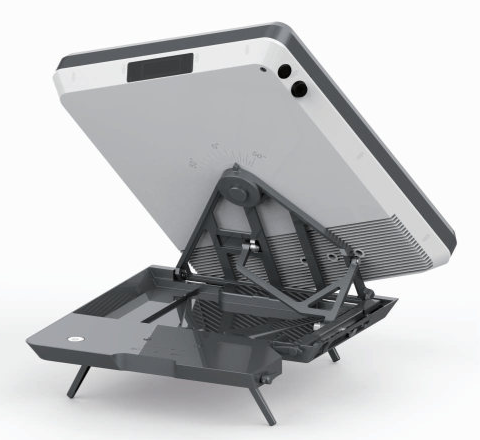
Flat Portable Satellite Terminal 0.35m Aperture Manual Portable Terminal
China Starwin Science & Technology Co., Ltd.
Industrial and Commercial Point-Type Gas Detector
Jinan Benan Technology Development Co., Ltd.
GYTA Type Non-Self-Supporting Aerial/Duct Optical Cable
TONGDING INTERCONNECTION INFORMATION CO., LTD.
Comprehensive Mining Automation Control System
Beijing Tianma Intelligent Control Technology Co., Ltd.