Magellan Strait Undersea Tunnel Between Chile and Argentina Technically Feasible, Costing $1.5 Billion
en.Wedoany.com Reported - A roughly 3.7-kilometer undersea tunnel project under the Strait of Magellan is technically feasible but quite complex, with construction costs estimated at $1.5 billion. The main challenges lie in geotechnical engineering, operational safety, and economic viability. If implemented, this project connecting Punta Delgada and Bahía Azul would replace the current ferry service, improving transportation conditions in the shared southern region of Chile and Argentina.
Francisco Hernández, a scholar and infrastructure expert at the School of Engineering and Applied Sciences of the Universidad de los Andes (Uandes), noted that while the project is far shorter than operational tunnels like the Channel Tunnel, its location in the Strait of Magellan presents extreme climate and harsh operating conditions, high fire safety requirements, and potentially limited demand, thus increasing engineering complexity.
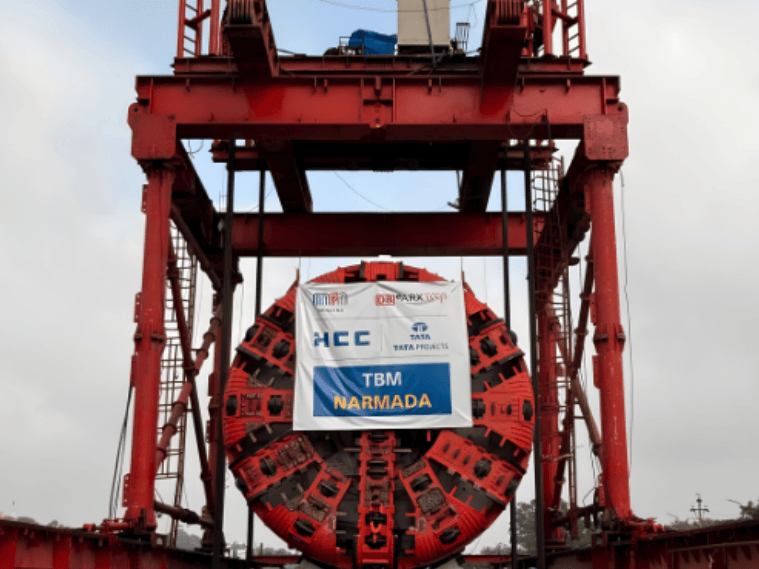
Hernández emphasized that advancing the project requires large-scale geotechnical and geophysical surveys to determine terrain conditions such as rock layers, faults, permeability, water pressure, and seabed depth. He explained that construction methods may involve using a tunnel boring machine (TBM) or conventional rock excavation techniques, rather than prefabricated immersed tube tunnels, with the choice depending on bathymetric and geological survey results. The expert stated that the required infrastructure extends far beyond the tunnel itself, including entrance portals, access roads, and ventilation and operational systems, with highway tunnel ventilation and fire safety being critical aspects requiring complex solutions.
Although considered technically feasible, Hernández believes the main obstacles to the project are economic and political. Reports indicate the tunnel investment is approximately $1.5 billion, a figure requiring decision-makers to carefully assess its social and strategic benefits. He pointed out that the project's justification depends on actual traffic demand, logistical continuity, strategic interests, tourism development, Chile-Argentina integration cooperation, and the necessity of replacing the existing ferry service. Hernández concluded that the project still requires significant progress in detailed demand analysis, geotechnical studies, risk assessment, cost-benefit calculations, and bilateral financing options before reaching maturity for final implementation.
This article is compiled by Wedoany. All AI citations must indicate the source as "Wedoany". If there is any infringement or other issues, please notify us promptly, and we will modify or delete it accordingly. Email: news@wedoany.com
Related Products
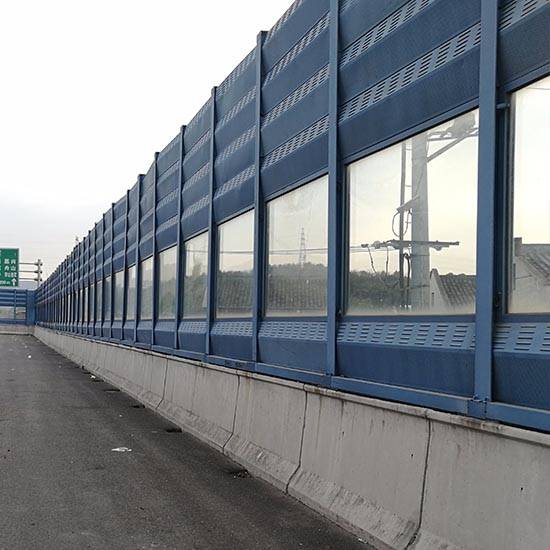

Metal sound barriers that can reduce the transmission of road noise
Hebei Jinbiao Construction Materials Tech Corp., Ltd.
YHTank8400N Solvent-Free Liquid Epoxy Coating
JIANGSU YUNHU NEW MATERIAL TECHNOLOGY CO., LTD.
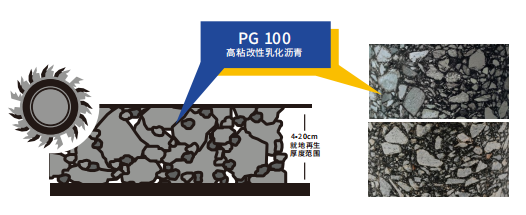
High-toughness in-Situ Cold Recycling Technology for Original Structural Layers
Central Fortune Creation Technology Group Co., Ltd.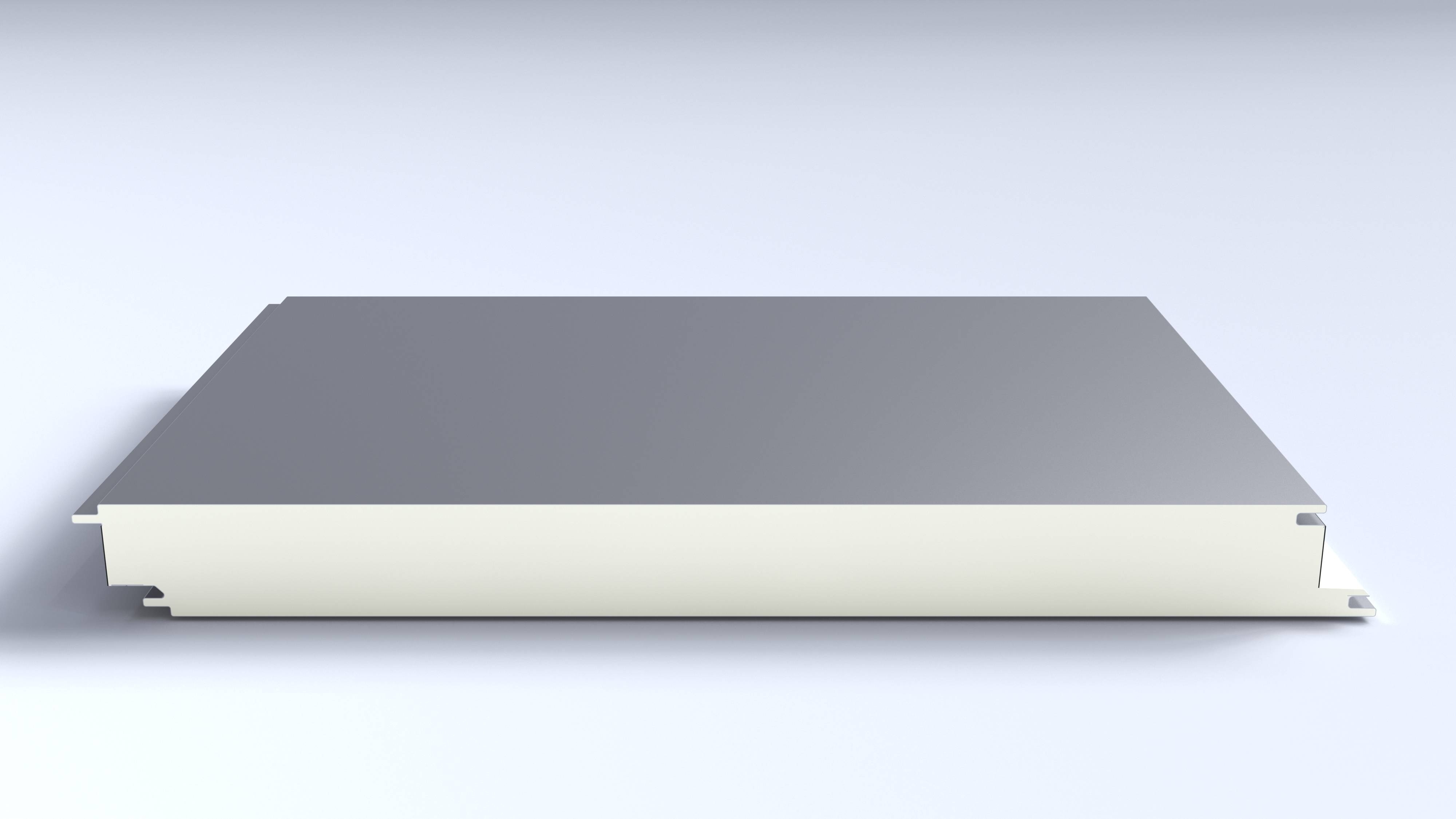
Pure Polyurethane Wall Panel BD-AEF-PIR-01
Baodu International Engineering Technology Co., Ltd.


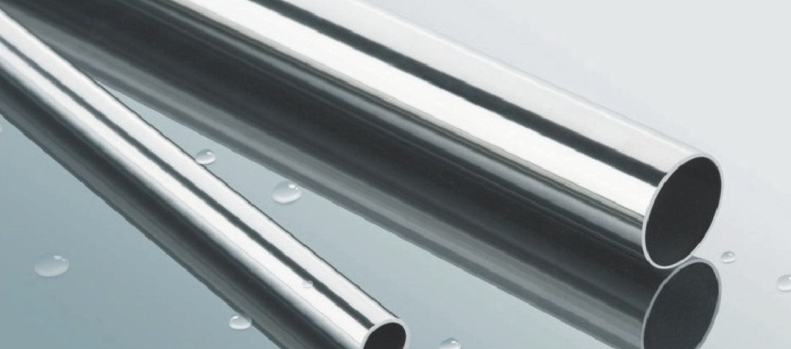
ERW Welded Pipe (Black Pipe and Hot-dip Galvanized Steel Pipe)
Handan Zhengda Steel Pipe Co., Ltd.
Acoustic Mineral Fiber Ceiling Tile 595x595x12mm
Shanxi Pano Trading Co., Ltd