Japan's Ministry of Internal Affairs and Communications Promotes International Submarine Cable Protection Framework, Shifting Communication Infrastructure Toward Multi-Route Resilience
en.Wedoany.com Reported - Japan's Ministry of Internal Affairs and Communications (MIC) recently proposed a draft framework for the protection of international submarine cables, focusing on enhancing the resilience and protection capabilities of Japan's international communication infrastructure. The draft proposes measures such as dispersing submarine cable landing points, increasing route redundancy, and strengthening the supervision of critical communication assets. This will serve as the basis for the MIC's final report to be compiled this summer.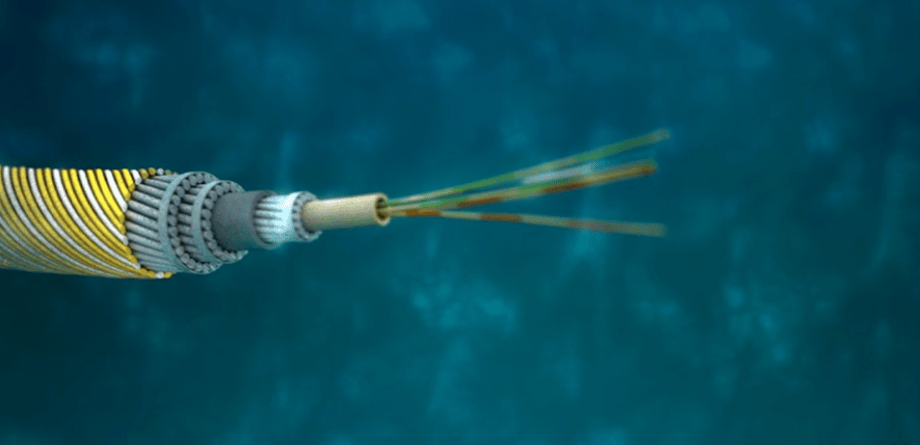
The background for Japan promoting this framework is the increasing dependence of international communications on submarine cables, while the concentration of cable landing stations and routes, coupled with insufficient repair capabilities, is becoming a fundamental risk in the digital economy and cross-border data flows. As a key communication hub connecting North America, Asia, and the Pacific region, Japan requires a stable submarine cable network to support international internet, cloud services, financial transactions, corporate data exchange, and cross-border digital businesses. With the growth of generative artificial intelligence, cross-border cloud computing, and data center operations, the demand for international transmission capacity has further amplified. Submarine cables are no longer just network assets for traditional telecom operators but have become a critical foundation supporting cloud platforms, AI computing clusters, and the continuity of global digital services. By incorporating the dispersion of landing points, multi-route backup, and supervision of critical assets into the draft framework, the MIC indicates that Japan is elevating submarine cables from internal communication industry facilities to national-level digital infrastructure and economic security-related assets for coordinated management.
The core direction of the draft framework focuses on three types of capabilities: first, reducing the risk of excessive concentration of landing points and communication routes; second, enhancing alternative paths and recovery capabilities after network disruptions; and third, improving the supervision and coordination mechanisms for critical communication assets.
From an industry perspective, this policy will directly impact multiple areas, including submarine cable construction, landing station layout, data center siting, optical transmission equipment, monitoring systems, and maintenance services. If Japan subsequently promotes the dispersion of more landing points to different regions, relevant localities may undertake new investments in communication facilities, data centers, and supporting power infrastructure. If route redundancy requirements are further increased, operators and cloud service providers will also need to reserve more alternative links during the network design phase to mitigate the impact of single-path failures on international business. Submarine cable projects typically involve long investment cycles, complex licensing processes, and high cross-border coordination requirements. It is difficult for market entities alone to complete systematic reinforcement in the short term. Therefore, the role of the government framework is to clarify the construction direction, regulatory boundaries, and subsequent fiscal or institutional support space. For equipment and engineering companies, submarine cable system integration, optical transmission equipment, cable monitoring, landing station disaster prevention, maintenance vessels, and rapid repair capabilities will all become potential demand points in the subsequent implementation of the policy.
Japan's MIC is expected to finalize its report this summer. As global concerns over submarine cable security and resilience intensify, the management of international communication infrastructure by various countries is shifting from "building capacity" to "ensuring continuity." If this draft framework from Japan is further refined into specific policies and project arrangements, it may drive the local submarine cable ecosystem into a new phase where, alongside capacity expansion, efforts are simultaneously made in dispersing landing points, route backup, asset supervision, and strengthening the industrial chain.
This article is compiled by Wedoany. All AI citations must indicate the source as "Wedoany". If there is any infringement or other issues, please notify us promptly, and we will modify or delete it accordingly. Email: news@wedoany.com
Related Products

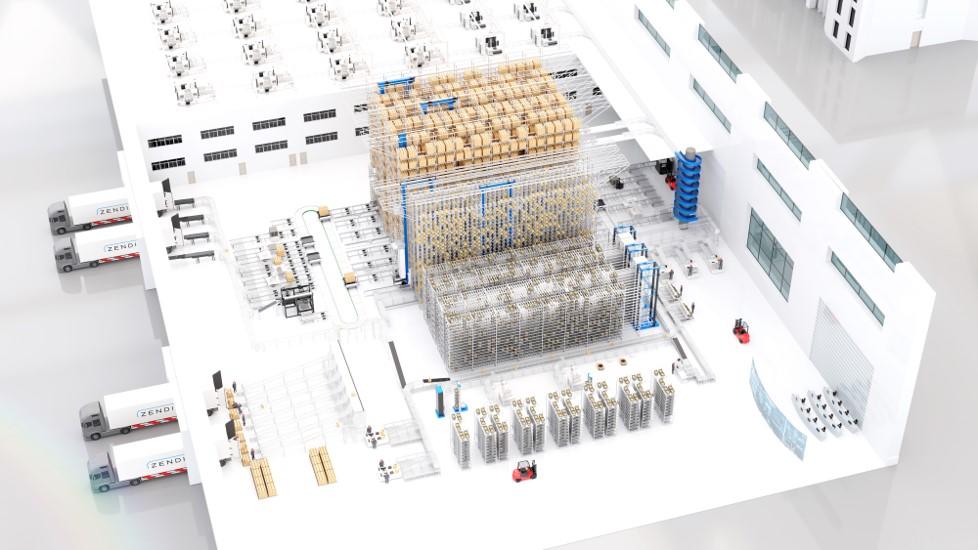
One-Stop Steward Service for the Entire Logistics System Integration Chain
Zhongding Intelligent (Wuxi) Technology Co., Ltd.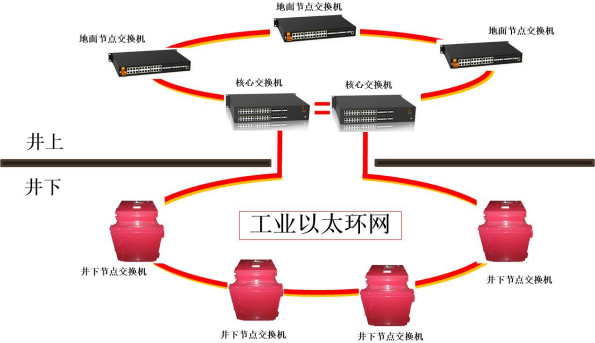
Mine Explosion-proof and Intrinsically Safe Industrial Ethernet Ring Network (10 Gigabit/Gigabit)
Chongqing Mas Sci&Tech Co., Ltd.
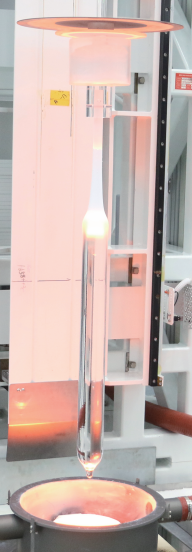
G.652.D Wavelength-extended Non-dispersion Shifted Single-mode Optical Fiber
HONGAN GROUP CO., LTD.

GYTA Type Non-Self-Supporting Aerial/Duct Optical Cable
TONGDING INTERCONNECTION INFORMATION CO., LTD.
Multi-function Marine Monitoring Low-altitude Detection Radar Sea-air Boundary Ocean Dynamic Environment Measurement
Chengdu Dixin Technology Co., Ltd.

20 Inch 1600*900 Full HD 60Hz TFT LED Monitor with VGA and DP Interfaces for Desktop Computers-Business Use
Guangzhou Zanying Optoelectronics Technology Co., Ltd.
Industrial and Commercial Point-Type Gas Detector
Jinan Benan Technology Development Co., Ltd.