Nashville Explores New Housing Models to Address Rising Costs
en.Wedoany.com Reported - To mitigate the impact of rising housing costs on creative workers and the most vulnerable residents, Nashville is exploring housing models that go beyond traditional affordability through a series of specialized, targeted programs. Projects such as Ryman Lofts, Glencliff Village, and Opaline at Artist Hill demonstrate how cross-sector collaboration among developers, designers, non-profits, and others can shape new approaches to housing affordability. These projects were discussed in a panel titled "Nashville Creative Housing Solutions," featuring Rachel MacCleery, former Senior Fellow at the Urban Land Institute's (ULI) Terwilliger Center for Placemaking; Mona Hodge, Principal at Smith Gee Studio; Julia Sutherland, Executive Director of Glencliff Village; and Evan Holladay, Founder and CEO of Holladay Ventures.

Ryman Lofts, Nashville's first affordable housing community specifically for artists, was completed in 2013 in Rolling Mill Hill. The project comprises 60 units, totaling approximately 53,000 square feet, with hard costs of about $5 million and total development costs of roughly $7 million. It serves residents earning no more than 60% of the area median income. The design team worked closely with artists and found that residents' greatest needs were ample natural light and flexible layouts. The team equipped each unit with large floor-to-ceiling windows, which, despite increasing costs, were managed through the repetition of the facade system to control the budget. The project integrates a variety of unit types, from studios to three-bedrooms. Hallways were intentionally designed as gallery spaces for residents to display their work, serving a "dual purpose." The project also commissioned local artists to create custom hardware, such as towel bars.
Glencliff Village addresses the housing challenges of medically vulnerable homeless individuals. Located on a 99-year ground lease site rented from Glencliff United Methodist Church for $1 per year, the project opened in 2021. The community currently includes 12 micro-homes and provides residents with medical care, transportation, social services, and support for securing permanent housing. Sutherland noted that in the Southeast, one in every 20 emergency room patients faces both homelessness and chronic illness, and homeless individuals average about five emergency room visits per year, generating an estimated $18,000 to $30,000 in emergency care costs. Project reports show that the average resident stay has decreased from approximately 240 days to 154 days, about 63% of residents have avoided unplanned hospital readmissions after entering the program, and all graduates have remained housed. The organization intentionally avoids strict length-of-stay limits, making it one of the few medical respite communities in the country without a hard cap on stay duration. Sutherland also stated that due to high demand, the organization is studying a denser second-phase expansion, planning to increase the number of units from an initially planned addition of 10 to approximately 24 to 30.
Opaline at Artist Hill is a 251-unit mixed-use development along Dickerson Pike in North Nashville, planned to include artist housing, co-working spaces, artist studios, a 4,200-square-foot daycare and early learning center, and maker spaces. The project is part of a larger master plan that could ultimately encompass up to 450 multi-family units and 75 single-family or townhome units spread across approximately 40 acres. The development team studied Ryman Lofts during the planning phase and partnered with Artspace, a non-profit organization based in Minneapolis. Holladay stated that the project partly originated from discussions about preserving Nashville's creative culture, and that partnerships are crucial for both financing and operations, involving collaboration among non-profits, public agencies, and the private sector. The discussion noted that early projects like Ryman Lofts informed subsequent artist housing developments, and that public-private partnerships are key to bringing projects to fruition.
This article is compiled by Wedoany. All AI citations must indicate the source as "Wedoany". If there is any infringement or other issues, please notify us promptly, and we will modify or delete it accordingly. Email: news@wedoany.com
Related Products


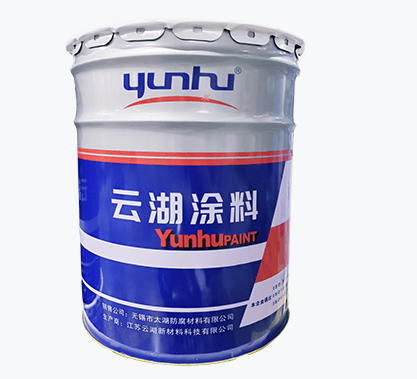
YHTank8400N Solvent-Free Liquid Epoxy Coating
JIANGSU YUNHU NEW MATERIAL TECHNOLOGY CO., LTD.

RISITA explosion-proof air conditioning
Guangdong RISITA Air Conditioning Equipment Co.,Ltd.
Industrial and Commercial Point-Type Gas Detector
Jinan Benan Technology Development Co., Ltd.
CITIC Heavy Industries Tunneling Equipment Tunnel Engineering Shield Machine
CITIC Heavy Industries Co., Ltd.