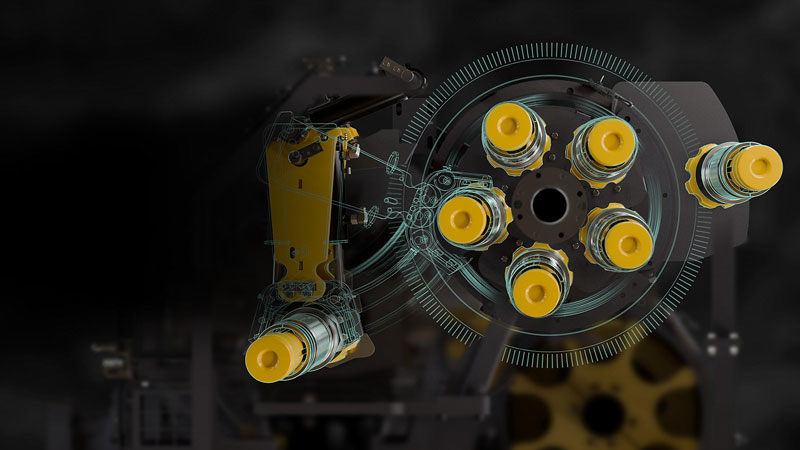
UK's Rolls-Royce Revolutionizes Engine Inspection with Automated Drone Scanning
en.Wedoany.com Reported - Rolls-Royce is transforming engine inspection by combining automation, data, and human expertise to achieve smarter, more efficient, and safer operations.
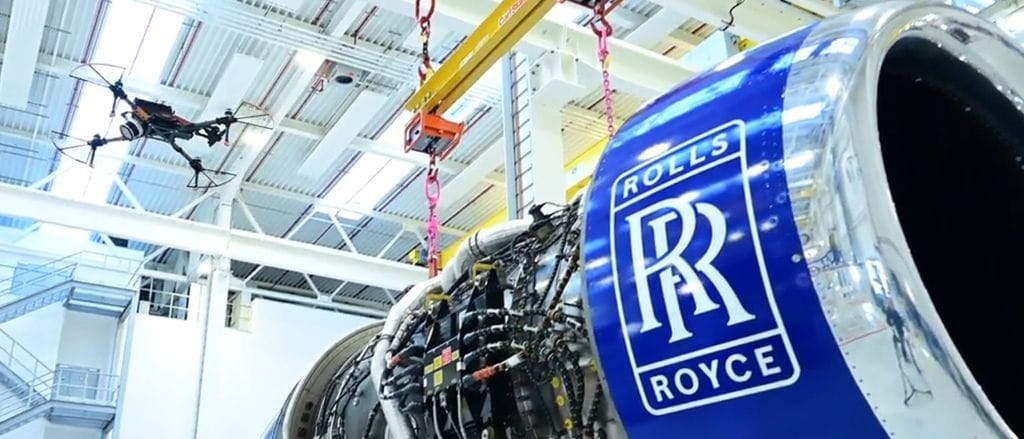
Previously, engine inspection required staff to take hundreds of photos of each engine from multiple angles, with inspectors often working on elevated platforms to capture the necessary perspectives, followed by reviewing and stitching images together. This process was time-consuming, labor-intensive, and difficult to maintain fully standardized inspection records. Now, with advanced drone technology, a full 360-degree external inspection of an engine can be completed in just a few minutes. Scanning a Rolls-Royce Pearl engine takes approximately four and a half minutes, while a Trent engine requires about nine and a half minutes.
These drones, specifically designed for the aerospace industry, are fully automated systems that require no GPS or manual control. They utilize laser-based LiDAR positioning technology and advanced obstacle avoidance navigation systems with millimeter-level precision to capture high-resolution images of the engine exterior. The drones also feature built-in emergency landing procedures and backup battery storage to ensure a smooth and safe landing at all times.
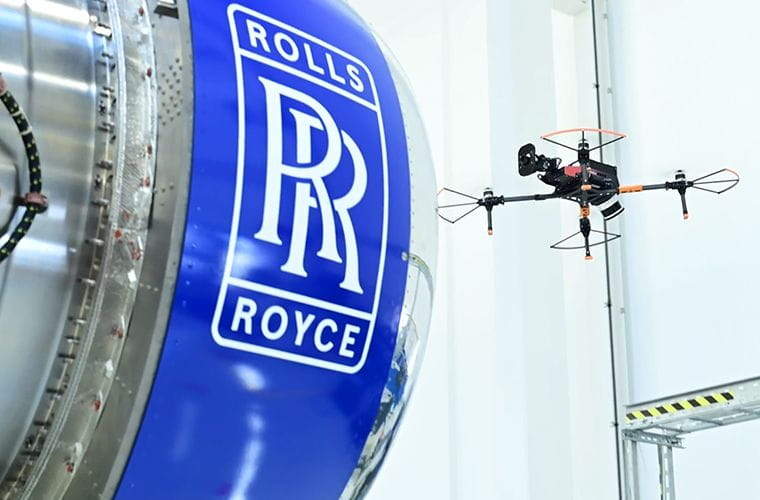
The digital models generated by the drones are extremely detailed, allowing engineers to zoom in to view serial numbers or immediately identify scratches and other external defects, with detection accuracy of 0.5 mm and an error margin of ±3% of the distance.
Rolls-Royce's external technology partner for drone scanning has a decade of experience in automated aircraft inspection and has collaborated with multiple aerospace and MRO (Maintenance, Repair, and Overhaul) companies. Partnering with such an experienced entity enables the company to bring its workshop standards closer to Industry 4.0, where automation, data, and human expertise complement each other.
The inspection process is faster, safer, and more traceable, with less room for human error. Although still in the early stages of deployment, the technology has proven its value at several Rolls-Royce facilities, consistently producing high-quality images and easily accessible digital data, thereby improving productivity, enhancing personnel safety, and product quality. Rolls-Royce states that the future of inspection is not about replacing people with machines or artificial intelligence, but about equipping skilled inspection teams with technology to further excel in their work.
This article is compiled by Wedoany. All AI citations must indicate the source as "Wedoany". If there is any infringement or other issues, please notify us promptly, and we will modify or delete it accordingly. Email: news@wedoany.com
Related Products


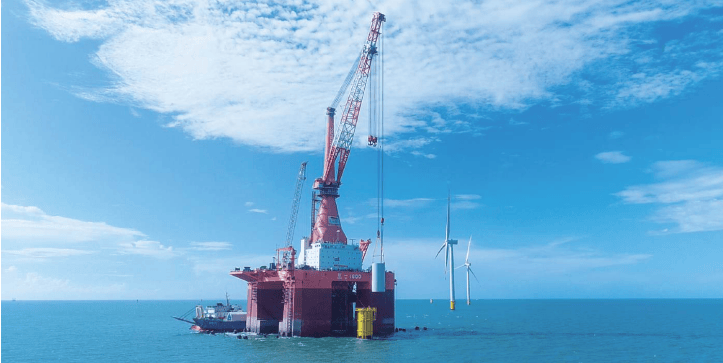
"Shunyi 1600" Deep-submerging Bottom-sitting Multi-functional Wind Power Engineering Vessel
Zhengli Offshore Engineering Co., Ltd.

Industrial and Commercial Point-Type Gas Detector
Jinan Benan Technology Development Co., Ltd.
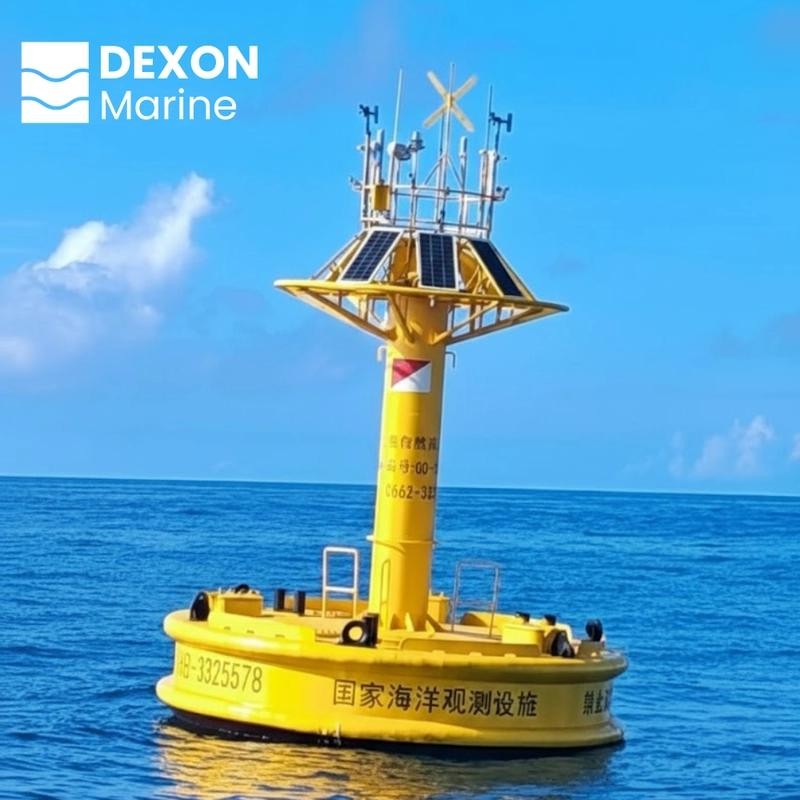
3m intelligent buoy combining navigation safety and real-time marine monitoring integrated navigation and marine monitoring system for real-time maritime data
Chengdu Dixin Technology Co., Ltd.