Sweden's InCoax Signs Agreement with US Tier 1 Operator, Fiber Extension Device Enters Home Broadband Activation Phase
en.Wedoany.com Reported - On June 2, Swedish telecommunications equipment company InCoax Networks announced that it has signed an agreement with a US Tier 1 operator to provide the InCoax Fiber Extension solution for certain fiber broadband installation scenarios. The agreement establishes a framework for subsequent commercial use between the two parties, focusing on solving indoor connectivity and customer activation challenges after fiber-to-the-home (FTTH) deployment in single-family homes and some small apartment buildings.
This collaboration targets a specific bottleneck in US fiber broadband construction: after operators lay fiber near residences or into buildings, the optimal termination point for indoor fiber is often not the ideal location for the user's home gateway, router, or Wi-Fi coverage. Continuing to lay new fiber or Ethernet cables indoors not only increases installation costs but also extends the customer activation cycle, leading to issues such as wall penetration, cabling, scheduling installation appointments, and user experience. The InCoax Fiber Extension approach reuses existing coaxial cables within the home to extend broadband connectivity from the fiber termination point to a location more suitable for deploying the home gateway, thereby reducing the need for new cabling and helping operators convert "covered households" into "activated customers" more quickly. As US high-speed broadband expansion enters a phase of large-scale deployment, such indoor last-segment connection solutions directly impact operators' investment recovery pace and user activation efficiency.
InCoax expects that after the US operator completes its internal technical and operational decision-making processes, orders for related opportunities may begin to form around the 2026/2027 transition period.
The solution is based on InCoax Fiber Extenders and MoCA 2.5 technology, positioned as an unmanaged bridging device that allows operators to continue using their existing fiber platforms, residential gateways, and customer activation processes. For telecommunications equipment manufacturers, this product does not replace the main fiber access network equipment but rather fills a low-cost extension link in the FTTH engineering process. It targets the existing coaxial cable assets present in many real residential structures, converting legacy wiring into multi-gigabit broadband connection channels. Key points disclosed by InCoax include reusing indoor coaxial cables, targeting single-family homes and some small multi-dwelling units, supporting symmetrical multi-gigabit broadband performance, and complementing its existing Fiber Access Extension and FWA Extension product portfolios. For operators, the value of such equipment lies in reduced installation complexity, minimized customer disruption, shorter construction timelines, and improved broadband activation rates.
The US broadband market is shifting from large-scale construction to a balanced focus on coverage, in-home deployment, and activation. Government subsidies, operator investments, and user demand for high-speed connectivity continue to drive fiber expansion, but the factor that truly determines project returns is often the ability to activate users at a low cost in the final stage. InCoax's establishment of a commercial framework with a US Tier 1 operator indicates that coaxial reuse equipment, fiber extension modules, home gateway adaptation, and operator installation processes are forming a more segmented equipment market. For the global telecommunications equipment supply chain, the next phase of opportunities will come not only from core networks, base stations, or backbone fiber but also from the "last few dozen meters" of connectivity transformation within homes, buildings, and campuses.
Subsequent variables are mainly concentrated on the US operator's technical validation, installation process adaptation, actual order start time, and large-scale deployment pace. If this solution can establish a stable use case within the Tier 1 operator's network, InCoax is expected to advance Fiber Extension from a new product category to a replicable broadband activation tool, also providing more fiber operators with a reference path to reduce indoor construction costs by utilizing existing coaxial networks.
This article is compiled by Wedoany. All AI citations must indicate the source as "Wedoany". If there is any infringement or other issues, please notify us promptly, and we will modify or delete it accordingly. Email: news@wedoany.com
Related Products

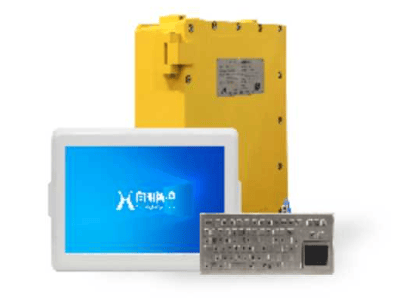
KJD127(A) Mining Explosion-Proof and Intrinsically Safe Computer
Taiyuan Xiangming Intelligent Control Technology Co., Ltd.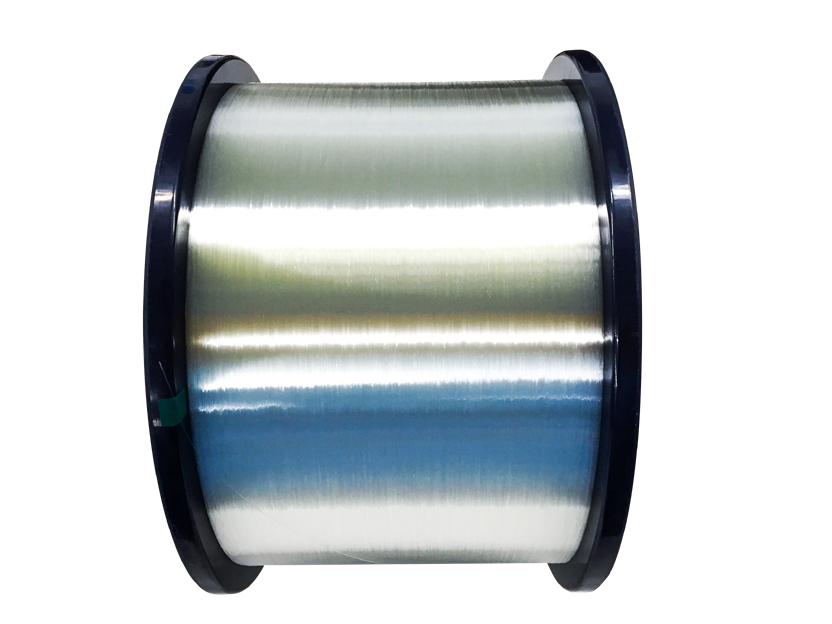
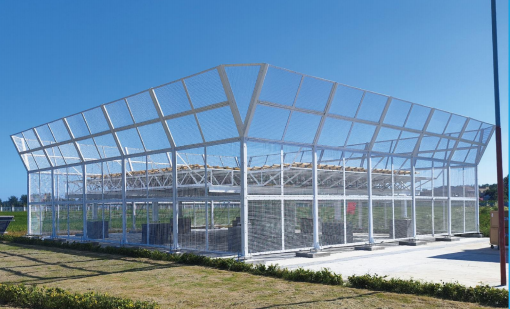
TWP16 P-Band Tropospheric Wind Profile Radar
China Huayun Meteorological Technology Group Co., Ltd.
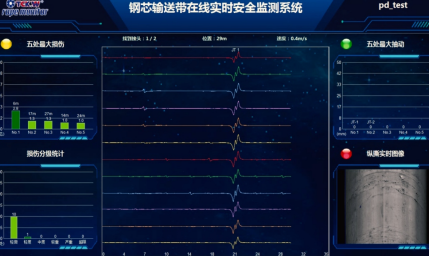
Conveyor Belt Intelligent Monitoring System
LUO YANG WIRE ROPE INSPECTION TECHNOLOGY CO., LTD.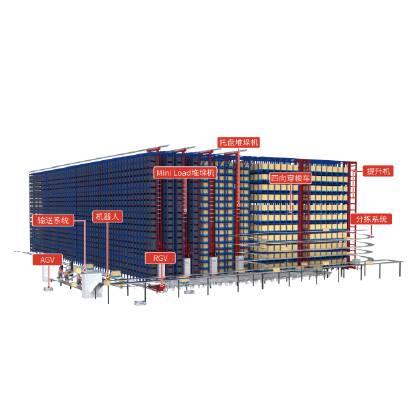
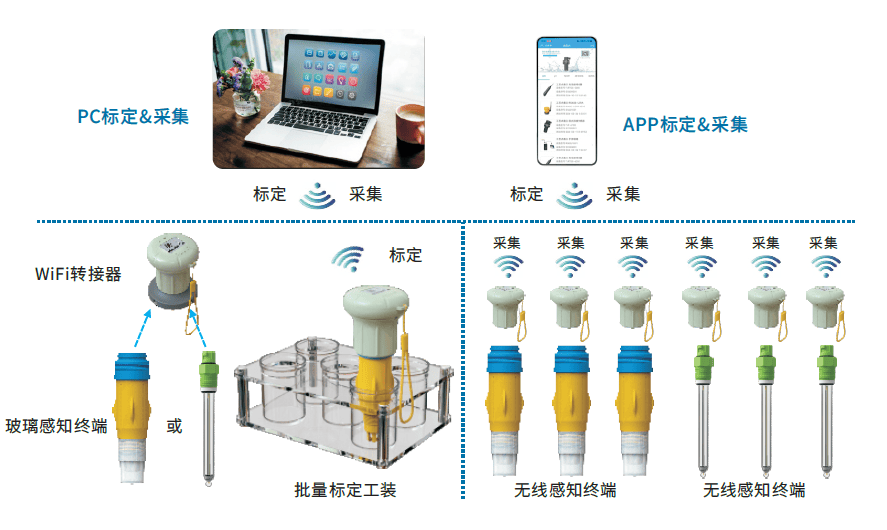
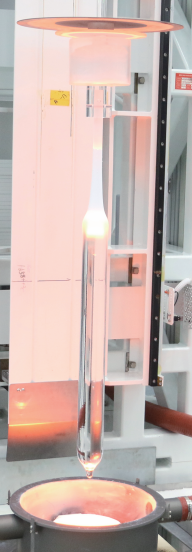
G.652.D Wavelength-extended Non-dispersion Shifted Single-mode Optical Fiber
HONGAN GROUP CO., LTD.
GYTA Type Non-Self-Supporting Aerial/Duct Optical Cable
TONGDING INTERCONNECTION INFORMATION CO., LTD.