Compal Electronics of Taiwan, China Showcases B5G and Satellite Communication Combinations, AI Infrastructure Extends from Servers to Edge Connectivity
en.Wedoany.com Reported - On June 3, Compal Electronics of Taiwan, China held a themed launch event titled "The Engine of Intelligence" during COMPUTEX 2026, showcasing a product roadmap covering AI data centers, intelligent connectivity, hospital service robots, and Agentic PCs. This launch placed high-density servers, liquid cooling, B5G modules, satellite communications, small cells, and edge sensing systems under a single framework, indicating that Compal is extending from OEM manufacturing to a provider of intelligent infrastructure and connectivity systems.
Within the product portfolio showcased by Compal, AI infrastructure remains the most critical foundation. The company demonstrated high-density GPU servers for large-scale AI training and inference, next-generation accelerated computing platforms, and AI data center solutions integrating computing, power, and cooling into an all-in-one system. As enterprises and cloud service providers accelerate the deployment of generative AI, industry models, and local inference systems, the competitive focus for server manufacturers has shifted beyond bare-bones assembly capabilities to rack-level design, thermal management, power matching, platform compatibility, and delivery integration. Compal emphasized that its solutions support three major computing platforms and incorporate direct liquid cooling technology to address the thermal challenges posed by high-power AI workloads. This signifies a shift in its role from a single hardware manufacturing link towards "computing system integration plus infrastructure engineering delivery."
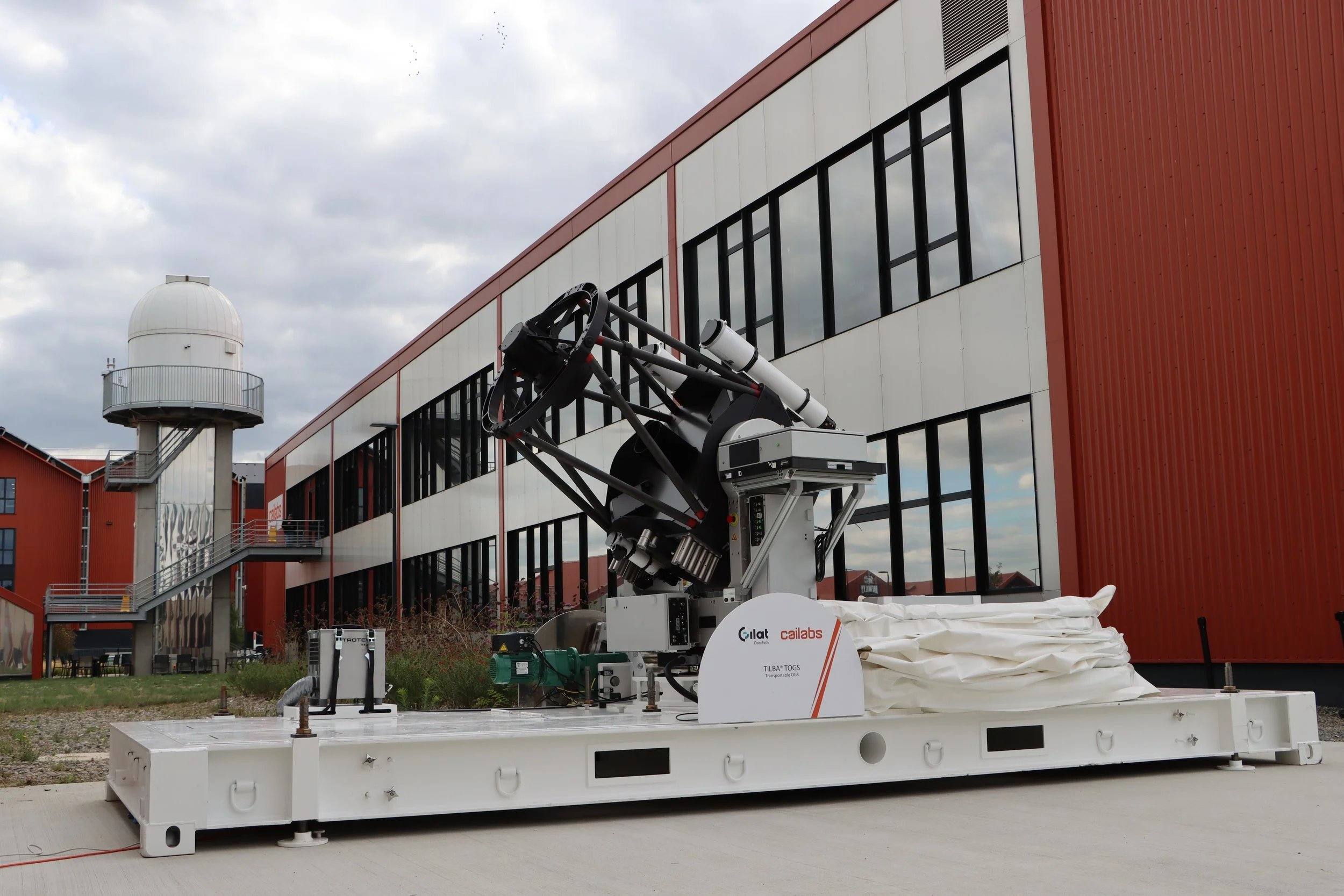
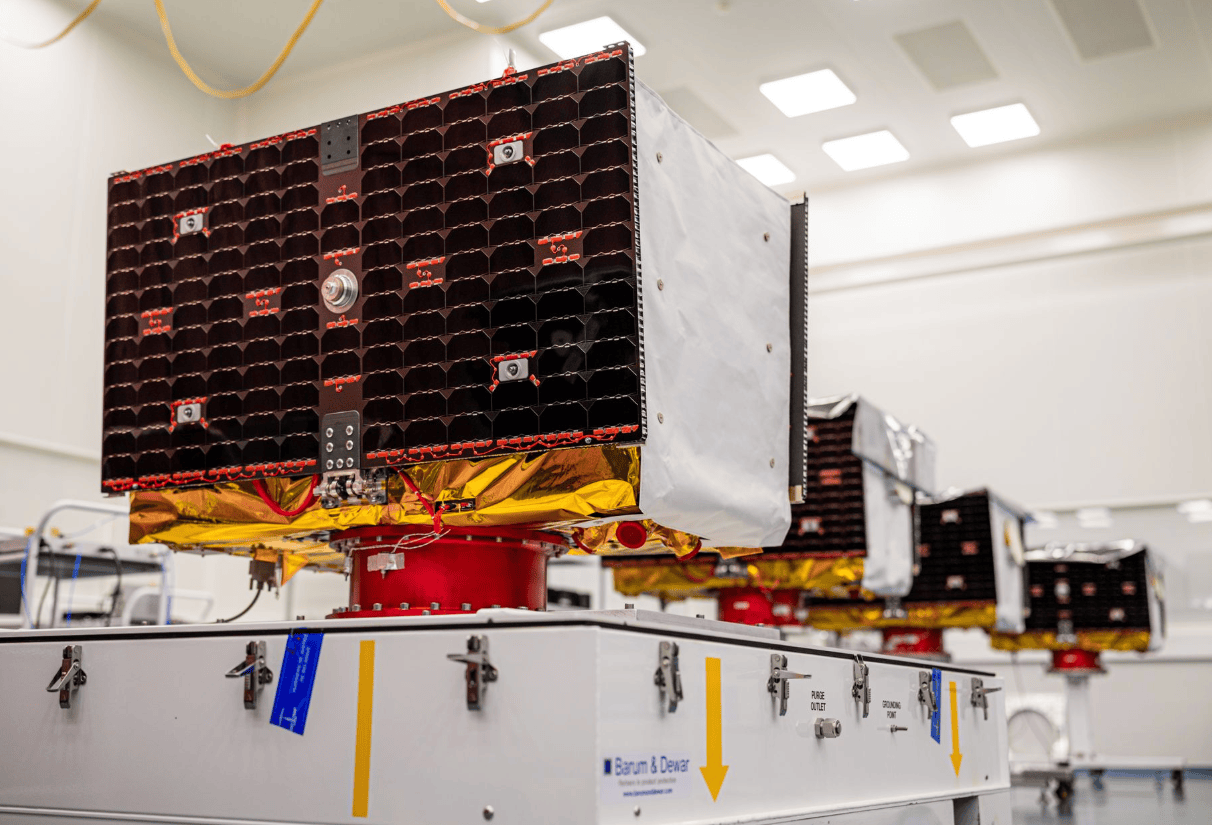
Intelligent connectivity represents the segment of this launch more closely aligned with the information and communication technology industry chain. Compal showcased B5G modules, satellite communication technology, integrated small cells, satellite communication payload systems, and intelligent sensing solutions. It also demonstrated an in-vehicle infrared camera sensing system based on the NVIDIA Jetson Orin for Automotive, aimed at enhancing vehicle safety in low-visibility scenarios.
This combination reflects the simultaneous evolution of connectivity devices and edge AI. Traditional communication equipment primarily addresses "access" and "transmission" issues. However, in industrial sites, in-vehicle systems, rail transit, logistics warehousing, campus management, and remote facility scenarios, network nodes require capabilities for low-latency communication, real-time sensing, local computing, and multi-environment adaptability. B5G modules and small cells can serve private networks, campus networks, and industrial IoT deployments, while satellite communication payloads and terminal technologies extend coverage to remote areas, mobile platforms, and mission-critical scenarios beyond the reach of terrestrial networks. By integrating intelligent sensing systems with edge computing platforms, data that was previously processed in the cloud can now be identified, judged, and responded to at the device level. For system customers, the procurement target is no longer just communication modules, servers, or cameras, but a "connectivity + computing + sensing" infrastructure deployable in real-world scenarios.
Compal also expanded its application scenarios to smart healthcare and next-generation personal computing. The company demonstrated the POLYMEDX physical AI platform with NVIDIA, targeting logistics coordination, human-machine collaboration, and digital clinical workflows in smart hospitals. In the PC domain, Compal introduced the Agentic PC concept, emphasizing that laptops will evolve from passive tools into intelligent devices capable of understanding context, proactively responding, and participating in decision-making. These demonstrations indicate that Compal is integrating its manufacturing, R&D, supply chain, and global delivery capabilities into a single industrial pathway encompassing AI servers, communication connectivity, medical robots, and intelligent terminals.
Future variables for the project center on three aspects: first, whether Compal's AI data center solutions can secure more orders from cloud service providers and enterprise customers; second, whether its B5G modules, small cells, and satellite communication payloads can enter specific communication networks and industrial scenarios; and third, whether, during its transformation from a traditional electronics manufacturing service provider to an intelligent infrastructure supplier, it can establish stable advantages in system integration, software ecosystems, and long-term operational capabilities. If related solutions enter batch projects after the exhibition, Compal will secure a higher industry position at the intersection of AI computing power, edge connectivity, and industry intelligent systems.
This article is compiled by Wedoany. All AI citations must indicate the source as "Wedoany". If there is any infringement or other issues, please notify us promptly, and we will modify or delete it accordingly. Email: news@wedoany.com
Related Products




Industrial and Commercial Point-Type Gas Detector
Jinan Benan Technology Development Co., Ltd.
Automatic Aiming Laser Remote Obstacle Removal Robot
Pinggao Group Weihai High-Voltage Apparatus Co., Ltd.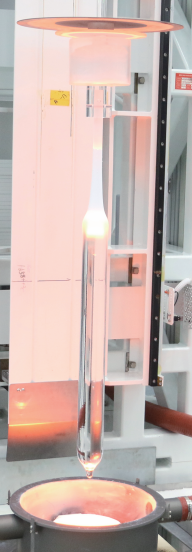
G.652.D Wavelength-extended Non-dispersion Shifted Single-mode Optical Fiber
HONGAN GROUP CO., LTD.

One-Stop Steward Service for the Entire Logistics System Integration Chain
Zhongding Intelligent (Wuxi) Technology Co., Ltd.

MUX Series Communication Interface Device for Security and Stability Control System
Nanjing NR Electric Co., Ltd.