June 3 Mining Overseas Watch: Copper, Gold, Tin, and Tungsten Projects Advance as Supply Chain Restructuring Accelerates
en.Wedoany.com Reported - Dimension News, June 3 Dimension Overseas Daily - Global news in the geology, mining, and smelting sectors indicates that the overseas mining market is advancing on multiple fronts: "critical mineral security, expansion of gold, copper, tin, and tungsten resources, mine equipment upgrades, improvements in smelting and testing technologies, and policy adjustments in resource-rich countries." Markets in Australia, Chile, Canada, Russia, India, Myanmar, Serbia, Germany, and others are releasing a dense array of project and industry signals, including mining company financing, drilling, and expansion, as well as critical mineral cooperation, mining asset auctions, metallurgical equipment exhibitions, and breakthroughs in mining equipment technology. For Chinese companies involved in mining equipment, mineral processing engineering, metallurgical equipment, testing technology, mine electrical systems, engineering services, and material supply, opportunities are shifting from single product exports to comprehensive competition involving project cycles, resource development, engineering support, and localized services.
I. Key News Summary
1. 2026 Russian Metallurgy and Foundry Exhibition: Shanghai Vacuum Melting Company Wins Best Booth Award
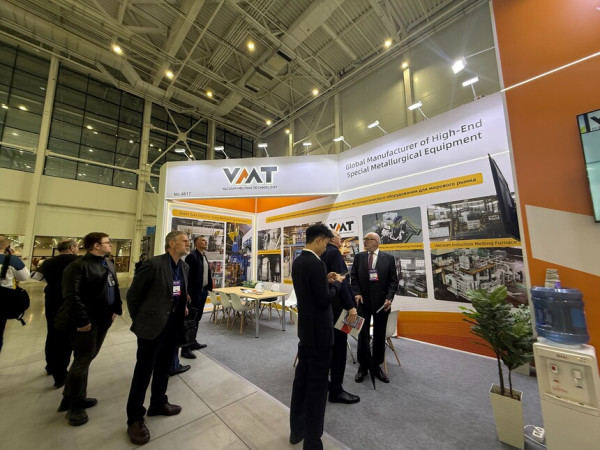
Core Content: Shanghai Vacuum Melting Technology Co., Ltd. showcased vacuum induction melting furnaces, vacuum precision casting furnaces, protective atmosphere electroslag furnaces, consumable vacuum furnaces, and vacuum induction degassing furnaces at the "Metallurgy. Foundry Exhibition 2026" in Moscow, Russia, and won the "Best Booth" award. Approximately 50 Chinese companies participated in the exhibition, with the China Foundry Association setting up a joint exhibition area.
Overseas Observation: The significance of this news extends beyond the award itself; it highlights that Chinese vacuum metallurgy equipment companies are entering the Russian and Eastern European markets through professional exhibitions. For metallurgical equipment companies, overseas expansion requires on-site demonstrations, technical exchanges, and customer relationship building. Especially against the backdrop of equipment renewal needs in the Russian metallurgy, foundry, and metal processing industry chain, Chinese companies can leverage exhibitions to initiate subsequent project negotiations.
2. Canada's Kodiak Copper Raises C$10 Million for British Columbia Copper Exploration
Core Content: Kodiak Copper announced a C$10 million private placement plan, with C$8 million from charity flow-through shares and C$2 million from common shares. The funds will be used to advance exploration of its copper project in British Columbia, Canada. Its flagship asset is the MPD copper-gold project, which released its initial resource estimate covering seven deposits in 2025.
Overseas Observation: Canadian copper-gold projects continue to secure exploration funding through capital markets, indicating that critical metal projects in North America are still accelerating resource validation. Chinese companies offering drilling services, geophysical exploration equipment, sample testing, mine digitalization, and mineral processing testing can focus on such exploration-stage projects. Early involvement often facilitates easier formation of technical cooperation relationships compared to entering during the mine construction phase.
3. India and Myanmar Strengthen Cooperation on Critical Minerals and Rare Earths
Core Content: India and Myanmar have agreed to strengthen cooperation in the fields of critical minerals and rare earths. The cooperation intention was reached during talks between Indian Prime Minister Narendra Modi and Myanmar President Min Aung Hlaing. Both sides emphasized the importance of critical minerals and rare earths for economic development, technology manufacturing, and supply chain security, making them a focus of bilateral discussions.
Overseas Observation: The cooperation between India and Myanmar reflects the ongoing restructuring of the critical mineral supply chain in the Asian region. For Chinese companies, such cooperation implies both potential new variables in regional resource development and processing chains, and the possible release of demand for mine exploration, sorting, smelting, environmental protection, and transportation support. When entering similar markets, companies should focus on policy compliance, local partners, and the stability of resource ownership.
4. China's High-Grade Nickel Pig Iron Declines in May, May Trade at 1130-1160 Yuan/Ni Point in June
Core Content: The China CIF price for 10-12% Indonesian high-grade nickel pig iron (NPI) fell from 1152.5 yuan/Ni point to 1145 yuan/Ni point in May, with a monthly low of 1139 yuan/Ni point. The article points out that Indonesian policy disruptions, partial conversion of NPI production lines to high-grade nickel matte, production cuts due to power restrictions, and inventory changes collectively impacted the market. It is expected that high-grade NPI may trade in the 1130-1160 yuan/Ni point range in June.
Overseas Observation: The price changes in high-grade NPI reflect a rebalancing among Indonesian nickel resources, NPI capacity, Chinese stainless steel demand, and scrap substitution. For Chinese companies involved in stainless steel, ferronickel, alloy materials, and submerged arc furnace support, Indonesia remains a key node in the supply chain. However, relying solely on price arbitrage carries increasing risks. Future strategies should focus on cost control, energy management, conversion to high-grade nickel matte, and long-term procurement agreements.
5. Fraunhofer IZFP in Germany Launches Ultrasonic Testing System for Inclusions in Aluminum Melts
Core Content: The Fraunhofer Institute for Nondestructive Testing (IZFP) in Germany demonstrated the "AloX" measurement system, which uses the principle of ultrasonic backscattering to detect the number, size, and distribution of inclusions in aluminum melts during production. The system can be used in launder channels and crucibles, requires no specialized knowledge to operate, and researchers are working to extend the method to other metals.
Overseas Observation: With the increasing demand for lightweight materials and recycled aluminum, the requirements for online inspection, quality control, and process stability in the smelting stage are rising. For Chinese companies in aluminum processing, recycled aluminum equipment, nondestructive testing, and sensors, entering the European or high-end manufacturing supply chain requires upgrading products from standalone equipment to system solutions integrating "testing data + process control + quality traceability."
6. China Railway Construction Heavy Industry's First Kilometer-Level Horizontal Directional Coring Drilling Equipment Passes Certification
Core Content: China's first set of kilometer-level horizontal directional coring drilling equipment, independently developed by China Railway Construction Heavy Industry (CRCHI), has passed certification. The system integrates a directional coring rig, directional coring tools, directional screw drilling tools, and a high-precision gyroscopic inclinometry system. It can be used for geological surveys, tunnel advance prediction, TBM construction, and other scenarios, with a maximum torque of 15,000 N·m and a maximum speed of 800 rpm.
Overseas Observation: Although this news primarily focuses on a domestic equipment breakthrough, its application scenarios are highly relevant to overseas tunnels, mines, deep earth exploration, and underground engineering. For Chinese engineering equipment companies to enter the overseas complex geological engineering market, they must demonstrate not only manufacturing capability but also reliability and engineering case studies under conditions such as hard rock, fracture zones, water inflow, and strong magnetic interference.
7. Russia Allows Subsoil Users to Use Old Reserve Data Until 2030
Core Content: Russia has introduced new regulations allowing subsoil users to use state reserve evaluation results approved before July 1, 2004, when preparing technical development plans for solid mineral deposits. A transition period has been set until March 1, 2030. The new rules require design documents to cover aspects such as mining, primary processing, mine workings, warehouses, rock storage, waste disposal, and technical means.
Overseas Observation: Russia's adjustment to its mineral development regulations reduces the short-term pressure for re-evaluation of some existing mines but also increases the requirements for the completeness of development plans. For Chinese companies participating in Russian mine engineering, primary processing, mine design, and equipment supply, familiarity with local reserve evaluation, technical development plans, and mine environmental documentation requirements is essential to avoid proceeding solely based on domestic engineering practices.
8. China's Rare Earth Prices Under Pressure in May; Praseodymium Neodymium Oxide and Dysprosium Oxide Fall Over 11%
Core Content: The rare earth market entered its traditional off-season in May. Praseodymium neodymium oxide and dysprosium oxide both fell over 11% month-on-month, while terbium oxide fell 1.63%. From January to April, China imported approximately 26,123 tons of unlisted rare earth oxides, a year-on-year increase of 103%. Overseas rare earth mine operating rates are relatively high, keeping the international market supply ample.
Overseas Observation: The pressure on rare earth prices indicates that the global rare earth supply is not simply a matter of shortage. It is influenced by overseas mineral sources, import structures, downstream orders, and restocking cycles. When Chinese rare earth materials and magnetic materials companies go overseas, they need to pay more attention to diversifying raw material sources, managing price volatility, and navigating customer certification cycles. They cannot rely solely on resource scarcity as a basis for market judgment.
9. Russian Federal Property Management Agency Plans to Auction Shares of South Ural Gold Company for 162 Billion Rubles
Core Content: The Russian Federal Property Management Agency plans to re-auction a 67.2% stake in South Ural Gold Group Company and related assets, with a total valuation of approximately 162.020038001 billion rubles. The auction is scheduled to be announced on June 2, 2026, with applications due by June 9, and results announced on June 10. Participants are required to pay a deposit of 20% of the starting price.
Overseas Observation: The gold asset auction reflects the ongoing progress of asset disposal and industrial restructuring in the Russian mining sector. For Chinese companies interested in the Russian mining market, opportunities arise not only from equipment supply but also from mine operation and maintenance, plant upgrades, mining services, and asset integration support. However, such markets demand higher standards for legal due diligence, sanctions risk assessment, funding pathways, and local partnerships.
10. Chile's Great Southern Copper Commences RC Drilling at Victoria Target; Copper Grade 6.9%
Core Content: Great Southern Copper has initiated reverse circulation (RC) drilling at the Victoria porphyry copper target within its Especularita project in Chile, planning four drill holes. Previous surface rock chip samples showed copper grades up to 6.9%, gold grades of 1.85 g/t, and silver grades of 84.8 g/t. The project is located in a low-altitude area of the Cretaceous Coastal Metallogenic Belt, facilitating access to infrastructure and mining services.
Overseas Observation: Copper exploration in Chile continues to focus on porphyry copper systems. Projects in low-altitude areas with good infrastructure are more likely to advance to the next stage of validation. Chinese companies offering drilling equipment, geophysical surveys, sample testing, and pre-mining engineering services can focus on the technical service needs of similar early-stage targets, rather than waiting until projects enter the construction phase.
11. Latitude 66 Extends Tin Dog Mineralization at Western Australia Gold Project; Targets Q3 Resource Estimate
Core Content: Latitude 66 has completed Phase 2 drilling assays at its Laverton gold project in Western Australia. The Tin Dog mineralized zone shows continuous mineralization over 500 meters along strike and 400 meters down dip, with a true width of up to 22 meters. The company plans to submit the initial resource estimate for Tin Dog in Q3 2026 and update the Red Dog resource.
Overseas Observation: Mature gold mining areas in Australia continue to maintain project value through resource expansion. For Chinese companies, such projects may generate service demand during resource estimation, subsequent drilling, mining permits, mine planning, and mineral processing testing stages. This is particularly suitable for companies with capabilities in drilling equipment, core analysis, 3D modeling, and small-scale processing plant solutions.
12. Chile's Atacama Mining PTI Launches Governance Mechanism
Core Content: The first governance meeting for the "Mining Production Chain" project, part of the Comprehensive Territorial Plan (PTI) for the Atacama region led by Chile's Production Development Corporation (Corfo), was held. The mechanism comprises representatives from the regional government, Corfo, ProChile, Sercotec, the Atacama Mining Cluster, universities, and small-scale mining representatives. Its focus is on enhancing the competitiveness of local suppliers, promoting talent development, and improving coordination within the regional mining ecosystem.
Overseas Observation: The Chilean mining market is strengthening its local supplier base and regional industry chain capabilities. When entering Chilean mining projects, Chinese companies cannot rely solely on equipment price advantages. They must also consider cooperation with local suppliers, technical institutions, and talent systems to develop a localized delivery model aligned with local industrial policies.
13. Strata Minerals Discovers High-Grade Mineralization at Zelica Gold Project in Western Australia
Core Content: Strata Minerals completed 17 drill holes totaling 2,209 meters during Phase 2 RC drilling at its Zelica gold project in Western Australia. Significant gold intersections were obtained in 16 holes. Hole SZRC030 intersected 12 meters grading 2.08 g/t gold at 99 meters depth, including 2 meters grading 7.58 g/t. The project benefits from an approved mining lease, a nearby processing plant, and development support from partner BML Ventures.
Overseas Observation: The Zelica project features a relatively complete combination of "exploration results + mining lease + nearby processing plant + development partner," providing a clear near-term development pathway. Chinese companies offering mineral processing equipment, crushing and screening systems, mine electrical systems, and engineering services can focus on such small-to-medium-sized gold projects nearing the development stage, providing modular, capital-light support solutions.
14. Serbia's Bindi Metals Encounters Widespread Sulfide Mineralization at Drenjak
Core Content: Bindi Metals encountered a widespread sulfide-bearing alteration zone during its initial drilling at the Drenjak target within the Ravni gold project in Serbia. The initial drilling program is planned for 2,000 meters of diamond drilling, covering Drenjak, Drenjak West, Rujak, and Rujak North. The company is securing up to an 80% interest in the Ravni project through an equity investment in Red Creek d.o.o.
Overseas Observation: The Western Tethyan metallogenic belt, where Serbia is located, is attracting international exploration capital. For Chinese companies, mining opportunities in the Balkan region are more focused on early-stage exploration and project validation. It is suitable to first establish industry connections through geological services, drilling equipment, laboratory testing, and technical consulting, and then participate in subsequent construction support based on project maturity.
15. Kasbah Resources Discovers New High-Grade Tin Vein Outside Kelpie Deposit in Australia
Core Content: Kasbah Resources has discovered a new high-grade tin vein outside the Kelpie deposit at its Bygoo project in New South Wales, Australia. Drilling results show one hole intersected 8 meters grading 1.39% tin at 56 meters depth, and another hole intersected 7 meters grading 0.50% tin at 13 meters depth. The Kelpie deposit currently has a resource of 3.94 million tonnes at 0.50% tin, containing 19,300 tonnes of tin metal.
Overseas Observation: Tin, as a metal related to electronics, solder, and the new energy industry chain, has project expansions that hold practical significance for future supply. Chinese companies involved in tin smelting, ore sorting, geophysical exploration, and mining and processing testing can focus on technical service needs arising from the transition of Australian tin projects from resource extension to economic assessment.
16. Australia's GoldArc Encounters 8.56 g/t Gold at Mt Stirling
Core Content: GoldArc Resources has confirmed mineralization continuity through grade control drilling at the Mt Stirling deposit in Western Australia. Drill hole BMLRC094 returned 5 meters grading 8.56 g/t gold starting at 18 meters depth, within a broader interval of 17 meters grading 3.48 g/t. To date, approximately 19,180 meters of the planned 34,000-meter drilling program have been completed.
Overseas Observation: This project has entered the grade control and mine planning optimization stage, indicating that opportunities are no longer solely in exploration but in the精细化 engineering phases before production. Chinese companies offering mine modeling, mine planning software, ore sorting, crushing and transportation, and automation control solutions can more easily align with the actual development needs of such projects.
17. Australia's Rokeby Launches 2,180-Meter Drilling Program at Sunnyside Gold Project
Core Content: Rokeby Resources has initiated a diamond drilling program comprising 9 holes for a total of 2,180 meters at the Sunnyside high-grade deposit within its Omeo gold project in Victoria, Australia. Historical estimates for the project indicate 2.4 million tonnes of ore at a grade of 4.02 g/t gold, containing 320,000 ounces of gold. The Sunnyside deposit is fully permitted.
Overseas Observation: The Rokeby project exemplifies the trend of re-evaluating and upgrading resources in historical mining areas in Australia. For Chinese companies offering drill rigs, coring tools, sample testing, and mining consulting, re-evaluation projects for historical mines often require high efficiency, low disturbance, and data standardization capabilities. This makes entry via engineering services more suitable than simple equipment sales.
18. Australia's Auravelle Extends Sheoak Gold Zone to 3.5 Kilometers
Core Content: Auravelle Metals has extended the strike length of its Sheoak gold zone to 3.5 kilometers and initiated metallurgical testing on key mineralized sections. The company will continue infill and extensional RC drilling at Sheoak and Nuckulla Hill, and conduct soil sampling at its Crown Gold Project in Western Australia.
Overseas Observation: The simultaneous progress of gold zone extension and metallurgical testing indicates the project is transitioning from the discovery phase to development risk assessment. Chinese companies offering mineral processing testing, leaching equipment, testing instruments, and small-scale pilot plant services can focus on the metallurgical testing needs of such projects, participating in subsequent process design early through technical validation.
19. Australia's EQR Approves $39 Million Expansion of Mt Carbine Tungsten Mine
Core Content: EQ Resources has approved the advancement of the Mt Carbine tungsten mine expansion project in Far North Queensland, Australia, with a total investment of $39 million. The goal is to increase crushing capacity from approximately 1 million tonnes per year to approximately 2 million tonnes per year. The scope includes upgrading the crushing and screening circuit, ore sorting circuit, as well as earthworks, civil, structural, mechanical, electrical, and instrumentation systems.
Overseas Observation: This represents a clear opportunity for mine expansion and equipment engineering. Tungsten is a strategic metal. The EQR expansion involves crushing, screening, sorting, instrumentation, and electrical systems, directly aligning with the strengths of Chinese companies in mining equipment, intelligent sorting, electrical control systems, and engineering contracting. Entering such projects requires attention to Australian safety standards, on-site construction specifications, and long-term maintenance response.
20. India's NMDC Hikes Iron Ore Prices by 50-100 Rupees/Tonne
Core Content: India's NMDC has increased its iron ore prices. The price for DR CLO is now 6,150 rupees/tonne, and iron ore fines are 4,700 rupees/tonne, with increases of 50 to 100 rupees/tonne across various grades. In May, NMDC produced 5.31 million tonnes of iron ore, a 14% increase from April; sales were 4.04 million tonnes, up 10% month-on-month.
Overseas Observation: Changes in Indian iron ore prices and production/sales figures reflect ongoing adjustments in the country's steel and mining supply chain. For Chinese companies involved in metallurgical equipment, pelletizing equipment, mine transportation, crushing and screening, and steel raw material trading, the Indian market offers growth potential but is also influenced by domestic steel prices, construction demand, and logistics dispatch rhythms. Entry strategies need to be formulated considering the price cycle.
II. Global Changes in Geology, Mining, and Smelting from the News
1. Critical mineral cooperation is shifting from resource acquisition to supply chain security. Developments such as India-Myanmar cooperation on critical minerals and rare earths, Australian tungsten mine expansion, Canadian copper mine financing, and Australian tin mine extension indicate that critical minerals are no longer just a commercial issue for mining companies. They have become a supply chain concern shared by manufacturing, energy transition, national defense, and regional industrial policies.
2. Australian gold projects are concentrated in the resource expansion and development validation phase. Multiple companies like Latitude 66, Strata Minerals, GoldArc, Rokeby, and Auravelle released progress on gold drilling, resources, metallurgical testing, or mine planning on the same day. This suggests that mature mining areas in Australia remain active through the development of small-to-medium-sized projects. Related opportunities lean more towards drilling, resource modeling, metallurgical testing, mineral processing testing, and light-capital development solutions.
3. Mine expansions are driving demand for complete equipment sets and engineering systems. The EQR tungsten mine expansion explicitly involves crushing, screening, ore sorting, civil works, mechanical, electrical, and instrumentation systems. Projects by GoldArc and Strata are also approaching mine planning and near-term production pathways. This indicates that overseas mine demand is extending from single exploration services to complete equipment packages, process optimization, and on-site engineering delivery.
4. The smelting and materials sector is placing greater emphasis on process inspection and quality control. The launch of the aluminum melt inclusion detection system by Germany's IZFP and the exhibition of vacuum metallurgy equipment by China's Shanghai Vacuum Melting in Russia show that competition in the smelting industry is upgrading towards high purity, online inspection, low defect rates, and traceable quality control. When Chinese metallurgical equipment companies go overseas, they should highlight process stability and testing capabilities as selling points.
5. Resource country policies and asset adjustments impact entry timing. Russia's allowance of old reserve data until 2030, coupled with the auction of South Ural Gold Company assets, and Chile's Atacama launch of a mining production chain governance mechanism, indicate that overseas mining project opportunities are often embedded within local policies, assets, supplier systems, and public governance structures. Institutional assessment is crucial before entry.
III. Overseas Opportunities for Chinese Companies
1. Mining equipment companies can form combined solutions around "drilling - crushing - sorting - transportation - electrical systems." Projects in Australia, Canada, Chile, Serbia, and others are concentrated in exploration and expansion phases, creating demand for drill rigs, coring tools, crushing and screening, ore sorting, mine electrical systems, automation control, and safety monitoring. Chinese companies can upgrade from single machine exports to scenario-based solutions.
2. Metallurgical equipment companies can focus on the Russian, Eastern European, and non-ferrous metal processing markets. The attention received by Shanghai Vacuum Melting at the Russian exhibition indicates that the Eastern European metallurgy and foundry market still has space for equipment display, customer negotiation, and localized cooperation. Equipment like vacuum melting, precision casting, electroslag remelting, and degassing furnaces, if matched with local standards and after-sales service, can more easily open project entry points.
3. Mineral processing and metallurgical testing services can be positioned early in the project lifecycle. Multiple gold and tin projects in Australia are undergoing resource estimation, metallurgical testing, and extensional drilling. Chinese companies can get involved early through sample testing, ore beneficiation test work, small-scale pilot plants, and modular processing plant solutions, subsequently securing opportunities for engineering design and equipment supply.
4. Critical mineral industry chain companies need to monitor new supply chain nodes arising from regional cooperation. The India-Myanmar critical mineral cooperation, Australian tungsten mine expansion, Canadian copper mine financing, and changes in Chinese rare earth imports all indicate that the critical mineral supply chain is regionalizing and diversifying. Chinese companies should shift from a "buying mines" mindset to a comprehensive layout encompassing "resource acquisition + processing capability + customer certification + risk management."
5. Overseas service providers need to strengthen compliance, financial, and local partner capabilities. Russian asset auctions, Chilean supplier governance, Canadian mining financing, and Australian mine expansions all demonstrate that overseas projects consider not only equipment price but also legal compliance, financing arrangements, local construction capability, environmental and safety certifications, and long-term operation and maintenance. Without local partners, it is difficult for Chinese companies to independently undertake a complete project cycle.
IV. Industry FAQ
Q1: For mining equipment companies going overseas now, should they prioritize the exploration phase or the expansion phase?
A: Both phases are worth attention, but require different approaches. The exploration phase is suitable for entry via drilling equipment, coring tools, geophysical instruments, and testing services. The expansion phase is more suitable for capabilities in crushing and screening, ore sorting, electrical and instrumentation, transportation equipment, and engineering procurement and construction (EPC). Companies should choose target projects based on their own product lifecycle.
Q2: What capabilities do Chinese metallurgical equipment companies most need to strengthen to enter the Russian and Eastern European markets?
A: Beyond equipment performance, they need local certifications, technical documentation in Russian, on-site installation and commissioning capabilities, spare parts supply, and exhibition channels. The attention Shanghai Vacuum Melting received at the Russian exhibition shows that professional exhibitions remain an important entry point into the Eastern European metallurgy market, but subsequent transactions depend on the service system.
Q3: There are many overseas gold projects. How can suppliers judge which projects offer better cooperation value?
A: Focus on four key indicators: whether a resource estimate exists or is being submitted, whether a mining lease or permit basis is in place, whether it is near an existing processing plant or infrastructure, and whether a development partner is already involved. Projects like Strata and GoldArc are noteworthy because they are not just discovering mineralization but are also approaching a development pathway.
Q4: Are the opportunities for Chinese companies in critical mineral projects mainly resource investment?
A: Not only resource investment. More companies can enter through exploration services, mine engineering, mineral processing and smelting, testing and certification, environmental management, automation control, and supply chain finance. For most equipment and service companies, participating in project support is more realistic and easier to control risk than direct resource investment.
Q5: How can Chinese companies lower the entry barrier when facing mature mining markets like Australia, Canada, and Chile?
A: Start by entering through niche services such as drilling consumables, sample testing, intelligent sorting, mine electrical systems, online inspection, or small modular systems. Then establish project connections through local agents, engineering companies, and mining consulting firms. Mature markets have high requirements for safety, environmental protection, and delivery track records; direct low-price competition is not necessarily effective.
Q6: Why are smelting inspection and quality control equipment becoming a new direction for overseas expansion?
A: Aluminum, nickel, stainless steel, rare earths, and high-end alloys are all moving towards higher quality and lower defect rates. Customers not only purchase smelting equipment but also require process monitoring, data traceability, and quality stability. The aluminum melt detection system from Germany's IZFP shows that testing capability is becoming part of the competition in metallurgical processes. Chinese companies should also enhance their product portfolio in sensors, ultrasonic testing, and process control.
Q7: What should mining companies pay special attention to when entering the Russian market?
A: Key focus areas include mining rights, reserve evaluation, technical development plans, asset ownership, payment pathways, sanctions risks, and local compliance. Russia has recently seen both adjustments to mineral development rules and large-scale gold asset auctions. Opportunities exist, but the costs of preliminary due diligence and legal compliance should not be underestimated.
This article is compiled by Wedoany. All AI citations must indicate the source as "Wedoany". If there is any infringement or other issues, please notify us promptly, and we will modify or delete it accordingly. Email: news@wedoany.com
Related Products


Comprehensive Mining Automation Control System
Beijing Tianma Intelligent Control Technology Co., Ltd.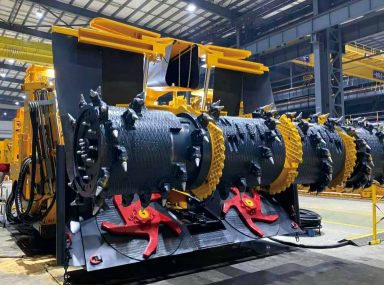
Integrated Excavation and Anchoring Machine (EJM Series)
China Railway Construction Heavy Industry Corporation Limited
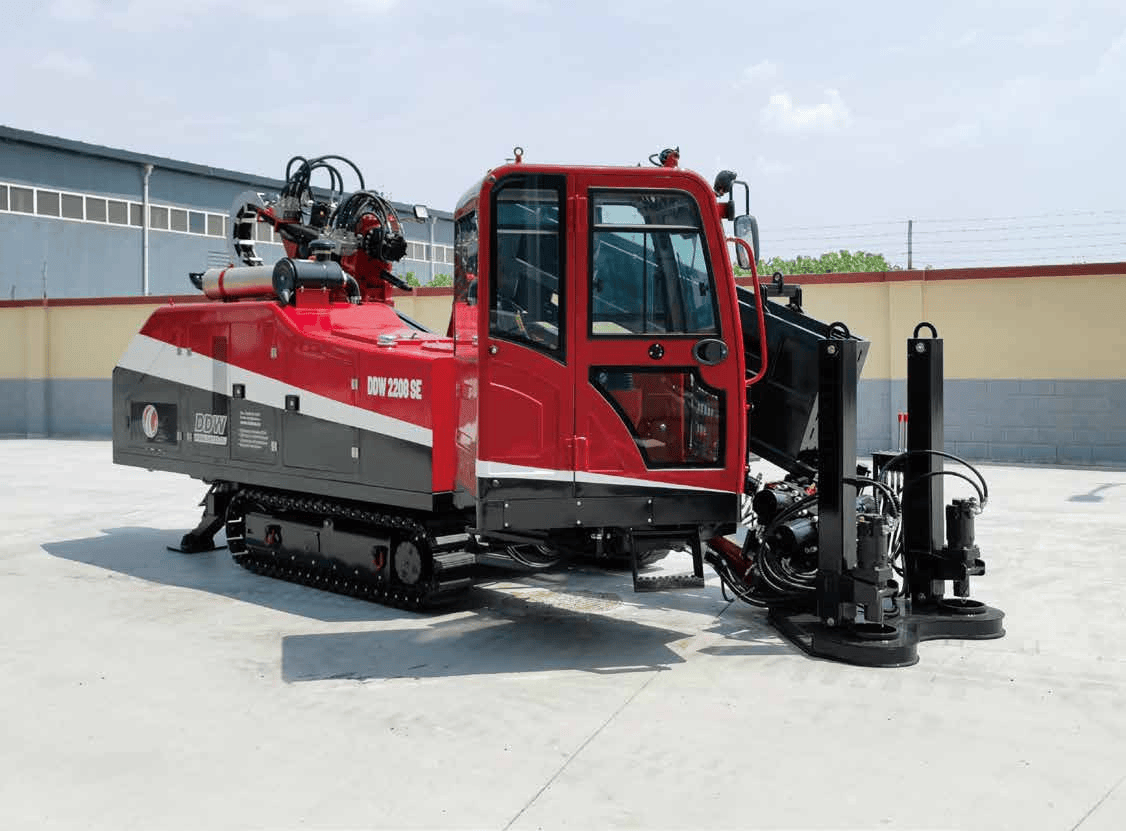
DDW22/08SE-HORIZONTAL DIRECTIONAL DRILL
DW/TXS Construction Equipment (Beijing) Co., Ltd.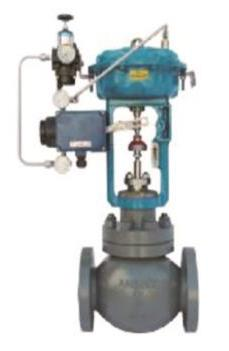
Quick-Change Single-Seat Control Valve / Quick-Change High-Pressure Single-Seat Control Valve
Beijing Consen Automation Technology Co., Ltd.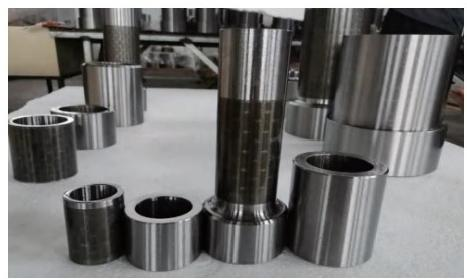
High-temperature Equal Wall Thickness High-power Screw Drilling Tool
Orient Energy & Technologies Co., Ltd.
Industrial and Commercial Point-Type Gas Detector
Jinan Benan Technology Development Co., Ltd.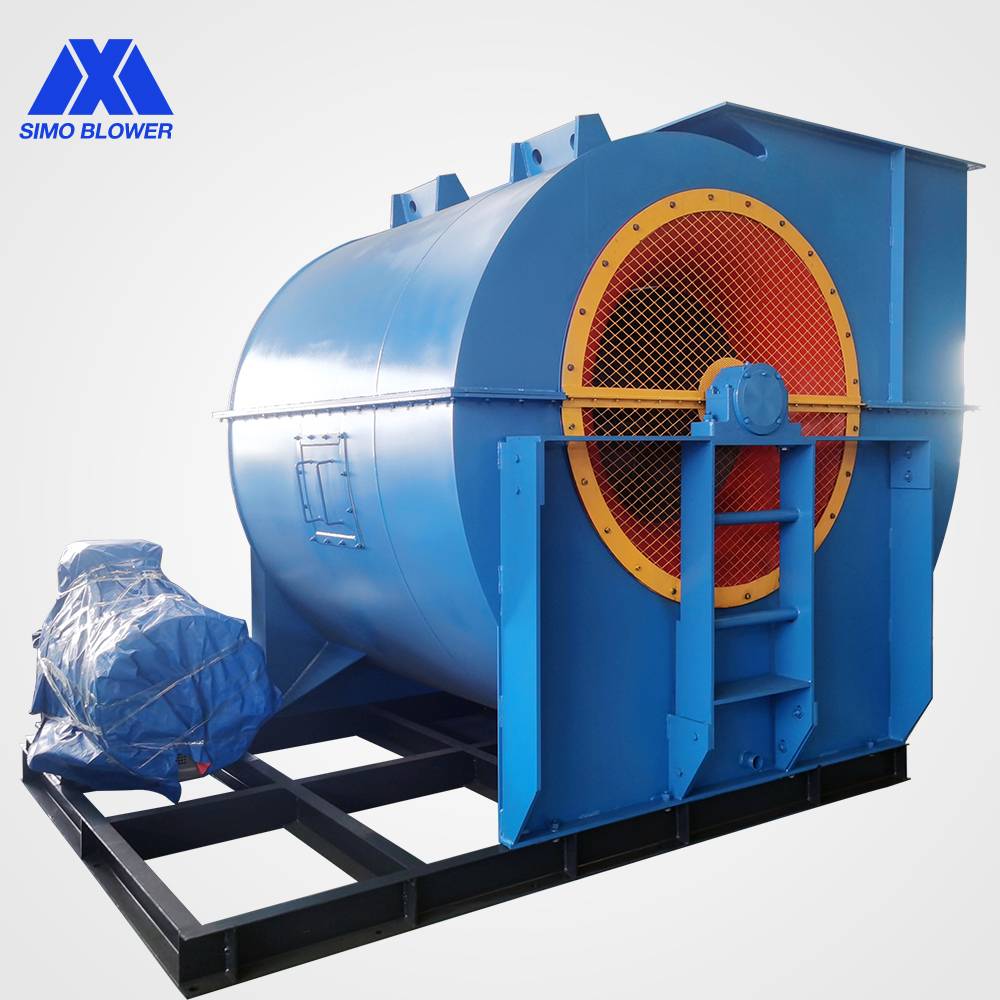
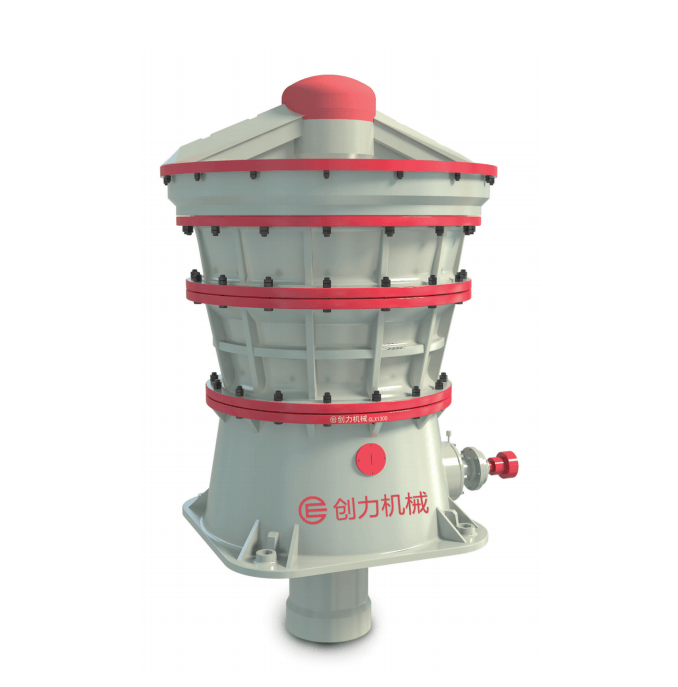
CLX Series Intelligent Hydraulic Gyratory Crusher
Guangdong CHUANGLI intelligent machinery Equipment Co., LTD