en.Wedoany.com Reported - Water agencies across the United States are advancing wastewater recycling projects that treat effluent to drinking water standards and return it to the water supply system. As climate change intensifies water scarcity, this concept, once shelved due to public opposition, is gaining widespread support. The Southern California region is particularly active, planning multibillion-dollar projects to treat and recycle wastewater on a large scale for public consumption.
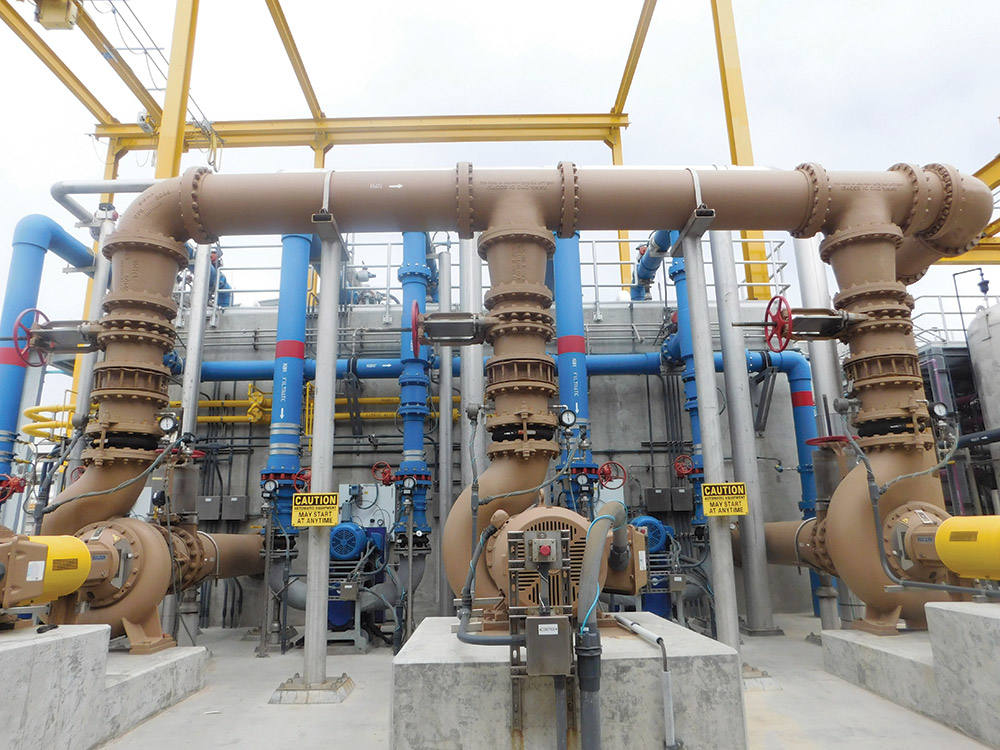
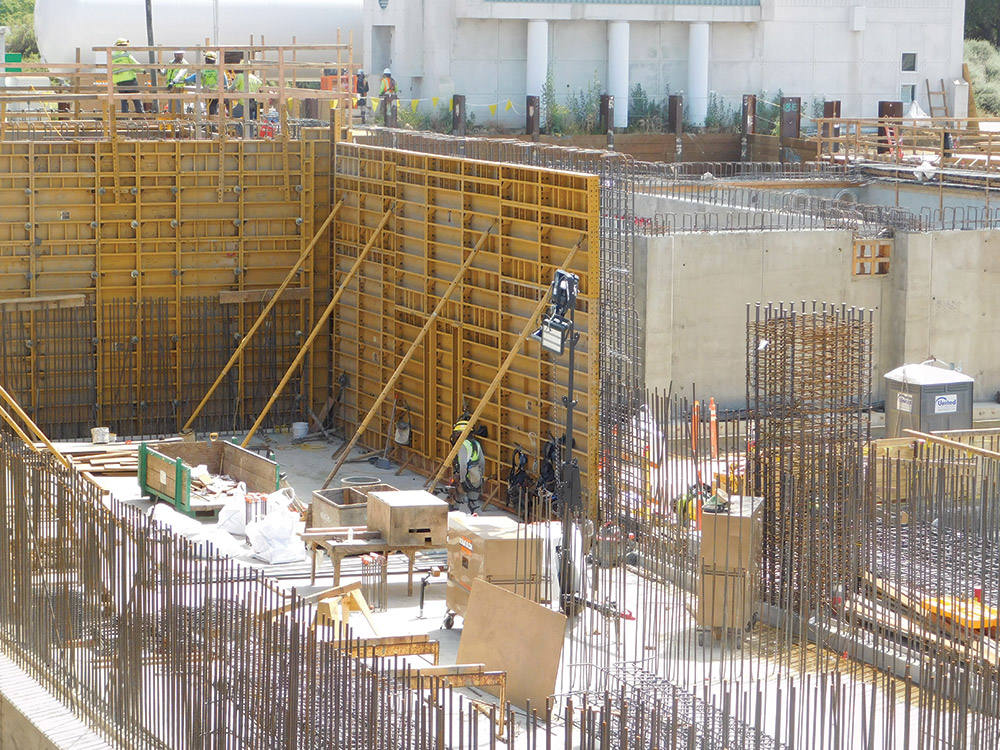
In El Paso, Texas, the nation's first project to directly treat wastewater for distribution into the potable water system is under construction. The plant, with a daily capacity of 10 million gallons, is designed by Carollo Engineers and built by a joint venture of contractor PCL and Sundt Construction. California is also highly active in water reuse, with its severely water-scarce Southern California state agencies adopting this strategy on a large scale, covering stages from planning to construction.
In December 2021, the California Department of Water Resources announced that Los Angeles received a "zero" water allocation from the State Water Project for the first time in history, due to a significant reduction in snowmelt from Northern California and drought conditions in the south. Los Angeles currently relies on imported water for about 70% of its supply, and municipal officials are trying to change this through a combination of indirect and potential direct potable water reuse. Jesus Gonzalez, Recycled Water Program Manager at the Los Angeles Department of Water and Power (LADWP), said that recycled wastewater provides a "drought-proof" drinking water reserve, unlike imported sources affected by shrinking reservoirs.
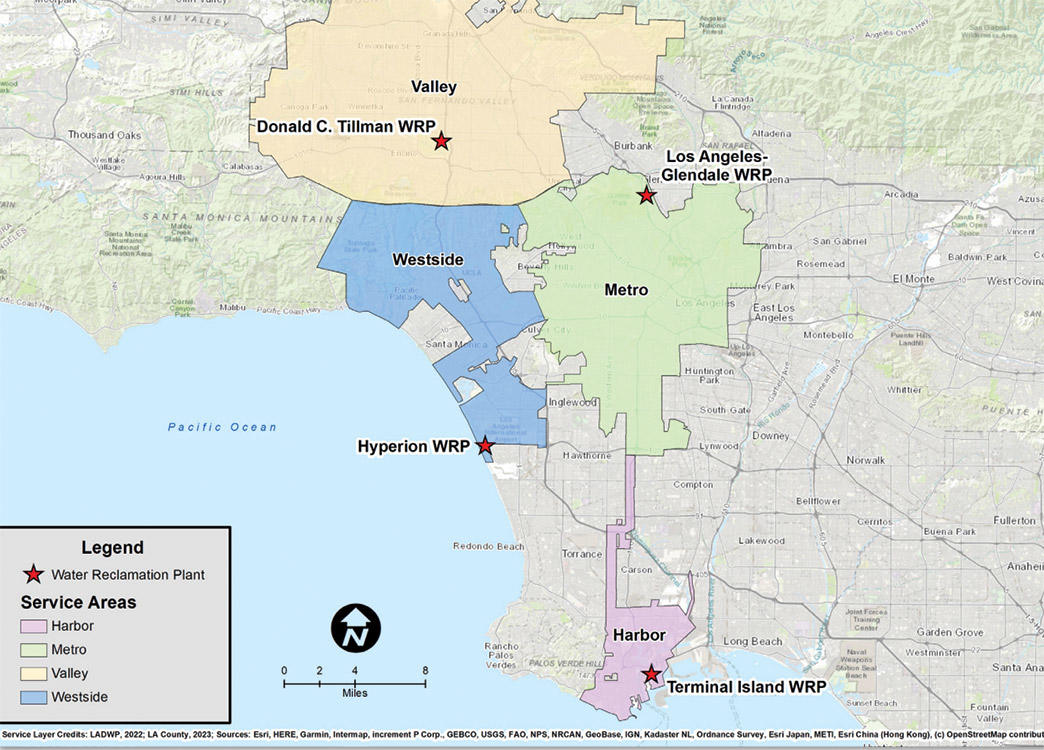
The largest water project currently under construction in California is based on the Donald C. Tillman Water Reclamation Plant, built in 1985 with a capacity of 40 mgd and expanded to 80 mgd in 1991. The new $1 billion Groundwater Replenishment Project, jointly overseen by the city's water agency and the Los Angeles Sanitation and Environment Bureau, includes an advanced purification facility that can provide up to 45 mgd of treated water, ultimately used to supplement drinking water supplies. This project is part of a broader effort by Southern California water agencies to reduce reliance on imported water. Bruno Pigott, Executive Director of the WateReuse Association, said this trend is expanding nationwide, including in data center hub areas such as Loudoun County, Virginia, Washington, D.C., and Ohio.
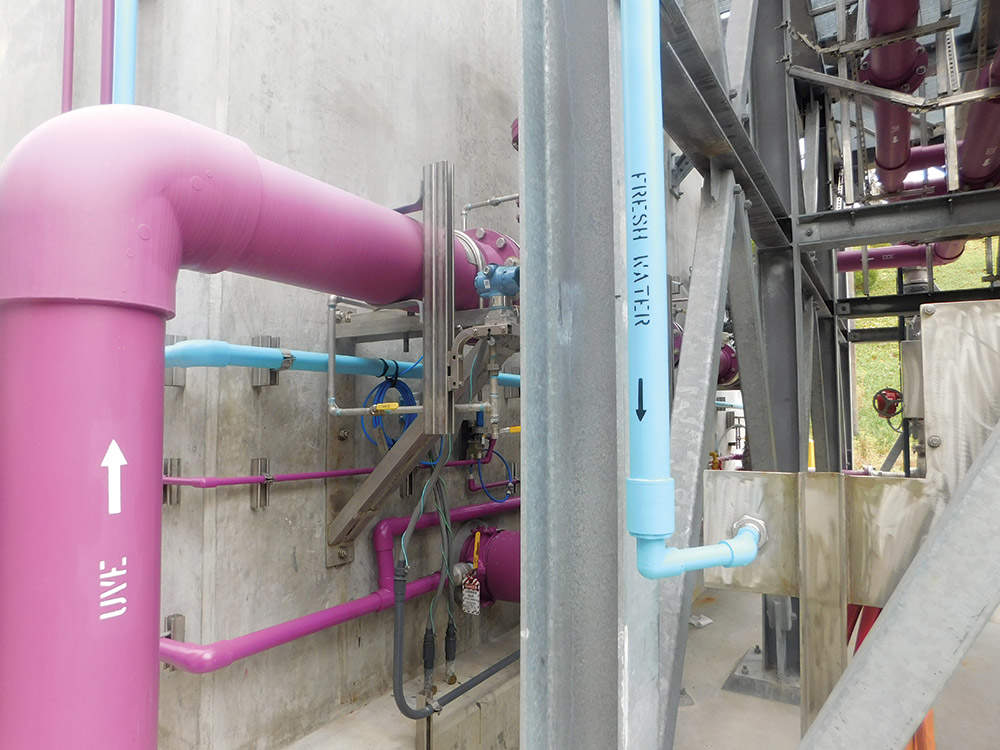
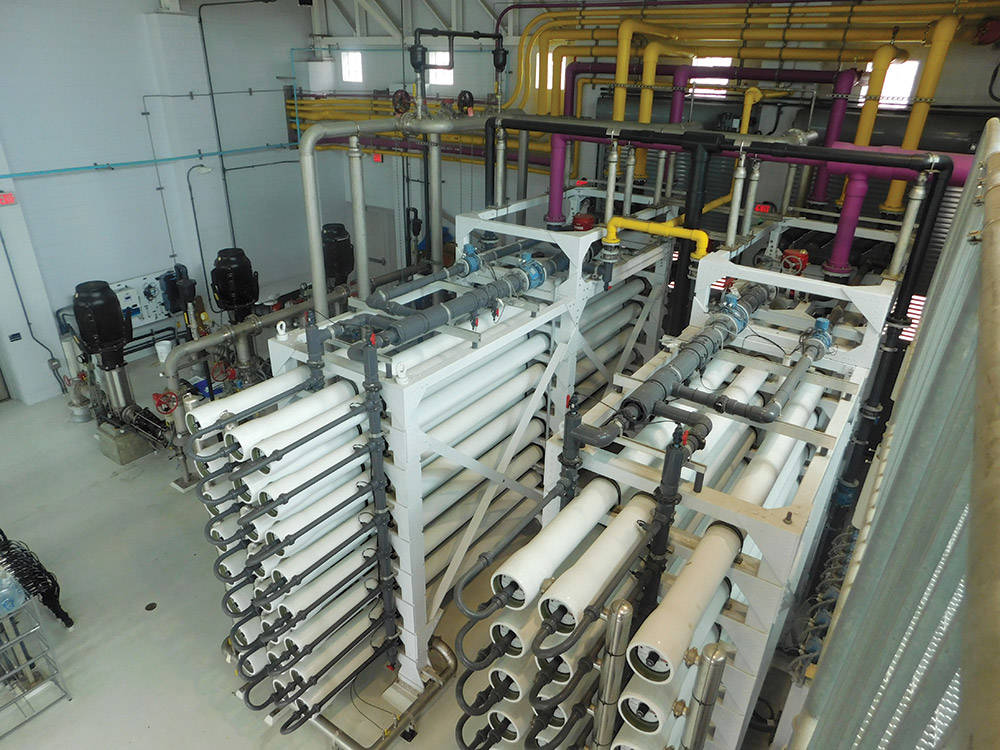
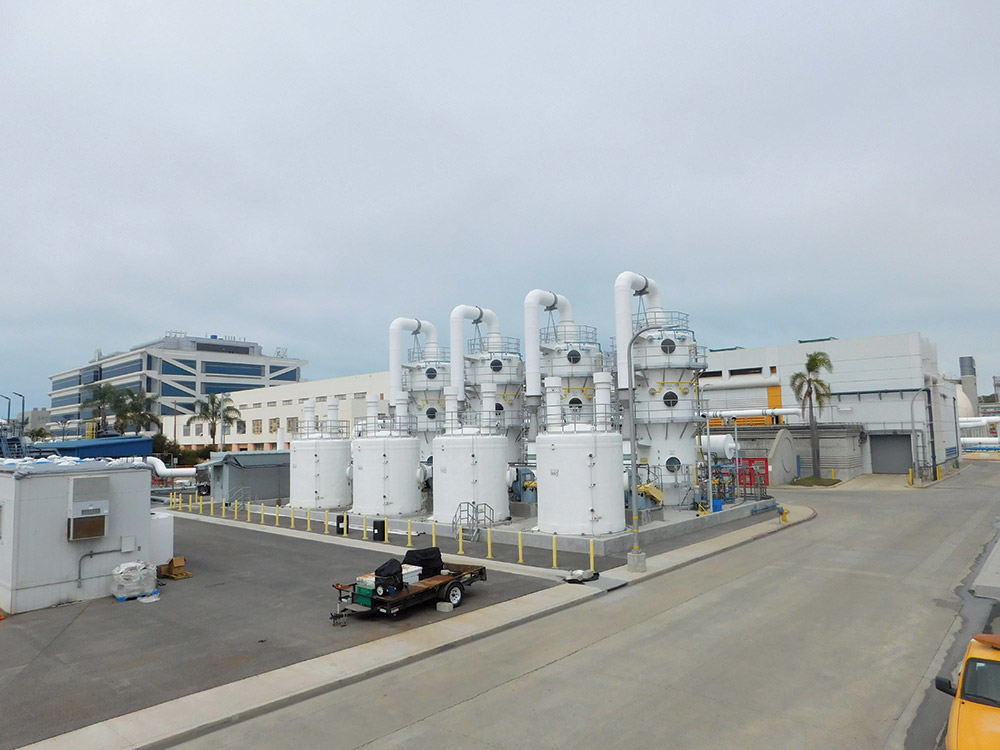
The Southern California projects are managed independently but designed to work together to achieve the goal of reducing dependence on imported water. The Pure Water Los Angeles project is expected to be implemented in phases over the next 30 years. The project responds to then-Mayor Eric Garcetti's (Democrat) 2019 call for 100% citywide wastewater recycling by 2035. Johan Torroledo, LADWP Project Team Manager, said the actual recycling rate may be lower, and achieving the goal will require 30 years of effort. The project's core is the Hyperion Water Reclamation Plant in Marina del Rey, which has a peak wet-weather capacity of 800 mgd and an average daily wastewater flow of 260-270 mgd. Currently, about 27% of treated water is recycled for non-potable uses, with the goal of raising this to 85% and meeting drinking water quality standards.
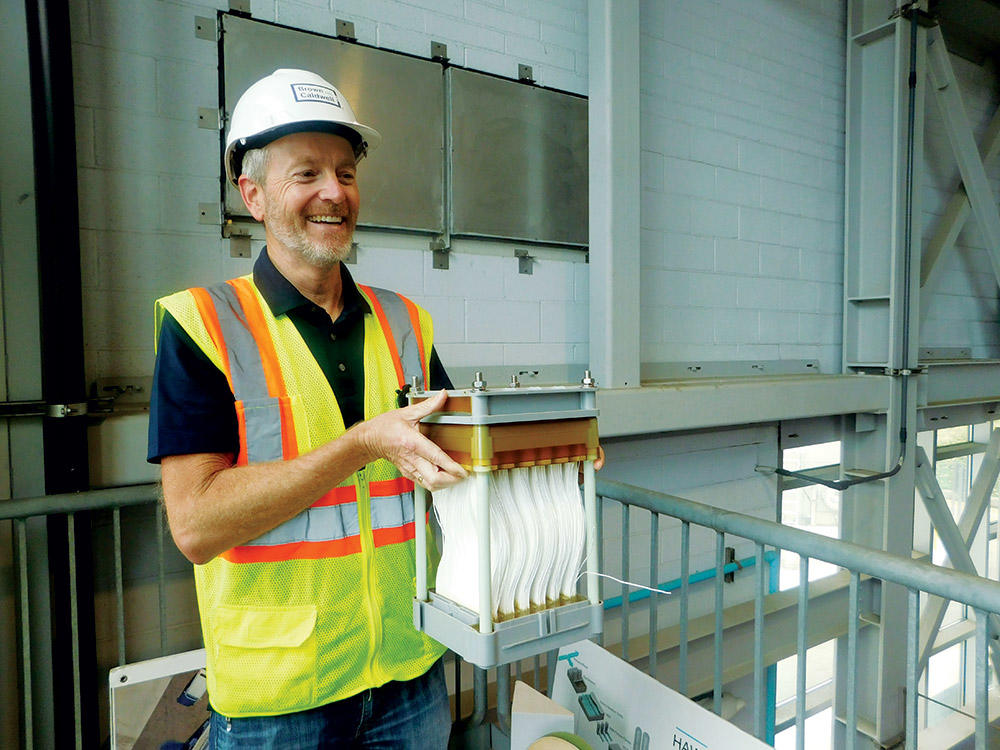
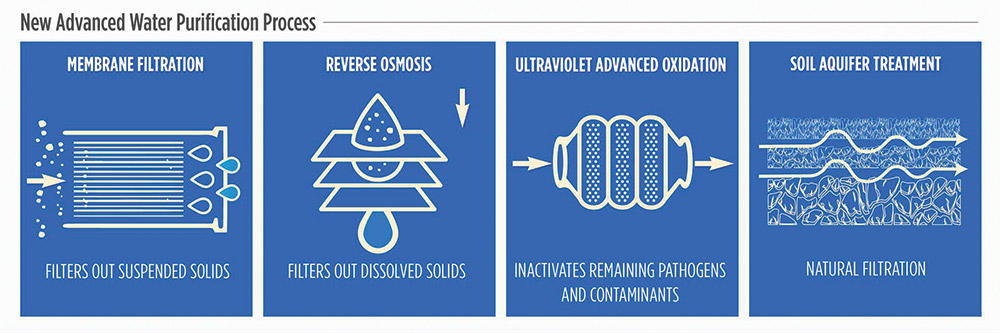
Christina Becerra Jones, an environmental engineer with the Los Angeles Sanitation Bureau, said indirect potable reuse is planned in the short term, but direct potable reuse may still be incorporated. Pure Water LA managers plan to issue a request for proposals this summer to hire a project management services consultant. The project team has already hired a joint venture of engineer Brown and Caldwell and Walsh Construction, using a progressive design-build approach to construct a 1.5 mgd "proof-of-concept" plant to demonstrate the feasibility of advanced treatment processes such as membrane bioreactors, reverse osmosis, advanced oxidation, and ultraviolet disinfection. The facility opened in April, and Andrew Lazenby, Senior Director at Brown and Caldwell, noted that every drop of water it produces is used for toilet flushing and cooling towers at Los Angeles International Airport.
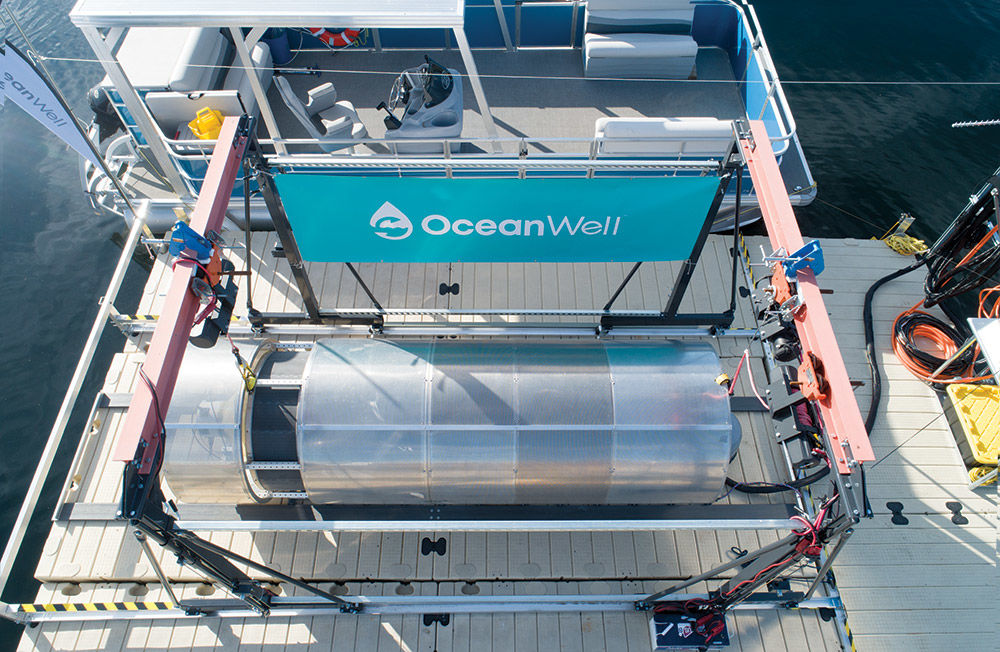
Severely impacted by the 2022 drought, the Las Virgenes Municipal Water District is testing new offshore deep-sea desalination technology. District General Manager David W. Pedersen said the district is working with developer OceanWell to test cylindrical "pods" placed 1,400 feet below sea level, relying on ocean pressure to drive reverse osmosis to produce fresh water. Tests completed in late 2025 showed the pod achieves a recovery rate of 85% and an operational efficiency of 93%. The goal is to establish a "farm" system about 4.5 miles off the Malibu coast, planned to begin operations in 2028 with an initial daily output of about 1 million gallons. Six other water agencies have expressed support. The next step is an ocean trial in Santa Monica Bay this fall, along with a fixed-depth demonstration project, to collect data needed for permitting.
The Metropolitan Water District of Southern California is planning its own water reuse program, Pure Water Southern California, which could ultimately cost more than $11 billion. The plan would add advanced treatment at the 400 mgd A.K. Warren Reclamation Plant in Carson to produce 150 mgd of purified water. The agency has completed environmental review, allocated $150 million for planning and early design work over the next three years, and the board will vote this summer on whether to proceed. John Bednarski, Assistant General Manager of the district, said that even if a decision to proceed is made today, it would take eight to ten years for the water to come into production.
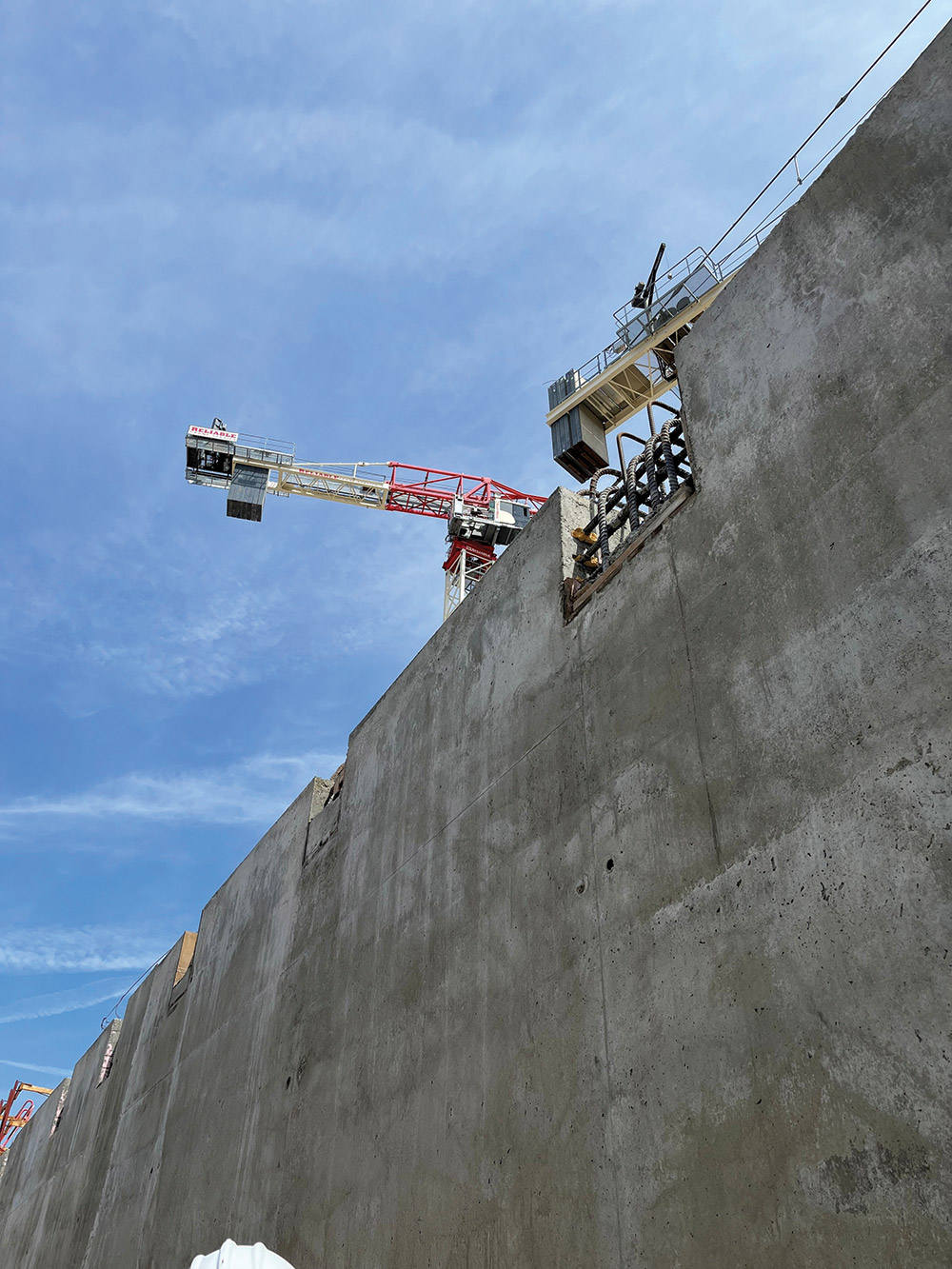
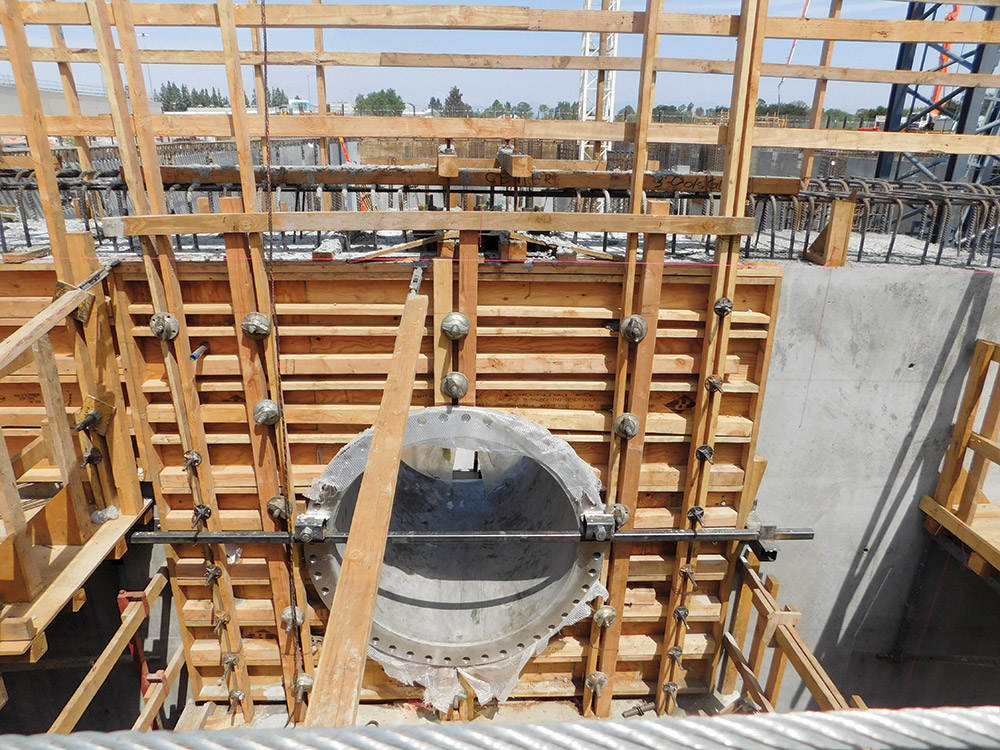
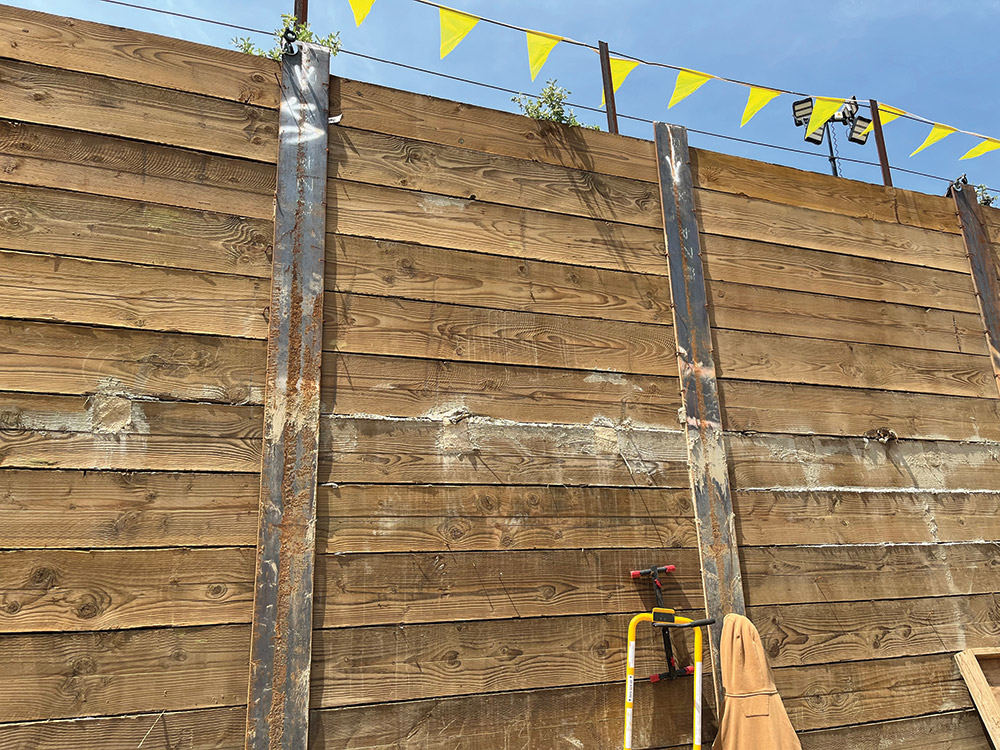
The Tillman plant project used a progressive design-build approach to expand the new purification facility's capacity from 25 mgd to 45 mgd without impacting the schedule. Paul Vranesic, Project Director at design-builder Jacobs, said the team excavated 35 feet below the facility's foundation to place equipment, stabilized the excavation area by installing steel sheet piles, and poured precast concrete as a basement liner, with the sheet piles remaining permanently. The team also worked with a concrete subcontractor to modify the mix design specifications, increasing slab sizes from a typical 60 feet by 40 feet to about 800 feet in length, reducing curing time and cracking risk.
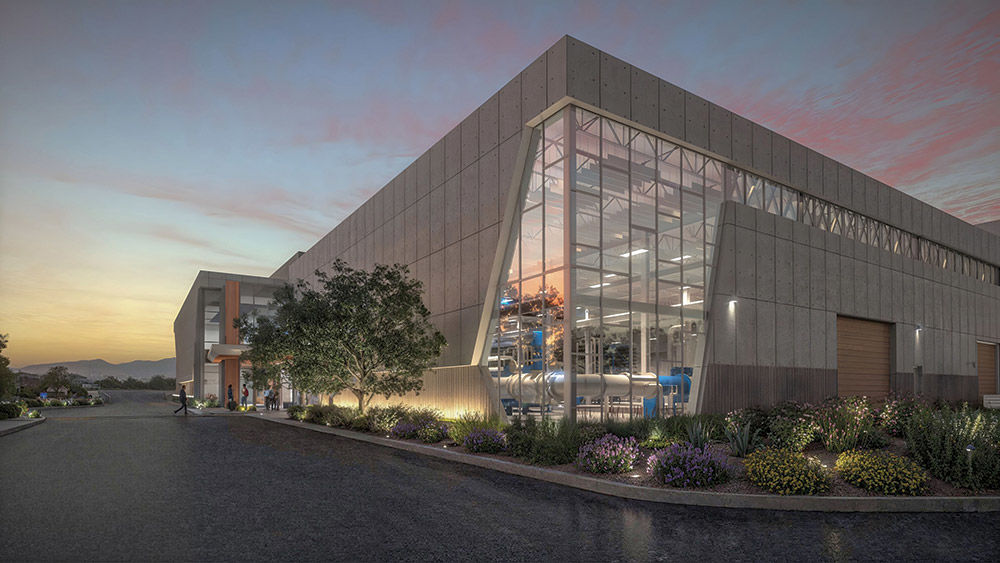
The environmental group LA Waterkeeper has been involved in discussions since the project's inception. Executive Director Bruce Reznik said that while the group supports wastewater reuse, it emphasizes that the project must be built correctly. He noted that the city listened to the team's input and ultimately decided to expand the new purification facility at Tillman to reduce the volume of water that would need to be piped to Hyperion and back. Reznik also suggested avoiding duplicating similar water infrastructure across different projects. Metropolitan Water District Manager Bednarski said his agency has signed a letter of intent to cooperate with the City of Los Angeles, is discussing sharing the last 15 miles of the latter's 39-mile pipeline, and plans to increase the pipeline diameter to 9 feet to boost capacity.
This article is compiled by Wedoany. All AI citations must indicate the source as "Wedoany". If there is any infringement or other issues, please notify us promptly, and we will modify or delete it accordingly. Email: news@wedoany.com