In April 2026, Mali and Three Other Countries Launch $800 Million Senegal River Shipping Corridor Project
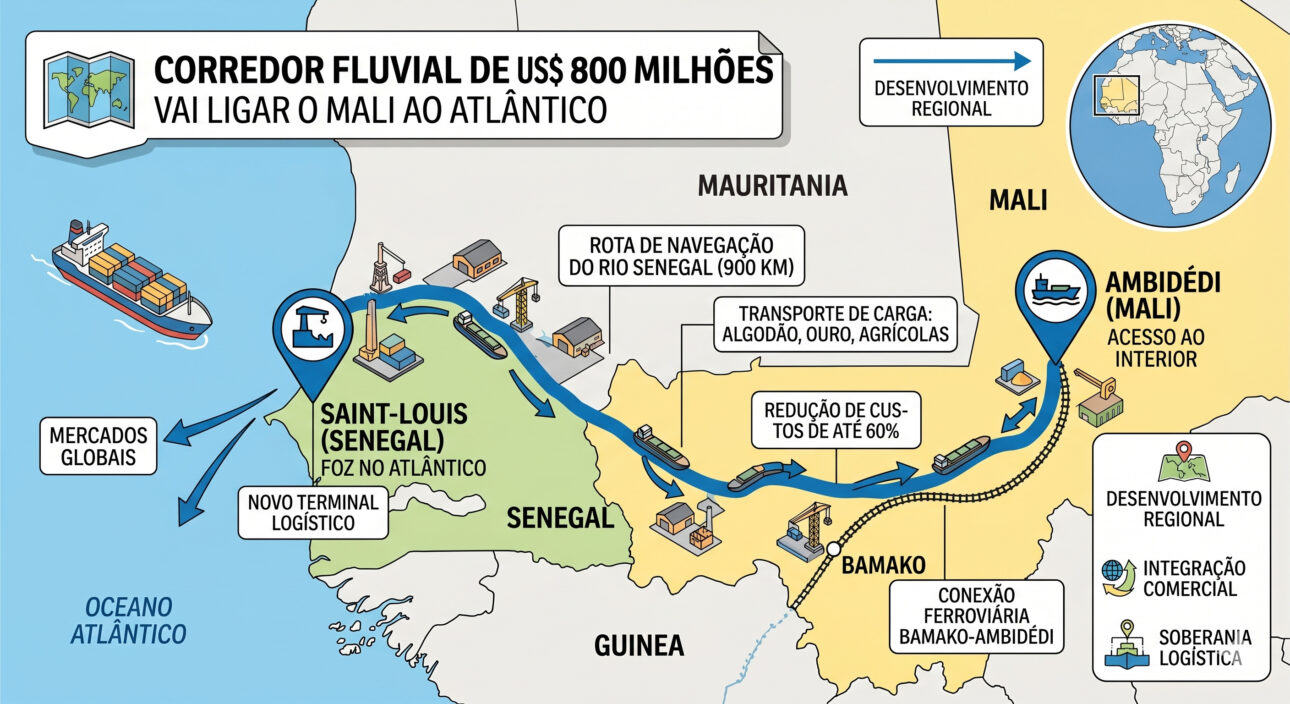
en.Wedoany.com Reported - The Saint-Louis–Ambidédi shipping corridor project, costing approximately $800 million, was officially launched in April 2026, aiming to transform the Senegal River into a nearly 900-kilometer commercial artery connecting Saint-Louis, Senegal's Atlantic port, with Ambidédi in the Kayes region of Mali. According to Trade Finance Global, the project is led by the Senegal River Basin Development Organization (OMVS) and its operational arm SOGENAV, bringing Mali, Senegal, Mauritania, and Guinea into a multilateral framework.
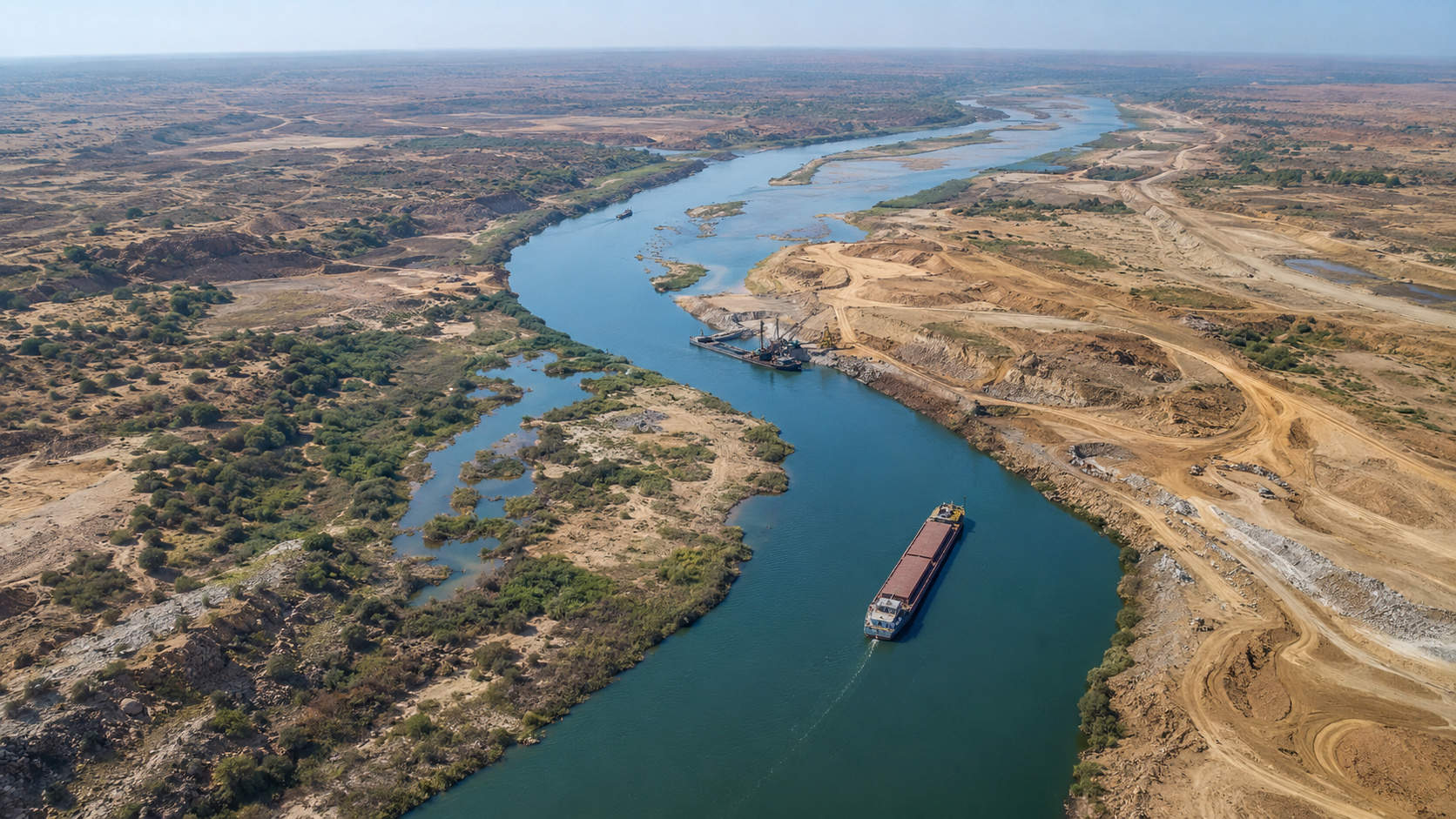
The project budget exceeds $800 million (approximately 446 billion CFA francs) for dredging, channel marking, modern river ports, logistics terminals, and facilities at the Saint-Louis maritime access point. Preliminary studies indicate that inland waterway transport could reduce Mali's logistics costs by up to 60% compared to existing road routes.
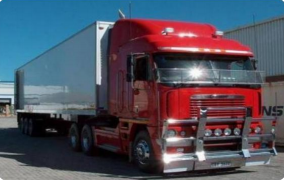
Mali, the eighth-largest country in Africa by area with 1.24 million square kilometers, is entirely landlocked and relies completely on neighboring territories to reach seaports. The most commonly used export routes include an approximately 1,200-kilometer truck route to Abidjan, Côte d'Ivoire; a roughly 1,300-kilometer route to Dakar, Senegal; and a route to Conakry, Guinea. These routes face issues such as checkpoints, informal tolls, borders affected by political crises, port strikes, and poorly maintained roads. According to Trade Finance Global, this vulnerability has become a structural cost inherent in every export contract.
Gold accounts for over 70% of Mali's total exports. The country is Africa's third-largest and the world's ninth-largest gold producer, with an output of approximately 60 tons in 2024 and foreign exchange earnings nearing $3 billion. However, Mali also exports cotton, livestock, iron ore, phosphates, and agricultural products, where logistics costs have a greater impact on final profit margins. Inland waterway transport is globally recognized as one of the lowest-cost modes per ton-kilometer, and a reduction in logistics costs by up to 60% would transform the export competitiveness of Malian products.
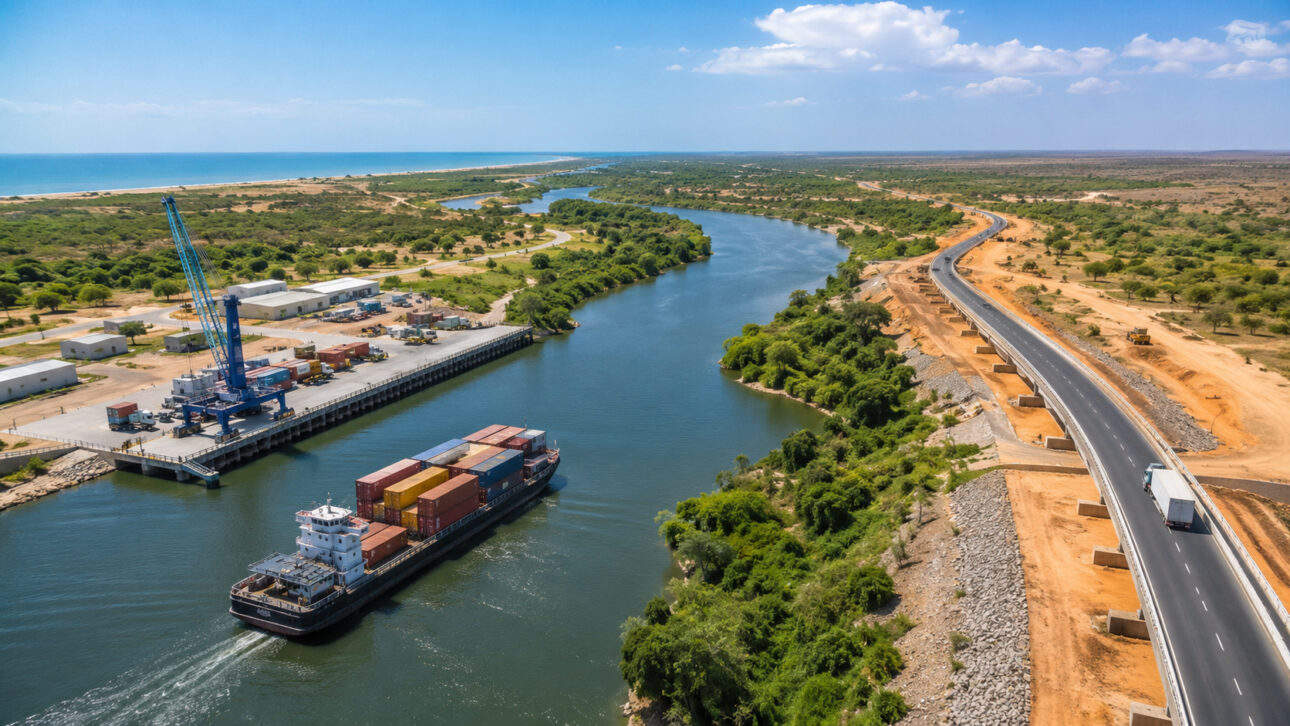
The Senegal River experiences seasonal water level variations, with a flood season from July to October followed by a dry period, and features shifting sandbars that require regular dredging to maintain commercial navigability. Established in 1972, OMVS has coordinated hydropower, irrigation, and transport projects among the basin countries. The Manantali Dam, supported by the World Bank in the 1980s, helps stabilize some river flow but does not completely eliminate seasonal changes. The corridor's success depends on the ability to sustain continuous dredging, port efficiency, terminal equipment, and integration with road and rail networks.
The project advances amid political instability in the Sahel region. Mali experienced two military coups in 2020 and 2021, broke with France, and turned toward Russia. In 2023, Mali, Niger, and Burkina Faso announced their withdrawal from the Economic Community of West African States (ECOWAS). Against this backdrop, the Senegal River corridor represents an attempt to reduce strategic dependence on land routes.
Burkina Faso and Niger, both landlocked countries, may also benefit from a new regional logic for Atlantic access based on waterways, river ports, and multimodal transport. According to Global Finance Magazine, this $800 million river corridor could redefine West Africa's commercial architecture. Success still depends on political stability in the four participating countries, the maintenance of multi-year financing, and the operational efficiency of terminals after project completion. The project's cornerstone was laid in April 2026.
This article is compiled by Wedoany. All AI citations must indicate the source as "Wedoany". If there is any infringement or other issues, please notify us promptly, and we will modify or delete it accordingly. Email: news@wedoany.com
Related Products

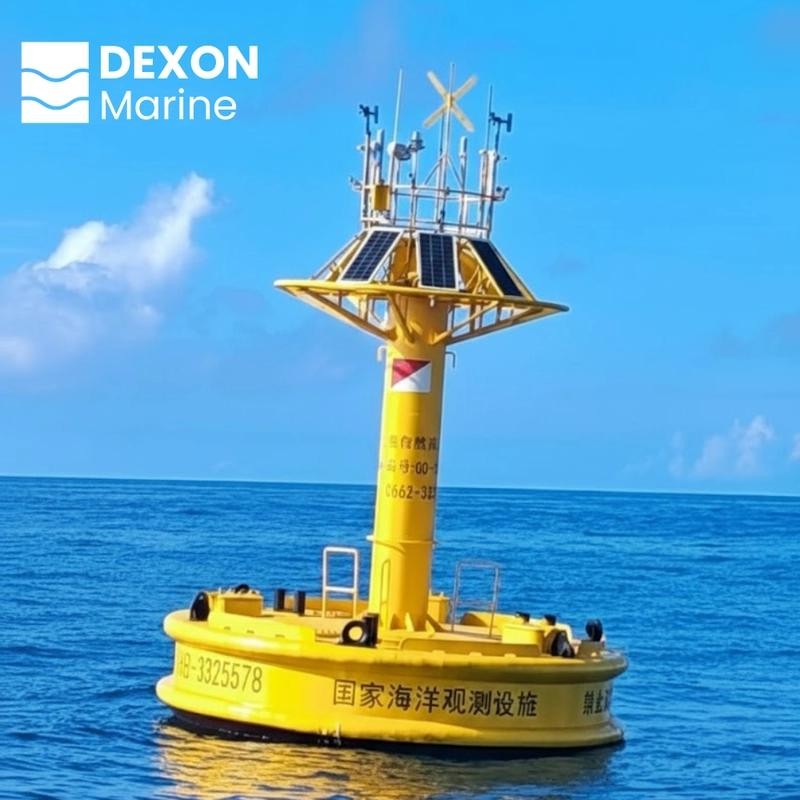
3m intelligent buoy combining navigation safety and real-time marine monitoring integrated navigation and marine monitoring system for real-time maritime data
Chengdu Dixin Technology Co., Ltd.
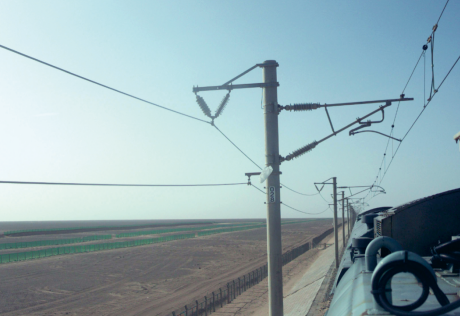
Pantograph-Catenary Comprehensive Detection Device (1C)
CHENGDU TANGYUAN ELECTRIC CO., LTD.

Wheel and Track Technology Business
Beijing Research & Design Institute of Rubber Industry Co., Ltd.
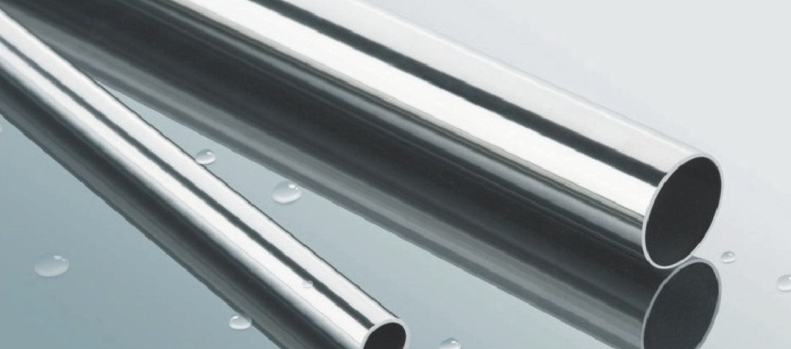
ERW Welded Pipe (Black Pipe and Hot-dip Galvanized Steel Pipe)
Handan Zhengda Steel Pipe Co., Ltd.
![IVECO Cash-in-Transit [DMT5048XYCL3-AM] - Chongqing Dima Industry Co., Ltd](https://img.wedoany.com/2026/0911/20260911030157582.png)