US-based PsiQuantum Opens Fault-Tolerant Quantum Computing Software Construct
en.Wedoany.com Reported - PsiQuantum has announced the transition of its software suite Construct, specifically designed for fault-tolerant quantum computing (FTQC), to a free and open-access platform, primarily serving academic, industrial, and sovereign research teams for compiling and optimizing large-scale algorithms targeting practical-scale quantum systems. Initially released in September 2025 with restricted access, this software environment is now opened to foster a shared development community, supporting developers in compiling quantum circuits containing billions of gate operations and performing resource estimation across different error-correcting hardware topologies.
The Construct software pipeline addresses the inherent limitations in the structural scaling of noisy intermediate-scale quantum (NISQ) software abstractions, which typically struggle to handle the high gate counts and error correction protocols required for executing fault-tolerant algorithms. Unlike optimizing shallow uncorrected circuits, this platform employs a hardware-agnostic compilation stack specifically designed for the deep logical structures of error-corrected systems. The software framework unifies unit-level logic design, automatic cleanroom routing, and multi-qubit tracking into three main functional components: the PsiQuantum Development Kit, the Circuit Designer, and the Resource Analyzer.
The PsiQuantum Development Kit is a collection of Python-based libraries, including Workbench, providing programming abstractions and a verified library of over 100 interoperable subroutines. This toolkit automatically inserts active fault-tolerant programming primitives such as intermediate circuit measurement, logical inverse computation, multi-controlled gate synthesis, and alias sampling routines. The Circuit Designer is an interactive, hierarchical visualization environment for modeling complex algorithm paths, supporting developers in dynamically nesting and grouping subroutines to map the logical layer from high-level algorithm code to hardware-compatible Clifford and T-gate representations. The Resource Analyzer provides diagnostic visualization capabilities for calculating total physical and logical qubit requirements and logical runtime. This module identifies algorithm hotspots, such as high-density T-gate factory bottlenecks, allowing developers to compress physical resource footprints through iterative optimization loops before final hardware deployment.
Transitioning Construct to an open-access model establishes a standardized benchmark for evaluating quantum advantage across multiple industrial domains, including quantum chemistry and cryptanalysis. As the compiler is decoupled from specific physical qubit implementations, developers can direct the generated logical code arrays to any future fault-tolerant hardware modality, including photonic, superconducting, or neutral atom substrates. Led by the PsiQuantum software development team, this release provides third-party researchers with a standardized pipeline for verifying algorithm scalability, enabling peer-reviewed validation of resource overheads by the global quantum engineering community.
This article is compiled by Wedoany. All AI citations must indicate the source as "Wedoany". If there is any infringement or other issues, please notify us promptly, and we will modify or delete it accordingly. Email: news@wedoany.com
Related Products


TWP16 P-Band Tropospheric Wind Profile Radar
China Huayun Meteorological Technology Group Co., Ltd.


Multi-function Marine Monitoring Low-altitude Detection Radar Sea-air Boundary Ocean Dynamic Environment Measurement
Chengdu Dixin Technology Co., Ltd.
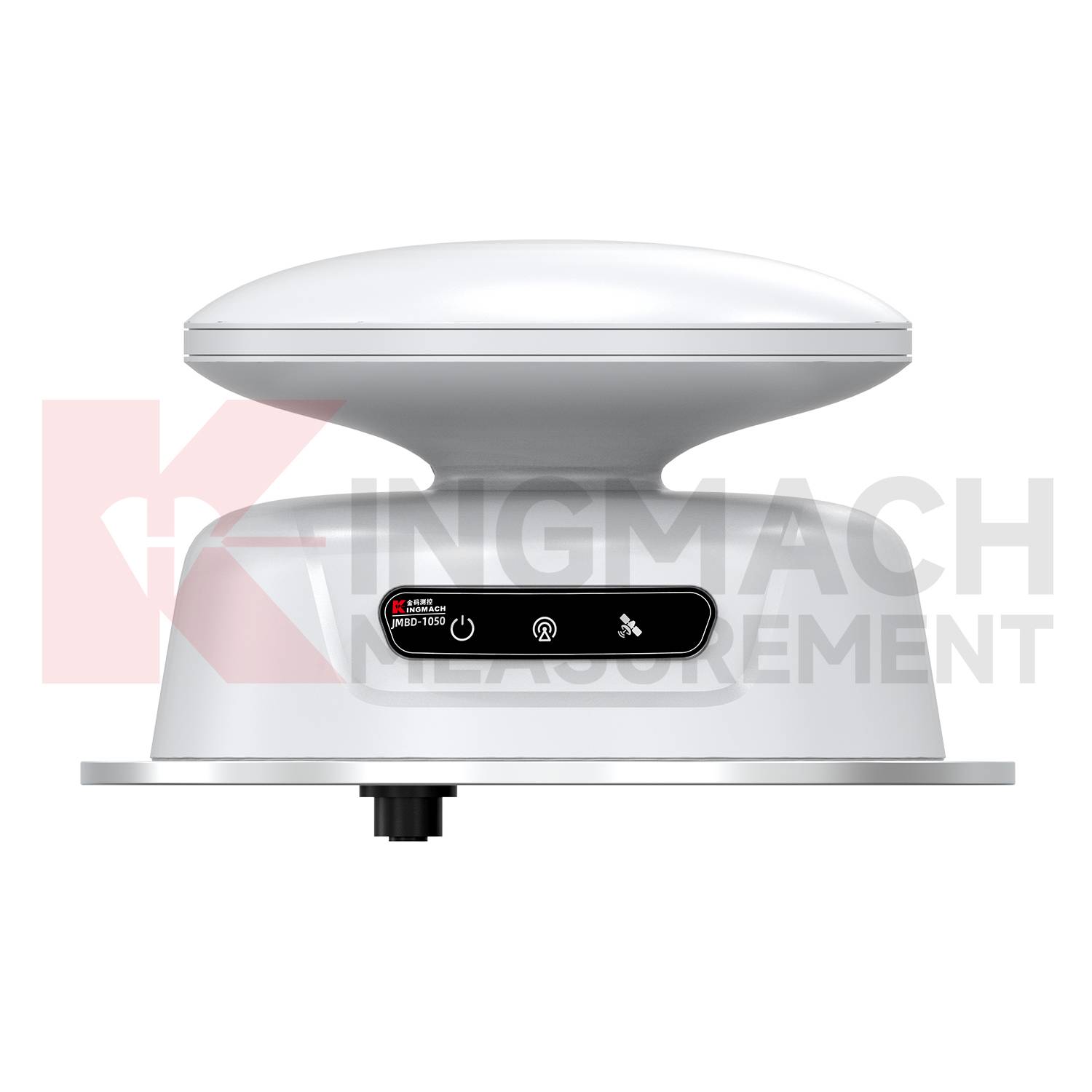

Automatic Aiming Laser Remote Obstacle Removal Robot
Pinggao Group Weihai High-Voltage Apparatus Co., Ltd.
Flat Portable Satellite Terminal 0.35m Aperture Manual Portable Terminal
China Starwin Science & Technology Co., Ltd.
20 Inch 1600*900 Full HD 60Hz TFT LED Monitor with VGA and DP Interfaces for Desktop Computers-Business Use
Guangzhou Zanying Optoelectronics Technology Co., Ltd.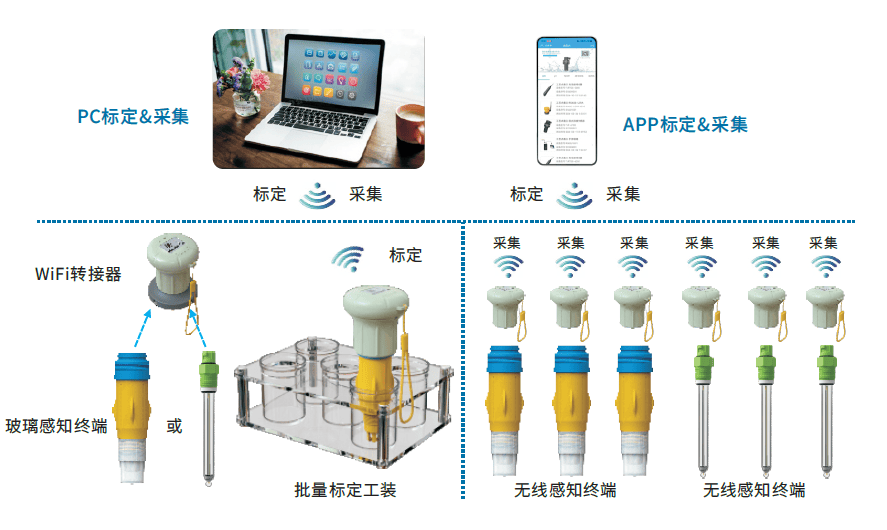
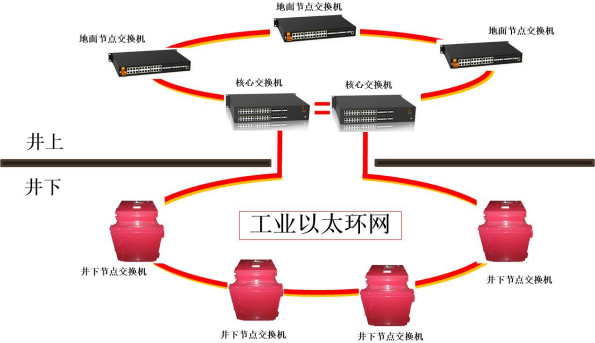
Mine Explosion-proof and Intrinsically Safe Industrial Ethernet Ring Network (10 Gigabit/Gigabit)
Chongqing Mas Sci&Tech Co., Ltd.