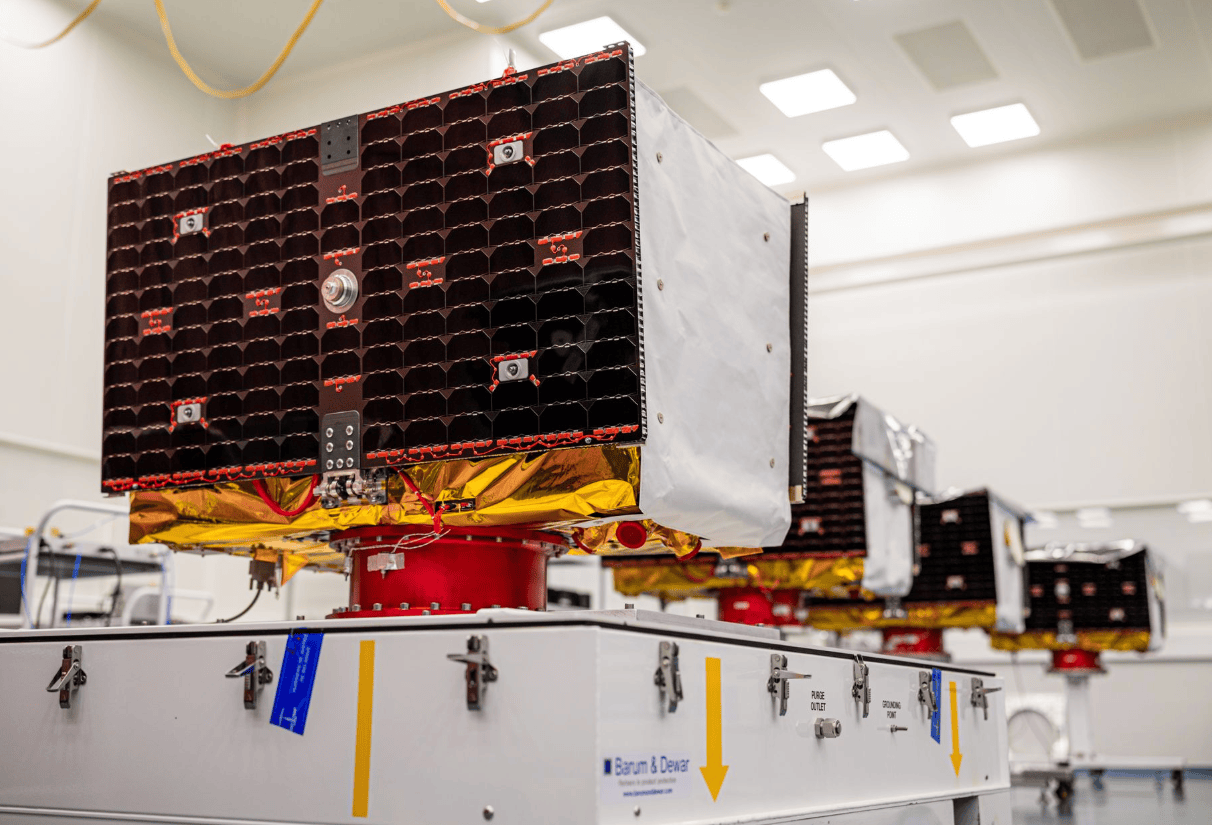
Murata and US-based Xona Collaborate to Explore Satellite Timing Services
en.Wedoany.com Reported - Japanese electronic components supplier Murata Manufacturing has signed an agreement with US-based Xona Space Systems to explore the application of the latter's low Earth orbit satellite-based positioning and timing services in telecommunications, data centers, financial networks, and other industries that rely on precise timing signals.
This collaboration reflects the industry's interest in alternatives to the Global Positioning System (GPS). GPS is widely used not only for navigation but also for synchronizing critical infrastructure, including cellular networks, stock exchanges, power grids, and data centers.
California-based Xona is developing a positioning, navigation, and timing (PNT) service called Pulsar, which operates via a constellation of low Earth orbit satellites. Xona positions this network as an alternative or backup to GPS, particularly in environments where satellite signals may be degraded or disrupted.
Under a memorandum of understanding announced last week, Murata will evaluate the application of Xona's services in data centers and financial institutions requiring high-precision time synchronization, including support for emerging 5G and 6G communication networks. The two companies will also explore uses in off-road sectors such as construction and agricultural machinery.
Traditional PNT services primarily rely on global navigation satellite systems operating in medium Earth orbit, including GPS. However, these signals can weaken in dense urban areas and may be susceptible to interference and spoofing. Xona believes that operating in orbits closer to Earth allows for stronger signal transmission, making reception easier indoors and in city centers. Their faster movement across the sky can also improve positioning performance by reducing signal errors caused by building reflections.
Xona has signed agreements with receiver manufacturers, including Furuno and Hexagon, to integrate Pulsar signals into commercial products. Murata can play a similar role by integrating Pulsar functionality into communication modules, timing devices, and industrial electronics sold to manufacturers across various industries. Murata produces microelectronic components for smartphones, automobiles, healthcare equipment, and artificial intelligence data centers.
This partnership also builds on an existing financial connection. Murata's corporate venture capital arm, Wonderstone Ventures, is an early investor in Xona. Xona expects its earliest commercial customers to come from industries requiring precise timing, as relatively few satellites in orbit are needed to provide timing services. Sectors such as telecommunications, banking, and data centers can begin using the system before the company's full constellation is deployed. Xona aims to deploy 258 satellites in the coming years.
This article is compiled by Wedoany. All AI citations must indicate the source as "Wedoany". If there is any infringement or other issues, please notify us promptly, and we will modify or delete it accordingly. Email: news@wedoany.com
Related Products
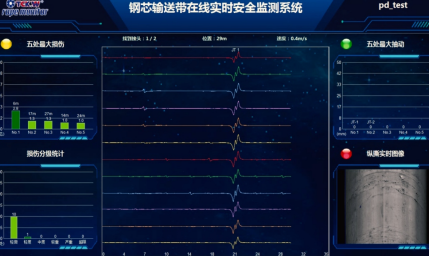

Conveyor Belt Intelligent Monitoring System
LUO YANG WIRE ROPE INSPECTION TECHNOLOGY CO., LTD.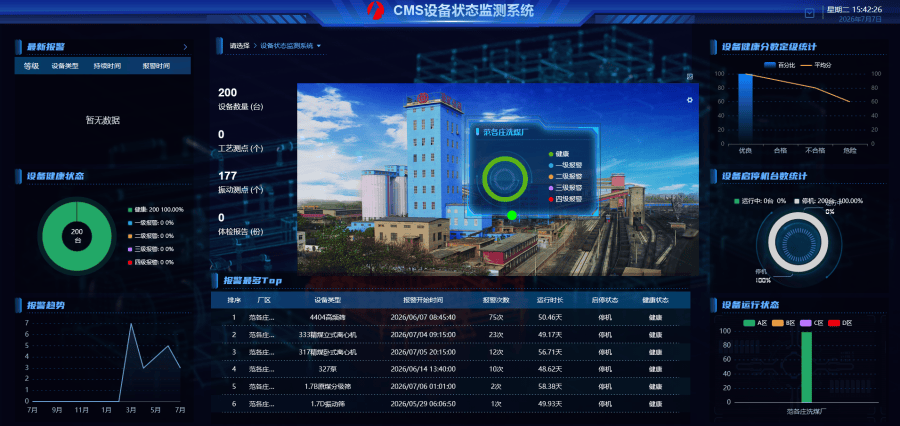
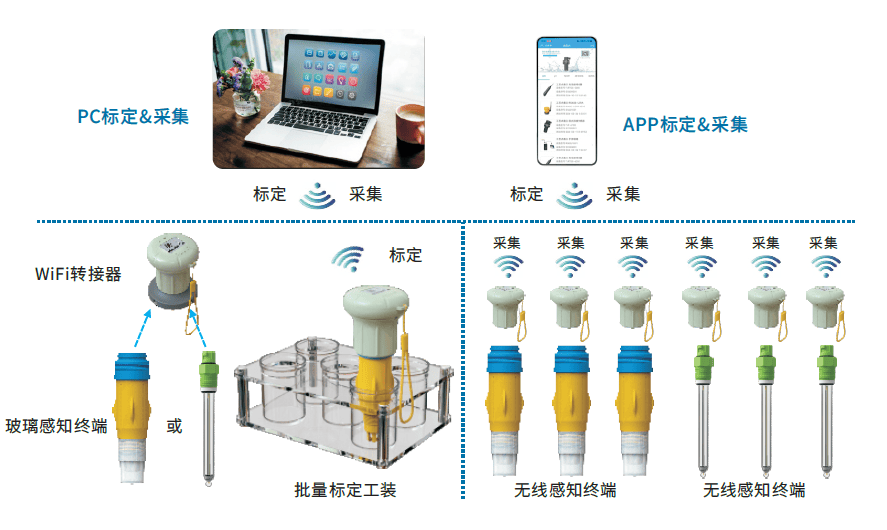

Comprehensive Mining Automation Control System
Beijing Tianma Intelligent Control Technology Co., Ltd.



GYTA Type Non-Self-Supporting Aerial/Duct Optical Cable
TONGDING INTERCONNECTION INFORMATION CO., LTD.
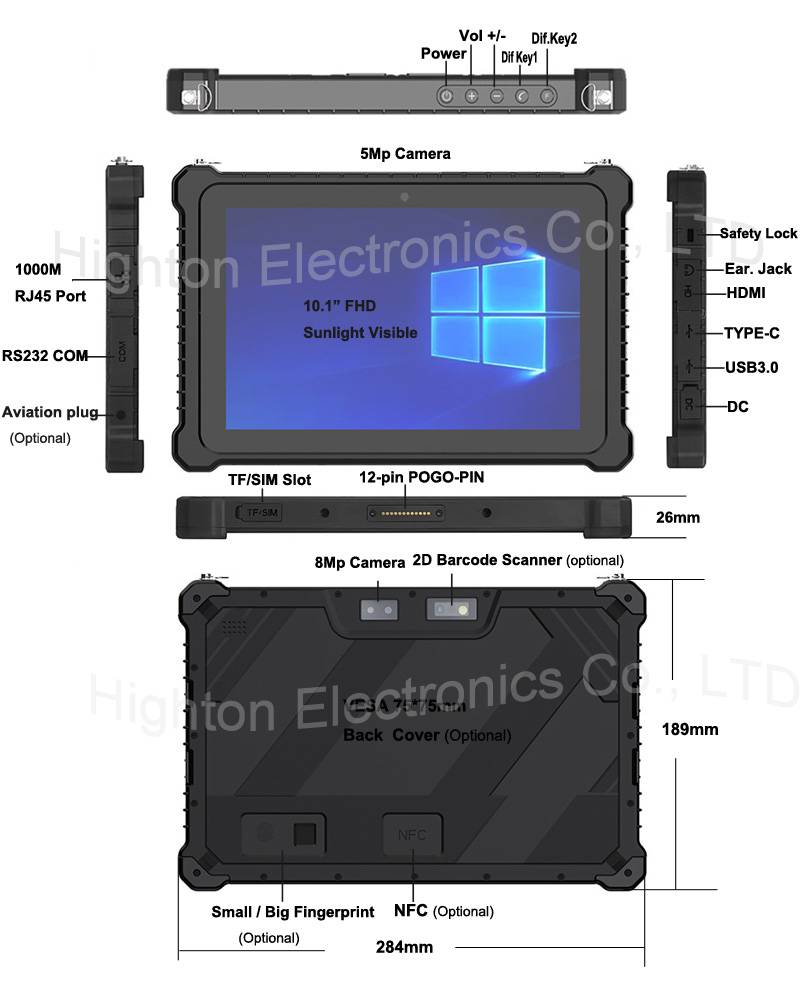
Hot Selling 10 Inch Intel N5100 I5 I7 FHD 8 +128GB 16+256GB Win10 Pro Win11 Pro 4G 5G Rugged Tablet PC Pad with NFC Barcode
Highton Electronics Co., Ltd.