Foxconn of Taiwan, China, partners with Intel to advance AI infrastructure collaboration from chips to cabinets
en.Wedoany.com Reported - On June 4, Foxconn announced a strategic collaboration with Intel to jointly explore next-generation AI infrastructure and intelligent computing platforms, covering the full-chain AI solutions from chips, cabinets, systems to applications. The cooperation focuses on scenarios such as AI data centers, edge AI, Physical AI, robotics, smart manufacturing, and smart cities.
The core of this collaboration is to combine Intel's processors, AI accelerators, and chip design capabilities with Foxconn's expertise in server manufacturing, cabinet-level system integration, and global supply chain management. AI infrastructure is shifting from single-server procurement to cabinet-level, system-level, and data center-level deployment. Customers are no longer focused solely on computing chips themselves, but also on high-speed interconnects, thermal and liquid cooling design, power efficiency, system monitoring, cabinet scalability, and subsequent delivery speed. Foxconn has accumulated deep experience in AI servers, cabinet assembly, and high-end electronics manufacturing, while Intel aims to enter more vertical scenarios through Xeon processors, AI accelerators, and custom chip capabilities. If the collaboration advances to the commercialization stage, it will help form an AI infrastructure delivery solution from chips to complete systems.
In the AI cabinet direction, the two parties plan to explore the development and commercialization of cabinet-level AI infrastructure solutions, covering cabinet and AI accelerator architectures based on Intel Xeon processors, and jointly advance key technologies such as high-speed interconnects, thermal management, liquid cooling, system monitoring, and data center scalability. As power consumption in AI data centers continues to rise, cabinet-level solutions have become a critical engineering focus for server manufacturers, chip companies, and cloud service providers. High-density AI cabinets must simultaneously address chip performance, system stability, power efficiency, thermal management, and mass production issues. Any shortfall in one area can impact the construction speed and operational costs of AI factories.
Edge AI and Physical AI are also important directions for this collaboration. The two parties will jointly define the next-generation edge AI and Physical AI platform architectures, expanding applications in smart manufacturing, smart cities, automotive, and robotics. Compared to centralized data centers, edge AI emphasizes low latency, local data processing, and scenario adaptability; Physical AI brings AI capabilities into robots, industrial equipment, automated production lines, and real physical spaces. Foxconn has experience in manufacturing sites and industrial chain integration, while Intel possesses computing platforms and chip ecosystems. Their collaboration has the potential to extend AI from cloud computing centers to factories, cities, and terminal devices.
The two parties will also explore cooperation in customized ASIC, SoC, and system integration design services. For the AI infrastructure industry chain, custom chips and system integration are becoming new competitive focal points. Large cloud service providers, manufacturing companies, and industry clients increasingly prefer to design dedicated hardware tailored to their own workloads, aiming to meet performance and energy efficiency requirements while controlling supply chain risks and deployment costs. The collaboration between Foxconn and Intel reflects that competition in AI infrastructure is transitioning from single-chip supply to a stage where chips, cabinets, system manufacturing, and industry applications work together synergistically.
This article is compiled by Wedoany. All AI citations must indicate the source as "Wedoany". If there is any infringement or other issues, please notify us promptly, and we will modify or delete it accordingly. Email: news@wedoany.com
Related Products
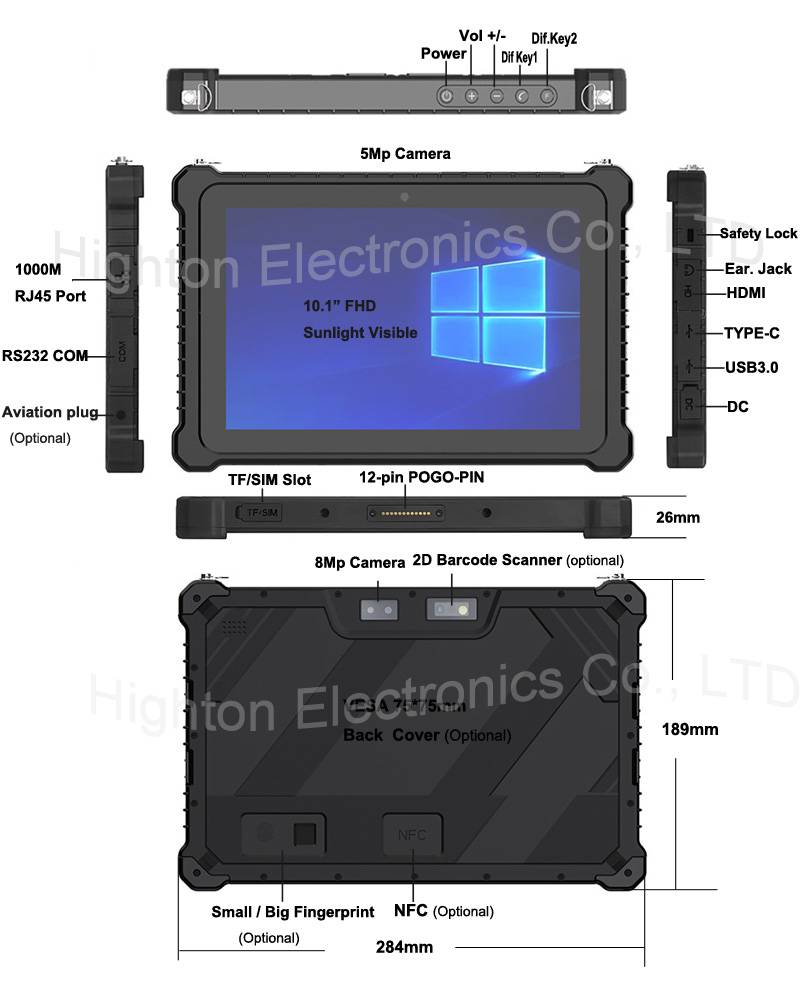

Hot Selling 10 Inch Intel N5100 I5 I7 FHD 8 +128GB 16+256GB Win10 Pro Win11 Pro 4G 5G Rugged Tablet PC Pad with NFC Barcode
Highton Electronics Co., Ltd.

MUX Series Communication Interface Device for Security and Stability Control System
Nanjing NR Electric Co., Ltd.
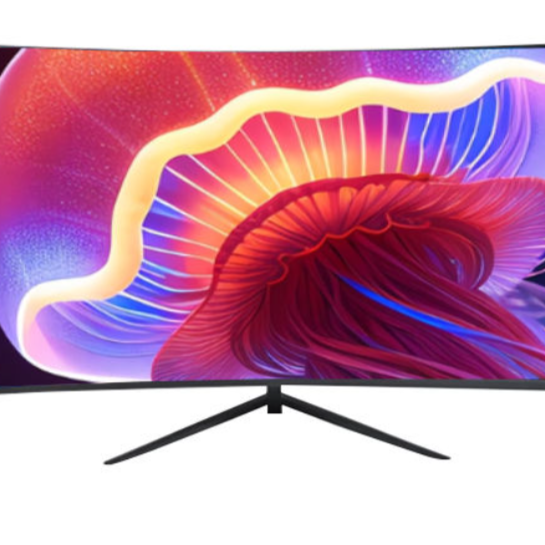
20 Inch 1600*900 Full HD 60Hz TFT LED Monitor with VGA and DP Interfaces for Desktop Computers-Business Use
Guangzhou Zanying Optoelectronics Technology Co., Ltd.

G.652.D Wavelength-extended Non-dispersion Shifted Single-mode Optical Fiber
HONGAN GROUP CO., LTD.

Industrial and Commercial Point-Type Gas Detector
Jinan Benan Technology Development Co., Ltd.
Mine Explosion-proof and Intrinsically Safe Industrial Ethernet Ring Network (10 Gigabit/Gigabit)
Chongqing Mas Sci&Tech Co., Ltd.