ABB Launches New Generation of High-Efficiency Motors in Peru
en.Wedoany.com Reported - ABB has launched a new generation of motors in Peru to address the country's low industrial energy efficiency. Manufacturing and mining account for approximately 30% of Peru's final electricity consumption, with over 66% of that power consumed by motors. However, most of these devices, which drive pumps, compressors, fans, and conveyors, lack modern upgrades.
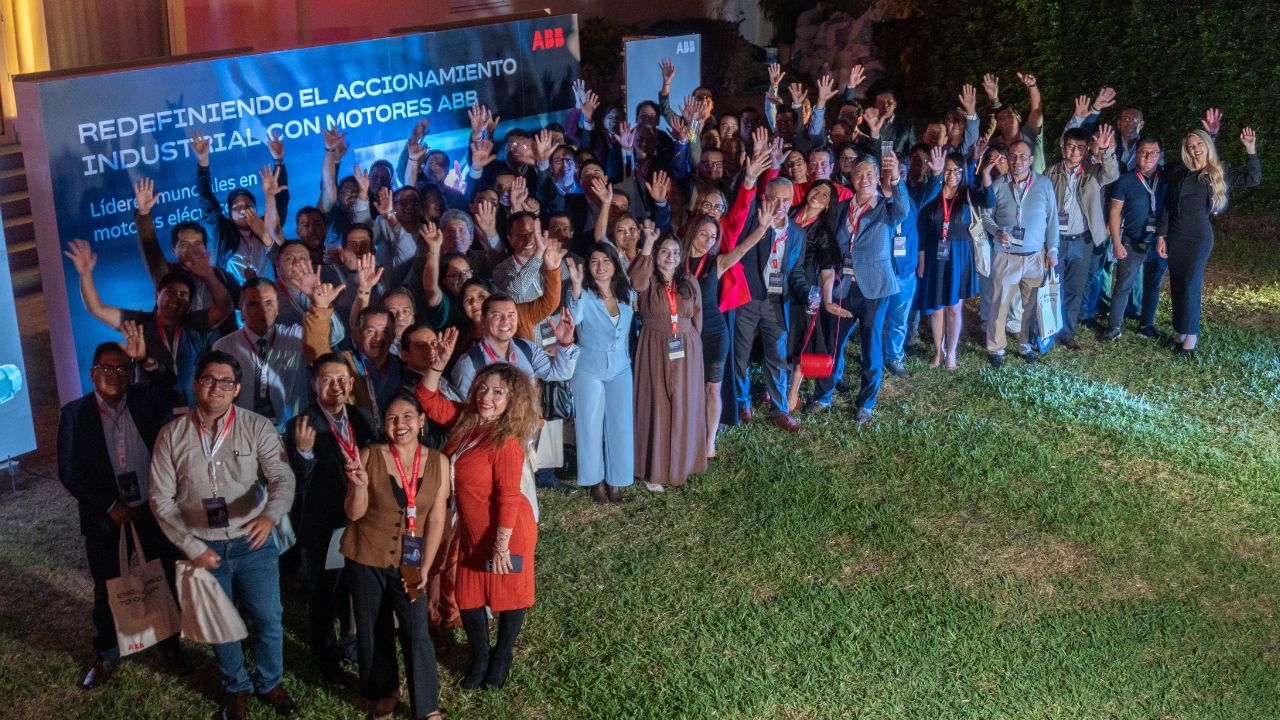
According to a diagnosis by Peru's Ministry of Energy and Mines (MINEM), approximately 80% of motors in the country's industry are of IE1 or IE2 energy efficiency classes, the lowest levels in international standards. Due to the lack of mandatory minimum energy efficiency regulations, low-performance equipment has been operating for extended periods. The ministry itself estimates that the mining sector loses nearly $30 million annually as a result, while emitting over 3 million tons of CO2. Analysis indicates that effective management of motor energy efficiency could enable companies to reduce electricity costs by up to 40%.
On May 29, ABB launched its new generation of motors in the Peruvian market, including the VHS 100 series and NEMA/IEC series products, to address energy efficiency challenges in the industrial decarbonization process. The event attracted executives from the mining, food and beverage, agricultural processing, and water treatment industries. Roberto Amaya, Regional Sales Manager for NEMA Motors at ABB Latin America, stated that motors are at the core of industrial energy transition, with approximately 45% of global energy consumption used by such equipment. In Peru, strategic industries such as mining, agricultural processing, and water treatment still heavily rely on equipment that has not achieved a modern energy efficiency leap. Every installation of a more efficient motor represents direct potential for kilowatt-hour savings.
The launched motors achieve NEMA Premium energy efficiency levels or IEC high-efficiency levels, surpassing current standards in the Peruvian market. When used with a variable frequency drive, a speed reduction of approximately 20% can translate into system energy consumption reductions of up to 50%, with a payback period of 18 to 36 months. These devices have been tested against U.S. Department of Energy standards and European and North American energy efficiency standards, offering higher operational availability and fewer unplanned downtime events.
This article is compiled by Wedoany. All AI citations must indicate the source as "Wedoany". If there is any infringement or other issues, please notify us promptly, and we will modify or delete it accordingly. Email: news@wedoany.com
Related Products


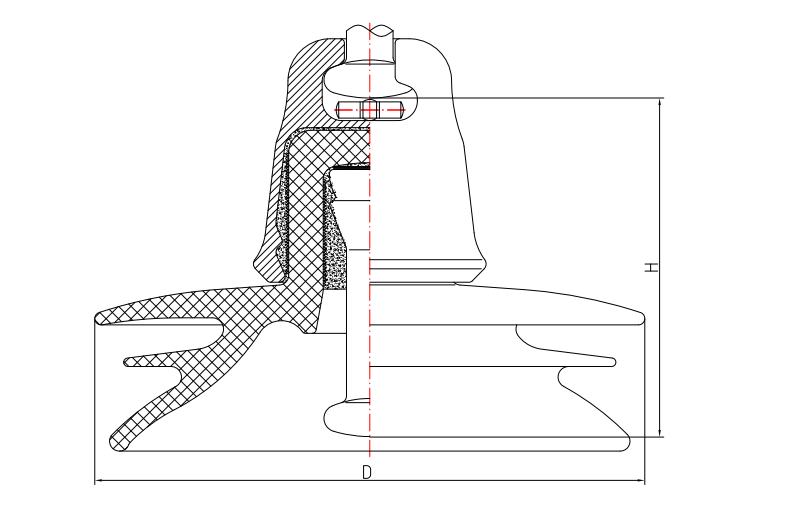
Post-type AC Pollution-resistant Disc Suspension Porcelain Insulator (Triple Umbrella Type)
Shandong High Voltage Insulator Co., Ltd.
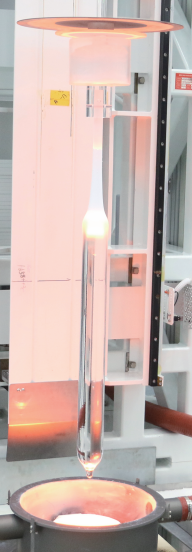
G.652.D Wavelength-extended Non-dispersion Shifted Single-mode Optical Fiber
HONGAN GROUP CO., LTD.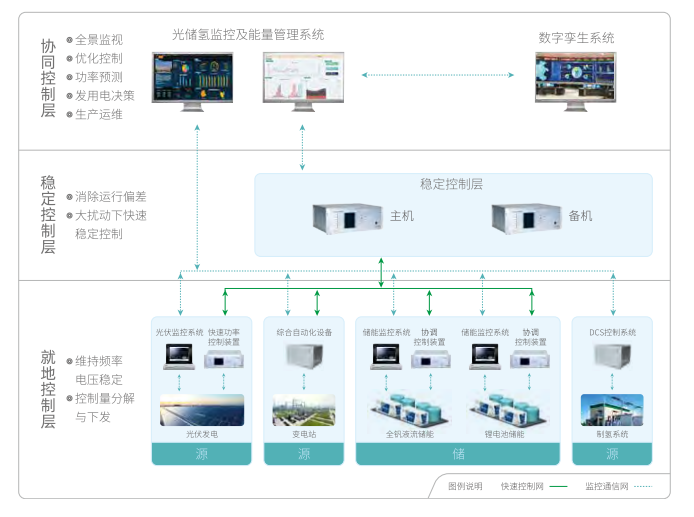
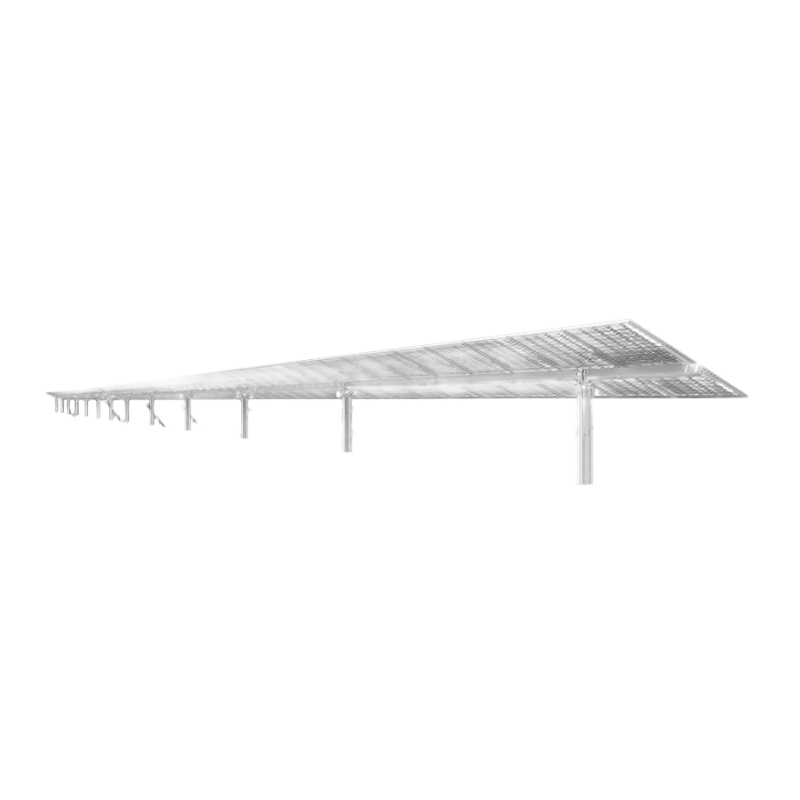
TAI Slew-drive Single-axis Independent 1P Tracking Bracket System
ANTAI TECHNOLOGY CO., LTD.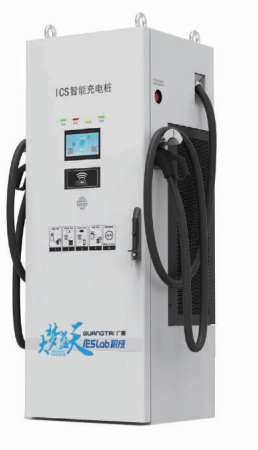
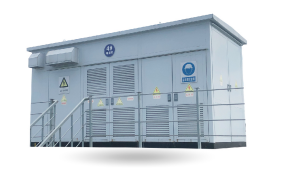
Smart Photovoltaic Prefabricated Substation
Shanghai Jinyou Jinhong Intelligent Electric Co., Ltd.
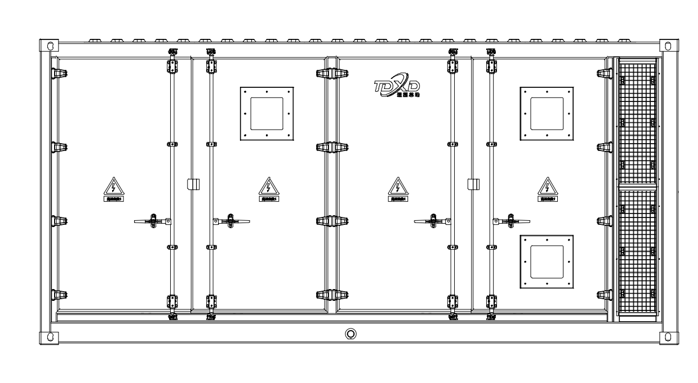
5012kWh DC Energy Storage System TD-EES-5012kWh
Suzhou Tongding Xindong Energy Storage Technology Co., Ltd.