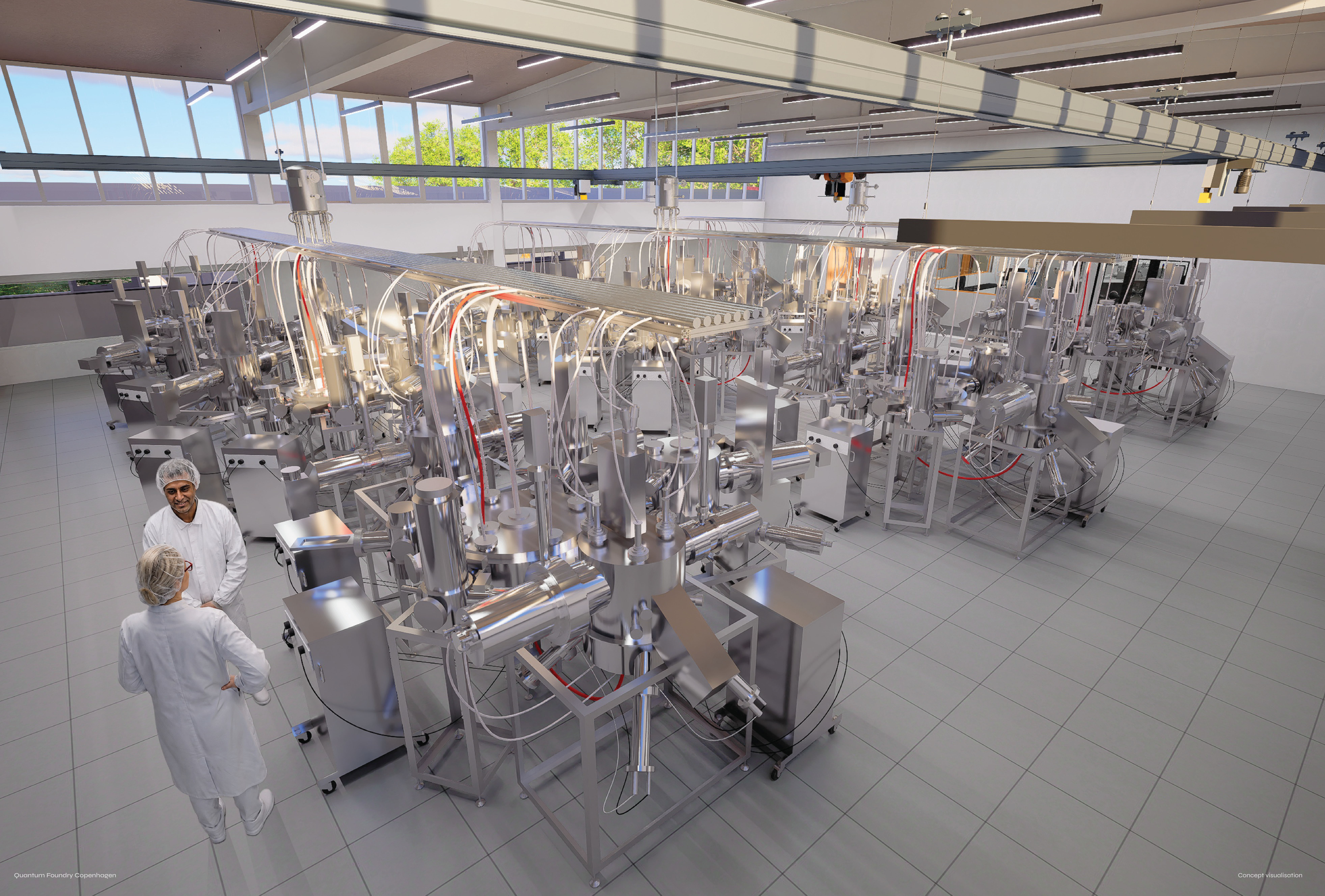
South Korean AI chip company DeepX to adopt Samsung LPDDR5X-PIM processing-in-memory solution
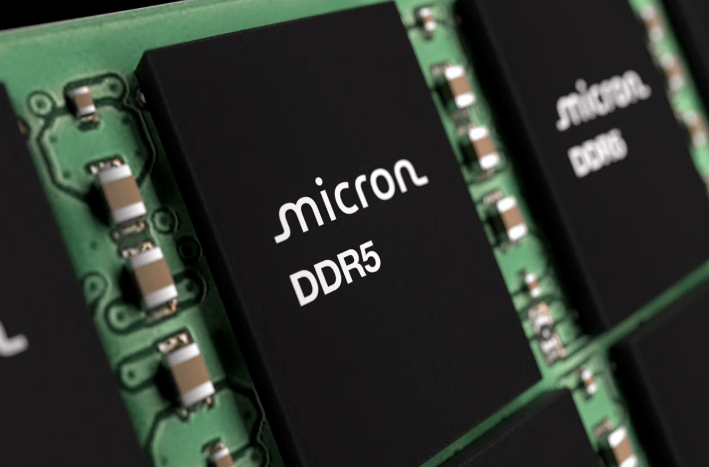
en.Wedoany.com Reported - On June 4, South Korean AI chip company DeepX disclosed that its next-generation edge AI chip, the DX-M2, will adopt Samsung Electronics' LPDDR5X-PIM processing-in-memory solution. This solution embeds partial computing capabilities into low-power memory, enhancing data processing efficiency for edge generative AI, robotics, industrial equipment, and in-vehicle intelligent scenarios.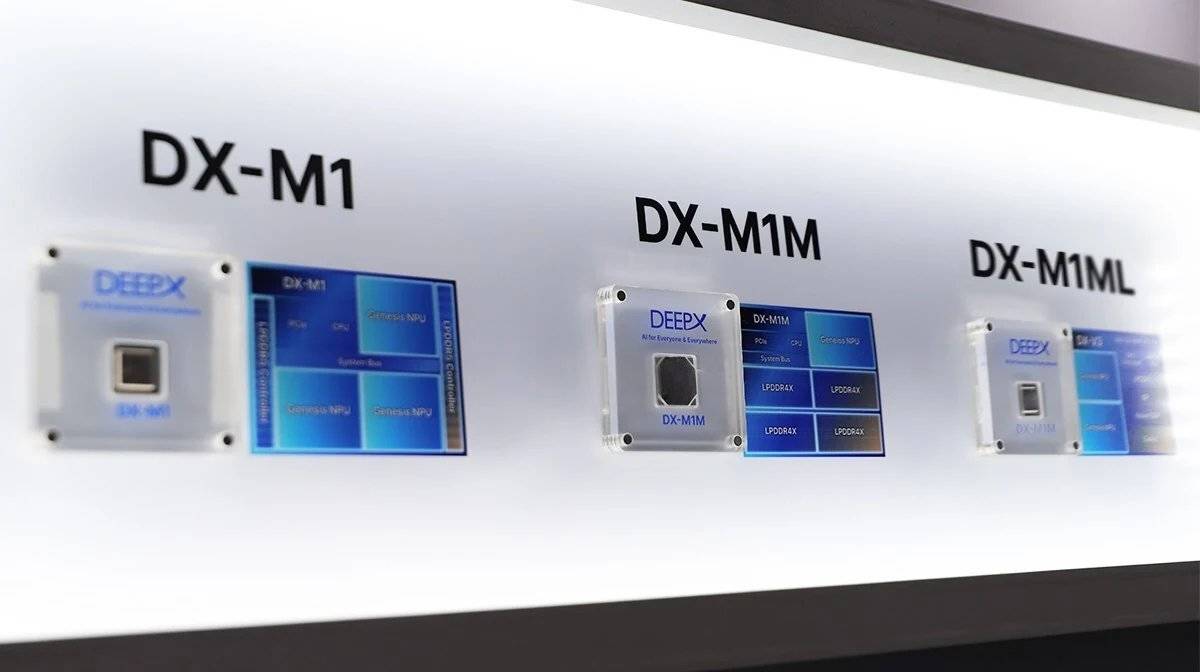
The key change with PIM is shifting some computing tasks from the main processor and AI accelerator to within the memory itself. Traditional AI chips, when running large models or vision models, must repeatedly move data between computing units and storage units, with energy consumption, latency, and bandwidth pressure increasing as model scale grows. LPDDR5X-PIM attempts to complete some data processing directly on the memory side, reducing unnecessary data movement and improving inference efficiency for edge AI devices under limited power. For chip companies like DeepX, which focus on edge AI and physical AI scenarios, the value of processing-in-memory lies in low power consumption, high bandwidth, and local inference capabilities, making it particularly suitable for scenarios such as robotics, smart cameras, industrial control, in-vehicle terminals, and low-power AI boxes that cannot rely on cloud data centers.
DeepX CEO Kim Nok-won stated during the 2026 K-AI Semiconductor Growth Forum held in Seoul that the DX-M2 will use Samsung Electronics' LPDDR5X-PIM, while the third-generation chip, the DX-M3, is planned to adopt LPDDR6-PIM. Relevant information indicates that the DX-M2 is designed for 80 TOPS-level edge AI computing power and will utilize Samsung's 2-nanometer process technology, aiming to support more complex generative AI and physical AI tasks under lower power consumption.
The industry significance of this technology adoption lies in the fact that competition in edge AI chips is shifting from mere NPU computing power metrics to system efficiency competition involving "AI accelerators + low-power memory + processing-in-memory + software stack." In the past, edge AI devices primarily ran lightweight models such as image recognition, object detection, and voice wake-up. As multimodal models, small language models, and robot control models enter local devices, AI chips must perform higher-intensity computations within limited power, limited heat dissipation, and limited space. If the DX-M2 can effectively collaborate with LPDDR5X-PIM, DeepX will have the opportunity to enhance product differentiation in the edge generative AI, intelligent robotics, and industrial edge computing markets, while Samsung can further push PIM technology from high-bandwidth memory and server scenarios into low-power mobile memory and edge AI applications.
Samsung's layout in the LPDDR-PIM direction also reflects that memory manufacturers are breaking through the traditional DRAM supply model. Data bottlenecks in the AI era are not limited to GPU clusters but also extend to smartphones, in-vehicle systems, robots, industrial equipment, and edge servers. If memory continues to only serve data storage and transmission functions, it will be difficult to fully address bandwidth and energy efficiency issues in AI inference. When computing functions are placed near the memory array, memory manufacturers can transition from standard memory suppliers to participants in the AI computing architecture. DeepX's plan to adopt Samsung's customized LPDDR5X-PIM in the DX-M2 phase and shift to more standardized LPDDR6-PIM in the DX-M3 phase indicates that low-power processing-in-memory is expected to move from customized cooperation toward more open industry specifications.
South Korea's AI semiconductor industry is seeking breakthroughs around physical AI, edge AI, and the domestic computing power ecosystem. DeepX has previously expanded its positioning from a single chip supplier to a physical AI infrastructure company, with products targeting application scenarios such as factories, robotics, security, transportation, automotive, and smart devices. Following the adoption of Samsung's LPDDR5X-PIM, its chip roadmap is further tied to South Korea's local advanced processes, low-power memory, and AI semiconductor ecosystem. Key variables going forward include whether the DX-M2 can complete mass production verification as planned, whether the processing-in-memory solution can deliver quantifiable energy efficiency improvements, and whether end customers are willing to adopt this combined solution in robotics, smart hardware, and industrial edge devices.
This article is compiled by Wedoany. All AI citations must indicate the source as "Wedoany". If there is any infringement or other issues, please notify us promptly, and we will modify or delete it accordingly. Email: news@wedoany.com
Related Products

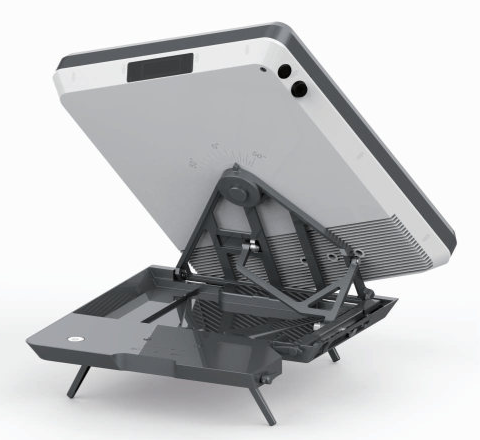
Flat Portable Satellite Terminal 0.35m Aperture Manual Portable Terminal
China Starwin Science & Technology Co., Ltd.
TWP16 P-Band Tropospheric Wind Profile Radar
China Huayun Meteorological Technology Group Co., Ltd.

Automatic Aiming Laser Remote Obstacle Removal Robot
Pinggao Group Weihai High-Voltage Apparatus Co., Ltd.
GYTA Type Non-Self-Supporting Aerial/Duct Optical Cable
TONGDING INTERCONNECTION INFORMATION CO., LTD.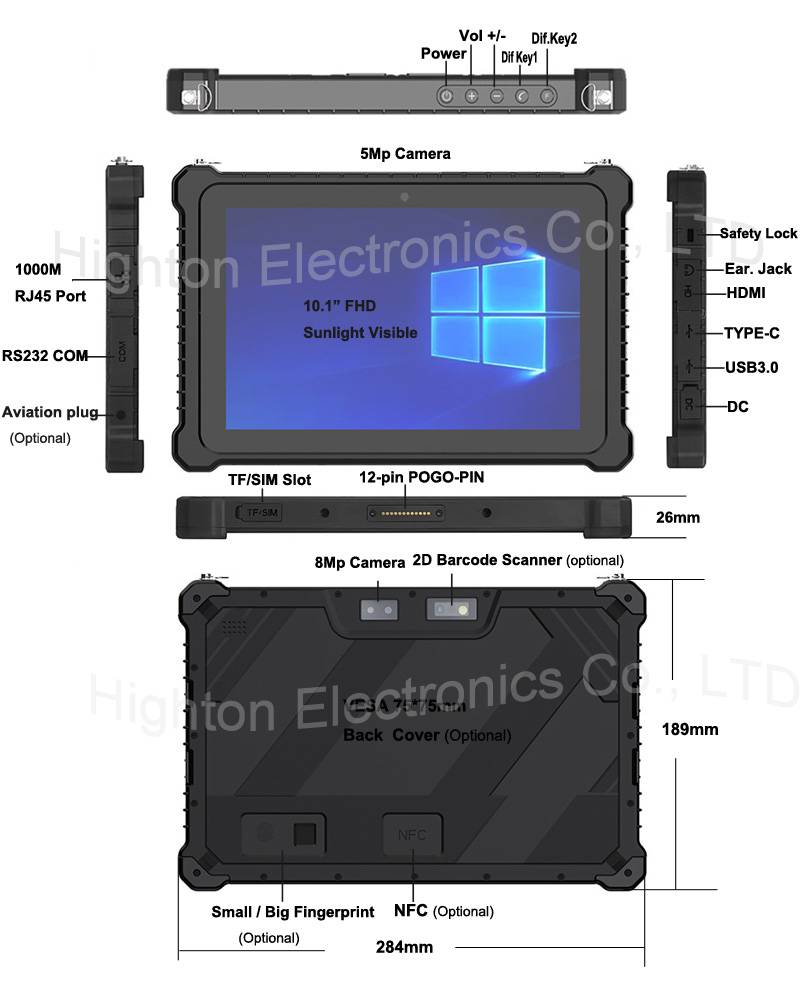
Hot Selling 10 Inch Intel N5100 I5 I7 FHD 8 +128GB 16+256GB Win10 Pro Win11 Pro 4G 5G Rugged Tablet PC Pad with NFC Barcode
Highton Electronics Co., Ltd.
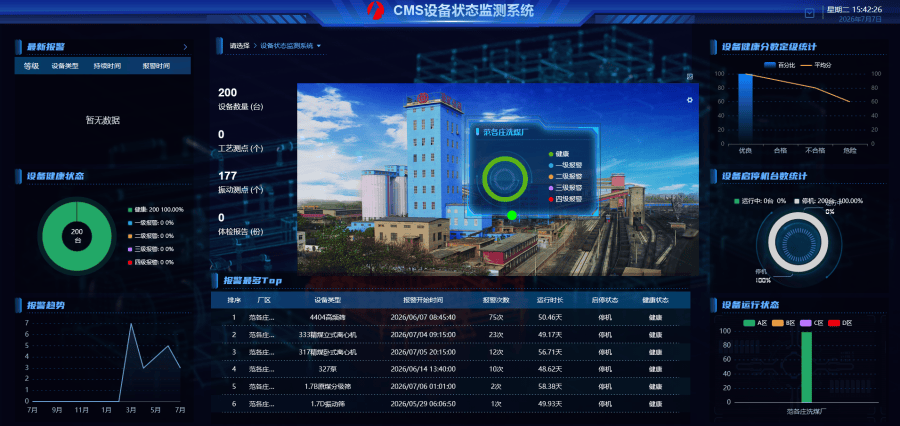
Conveyor Belt Intelligent Monitoring System
LUO YANG WIRE ROPE INSPECTION TECHNOLOGY CO., LTD.