U.S. Reservoir Center for Water Solutions Launches Real-Time Water Quality Monitoring Program for Three Rivers
en.Wedoany.com Reported - The Reservoir Center for Water Solutions, in partnership with Anacostia Riverkeeper, Anacostia Watershed Society, and Potomac Riverkeeper Network, has officially launched the Water Quality Monitoring Program and unveiled an online dashboard that provides the public with real-time water quality data for the Anacostia River, Potomac River, and Shenandoah River.
This monitoring tool collects data from nine sensor stations, delivering real-time environmental information directly to the public. From weekend boaters checking water conditions before heading out to researchers tracking the long-term health of rivers, users can access information instantly. The program combines the expertise of local watershed organizations with sensor technology from Xylem, offering a transparent, centralized platform for tracking key water quality indicators, including dissolved oxygen, salt pollution, and algal blooms—all of which are relevant to the health of ecosystems and communities in and along the waterways.
Nicole Horvath, Program Manager at the Reservoir Center for Water Solutions, stated that this tool advances transparency, accessibility, and long-term stewardship of river systems, and that the platform's value is continuously enhanced by inviting feedback from users and stakeholders. Betsy Nicholas, President of the Potomac Riverkeeper Network, noted that recent sewage spills in the Potomac River highlight the critical importance of reliable and timely water quality monitoring and reporting, and that the new tool can more effectively collect and distribute information to help river users understand when and where it is safe to be in contact with the water. Trey Sherard, Anacostia Riverkeeper, mentioned that the dashboard can display river issues in real time, enabling faster responses and providing real-time information for people navigating, kayaking, or fishing in the relevant waters.
The water quality data tracked by the dashboard includes pH, dissolved oxygen, conductivity, water temperature, chloride, chlorophyll, blue-green algae pigments (phycocyanin), turbidity, and fluorescent dissolved organic matter. Among these, E. coli data still requires manual laboratory testing and is integrated into the dashboard by the Chesapeake Monitoring Cooperative, but the new real-time sensors can track other pollution indicators, serving as an early warning system. The dashboard's round-the-clock real-time data will support testing programs by communities and government organizations, helping to depict the combined impact of human activities and watershed management policies on water quality. Christopher E. Williams, President and CEO of the Anacostia Watershed Society, stated that this tool not only provides the public with real-time data to guide safe recreational planning but also tracks water quality indicators critical to fish, wildlife, and freshwater ecosystems, enabling communities to better advocate for the investments needed to protect rivers.
The program aims to advance the partners' shared goal of achieving swimmable and fishable waterways in the District of Columbia, Maryland, and Virginia. The dashboard is now live and accessible at water-quality.reservoircenter.org.
This article is compiled by Wedoany. All AI citations must indicate the source as "Wedoany". If there is any infringement or other issues, please notify us promptly, and we will modify or delete it accordingly. Email: news@wedoany.com
Related Products

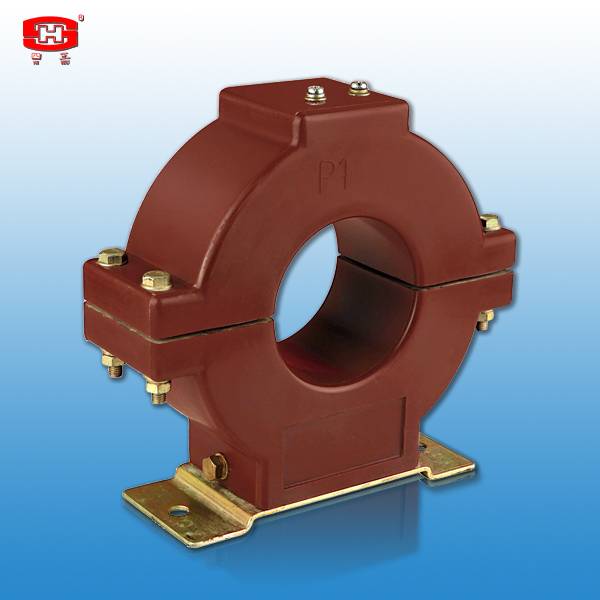
0.66kV Power Supply Instrument Transformer
Guangdong Sihui Instrument Transformer Works Co., Ltd.

Pneumatic high-pressure wear-resistant ball valve
Zhejiang Deca Control Valve Meter Co., Ltd.
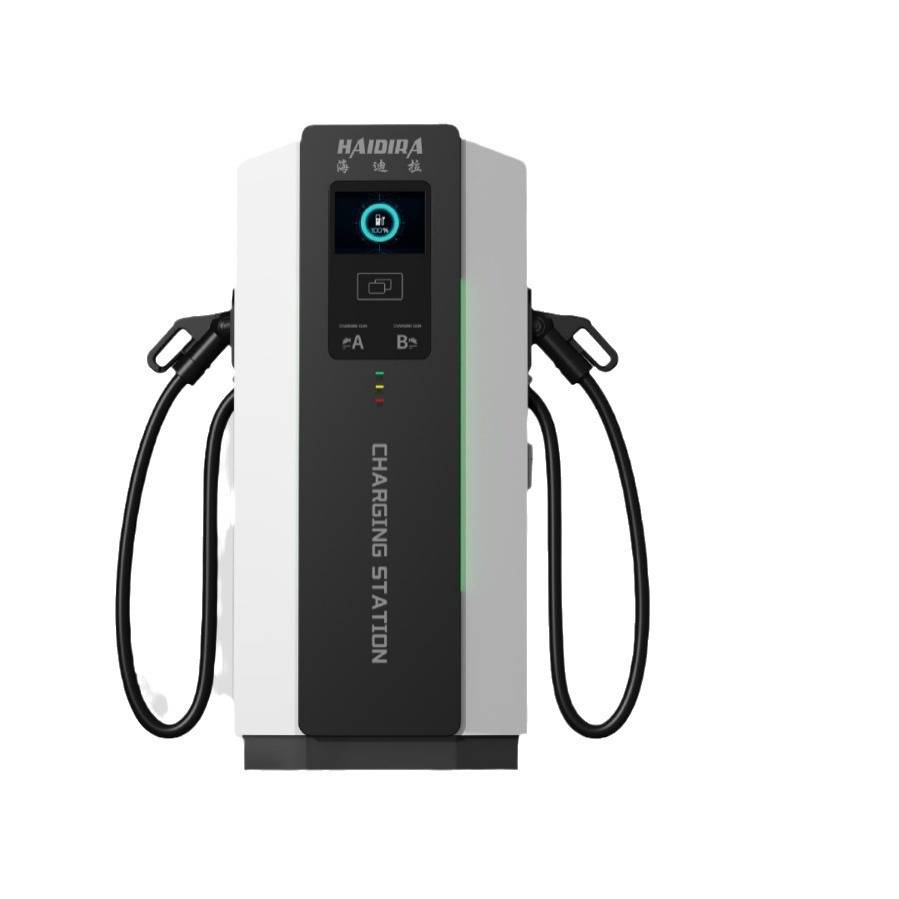
Manufacturer Direct Sales Tesla New Energy Electric Vehicle Universal DC 180kW Dual-gun Charging Pile Commercial Fast Charger
Anhui Haidira Electric Technology Co., Ltd.
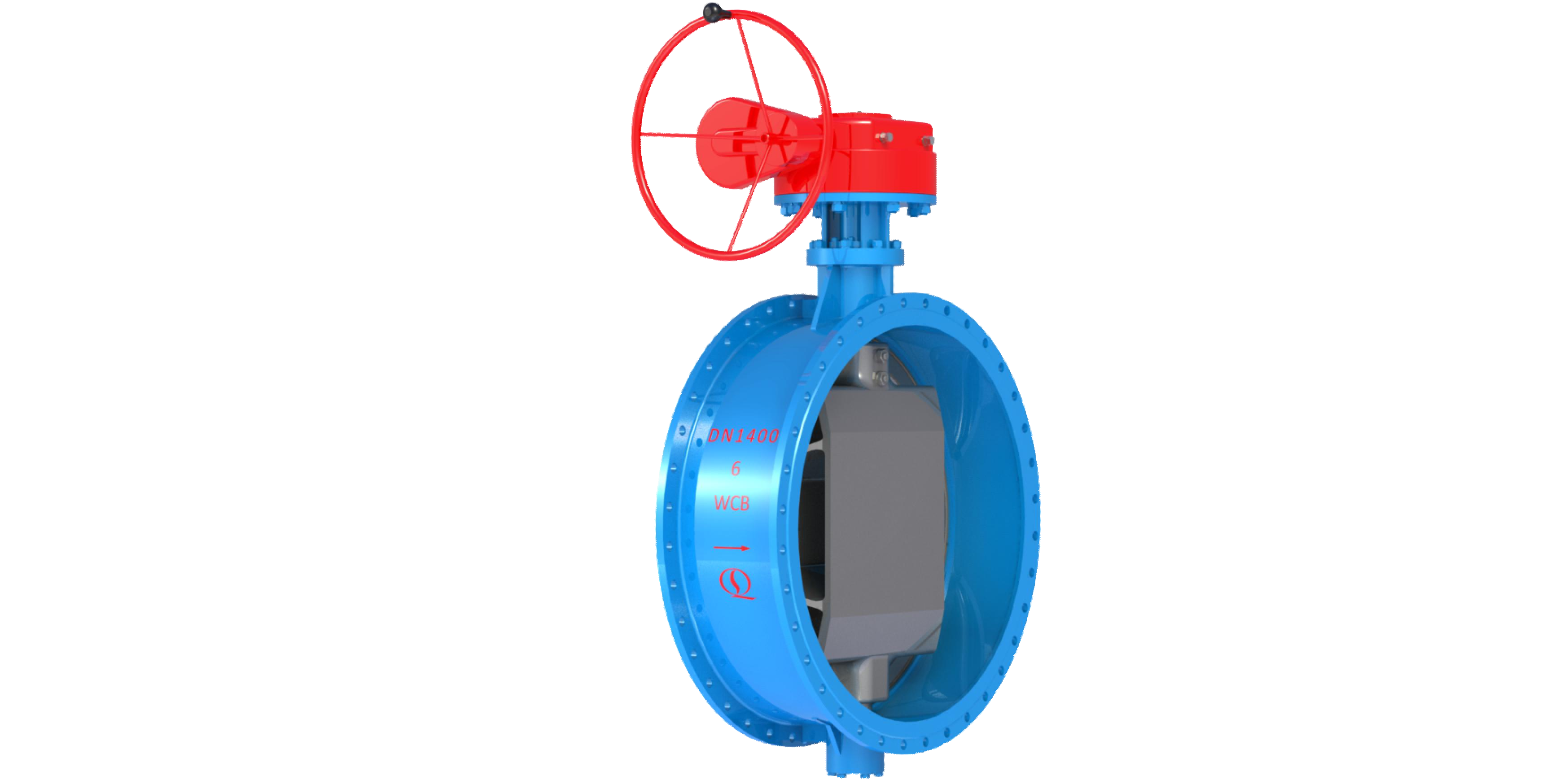
Bidirectional Metal Hard Sealed Seawater Butterfly Valve
Henan Quanshun Flow Control Science & Technology Co., Ltd.