Anthropic Releases Dynamic Workflows, Porting 750,000 Lines of Code in 11 Days
en.Wedoany.com Reported - Anthropic has released the latest version of its flagship model, Claude Opus 4.8, and simultaneously introduced a new orchestration capability called "Dynamic Workflows," designed to address complex engineering challenges such as enterprise-scale codebase migration through parallel multi-agent systems.
As the world's most valuable pure artificial intelligence company, Anthropic is currently valued at approximately $965 billion. According to Mike Krieger, a member of Anthropic's technical team and co-founder of Instagram, Claude Opus 4.8 is its most capable model to date. On the SWE-bench Pro benchmark, the model's score improved from 64.3 to 69.2. Additionally, the model has shown significant improvements in honesty, being approximately 4 times less likely to overlook defects in its own code compared to the previous version 4.7.
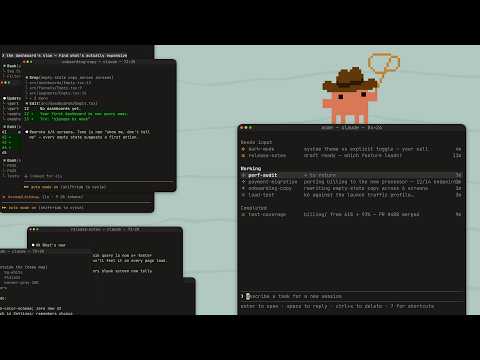
Dynamic Workflows is currently available as a research preview. This feature enables Claude to create and manage a network of multiple specialized AI sub-agents. Claude can dynamically generate orchestration scripts to assign tasks to dozens or hundreds of sub-agents, each responsible for inspecting different parts of the codebase, investigating issues, verifying results, and reporting findings back to the coordinating model. Anthropic states that this feature is particularly well-suited for full codebase vulnerability searches, security and optimization audits, large-scale language porting, and high-risk tasks requiring adversarial validation.
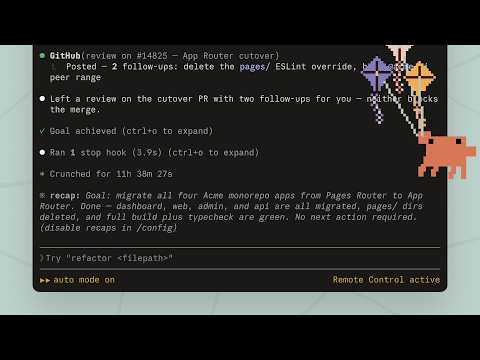
The efficiency gains are evident in the feature's use case. Jarred Sumner, a member of Anthropic's technical team and founder and CEO of the programming language Bun, used Dynamic Workflows to port Bun from Zig to Rust. This codebase, comprising 750,000 lines of code, was merged 11 days after the initial commit, achieving a test pass rate of 99.8%. Traditionally, similar projects undertaken by dedicated engineering teams typically require 6 to 12 months. Dynamic Workflows enables multiple parallel agents to collaborate and challenge each other's conclusions before producing a final output, akin to a multi-agent AI "daydreaming" form, exploring multiple reasoning paths simultaneously before making a decision.
Claude Opus 4.8 also introduces a fast mode, achieving processing speeds up to 2.5 times faster than normal, at one-third the cost of the older model. The model demonstrates stronger benchmark performance across programming, agentic skills, reasoning, and practical knowledge tasks. Furthermore, the model is specifically trained to flag uncertainty, a capability enhancement particularly important for organizations deploying in critical business environments that demand accuracy, transparency, and governance. Anthropic also indicated that a more capable Mythos-class model may be released in the coming weeks, and is currently developing stronger safeguards for this class of model. The Dynamic Workflows feature is now available to Enterprise, Team, and Max tier Claude Code users.
This article is compiled by Wedoany. All AI citations must indicate the source as "Wedoany". If there is any infringement or other issues, please notify us promptly, and we will modify or delete it accordingly. Email: news@wedoany.com
Related Products



MUX Series Communication Interface Device for Security and Stability Control System
Nanjing NR Electric Co., Ltd.

Comprehensive Mining Automation Control System
Beijing Tianma Intelligent Control Technology Co., Ltd.
Multi-function Marine Monitoring Low-altitude Detection Radar Sea-air Boundary Ocean Dynamic Environment Measurement
Chengdu Dixin Technology Co., Ltd.
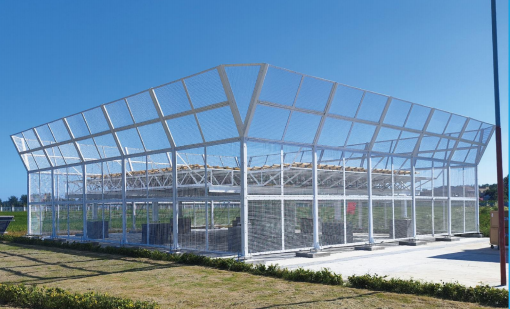
TWP16 P-Band Tropospheric Wind Profile Radar
China Huayun Meteorological Technology Group Co., Ltd.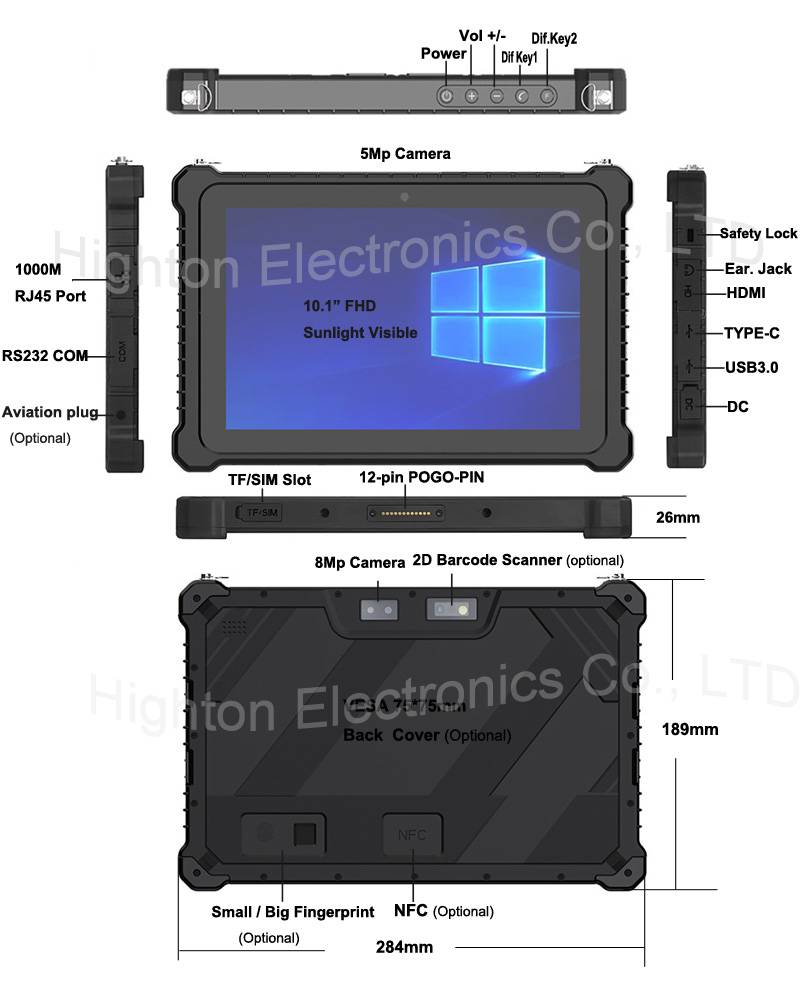
Hot Selling 10 Inch Intel N5100 I5 I7 FHD 8 +128GB 16+256GB Win10 Pro Win11 Pro 4G 5G Rugged Tablet PC Pad with NFC Barcode
Highton Electronics Co., Ltd.

Conveyor Belt Intelligent Monitoring System
LUO YANG WIRE ROPE INSPECTION TECHNOLOGY CO., LTD.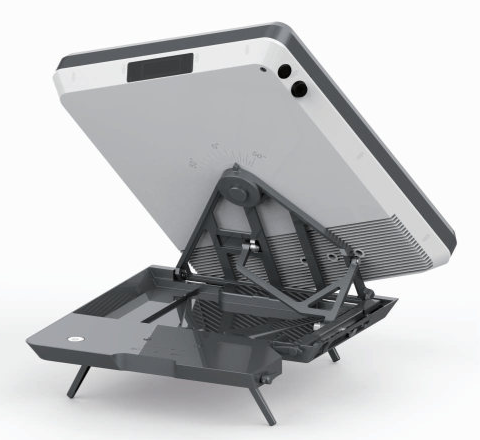
Flat Portable Satellite Terminal 0.35m Aperture Manual Portable Terminal
China Starwin Science & Technology Co., Ltd.