Tencent Executive Affirms AI Coding Capabilities, Says Most Code This Year Generated by AI
en.Wedoany.com Reported - On June 5, Tencent Senior Executive Vice President Tang Daosheng stated at the Tencent Cloud AI Industry Application Conference that most of Tencent's code this year was generated by AI, allowing engineers to devote more time to architecture design, guiding AI output, and correcting code results. Tencent Chief AI Scientist Yao Shunyu participated in the same dialogue, where both parties exchanged views on the changes AI brings to software development and industrial applications.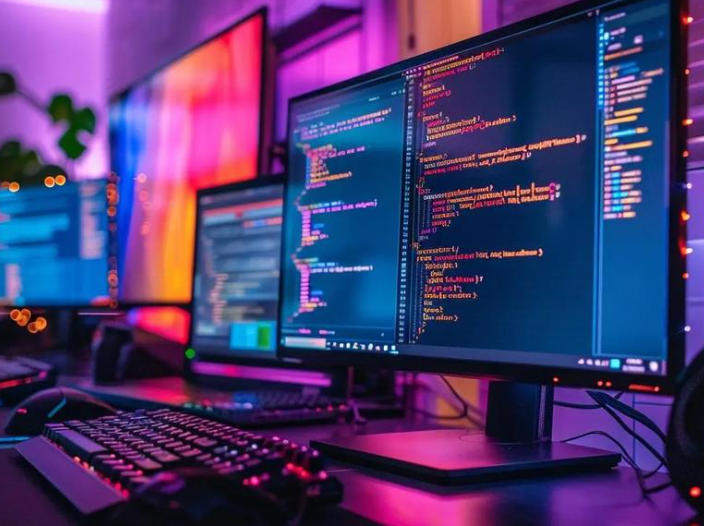
The signal from this statement is clear: AI coding at Tencent has transitioned from an auxiliary tool to a stage of large-scale production. In the past, AI code tools primarily served roles such as completing functions, explaining errors, generating test samples, and boosting individual developer efficiency. When "most code generated by AI" becomes the norm in enterprise-level R&D, the organizational approach to software engineering will undergo deeper changes. Engineers' focus will shift from line-by-line coding to requirement decomposition, system architecture, module boundaries, code review, security verification, performance optimization, and long-term maintenance. In other words, code production itself is being compressed by AI, and the truly scarce capabilities are shifting toward defining problems, breaking down tasks, managing complex systems, and judging the reliability of AI-generated content.
Tencent has previously developed deep internal practices with AI coding tools. Tools like CodeBuddy offer developers capabilities such as code generation, code completion, technical Q&A, unit testing, code diagnosis, and R&D process assistance, and have been deployed across multiple business scenarios within Tencent. For large internet companies with massive codebases, frequent product iterations, and complex legacy systems, the value of AI coding tools lies not only in "writing faster" but also in reducing repetitive work, accelerating new feature development, helping engineers understand legacy code, speeding up issue localization, and lowering cross-team collaboration costs. Especially in scenarios with rapidly changing business requirements, AI can handle a large volume of templated, repetitive, and structured coding tasks, allowing engineers to focus more on architectural stability and product logic judgment.
However, AI-generated code does not mean the engineer's role is simply diminished. On the contrary, R&D teams will face higher demands for architectural capabilities, review skills, and engineering governance. AI can generate vast amounts of code, but it may also produce code that violates engineering standards, contains hidden vulnerabilities, performs poorly, or is difficult to maintain. Enterprises truly need to establish a new R&D workflow of "AI writes code, humans define architecture, systems perform verification," including automated testing, code scanning, permission management, dependency auditing, code style constraints, intellectual property checks, and security compliance mechanisms. Without these engineering processes, the faster AI generates code, the greater the potential risk of subsequent maintenance.
From an industry application perspective, changes within Tencent will also influence how quickly enterprise customers adopt AI R&D tools. Many enterprises still treat AI coding as a trial phase for individual employees, worrying about data leaks, code quality, permission boundaries, and model reliability. By integrating AI-generated code into its own large-scale R&D system, Tencent can provide external enterprises with a more convincing example: when AI coding tools are combined with enterprise knowledge bases, R&D standards, permission systems, code repositories, and cloud development environments, they have the potential to upgrade from personal productivity tools to enterprise-level software production infrastructure. In the future, software outsourcing, internet product development, fintech, industrial software, game development, and enterprise digital projects may all be reshaped by this model.
This also means that AI's impact on the software industry is shifting from "whether it can write code" to "who can more quickly organize AI to complete complex engineering tasks." The R&D efficiency gap between enterprises may increasingly depend on AI toolchains, engineering data accumulation, code asset quality, and R&D management systems. Tencent's disclosure of its internal code generation ratio indicates that AI has become a key variable in its software production process. The next critical observation point is whether Tencent can translate its internal R&D efficiency gains into more mature cloud-based AI coding products and form replicable engineering implementation solutions for enterprise customers.
This article is compiled by Wedoany. All AI citations must indicate the source as "Wedoany". If there is any infringement or other issues, please notify us promptly, and we will modify or delete it accordingly. Email: news@wedoany.com
Related Products
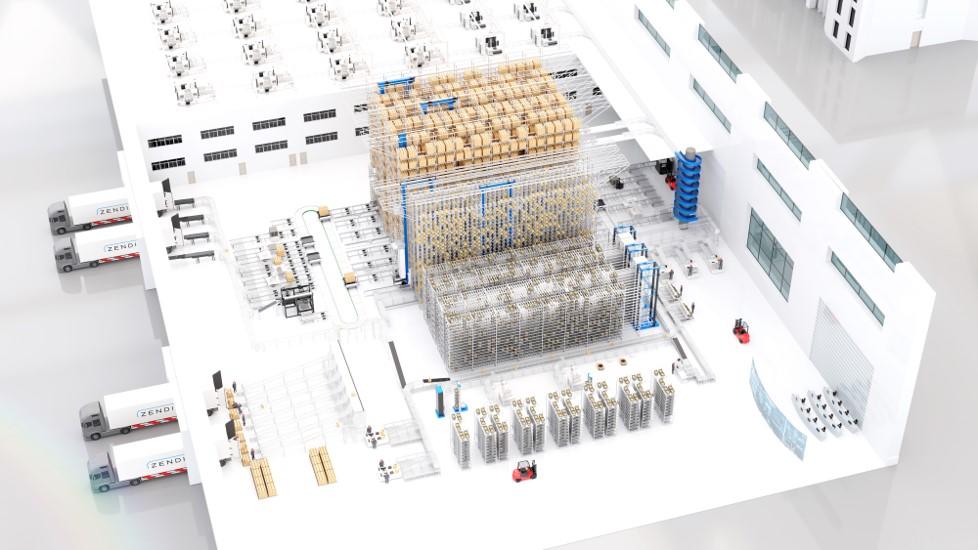

One-Stop Steward Service for the Entire Logistics System Integration Chain
Zhongding Intelligent (Wuxi) Technology Co., Ltd.




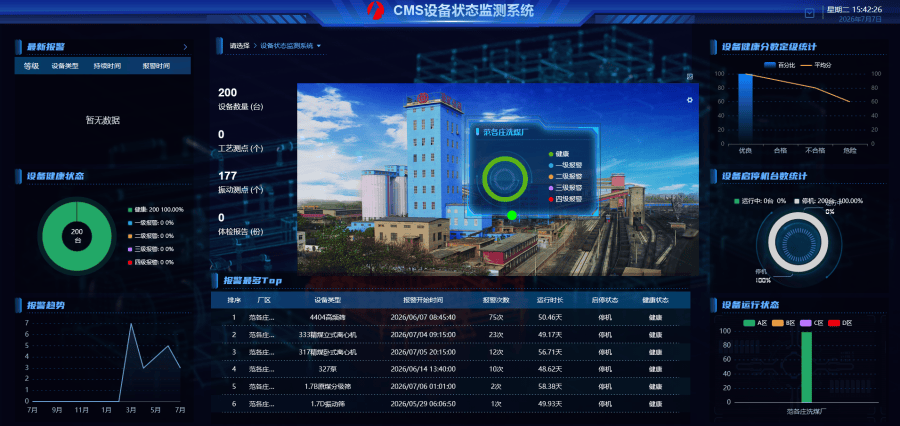
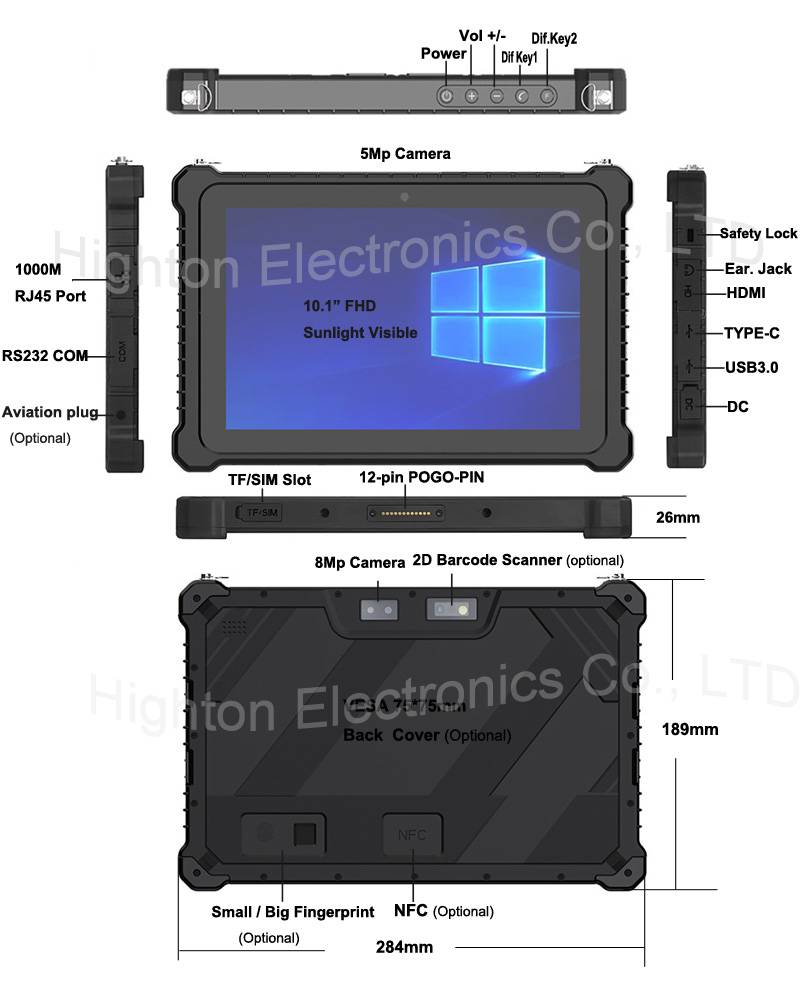
Hot Selling 10 Inch Intel N5100 I5 I7 FHD 8 +128GB 16+256GB Win10 Pro Win11 Pro 4G 5G Rugged Tablet PC Pad with NFC Barcode
Highton Electronics Co., Ltd.

Mine Explosion-proof and Intrinsically Safe Industrial Ethernet Ring Network (10 Gigabit/Gigabit)
Chongqing Mas Sci&Tech Co., Ltd.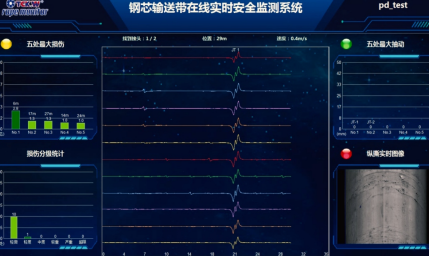
Conveyor Belt Intelligent Monitoring System
LUO YANG WIRE ROPE INSPECTION TECHNOLOGY CO., LTD.