en.Wedoany.com Reported - The 2026 Indonesia Mining Conference and Critical Metals Conference was held from June 3 to 5 at the Pullman Jakarta Central Park Hotel in Jakarta, Indonesia. The conference was organized by Shanghai Metals Market Information Technology Co., Ltd. (SMM), co-organized by the Indonesian Nickel Miners Association (APNI), the Ministry of Foreign Affairs of the Republic of Indonesia, the National Economic Council of Indonesia, and MMR, and established a strategic partnership with the Jakarta Futures Exchange.
The conference featured multiple parallel forums, including the Main Forum, Nickel-Cobalt Forum, Tin Forum, Coal and Energy Transition Forum, and Aluminum Forum, attracting guests and attendees from 45 countries and regions worldwide, with over 120 industry leaders sharing insights on-site. Participants discussed topics such as market prices, supply-demand dynamics, industry policies, low-carbon development, and ESG construction. In addition to traditional categories like nickel, cobalt, aluminum, tin, and coal, the conference added an Energy Transition Forum covering hot areas such as photovoltaics, energy storage, and new energy.
During the Main Forum on June 3, North Maluku Governor Sherly Tjoanda, Indonesian Deputy Minister of Investment and Downstream Industry Todotua Pasaribu, SMM Vice President Wang Cong, and Chief Economist of Bank Mandiri Andre Simangunsong shared insights on sustainable downstream development in North Maluku, diversification strategies for critical mineral downstream industry clusters, the evolution of global critical resource industries, and Indonesia's economic growth targets amid fiscal pressures and weakening export commodity prices. SMM also organized two roundtable discussions, focusing on geopolitical, technological iteration, and ESG challenges faced by Indonesian enterprises, as well as the future of green premiums and the cost burden of decarbonization.
In recent years, global supplies of nickel and cobalt raw materials have frequently been disrupted. Indonesia reduced its nickel mining quota to 260-270 million tons, tightening upstream resource releases; the Democratic Republic of the Congo continued to compress cobalt export quotas, leading to a significant contraction in globally marketable cobalt raw materials. As the core hub of the global nickel supply chain and a key production region for new cobalt supply, Indonesia's industrial regulation policies, capacity commissioning pace, and supply chain layout changes directly impact the global nickel-cobalt supply-demand balance.
The global nickel-cobalt industry is currently at a critical stage of supply-demand restructuring, policy innovation, and value reassessment. To accurately forecast the 2026 nickel-cobalt market trends, dissect Indonesia's latest industrial regulation details, and facilitate upstream-downstream collaboration in the supply chain, the Nickel-Cobalt Forum was held from June 4 to 5, gathering global mining, smelting, trading, downstream end-users, and investment and financing institutions to focus on market supply-demand trends, policies and regulations, production technology iteration, and cross-border industrial cooperation.
At the Nickel-Cobalt Forum on June 4, Secretary General of the Directorate General of Minerals and Coal at the Ministry of Energy and Mineral Resources, Totoh Abdul Fatah, delivered a keynote speech. He stated that RKAB is a core policy tool for Indonesia to regulate mineral output, coordinate industrial implementation, and link downstream industrialization development. Indonesia's reserves and production capacity for multiple key strategic commodities, including nickel, cobalt, copper, tin, and bauxite, are significant, highlighting their value amid the energy transition wave. The next phase of downstream mineral development is not about curbing growth but improving development quality, clarifying direction, and strengthening standardized management. Future smelter layouts must match ore supply capacity, coordinate energy support, environmental access, and local industrial value addition. Indonesia's mineral downstream industrialization has made progress, with 14 smelters currently in operation, producing products such as nickel oxide, pig iron, and cathode copper. The entire supply chain, including operational and under-construction projects, represents a total investment of $7.849 billion, with $2.535 billion in the nickel sector, $2.181 billion in aluminum, $47 million in iron ore projects, and $3.084 billion in copper. Subsequent smelter project planning must balance sustainable resource development, supply-demand market equilibrium, ESG compliance, and enhanced national added value.
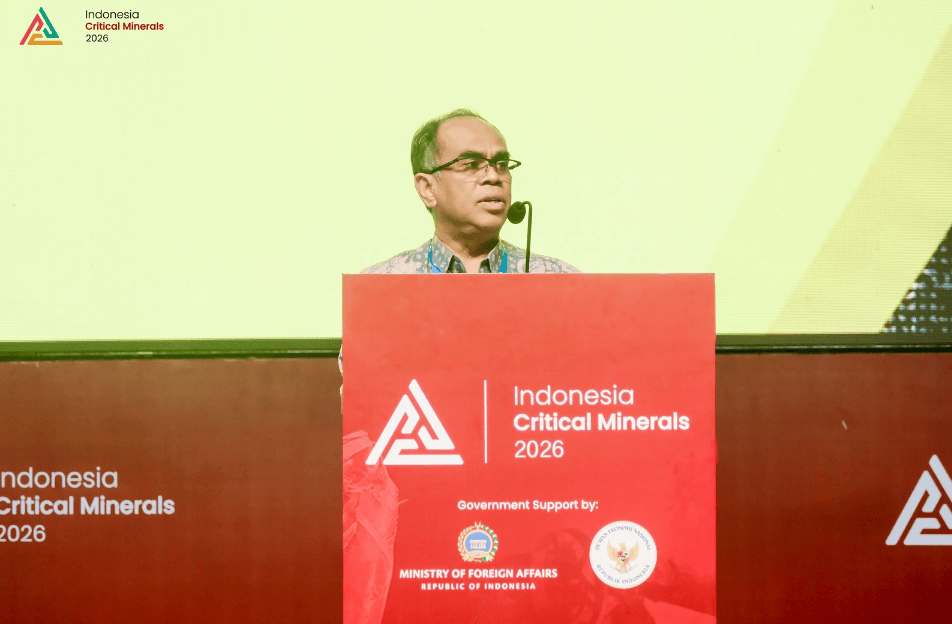
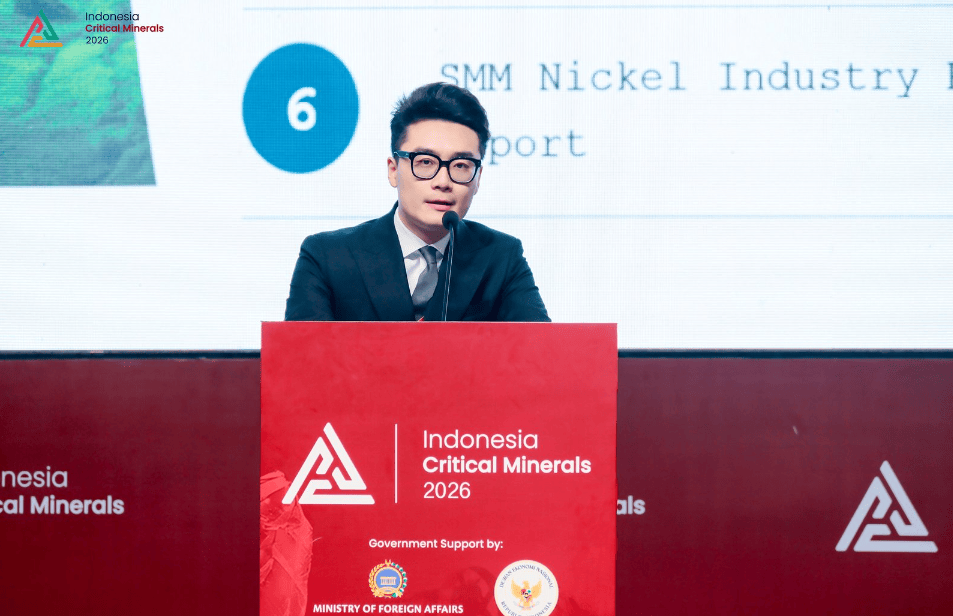
SMM Nickel-Cobalt-Lithium Industry Research Director Feng Disheng delivered a keynote speech analyzing the five-year outlook for the global nickel supply chain.
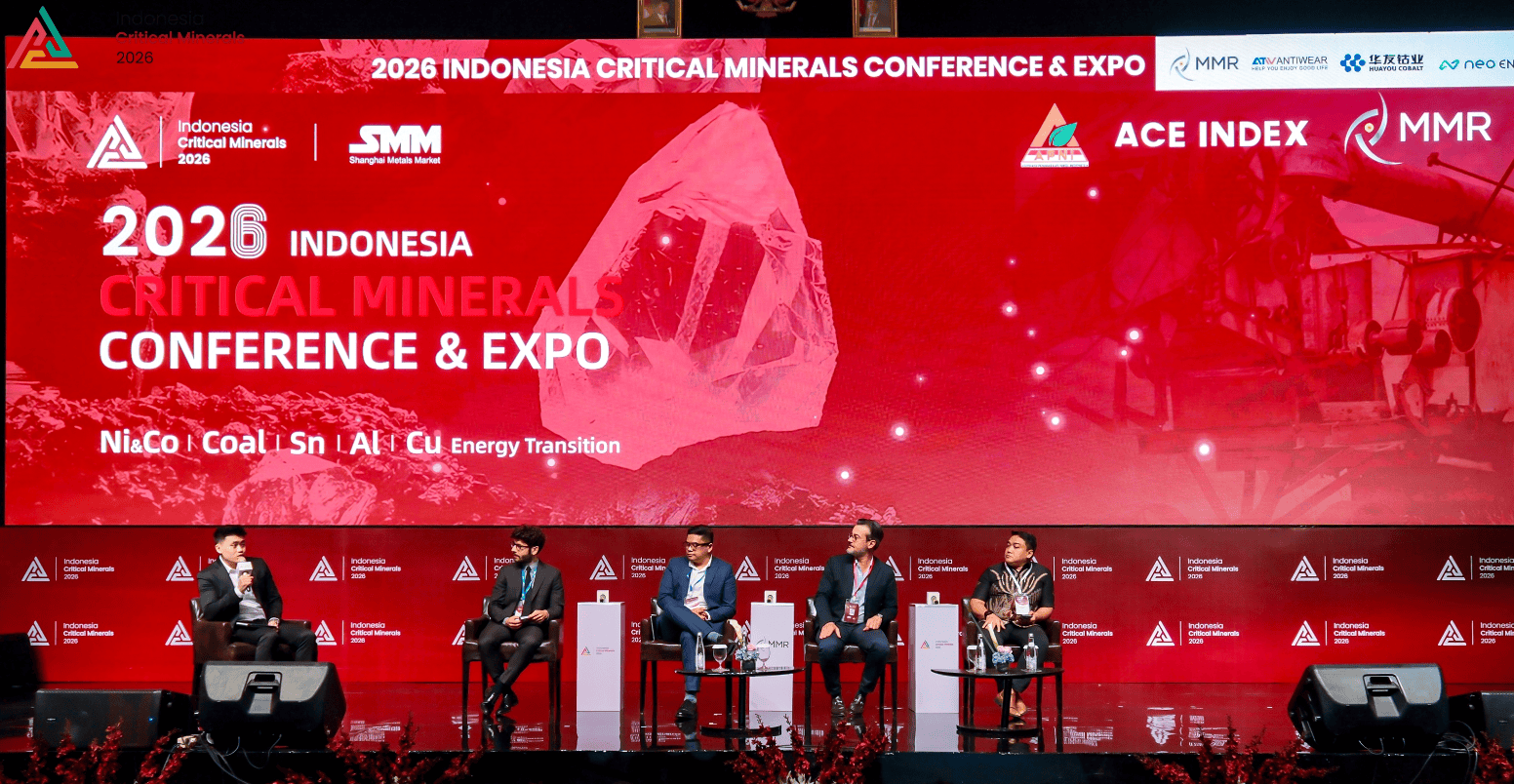
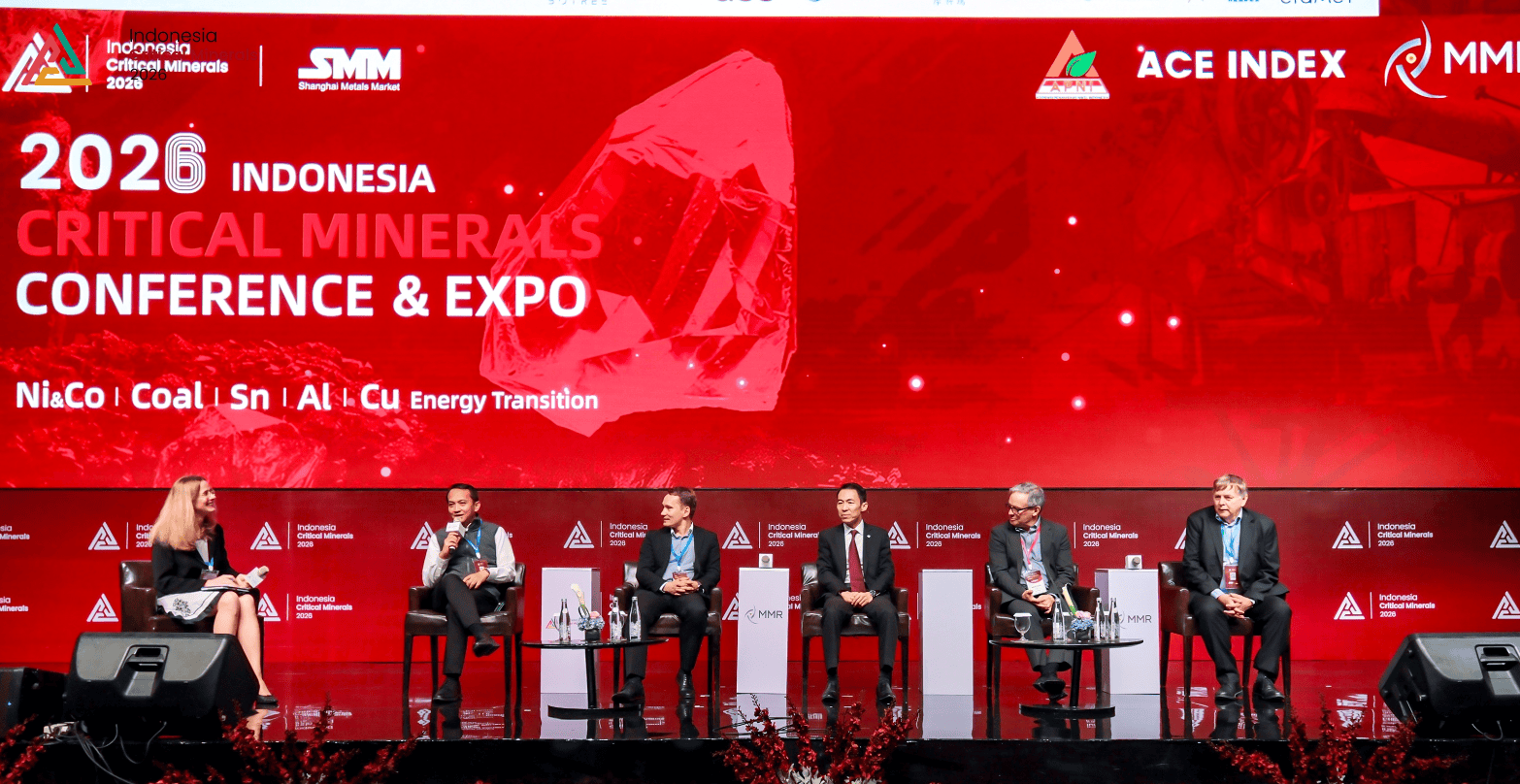
A roundtable discussion focused on future opportunities and challenges for upstream mines, moderated by SMM Senior Nickel Analyst Enzo Brooklyn, with participation from OECD Policy Analyst Luca Maiotti, PT Ceria Metalindo Prima President Aldo Namora, Eramet Indonesia CEO Jerome Baudelet, and PT Ceria Metalindo Prima National Head Patrick Lim.
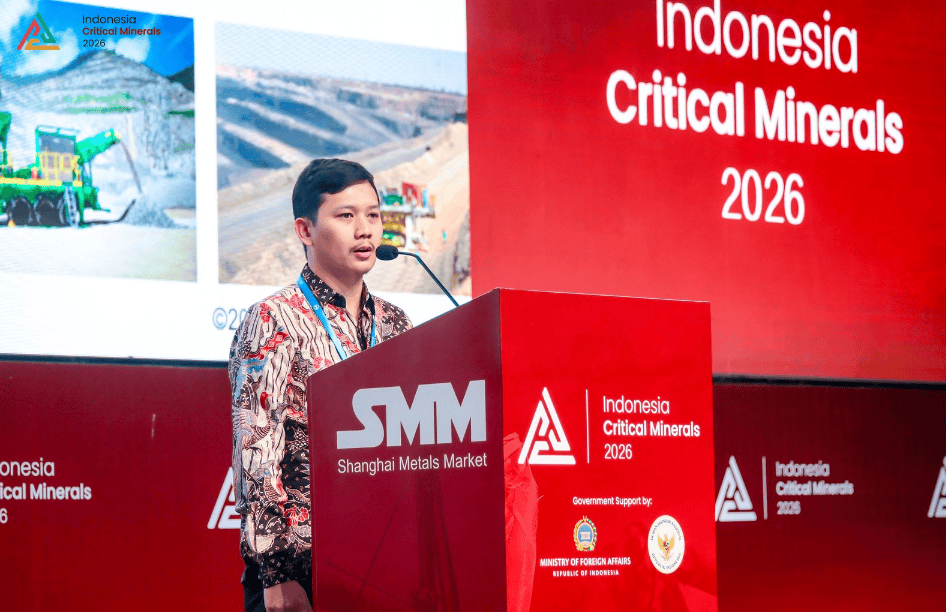
MMD Mining Machinery Indonesia General Manager Fuad Budidarma Pratama delivered a keynote speech on energy-efficient and operational success practices.
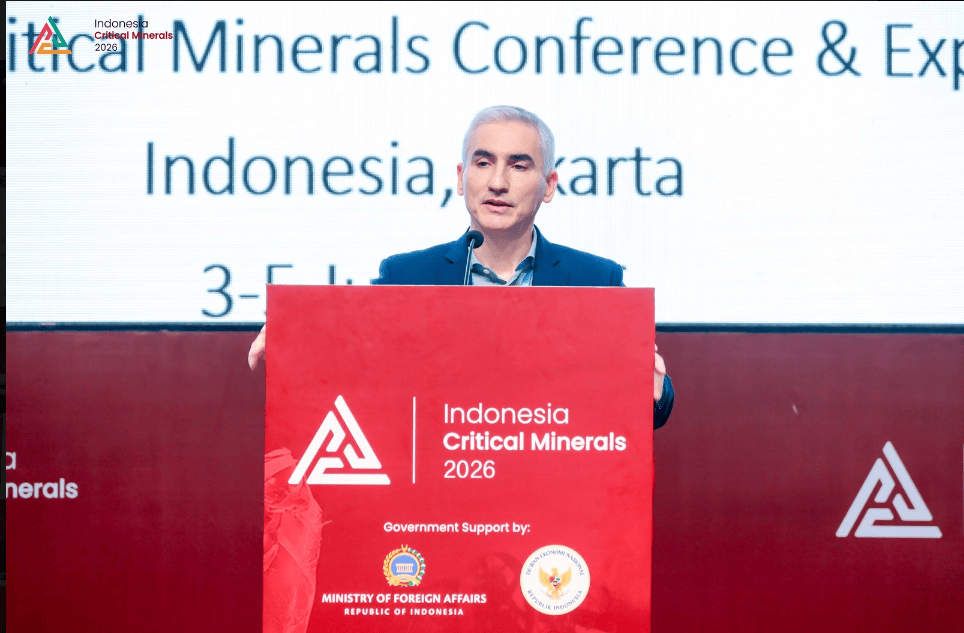
Ricardo Ferreira, Director of Market Research and Statistics at the International Nickel Study Group (INSG), stated that based on a comprehensive measurement from raw ore mining to finished primary nickel products, global primary nickel production is estimated to decline by approximately 4% year-on-year this year, with most of the reduction coming from Indonesia, while China's nickel production is also expected to decrease. In the first quarter, global primary nickel had already seen a slight decline of about 1%, with Indonesia down about 3% and China down about 1%.
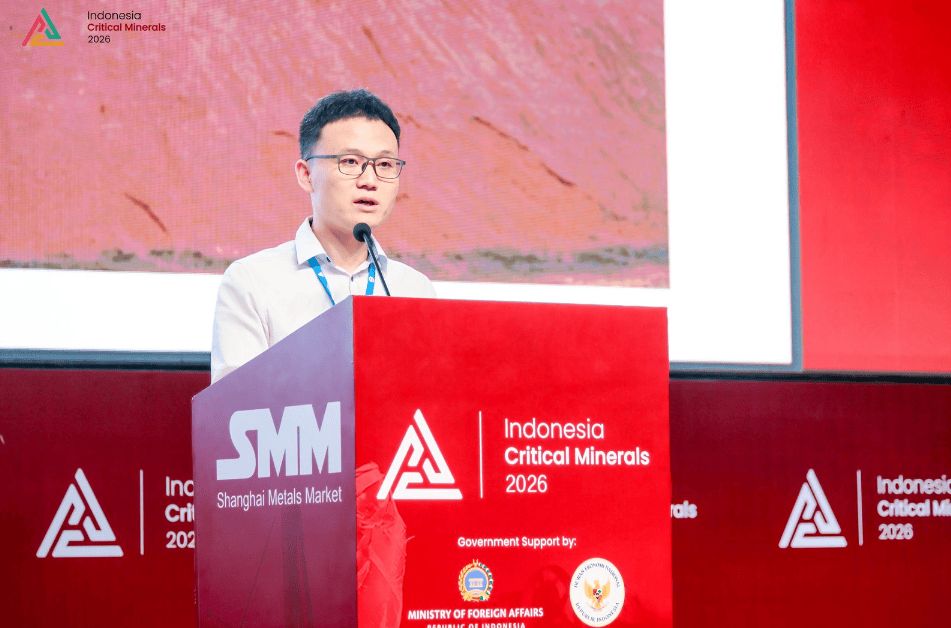
Liu Chunwei, General Manager of the Resource Extraction Division at Suzhou Botree Cycling Technology Co., Ltd., introduced new refining technologies for laterite nickel ore and spent batteries.
In another roundtable discussion, moderator INSG Secretary General Kamila Slupek, along with Macquarie Advisor Jim Lennon, National Economic Council of Indonesia Member Septian Hario Seto, Norilsk Nickel Strategic Marketing Director Denis Sharypin, Canada Nickel Company CEO and Director Mark Selby, and LME Sales Head Edric Koh, discussed the impact of nickel price volatility, product differentials, and policy changes on the nickel market over the next five years.
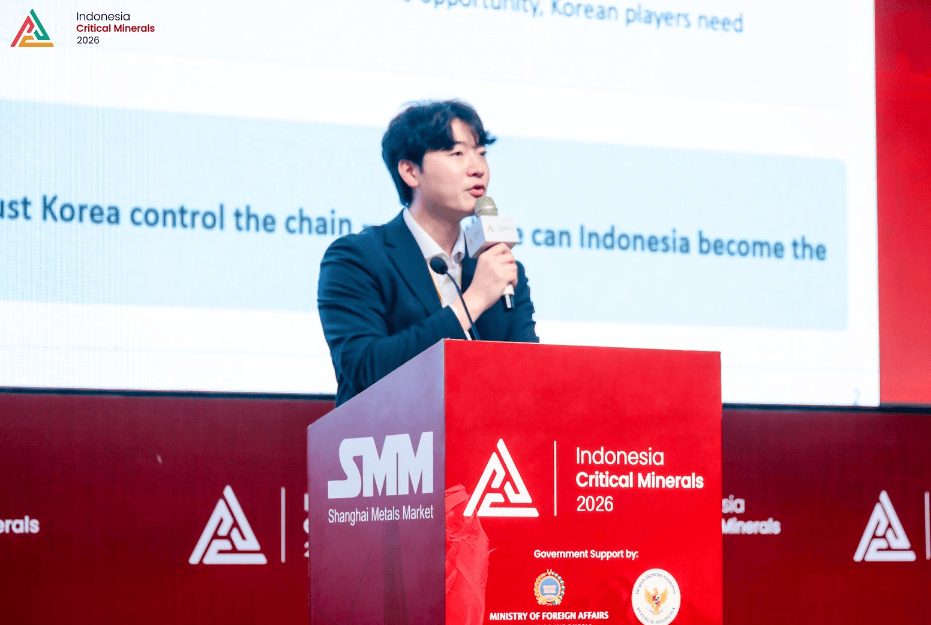
SMM Korea Country Manager James (IKHWAN) Choi introduced Korea's battery supply chain strategy and Indonesia's role.
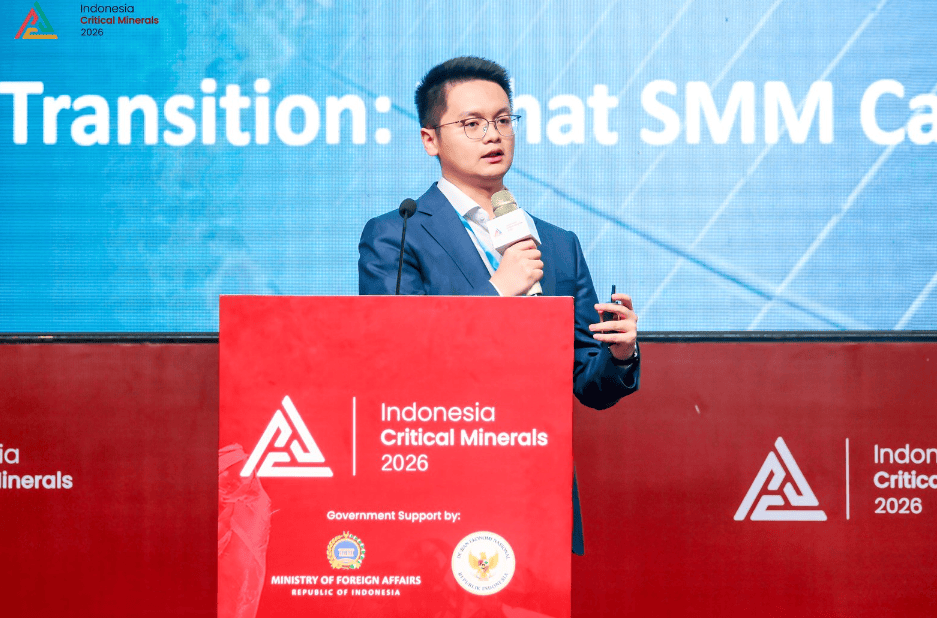
SMM New Energy and Nonferrous Metals Consulting Head Zhu Jian analyzed the development direction of high-nickel batteries (High-Ni) and three new growth poles amid the lithium iron phosphate (LFP) landscape.
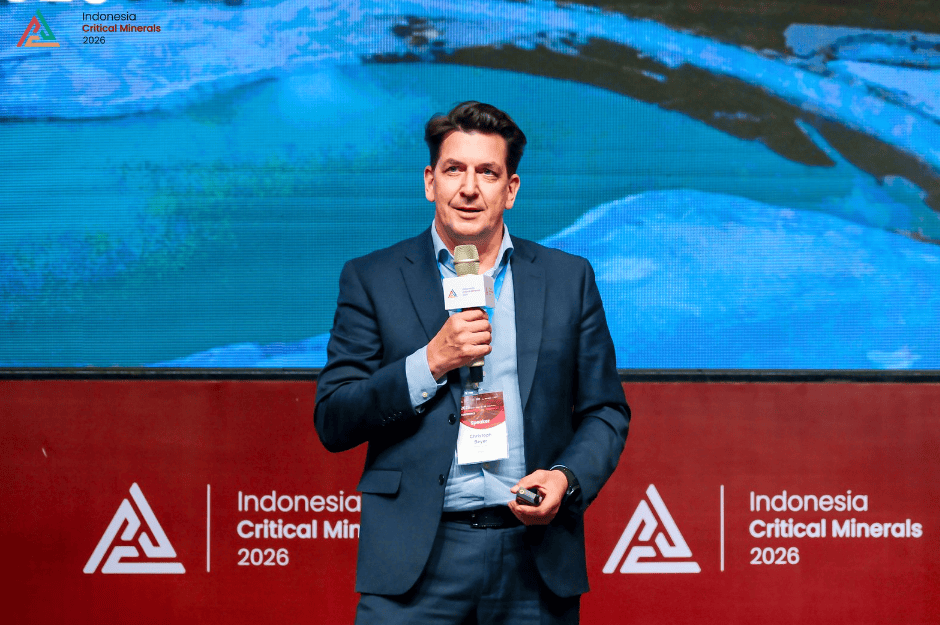
Queensland Magnesia (QMAG) Managing Director Dr. Christoph Beyer presented on the market development of calcined magnesia for mixed hydroxide precipitate (MHP) production of nickel and cobalt.
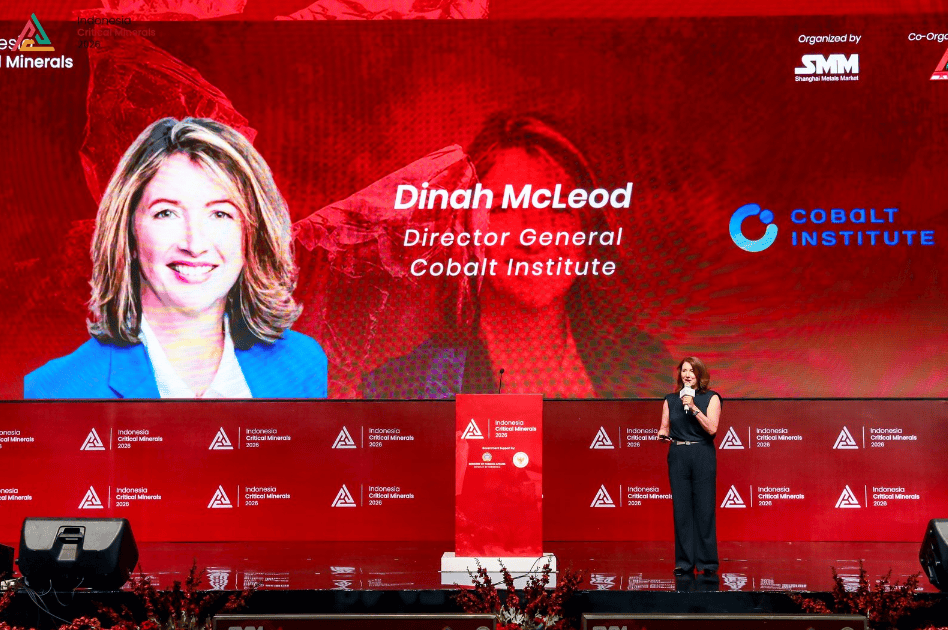
Cobalt Institute Director General Dinah McLeod delivered a keynote speech focusing on the cobalt industry driving a new chapter for critical minerals.
The Nickel-Cobalt Forum continued on June 5. A roundtable discussion on "Nickel oversupply? Risks and long-term value in Indonesian investments" was moderated by SMM Business Director Tang Huijing, with participation from Danantara Indonesia Business Performance and Asset Optimization Director Luke Mahony, Boston Consulting Group Managing Director and Partner Ali Safdar, Indonesian Nickel Smelting Association Chairman Arif Perdana Kusumah, and PT Bank Negara Indonesia Tbk (Persero) Corporate Banking II Senior Vice President Ditya Maharhani Harninda.
Suzhou Antiwear Industrial Intelligent Technology Co., Ltd. International Business President Deng Changsong introduced valve solutions for harsh conditions in the HPAL sector.
PT Sumbawa Timur Mining Chairman Bede Beresford Evans analyzed the economics and feasibility of using Indonesian pyrite for acid production to restructure the HPAL core auxiliary material supply chain.
Pillar Hedging CEO Harsha Ramesh explored the path for battery metals to move from price volatility to hedgeability.
Suzhou Junhao Electric Power Co., Ltd. CEO Frank Qi conducted a technical and economic analysis of mine microgrids.
Malvern Panalytical Sales Manager Tiong Yen Toh introduced the value of analytical solutions in mining processes.
Special Advisor to the President of the Government of New Caledonia Gabriel Bensimon presented the current state of the nickel industry in New Caledonia.
International Nickel Association President Dr. Veronique Steukers analyzed the global flow of nickel from mining to end-use applications.
In a roundtable discussion on ESG, moderated by OECD Policy Analyst Benjamin Katz, participants included International Nickel Association Executive Director Dr. Chris Schlekat, China Chamber of Commerce of Metals, Minerals & Chemicals Importers & Exporters Sustainability Department Manager Wang Ning, Tsingshan Group Board ESG Office Head Li Yumo, Vale Indonesia Nickel Downstream Business Executive Advisor Vinícius Mendes Ferreira, dss+ Sustainability and ESG Services Manager Fan Li, and Cobalt Institute Senior Sustainability Manager Tom Fairlie, focusing on standards, challenges, and opportunities in mining and smelting.
The conference concluded all agendas after the closing ceremony.
This article is compiled by Wedoany. All AI citations must indicate the source as "Wedoany". If there is any infringement or other issues, please notify us promptly, and we will modify or delete it accordingly. Email: news@wedoany.com