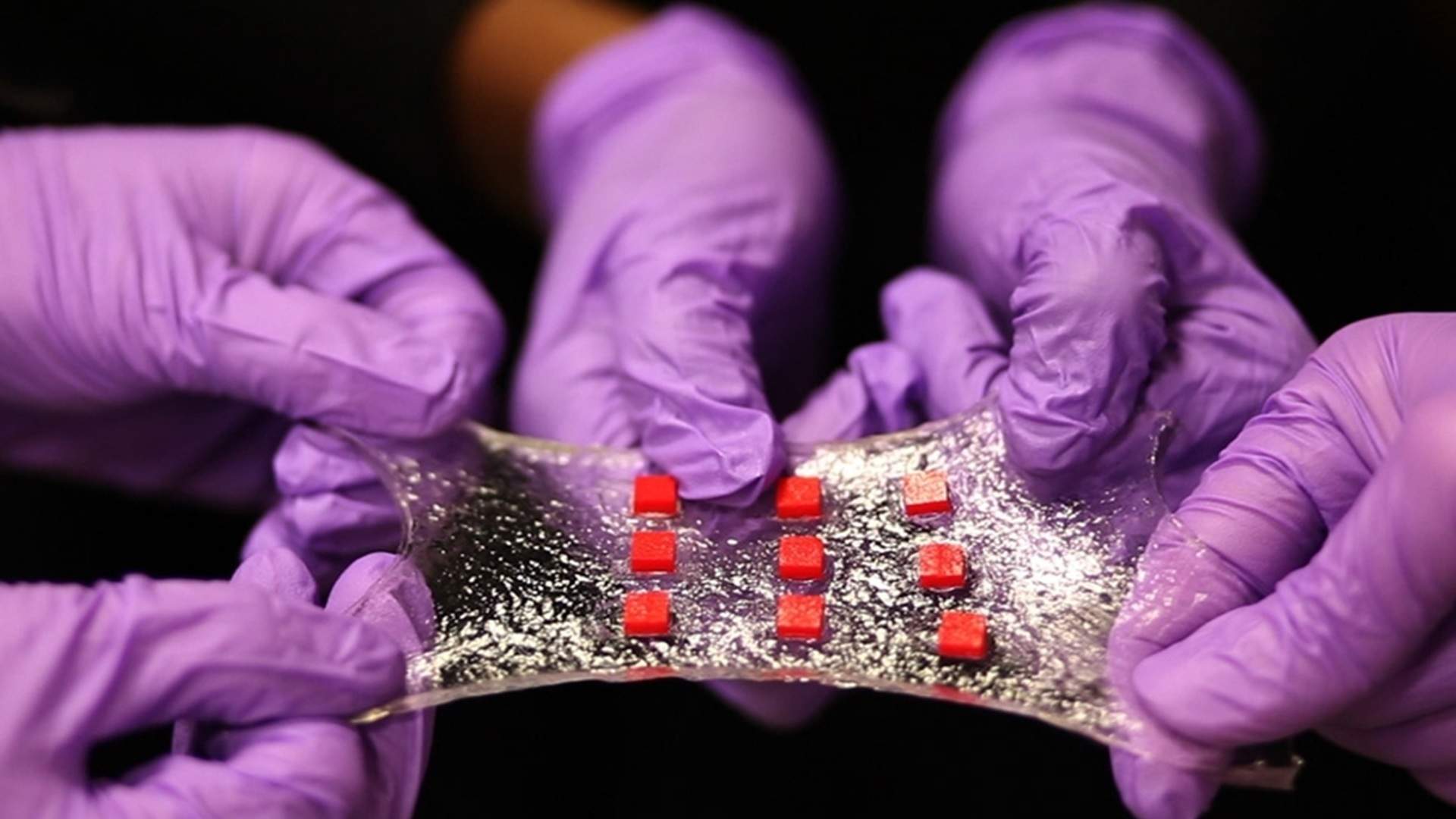
en.Wedoany.com Reported - The Department of Chemical Engineering at Sungkyunkwan University (SKKU) in South Korea has developed an ultra-stretchable hydrogel electrolyte that can be stretched to nine times its original length while maintaining full functionality at minus 20 degrees Celsius. The research, led by Professor Dr. Sungjune Park, an expert in flexible electronics, utilized liquid metal particles to construct this novel electrolyte.
The rapid advancement of wearable and bio-integrated electronic devices imposes higher demands on flexible energy storage systems, which must maintain stable performance under bending, stretching, and harsh environmental conditions. Traditional hydrogel electrolytes, while offering flexibility and high ionic conductivity, suffer from insufficient mechanical strength and are prone to freezing at low temperatures, limiting their practical applications.
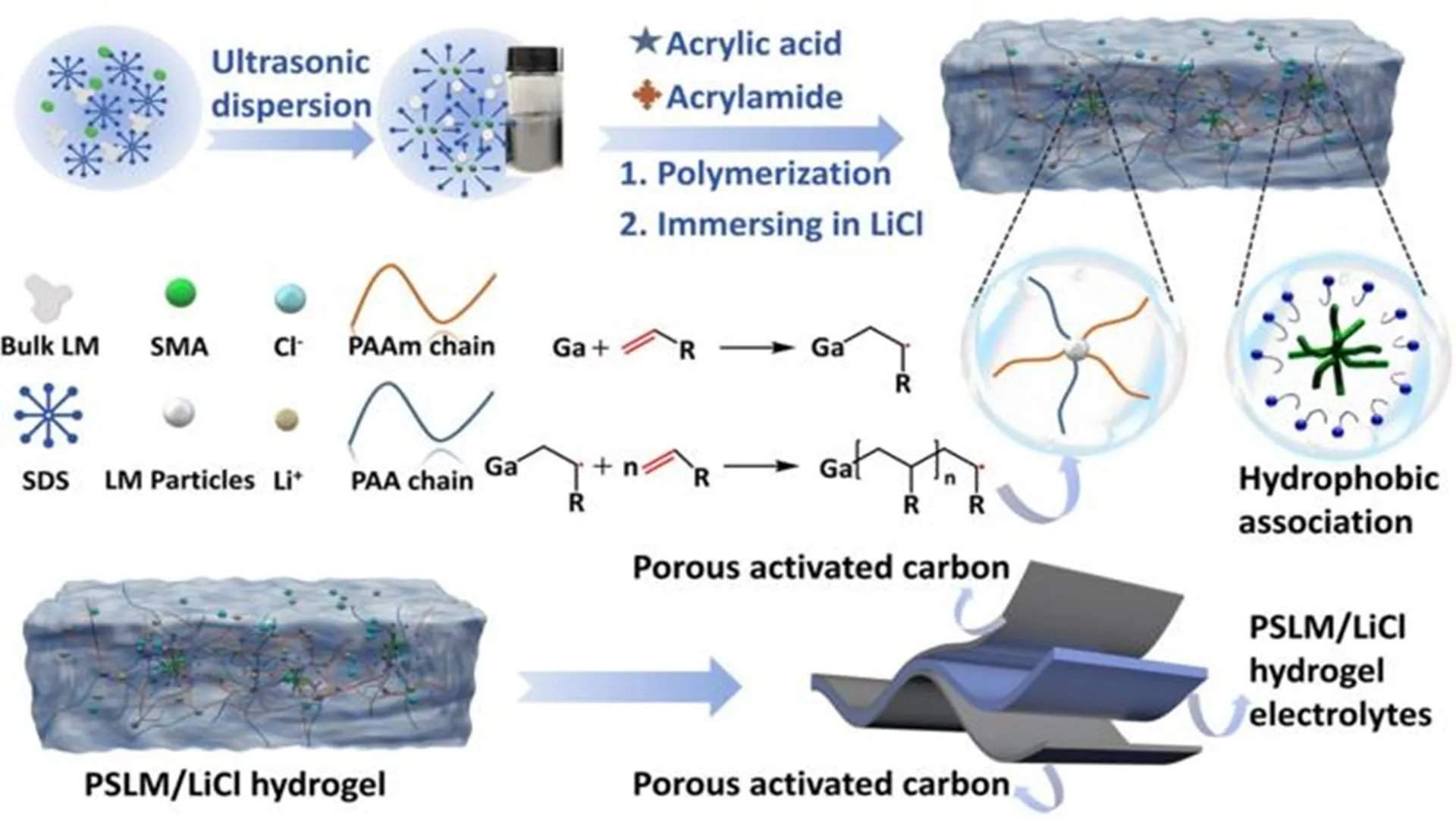
To address these challenges, the research team used liquid metal particles (LMPs) as polymerization initiators. Bulk liquid metal was broken down into fine particles via ultrasonic treatment, which then initiated the polymerization of acrylamide and acrylic acid to form the hydrogel. This method eliminates the need for heating, ultraviolet light, or other external stimuli, simplifying the manufacturing process. The researchers also incorporated stearyl methacrylate (SMA), a hydrophobic material that forms reversible physical crosslinks between polymer chains. These crosslinks can absorb energy under stress and reform after stress is relieved, thereby enhancing the hydrogel's durability and stretchability.
Tests showed that the hydrogel could be stretched to nine times its original length before breaking, corresponding to an elongation at break of approximately 900%. After soaking the hydrogel in a lithium chloride solution, hydrogen bonding between water molecules was inhibited, preventing freezing while maintaining the material's flexibility. At minus 20 degrees Celsius, the electrolyte retained its ionic conductivity and mechanical properties. Energy storage devices constructed using this material achieved a capacity retention rate of 98% after 45,000 charge-discharge cycles.
Dr. Sungjune Park noted that this work provides a new design strategy for liquid metal-based hydrogel electrolytes and establishes a viable platform for wearable electronics and flexible energy storage systems operating under extreme conditions. The research findings have been published in the journal Nano-Micro Letters.
This article is compiled by Wedoany. All AI citations must indicate the source as "Wedoany". If there is any infringement or other issues, please notify us promptly, and we will modify or delete it accordingly. Email: news@wedoany.com