en.Wedoany.com Reported - The United States is undergoing a massive expansion of gas-fired power plants, with over 100 projects currently under construction. The U.S. Energy Information Administration (EIA) projects that domestic natural gas demand will grow by 6% next year as some new plants enter commercial operation. Analysts believe this growth is not a temporary phenomenon but a new, higher demand baseline. These new gas-fired power plants, designed with a lifespan of over 30 years, are benefiting from the enormous demand from data centers, and the U.S. utility industry appears to be on the verge of a long-awaited transition to central-station power generation.
The U.S. utility industry may have been planning this transition since the 1980s, when the U.S. Environmental Protection Agency (EPA) warned the public about the hazards of emissions from coal-fired power plants. At that time, new nuclear power plants were stalled by cost overruns and the Three Mile Island incident, making natural gas the natural choice. New shale gas discoveries and a comprehensive pipeline system further solidified natural gas's position. Currently, the U.S. is entering a new phase of gas-fired power plant construction while simultaneously increasing liquefied natural gas (LNG) exports. Analysts believe this policy contradiction could pose risks: if export volumes are large enough, natural gas prices could trend higher, and more importantly, price volatility will become more severe. The global market for any commodity is far larger than the domestic market, meaning major global conflicts or disruptions will affect local prices. Oil is already priced in the global market, and its price has risen by over 50% in the past few months due to Middle East tensions. U.S. natural gas is currently priced primarily domestically, but this is changing. It is this anticipated increase in price volatility that lies at the core of potential future problems for new gas-fired power plants.
From a policy perspective, analysts argue this situation could have been avoided; imposing export controls on natural gas would have ensured relatively low-cost energy for U.S. consumers and industries. However, the current approach seems to be maximizing domestic natural gas consumption while simultaneously expanding exports. If natural gas price volatility intensifies, many of the new gas-fired power plants under construction could become underutilized or abandoned before the end of their operational lives. The primary costs for a power plant are capital and fuel, and extreme fluctuations in the latter's price could overturn many previous assumptions.
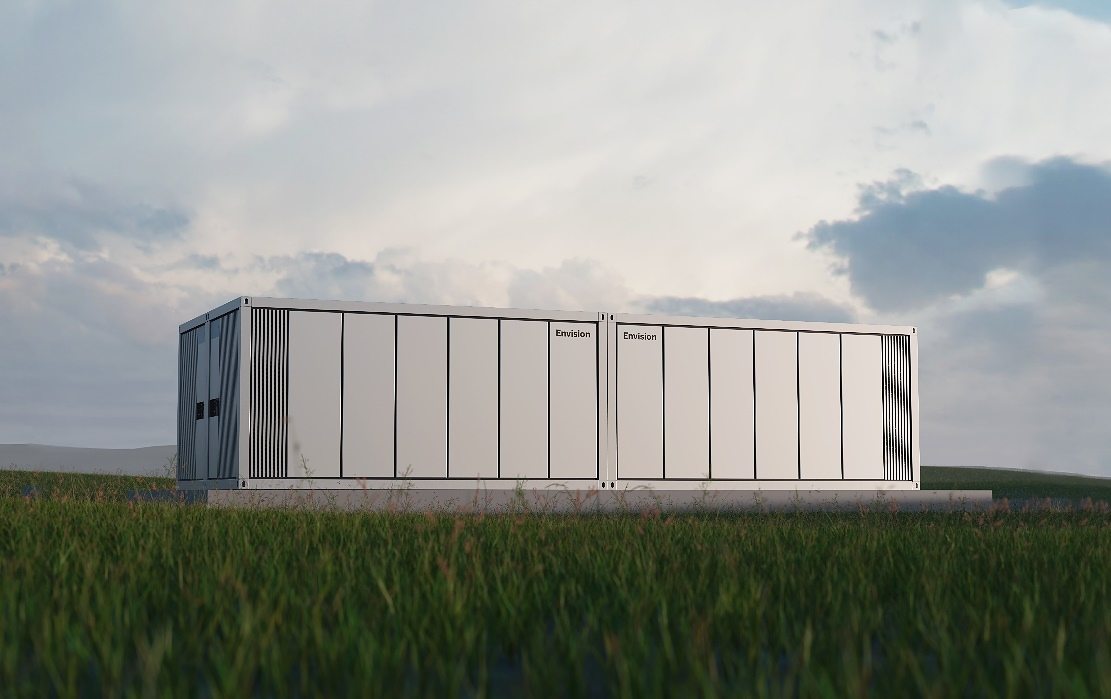
There are already examples showing how this trend might evolve. In California, batteries have significantly replaced high-cost gas-fired peaker plants, winning out in price competition. The process of batteries displacing high-cost fossil fuel power generation is already underway. The real question is when batteries will begin to replace baseload generation units. Consumers and households struggle to adapt to sudden spikes in electricity prices, and business planners face the same challenge. If multiple gas-induced electricity price shocks occur, consumers may turn to other alternatives.
Once new gas-fired power plants are built, state regulators have limited ability to protect consumers from high electricity prices. Increased fuel costs are typically passed directly to consumers by utility commissions; otherwise, utilities would face financial difficulties. There are no safety valves or mitigation measures in place here.
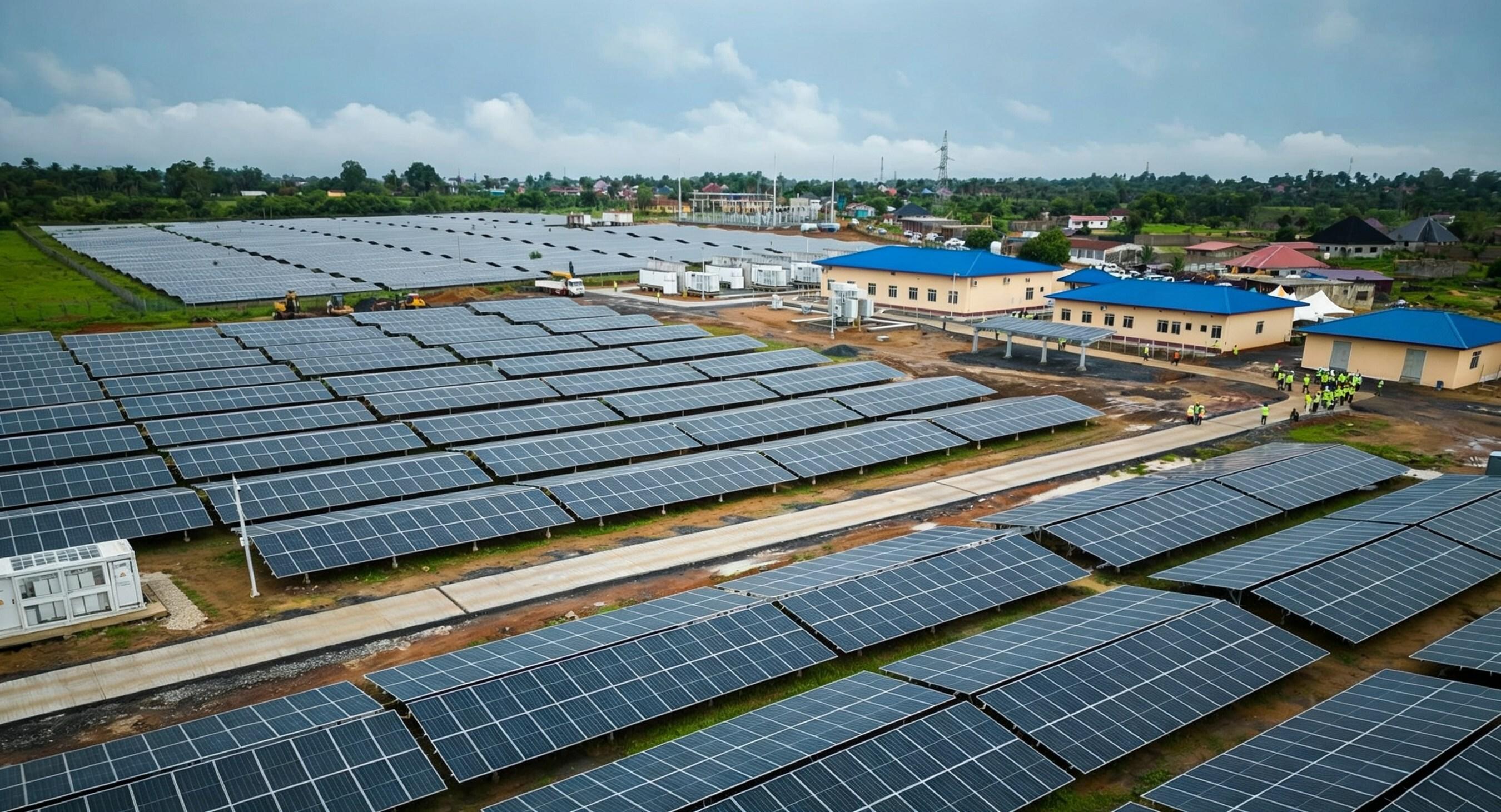
Analysts point out that renewable energy has already won the key battle for dominance in the electricity market. Its prices continue to fall, allowing it to generate electricity at a lower cost than fossil fuel competitors. As natural gas price volatility increases, the economic appeal of renewable energy will further strengthen. This economic pressure could bring financial distress to the owners of new gas-fired power plants sooner than expected.
This article is compiled by Wedoany. All AI citations must indicate the source as "Wedoany". If there is any infringement or other issues, please notify us promptly, and we will modify or delete it accordingly. Email: news@wedoany.com