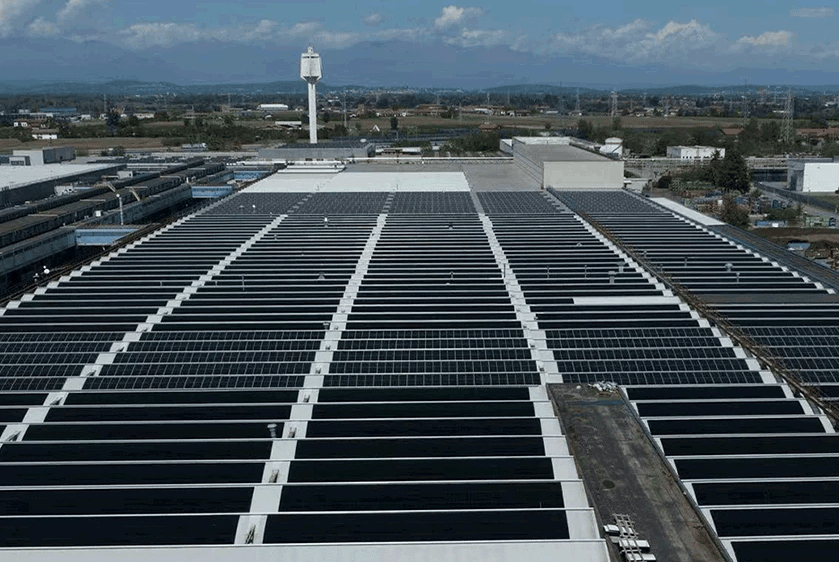
U.S. EIA expects ERCOT solar generation to surpass coal for the first time in 2026
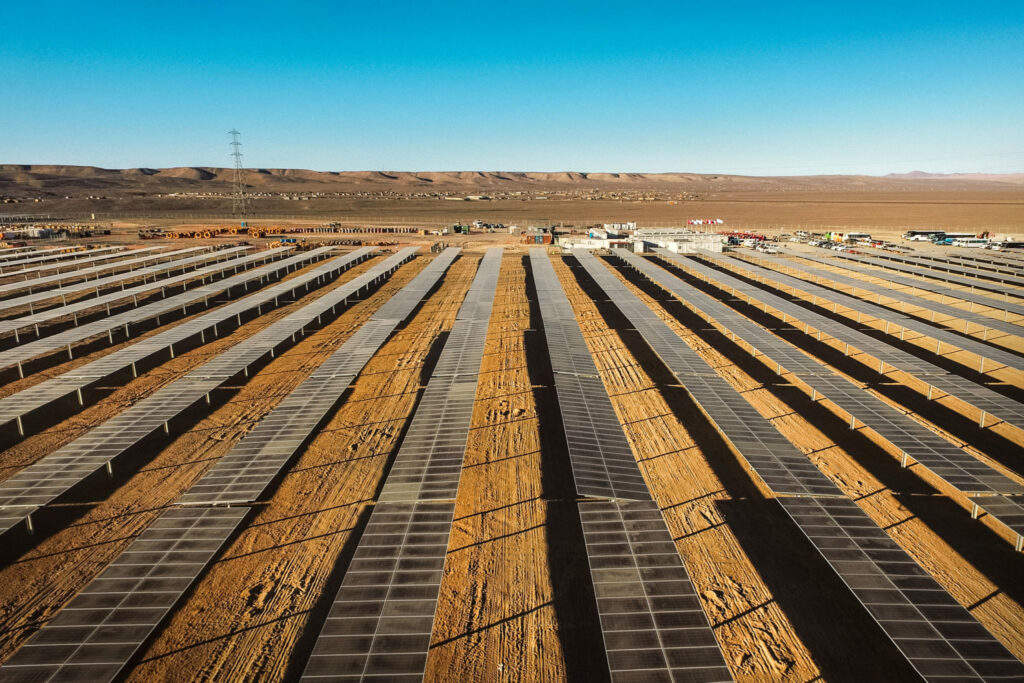
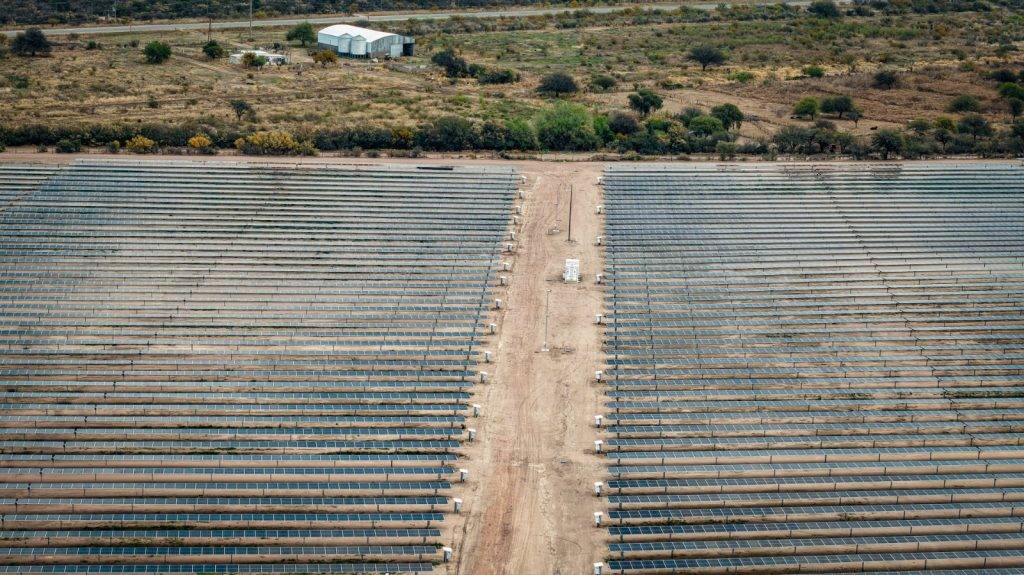
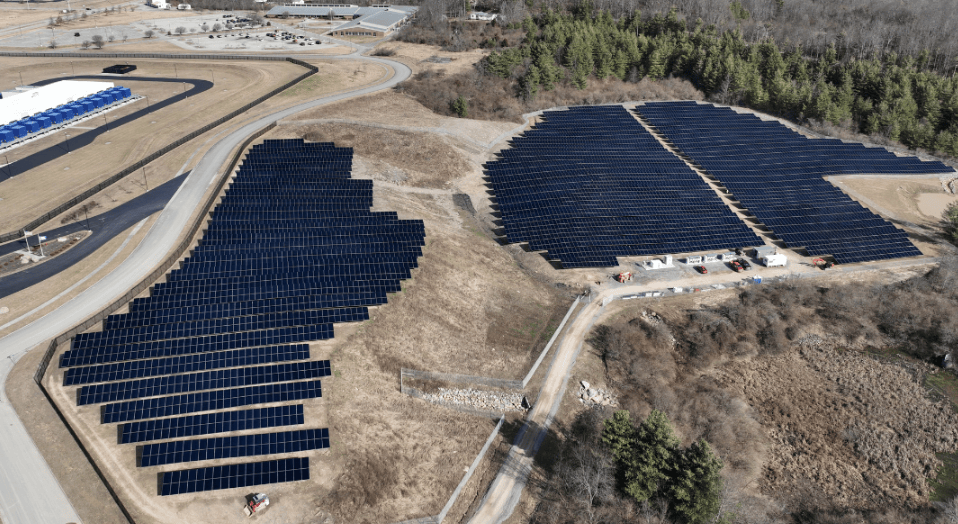
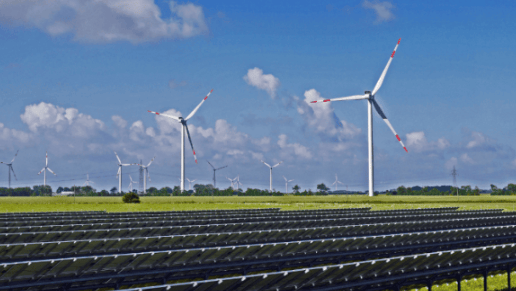
en.Wedoany.com Reported - The U.S. Energy Information Administration (EIA) forecasts in its latest Short-Term Energy Outlook that utility-scale solar generation in the Electric Reliability Council of Texas (ERCOT) will reach 78 billion kilowatt-hours in 2026, surpassing coal-fired power on an annual basis for the first time. Coal generation is expected to be 60 billion kilowatt-hours over the same period.
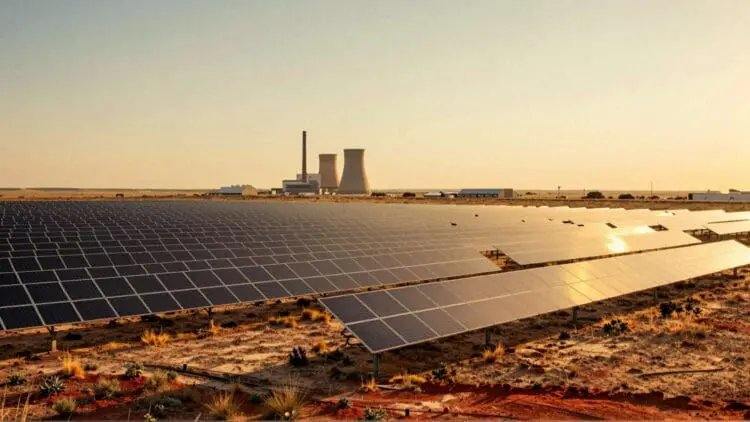
Solar's share of ERCOT's generation mix has risen from 4% in 2021 to 12% in 2025, while coal's share has fallen from 19% to 13% over the same period. The EIA predicts that the gap between these two energy sources will widen further in 2026 and beyond. Natural gas remains the dominant power source in ERCOT, averaging 44% of the generation mix from 2021 to 2025.
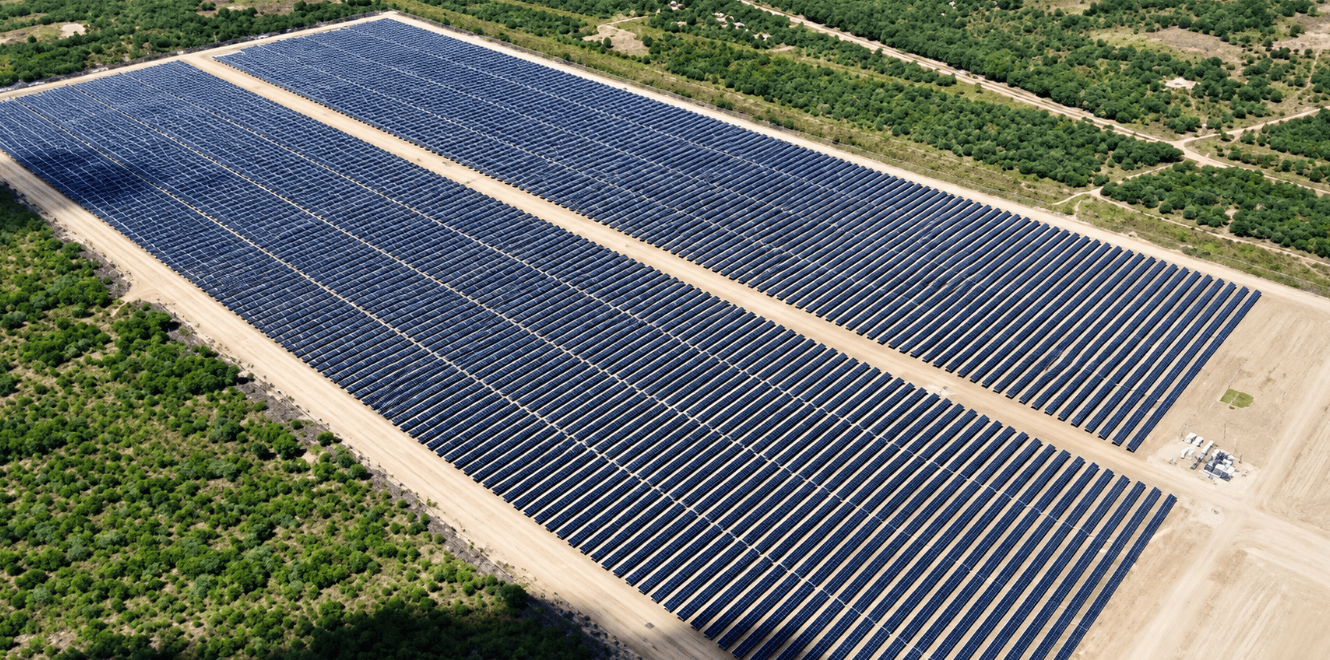
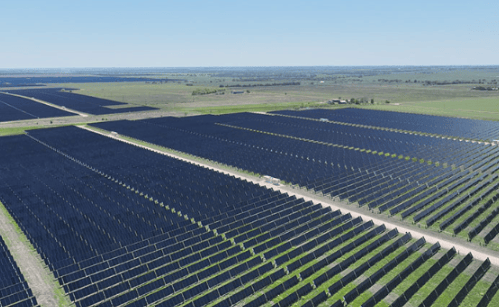
Rapidly increasing solar capacity is driving this shift. In 2026, Texas is expected to account for about 40% of new utility-scale solar capacity additions in the United States. A combined solar and battery storage project named Tehuacana Creek 1, with a rated capacity of 837 megawatts, is expected to be the largest grid-connected solar photovoltaic project in the country in 2026. On the coal front, the EIA's Preliminary Monthly Electric Generator Inventory shows no planned new coal-fired power plants in ERCOT.
Signals of a monthly surpass have already emerged in 2025. In March 2025, solar surpassed coal on a monthly basis for the first time, with ERCOT solar generation reaching 4.33 billion kilowatt-hours compared to coal's 4.16 billion kilowatt-hours. From March to August 2025, solar consistently led coal each month. The EIA expects solar to exceed coal from March to November 2026, with coal projected to regain the lead in December.
Looking ahead to 2027, the gap is expected to widen further. The EIA forecasts that ERCOT solar generation will reach 99 billion kilowatt-hours in 2027, compared to 66 billion kilowatt-hours for coal, with an additional 11.8 gigawatts of solar capacity added that year. Electricity demand continues to rise, driven by cryptocurrency mining, rapid expansion of data centers, growth in industrial activity, and oil and gas refining and production. By 2027, the EIA expects solar to surpass coal every month except January and December.
This article is compiled by Wedoany. All AI citations must indicate the source as "Wedoany". If there is any infringement or other issues, please notify us promptly, and we will modify or delete it accordingly. Email: news@wedoany.com
Related Products
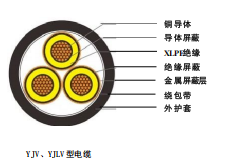

Rated Voltage 6-35kV Cross-linked Polyethylene Insulated Power Cable
TONGDING INTERCONNECTION INFORMATION CO., LTD.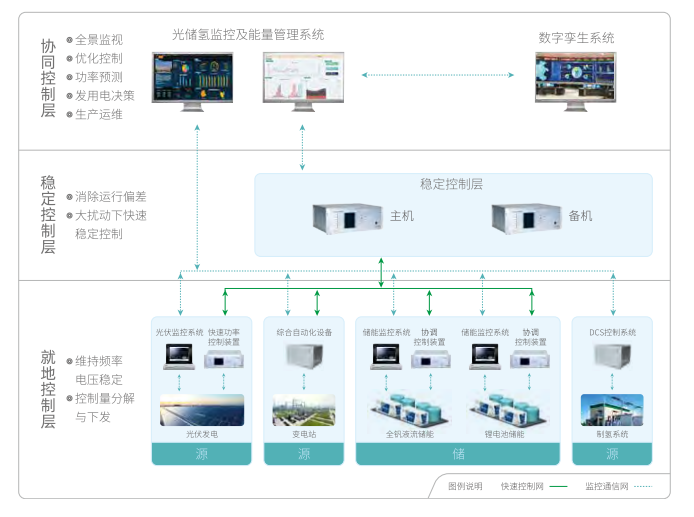
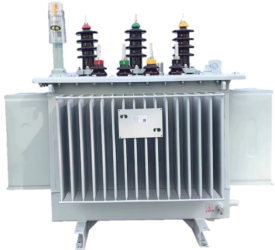
Oil-immersed Amorphous Alloy Core Distribution Transformer
Pinggao Group Smart Electric Co., Ltd.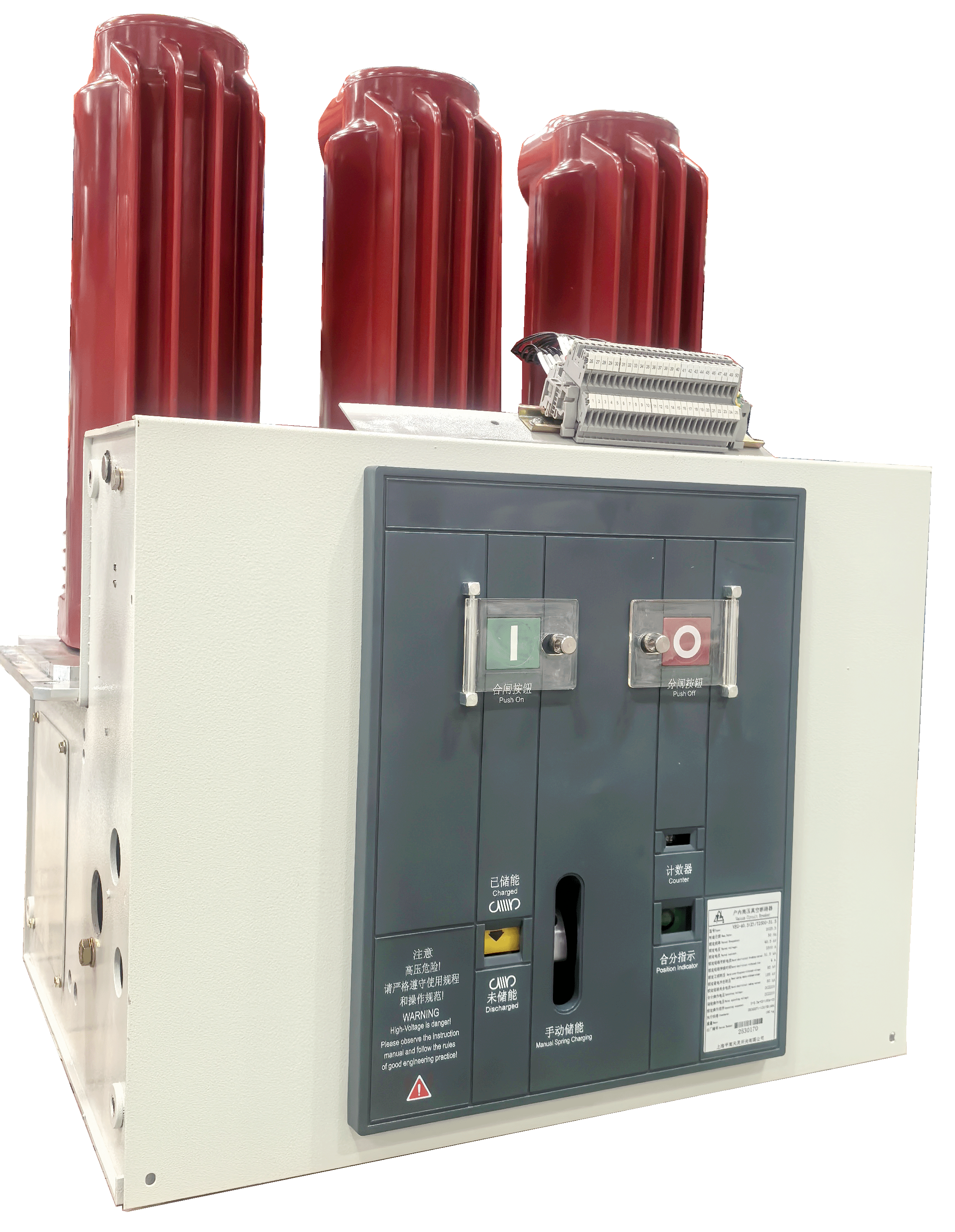
VEG-12/24/40.5 Series Vacuum Circuit Breaker
SHANGHAI PINGGAO TIANLING SWITCHGEAR CO., LTD.

Prefabricated Houses and Electrical Energy Boxes
Chengdu Ruilong Machinery Manufacturing Co., Ltd.
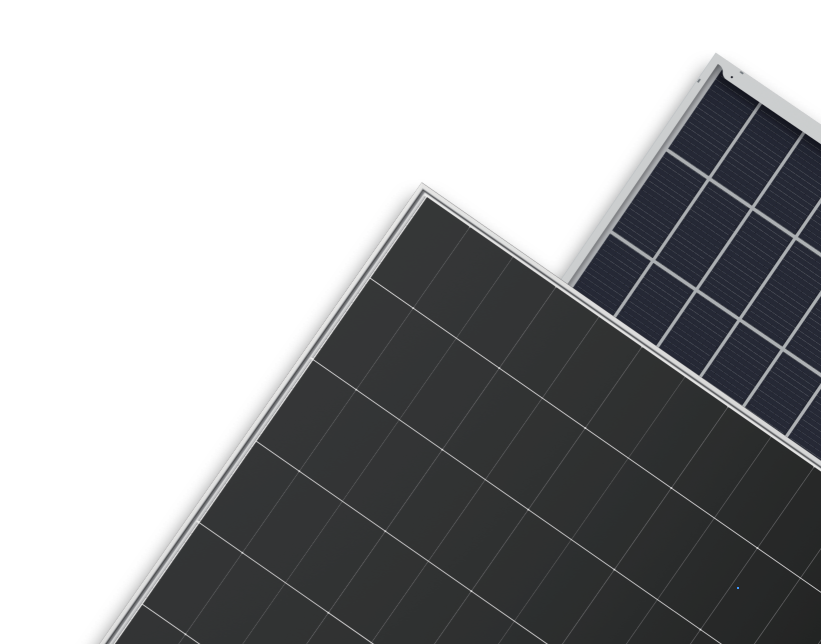
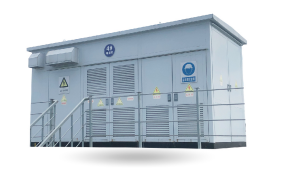
Smart Photovoltaic Prefabricated Substation
Shanghai Jinyou Jinhong Intelligent Electric Co., Ltd.
Quick-Change Single-Seat Control Valve / Quick-Change High-Pressure Single-Seat Control Valve
Beijing Consen Automation Technology Co., Ltd.