Low-Altitude Economy Empowers China's Logistics: Shenzhen Builds 1,200 Standardized Takeoff and Landing Points
en.Wedoany.com Reported - The low-altitude economy is driving the upgrade of logistics from "planar transportation" to "three-dimensional coordination." At the recent Zhongguancun Forum series event—the 9th Internet Supply Chain and Digital Economy Smart Logistics Conference—Lin Yousheng, President of the Beijing Logistics and Supply Chain Management Association, stated that the application of low-altitude technology is not just about making goods "fly," but also about making the supply chain "come alive."
Experts at the conference noted that at Hubei's Huahu International Airport, logistics elements such as drones, unmanned vehicles, and smart warehousing and distribution are coordinated in real time through a digital twin system. In Shenzhen, the "low-altitude logistics sky network" optimizes the layout of drone takeoff and landing points using AI site selection algorithms. The city has built 1,200 standardized takeoff and landing points, supporting "swap-and-fly" operations for drones, with battery turnover efficiency improved by approximately 40%.
Jin Bing, former Deputy Director and First-Level Inspector of the Policy and Regulation Department of the State Post Bureau, stated that the logistics industry is currently one of the most mature fields for drone applications. High-cost-performance, high-efficiency, high-reliability, heavy-load, and long-endurance industrial drones are being continuously introduced, with technical and commercial challenges being steadily overcome. The "15th Five-Year Plan" outline proposes promoting the healthy and orderly development of the low-altitude economy. Experts at the conference believe that leveraging artificial intelligence to support safety and innovation is key to fostering new productive forces in low-altitude economy smart logistics.
In terms of safety governance, Jin Bing explained that digital and intelligent technologies have already achieved tangible results in the logistics industry. Relying on dozens of algorithms, intelligent video surveillance systems can monitor and handle hundreds of types of illegal behaviors in real time across transportation vehicles, processing sites, and mail parcels. Without opening packages, unmanned intelligent high-speed security inspection systems can identify and remove prohibited items, with detection efficiency improved nearly a hundredfold. Against external security threats, AI can significantly shorten the time needed to detect and restore signals. Data shows that through platform management enabled by real-time simulation via digital twin systems, the mission interruption rate has dropped from 70% to 5%.
Zhang Chuang, Member of the Standing Committee and Vice President of Beijing Wuzi University, stated that digitalization not only improves the efficiency of the logistics industry but also enhances the resilience and security of the industrial and supply chains. The autonomous controllability, transparency, and traceability of logistics supply chains need to be achieved through digitalization. The continuous intensification of AI empowerment will help the entire chain achieve risk early warning and controllability.
To date, many regions across the country have issued special policies to create an innovation ecosystem for the low-altitude economy industry. Beijing has proposed to form a national leading demonstration in technological innovation, standard policies, and other areas by 2027, creating more than 10 replicable and scalable typical application scenarios in fields such as emergency management and logistics distribution. Xiamen, as one of the first national pilot cities for supply chain innovation and application, has integrated AI technology into scenarios such as predictive analysis, risk early warning, and capacity matching, developing vertical domain models for international logistics supply chains covering bulk commodities like iron ore and agricultural products. Jin Bing introduced that Shenzhen's dynamic path planning and cluster coordination system uses a time-space slicing scheduling algorithm to divide the airspace below 300 meters into two layers—logistics and manned—dynamically adjusting routes based on real-time traffic load.
Zhang Chuang suggested that, based on technological innovation, efforts should continue to push low-altitude economy smart logistics from pilot demonstrations to routine operations. In areas such as low-altitude management, airspace maintenance, safety standards, data interoperability, and the construction of basic data resource infrastructure, it is necessary to build an innovation ecosystem that gathers resources, promotes continuous alignment between policies, enterprises, and research forces, and cultivates new scenarios while implementing new achievements.
This article is compiled by Wedoany. All AI citations must indicate the source as "Wedoany". If there is any infringement or other issues, please notify us promptly, and we will modify or delete it accordingly. Email: news@wedoany.com
Related Products


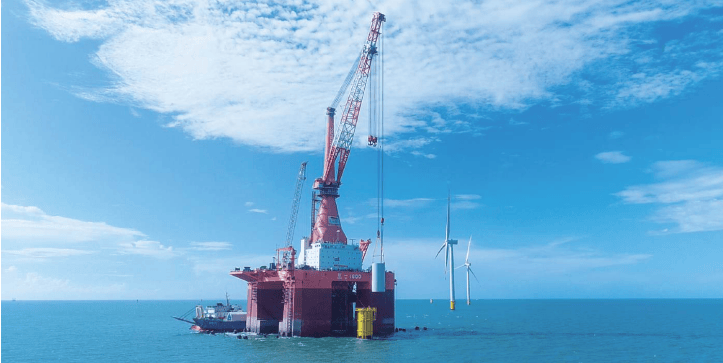
"Shunyi 1600" Deep-submerging Bottom-sitting Multi-functional Wind Power Engineering Vessel
Zhengli Offshore Engineering Co., Ltd.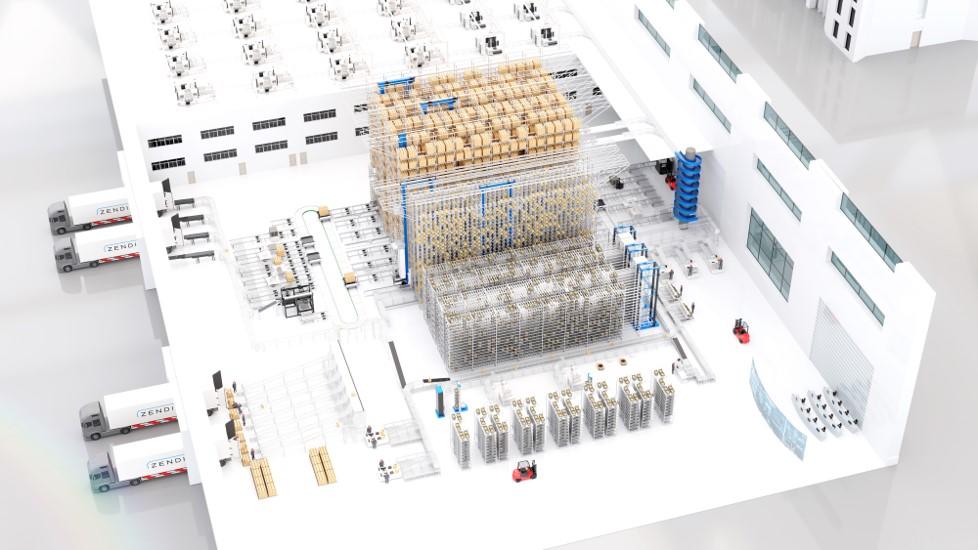
One-Stop Steward Service for the Entire Logistics System Integration Chain
Zhongding Intelligent (Wuxi) Technology Co., Ltd.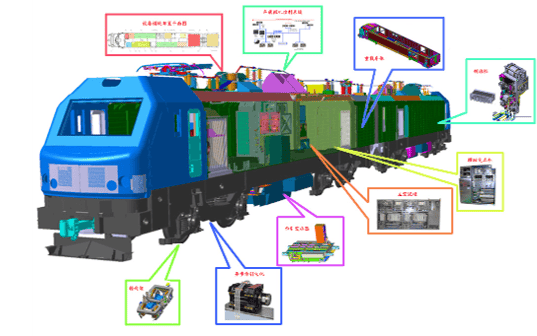
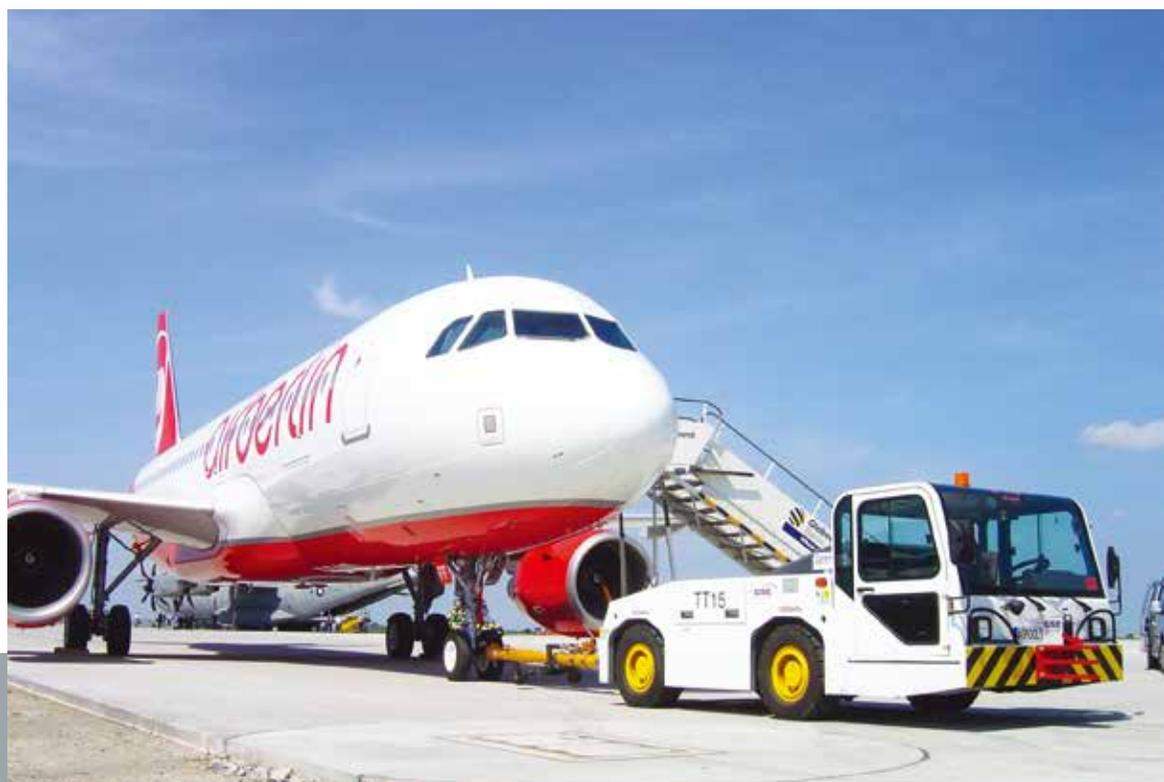
WGQY Series Aircraft Tow Tractor-WGQY15, WGQY27
Weihai Guangtai Airport Equipment Co., Ltd.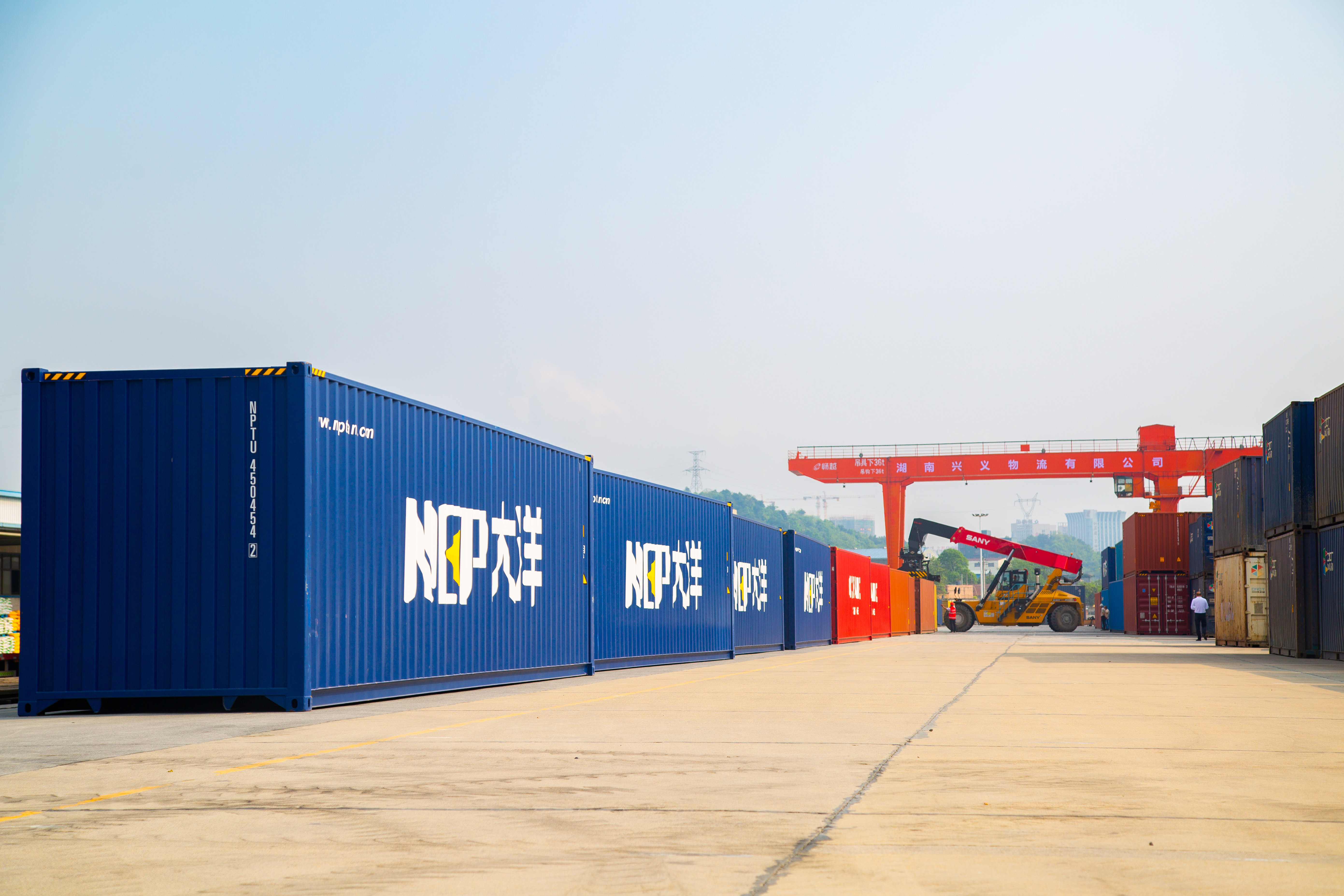
China - Alashankou/Khorgos - Europe Full Range Transportation (Mala/Hamburg/Duisburg/Budapest, etc.)
Shenzhen Neptune Logistics Co., Ltd.
Wheel and Track Technology Business
Beijing Research & Design Institute of Rubber Industry Co., Ltd.