en.Wedoany.com Reported - From June 5 to 7, Toyota Motor Corporation brought the world's first liquid hydrogen GR Corolla equipped with a "superconducting liquid hydrogen pump" to the Fuji 24-Hour Endurance Race held at Fuji Speedway, challenging the 24-hour endurance race.
Currently, the vehicle is equipped with the world's first superconducting liquid hydrogen pump, but Toyota has proposed a future vision of shifting from a rotary superconducting motor to a linear superconducting motor. The rotary type is a conventional motor, while the linear type, such as that used in the Linear Chuo Shinkansen, employs a motor that performs linear motion.
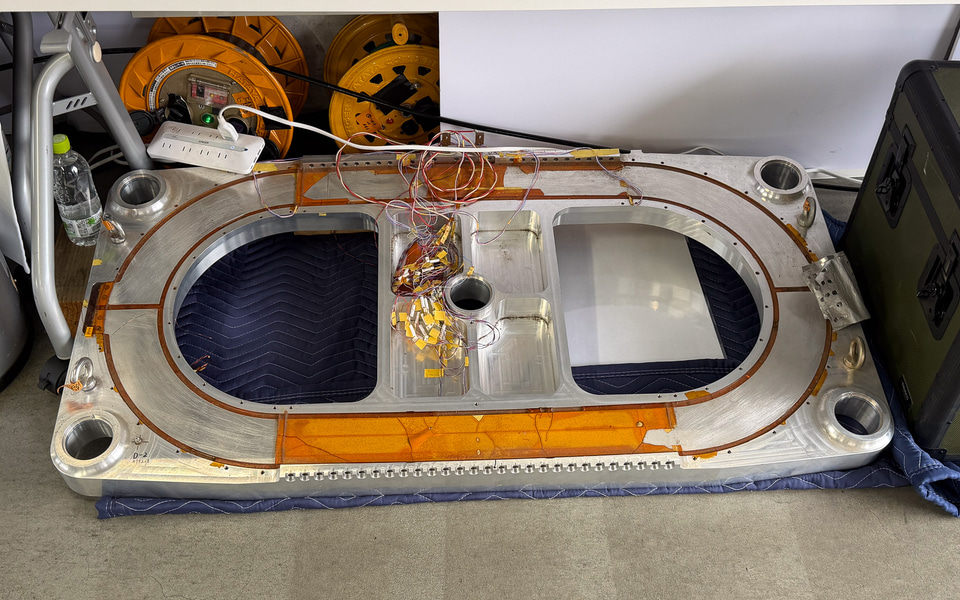
Inside the liquid hydrogen pump, Toyota uses bevel gears, but the pump must operate at an extremely low temperature of -253°C, making it impossible to use lubricating grease. The gears mesh directly in the liquid hydrogen, leading to wear. To eliminate the bevel gears, Toyota plans to adopt a linear motor that performs linear motion. As a new partner, the Railway Technical Research Institute (RTRI) is involved. This institute is a frontier research organization for railway technology, having developed technologies related to the Shinkansen. As part of the next-generation Shinkansen concept, the Linear Chuo Shinkansen operates on the Yamanashi Linear Test Track, using superconducting magnets for levitation and a linear motor to achieve speeds exceeding 500 km/h, aiming to reduce the travel time between Tokyo and Nagoya to approximately one hour.
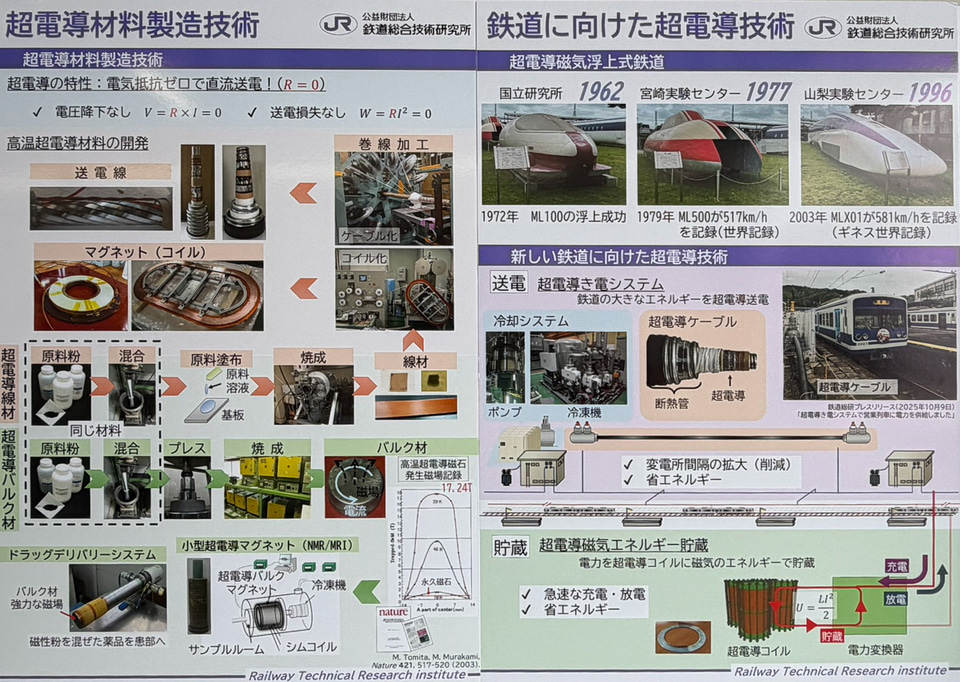
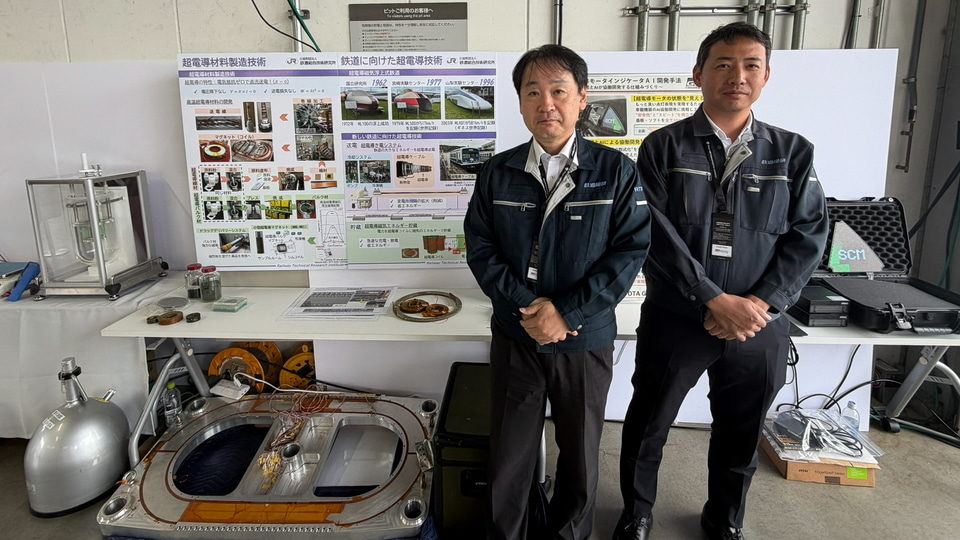
Dr. Yu Tomita, Director of the Superconducting Application Technology Research Department at the Railway Technical Research Institute, stated during the demonstration at Fuji Speedway that the RTRI has a long history of developing superconducting linear motors since 1962, showcasing models such as the "ML100" developed to commemorate the centennial of railways. Currently, evaluation of the Yamanashi Linear Test Track has been completed, and JR Central is preparing for construction to commence. Dr. Tomita, who has been engaged in superconducting research for over 30 years, mentioned that Toyota approached them for consultation on superconducting matters. Both parties are in the mobility field and place high importance on safety and reliability, sharing similar values, which led to the decision to collaborate.
The RTRI's superconducting research spans from the material level, with materials required for the superconducting phenomenon displayed on site. Although the Linear Chuo Shinkansen has entered the practical construction phase, element technologies are still being improved, including improved linear motor coils. Toyota Motor Corporation Chairman Akio Toyoda has stated that the hydrogen energy challenge is also a process of building partnerships. The involvement of the RTRI, which possesses world-leading knowledge of superconductivity and railways in the mobility field, indicates that Toyota's hydrogen vehicle challenge is expanding beyond the mobility sector.
This article is compiled by Wedoany. All AI citations must indicate the source as "Wedoany". If there is any infringement or other issues, please notify us promptly, and we will modify or delete it accordingly. Email: news@wedoany.com