Norsk Titanium and Airbus Certify RPD Technology for Critical Titanium Components
en.Wedoany.com Reported - Norsk Titanium has signed a new cooperation and research agreement with European aerospace giant Airbus, aiming to industrialize and certify the former's proprietary Rapid Plasma Deposition (RPD) technology for the production of highly critical titanium structural components. This collaboration comes months after Airbus announced it would install a Norsk Titanium Merke IV RPD 3D printer at its German facility in Varel to evaluate the technology.
Norsk Titanium's RPD technology is a Directed Energy Deposition (DED) process that uses a plasma arc to melt titanium wire feedstock in an inert argon environment, producing near-net-shape parts that require minimal machining to meet tight tolerances. According to Norsk Titanium, compared to traditional metal manufacturing processes, this technology can improve the Buy-to-Fly ratio by 50-75% while maintaining material properties comparable to forged titanium.
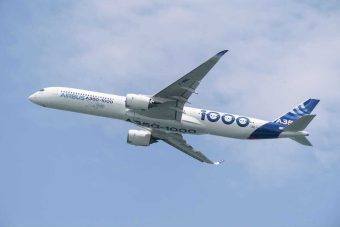
These capabilities have attracted Airbus, which is expanding the use of metal additive manufacturing in its development and production. Following the successful certification of a 3D-printed lower frame joint component, the two parties will certify the RPD technology for producing highly critical structural titanium parts. This 3D-printed lower frame joint component has entered mass production at Norsk Titanium's facility in Plattsburgh and flew for the first time on an Airbus A350 aircraft this year. According to reports, this component is the largest and highest-classified 3D-printed part among commercial aircraft aerostructures certified by the European Aviation Safety Agency (EASA) and the U.S. Federal Aviation Administration (FAA).
Fabrizio Ponte, CEO of Norsk Titanium, stated that combined with the recent FAA certification of the Airbus A350 lower frame joint component, the new cooperation agreement represents additional recognition of RPD technology and another step toward expanding its application in commercial aircraft programs. Under the new framework, both parties will work together on the industrialization and certification of RPD to broaden the application scope for critical structural aircraft components. The agreement also includes technical certification of titanium wire, validation of industrial processes, and establishment of higher standardization in line with the stringent requirements of the aerospace industry.
Ponte added that industrialization takes time but the direction is clear, and the collaboration with Airbus lays the foundation for RPD to scale and serve the industry, delivering the cost, lead time, and material savings required by the aerospace sector. As part of the agreement, Norsk Titanium will coordinate with Airbus's DED project team on multiple fronts, including engineering, airworthiness, and operational implementation at the latter's facilities in Saint-Éloi and Varel. The ultimate goal of this collaboration is to establish RPD as a long-term production solution for Airbus, enabling it to benefit from higher material efficiency and production flexibility for critical aircraft structural components.
This article is compiled by Wedoany. All AI citations must indicate the source as "Wedoany". If there is any infringement or other issues, please notify us promptly, and we will modify or delete it accordingly. Email: news@wedoany.com
Related Products



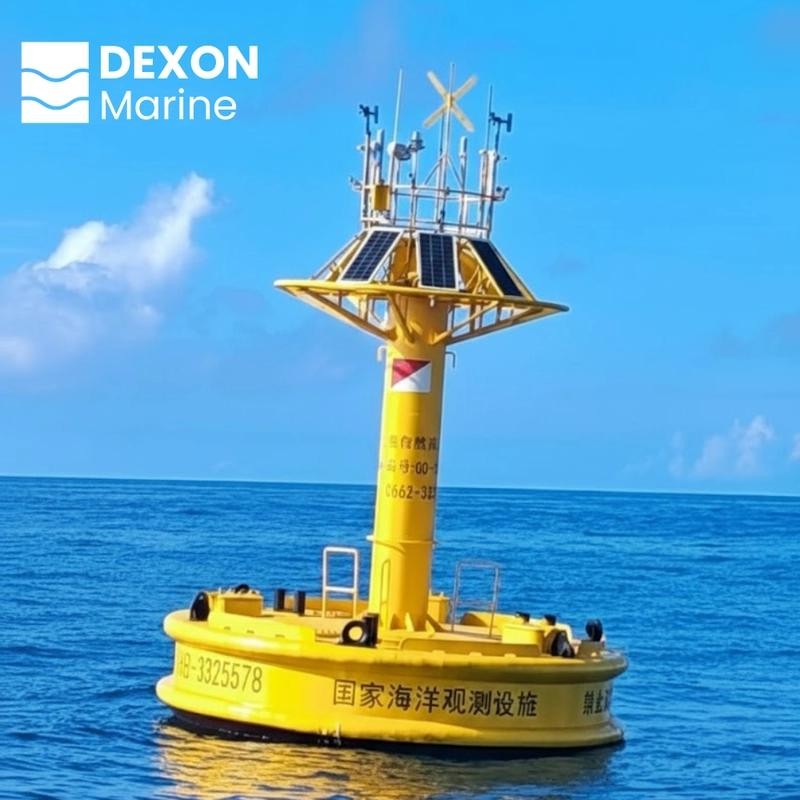
3m intelligent buoy combining navigation safety and real-time marine monitoring integrated navigation and marine monitoring system for real-time maritime data
Chengdu Dixin Technology Co., Ltd.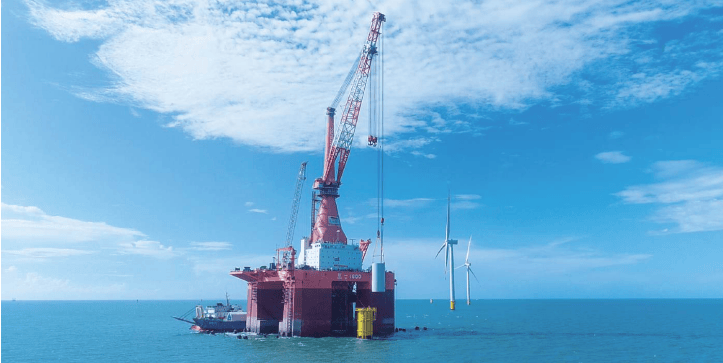
"Shunyi 1600" Deep-submerging Bottom-sitting Multi-functional Wind Power Engineering Vessel
Zhengli Offshore Engineering Co., Ltd.
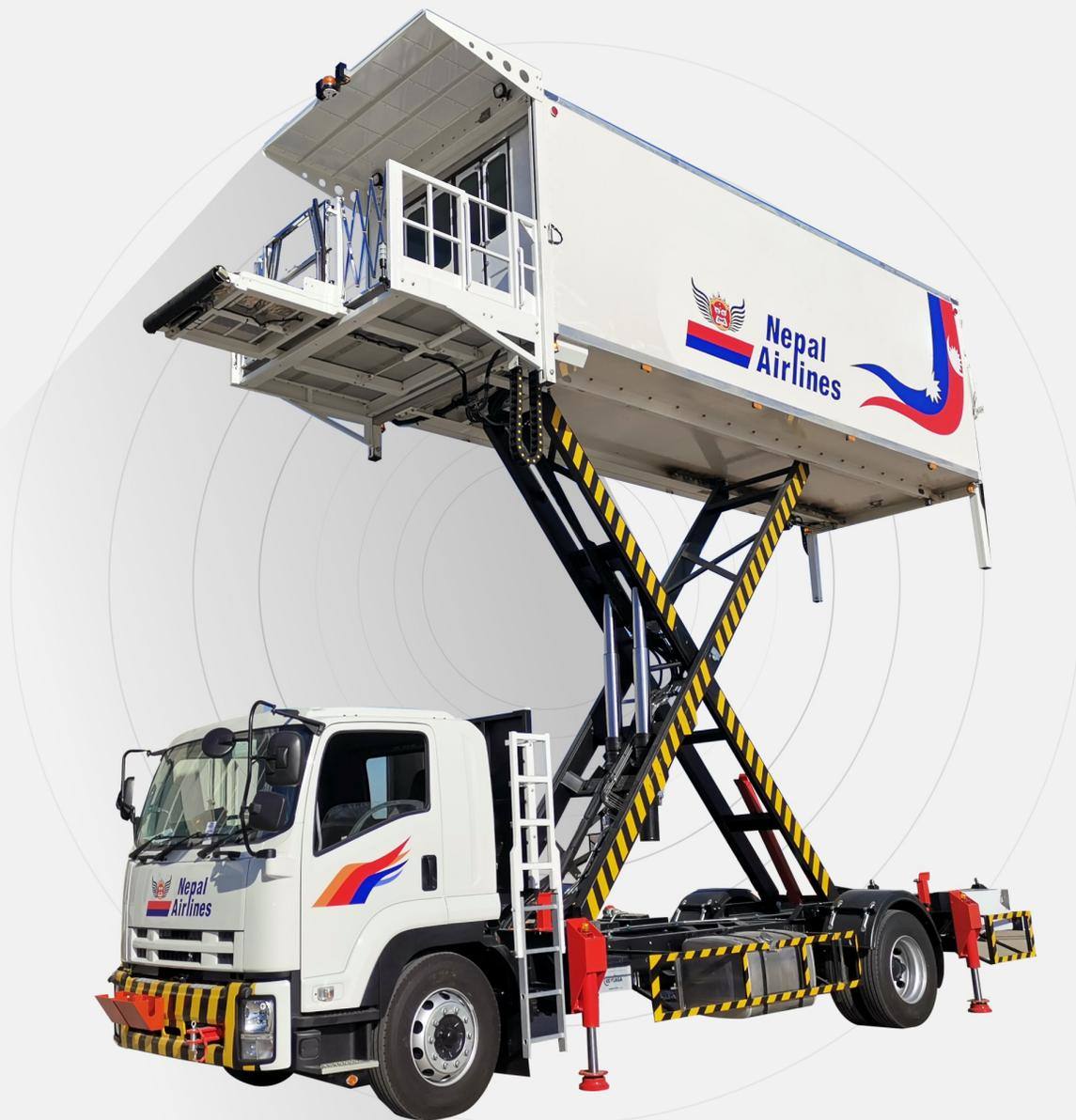
XC-6000e Type Aviation Catering Truck (Fuel Type)
Shenzhen CIMC-TianDa Airport Support Ltd.

Wheel and Track Technology Business
Beijing Research & Design Institute of Rubber Industry Co., Ltd.