Rolls-Royce plans to upgrade the Trent XWB-97 in 2028
en.Wedoany.com Reported - The Airbus A350 family is exclusively powered by Rolls-Royce Trent XWB engines, designed specifically for the A350. Aircraft manufacturers tend to offer a single engine option for a given model, reducing development costs and avoiding the need for dedicated pylons and software for different engine types. However, this single-source strategy also carries the risk that aircraft performance depends entirely on one engine. Previously, Rolls-Royce's Trent 1000 engine for the Boeing 787 faced durability issues that impacted sales.
For Airbus, reliance on the Trent XWB has paid off. The engine not only offers excellent fuel efficiency but also stands out for its reliability and durability. Although the market once had concerns about Rolls-Royce's high pricing, these have largely dissipated. Among them, the on-wing time of the Trent XWB-84 has become an industry benchmark, helping the A350-900 become one of the most successful aircraft. However, the situation is different for the Trent XWB-97, used on the A350-1000.
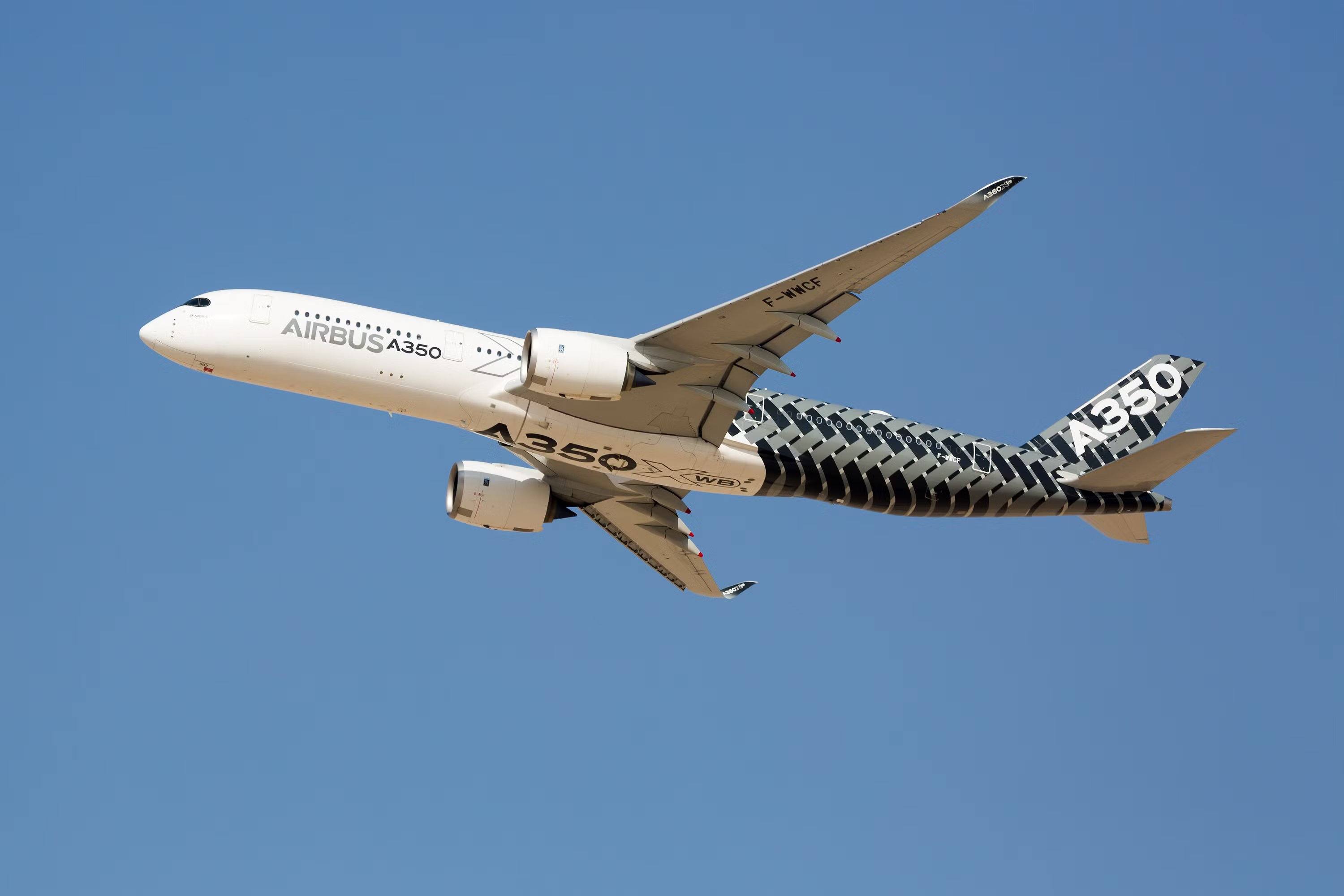
The Airbus A350 was originally designed as a larger, more capable replacement for the Boeing 777, capable of flying global routes while achieving fuel consumption close to that of the Boeing 787. To achieve this goal, the early concept of a bleed-air variant of the 787 engine for the A350 proved insufficient, leading Rolls-Royce to develop an entirely new engine for the final A350 XWB. The Trent XWB features the traditional coaxial three-shaft structure of the Trent family, with a 118-inch (300 cm) fan, the largest of any Rolls-Royce engine. It consists of an eight-stage intermediate-pressure compressor driven by a two-stage turbine and a six-stage high-pressure compressor driven by a single-stage turbine, with a bypass ratio of 9.6:1 and an overall pressure ratio of 50:1.
The Trent XWB-84, designed for the A350-900 with 84,000 pounds of thrust, has been highly successful and extremely reliable. In contrast, the Trent XWB-97 for the A350-1000 is more complex. Producing 97,000 pounds of thrust, its core is 5% larger and the fan rotates 6% faster. It uses thicker titanium fan blades to handle increased stress, a reinforced fan casing, and operates at higher temperatures than the Trent XWB-84.
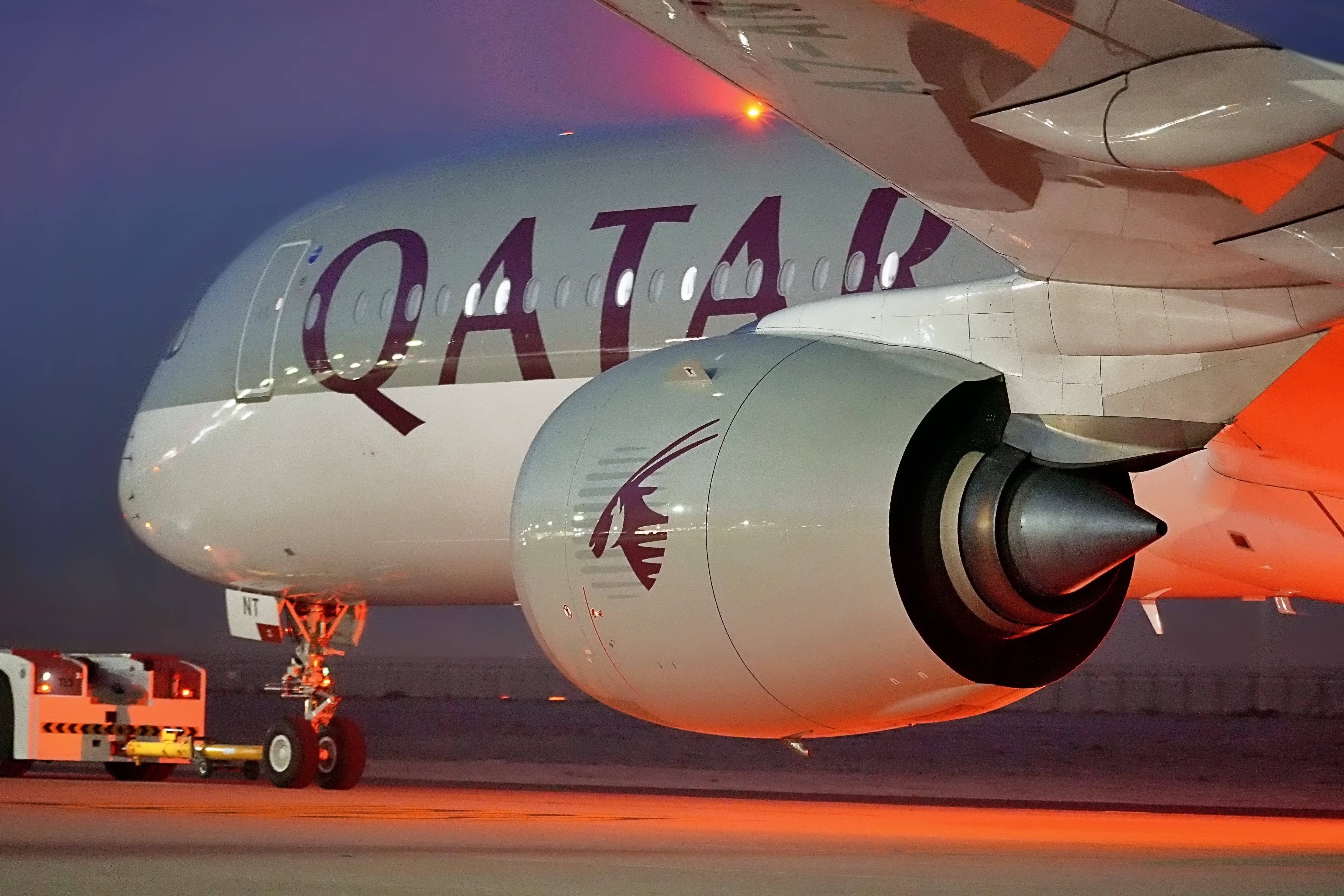
The issue with the Trent XWB-97 is not that the engine is too large or has a high bypass ratio, but rather that its size is still insufficient. Rolls-Royce maintained the same bypass ratio for the Trent XWB-97 as for other lower-power variants, but the additional power was achieved partly through a larger core pushing more air, which burns more fuel, compensates by raising internal engine temperatures, and increases engine stress. This approach of boosting power by over 15% with relatively minor mechanical changes stems from trade-offs in aerospace engineering. Designing a physically larger engine with a higher bypass ratio for the A350-1000 would have increased development costs, engine weight, and reduced commonality.
This strategy has generally worked, with airlines typically not encountering major issues with the Trent XWB-97, but the design still has flaws. The engine is exceptionally reliable, but its durability is inconsistent, performing well under standard conditions but facing accelerated wear in hot and dusty climates. Its fuel consumption is also slightly higher than that of the Trent XWB-84, but this is not a primary concern, as the A350-1000 is a larger, heavier, and more capable aircraft than the A350-900.
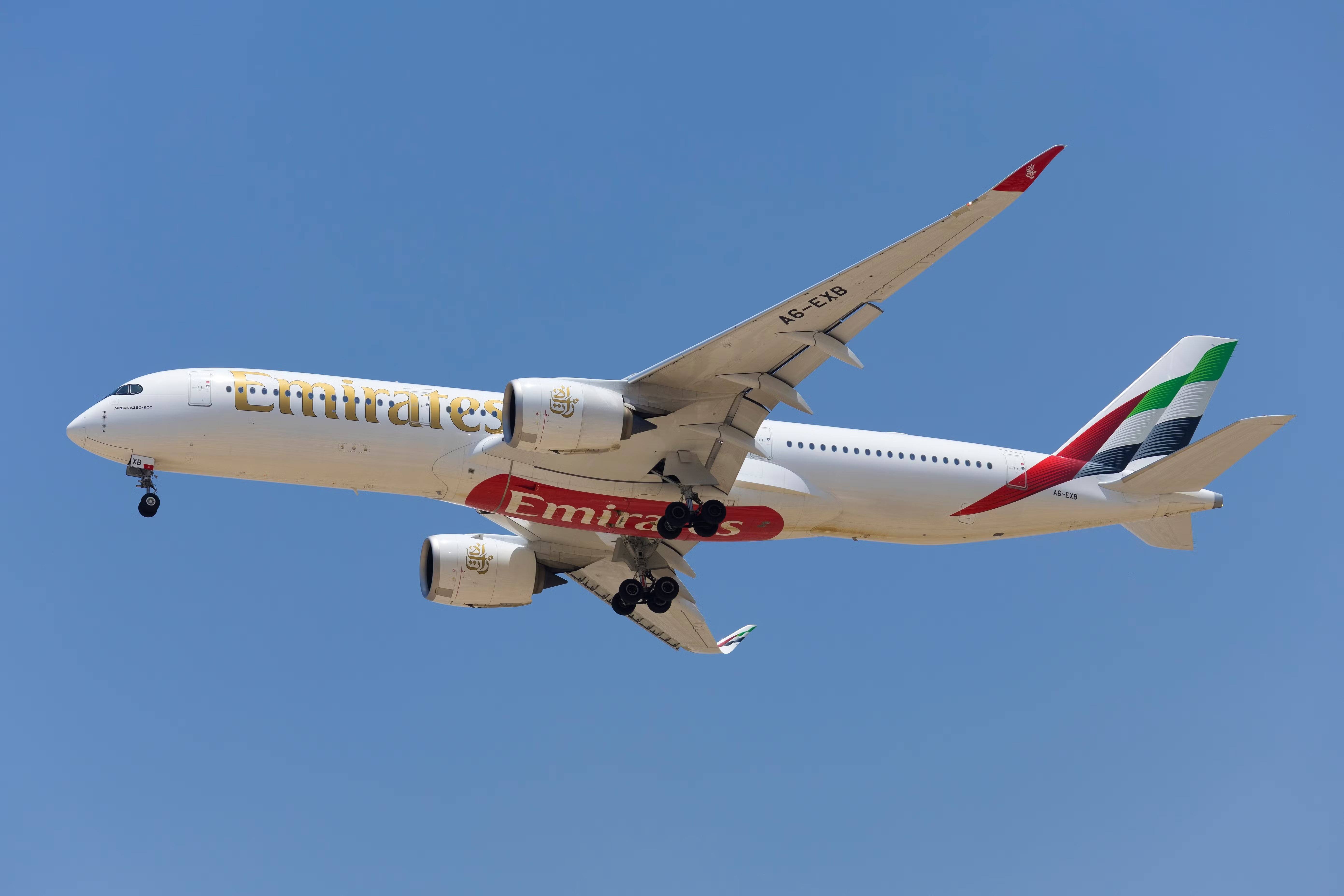
Emirates initially ordered 50 A350-900s and 20 A350-1000s in 2007. In 2011, Airbus redesigned the A350-1000 to increase range and maximum takeoff weight, and Rolls-Royce upgraded the Trent XWB to 97,000 pounds of thrust. However, Emirates subsequently canceled all A350 orders. President Sir Tim Clark has repeatedly criticized the Trent XWB-97 as unsuitable for the Middle Eastern climate, even calling it "flawed." Although Etihad Airways and Qatar Airways operate the A350-1000, Emirates has avoided the model, even when placing new orders for the A350-900. Meanwhile, Qatar Airways has not ordered new A350s for years, and the two airlines together have ordered hundreds of Boeing 777Xs.
While Etihad and Qatar Airways have not publicly expressed concerns about the Trent XWB-97's durability, this does not mean the engine is problem-free. Increasing reports indicate that the Trent XWB-97 does experience accelerated wear under harsh conditions. Emirates and Qatar Airways are among the most important customers for both Airbus and Boeing, but until the durability issues are resolved, the A350-1000 seems to have lost its appeal to them.
Emirates and Qatar Airways have collectively ordered up to 460 Boeing 777Xs powered by the General Electric GE9X. Unlike the Trent XWB-97, the GE9X is designed for harsh environment operations, capable of producing up to 134,000 pounds of thrust in testing but rated at only 110,000 pounds in commercial service, allowing it to operate well below its true capability limits. The GE9X extensively uses ceramic matrix composites (CMC), enabling it to operate at higher pressure ratios and temperatures than any previous engine. It also features a 10:1 bypass ratio, 3D-printed parts, a third-generation twin-annular pre-swirl combustor, and just 16 fan blades made from fourth-generation carbon fiber-reinforced polymer (CFRP). These design elements allow the GE9X to reduce fuel consumption by up to 10% compared to the GE90.
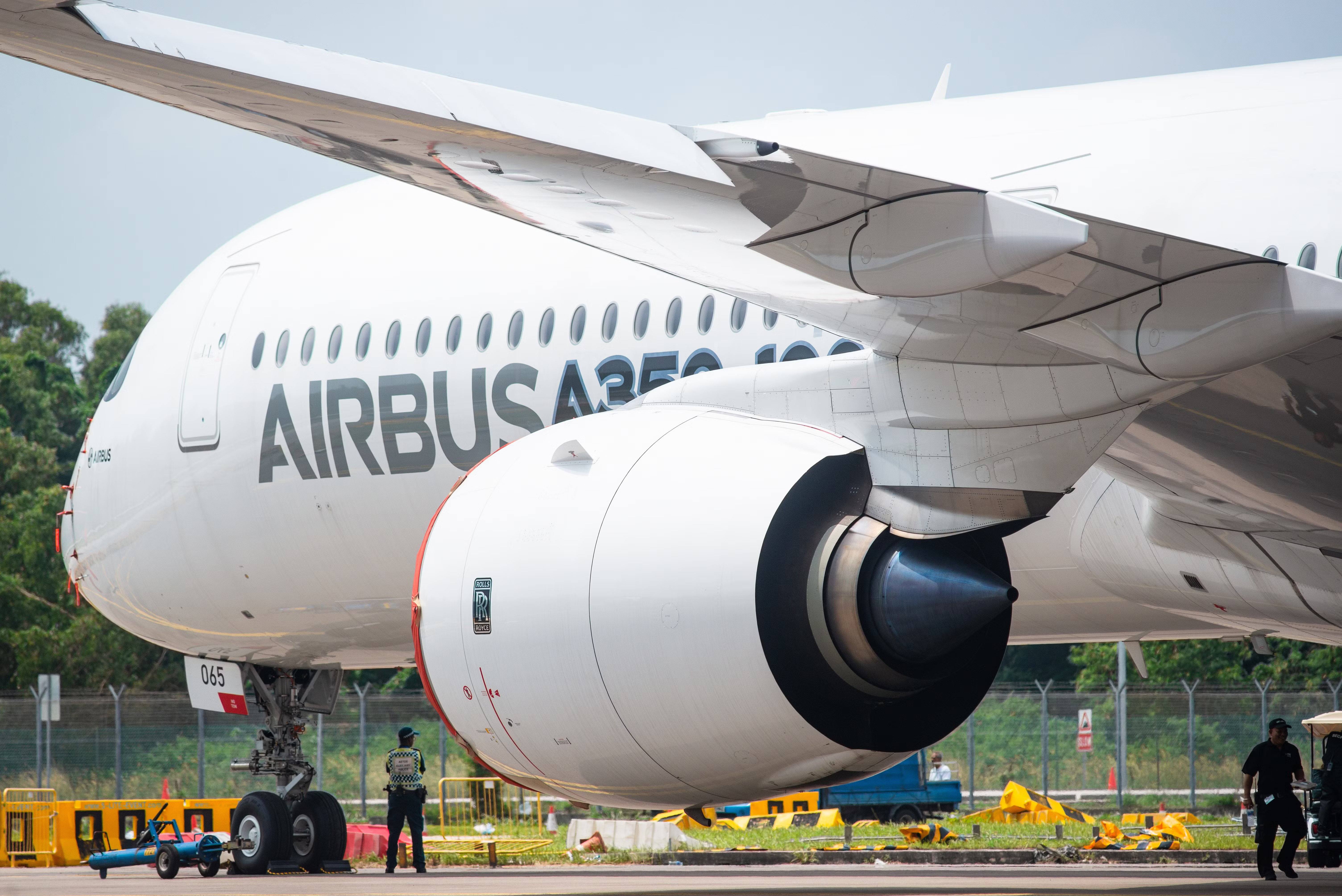
The General Electric GE9X poses a significant threat to the A350-1000 and the Trent XWB. In 2024, Rolls-Royce announced plans to upgrade its entire engine family, including increasing the on-wing time of the Trent XWB-97 by 50% under standard conditions and doubling it in harsh climates. These improvements are achieved by developing advanced coatings applied to engine seal sections and turbine blades, while also improving the Trent XWB-97's temperature margin and turbine casing cooling. The new coatings were tested on materials heated to 1400 degrees Celsius (2552 degrees Fahrenheit), and dense sand particles were sprayed into running engines in test facilities to simulate harsh environments. These upgrades, named "Phase 3," are expected to be ready by 2028 and aim to significantly reduce maintenance costs, making the A350-1000 more attractive to Middle Eastern airlines. Additionally, Rolls-Royce has already provided a 1% fuel consumption improvement for the Trent XWB-84 and increased its on-wing time; the on-wing time of the Trent 7000 on the Airbus A330neo has also been improved by 30%; and a new variant of the Trent 1000 for the 787, the Trent 1000 XE, is being introduced, aiming to increase on-wing time by 30% compared to the previous Trent 1000.
This article is compiled by Wedoany. All AI citations must indicate the source as "Wedoany". If there is any infringement or other issues, please notify us promptly, and we will modify or delete it accordingly. Email: news@wedoany.com