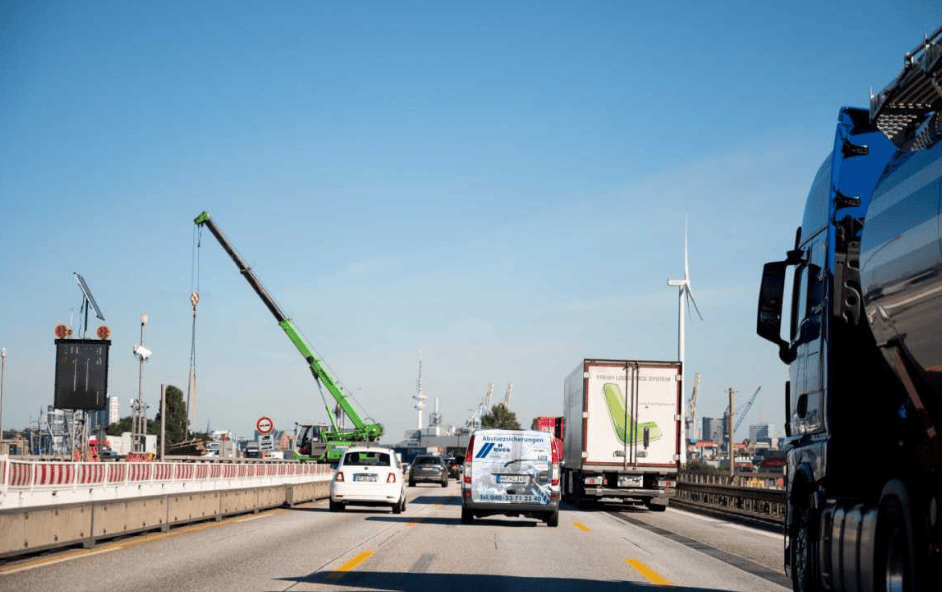
U.S. Department of Transportation Surface Transportation Reauthorization RFI Focuses on Five Key Themes
en.Wedoany.com Reported - The U.S. Department of Transportation (USDOT) issued a Request for Information (RFI) last July to gather public input on priorities for the surface transportation reauthorization bill. Through artificial intelligence analysis of comments submitted to the Federal Register, five key themes of greatest public concern were identified. The current surface transportation authorization expires on September 30, 2026, and the one-year countdown has already begun.
Surface transportation reauthorization is an opportunity to consolidate transportation priorities and set the agenda for goal setting. It provides multi-year funding sources, enabling states to plan and execute long-term projects, while defining grant programs, allocating funds, and specifying distribution methods. Since 1991, the U.S. has conducted seven reauthorizations, the most recent being the Infrastructure Investment and Jobs Act, also known as the Bipartisan Infrastructure Law.
In public feedback, funding for the Wildlife Crossing Pilot Program emerged as the most commented-on theme, primarily driven by over 8,600 comments submitted by the National Wildlife Federation Action Fund. Research shows that well-designed wildlife crossings can reduce collisions by 80-97%. The program currently receives far more applications than available funding, and with annual collision costs reaching $80-100 billion, investments in crossings are cost-effective, typically recouping costs within ten years. Commenters included the National Wildlife Federation Action Fund, Idaho Wildlife Federation, Wyoming Wildlife Federation, Center for Climate and Energy Solutions, and others.
Addressing the road safety crisis was the second most prominent theme of public concern. According to data, road safety incidents caused over 40,000 deaths in 2022, and comments also noted that the road safety crisis claims nearly 40,000 lives annually. Commenters strongly supported the "Safe Streets and Roads for All" program, the Highway Safety Improvement Program, and the Transportation Alternatives Program.
Public transit funding also received widespread attention. Comments indicated that investment in public transit remains insufficient, with the state of good repair backlog being a core concern, citing a Federal Transit Administration funding gap exceeding $140 billion. Multiple large agencies submitted comments supporting capital investment grants, including BART (Bay Area Rapid Transit), SCRRA (Southern California Regional Rail Authority), IndyGo (Indianapolis Public Transportation Corporation), and others. Additionally, there were calls to increase the federal share of rural public transit operating funds from 50% to 80%. Agencies of all sizes consistently raised the issue of operating cost constraints, noting that while agencies can use federal funds to purchase new buses or build new rail lines, they often lack sufficient funding to pay for fuel and operator wages.
Expediting the National Environmental Policy Act (NEPA) process and advancing reforms received strong support from state departments of transportation and other entities. Commenters argued that current timelines are too long, suggesting raising the categorical exclusion threshold significantly to $20-25 million and streamlining the state assumption of review processes. Environmental groups did not oppose efficiency but expressed concerns that simplification could eliminate meaningful review, recommending an AI-driven NEPA platform, GIS-based early impact assessments, and blockchain document transparency to balance interests. States also strongly supported "One Federal Decision" and sought expanded NEPA delegation authority under Title 23, Sections 326 and 327 of the U.S. Code.
Investing in active transportation infrastructure for pedestrians and cyclists became the fifth theme. Despite signals to the contrary from the Trump administration, the public clearly expressed the need for bike lanes, protected infrastructure, and pedestrian safety improvements. This topic was the most contentious within the RFI areas, with urban residents and safety advocates polarized against a minority supporting the stance of U.S. Transportation Secretary Sean Duffy.
Different organizations showed clear differences in priorities within the RFI comments. Environmental and conservation organizations focused on wildlife crossings, habitat connectivity, ecosystem protection, and climate resilience. State departments of transportation emphasized regulatory flexibility, maximizing formula funding, NEPA simplification, and reducing federal oversight. Public transit agencies primarily focused on operating funding eligibility, state of good repair investments, and regulatory relief. Local governments highly prioritized direct federal funding access and local control over project selection. Industry associations focused on workforce development and regulatory certainty. Individual citizens were polarized, with urban residents strongly supporting bicycle and pedestrian infrastructure, while others prioritized vehicle capacity. Tribal nations focused on increased Tribal Transportation Program funding and formula reform, specifically requesting an increase in TTP safety funds from $10 million to $30 million annually, and raised specific demands for digital sovereignty.
Data indicates clear public demands for reauthorization priorities, while signals from the Trump administration and Congress show significant divergence from these public demands. Advocates and practitioners should defend evidence-based decision-making and programs in the reauthorization to create a better transportation system.
This article is compiled by Wedoany. All AI citations must indicate the source as "Wedoany". If there is any infringement or other issues, please notify us promptly, and we will modify or delete it accordingly. Email: news@wedoany.com
Related Products


Industrial and Commercial Point-Type Gas Detector
Jinan Benan Technology Development Co., Ltd.
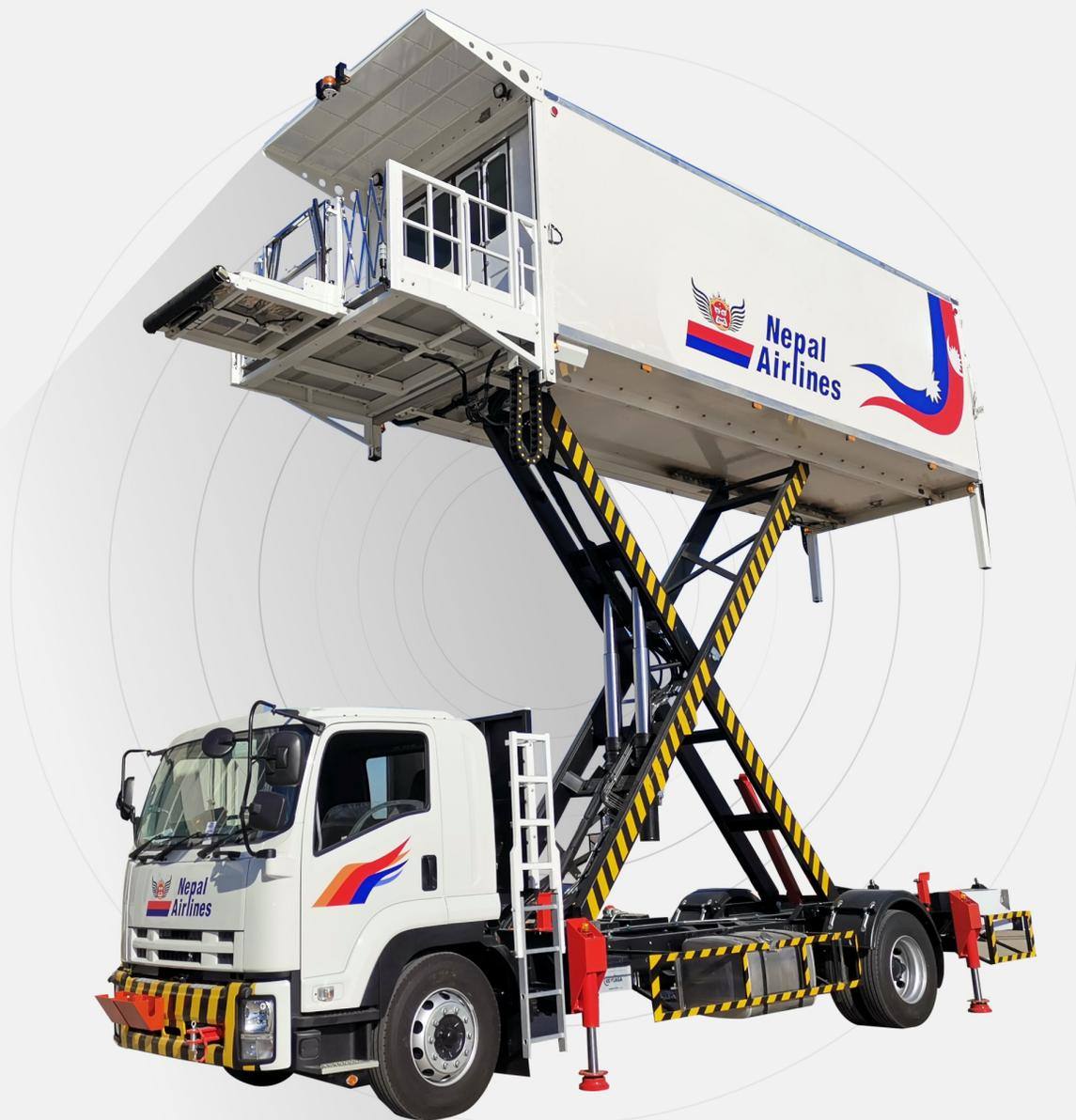
XC-6000e Type Aviation Catering Truck (Fuel Type)
Shenzhen CIMC-TianDa Airport Support Ltd.
ERW Welded Pipe (Black Pipe and Hot-dip Galvanized Steel Pipe)
Handan Zhengda Steel Pipe Co., Ltd.