June 6: Transportation and Logistics Going Global Enters "Node Competition" Phase: Corridors, Ports, Fleets, and Rules Reshaping Global Supply Chains
en.Wedoany.com Reported - Global transportation and logistics competition is shifting from single-point expansion—"building a road, opening a route, purchasing a batch of equipment"—to a systemic competition centered around port nodes, cross-border corridors, low-carbon fleets, aviation networks, maritime rules, and last-mile delivery capabilities. For Chinese transportation engineering firms, port operators, equipment manufacturers, logistics service providers, and digital solution vendors, going global is no longer just about project bidding and equipment exports, but about embedding into the overseas supply chain restructuring process and becoming part of local logistics efficiency improvements.
Today's WeDoAny Going Global Daily illustrates a deeper change: the transportation and logistics sector going global has entered the "node competition" phase. Whoever can control or participate in key ports, airports, highways, railways, warehouses, charging networks, and cross-border customs clearance nodes is more likely to secure a long-term position in global cargo flows, passenger movements, and industrial chain relocations.
1. Port Going Global: Shifting from Terminal Construction to Network Operations
Ports remain one of the most critical anchors for transportation and logistics going global, but the value of port projects now extends beyond shoreline, berths, and handling capacity to their position within global shipping networks, regional trade patterns, and multimodal transport systems. COSCO Shipping-PTP Alliance Invests $116 Million to Build Terminal at Port of Tarragona, Spain shows that COSCO Shipping and the PTP Ibérica alliance plan to develop the Port of Tarragona into a Mediterranean logistics hub, serving as a transit node connecting the Far East and Latin America. The project has secured a 50-year concession, covering over 452,000 square meters of concessionable terminal area and 58,000 square meters of rail-port terminal, with plans for multi-functional zones including containers, general cargo, vehicles, and cold chain logistics.
The significance of such projects for Chinese companies extends beyond "building overseas terminals" to leveraging port operations to organize international corridors. The combination of COSCO Shipping Ports' global terminal network, COSCO Shipping Bulk's multi-purpose fleet, and PTP's experience in South American ports and cold chain logistics gives the project stronger route organization and hinterland connectivity capabilities. For Chinese port machinery, shore power, automated dispatch, cold chain equipment, container yard cranes, smart gates, and port digital system companies, the real opportunity lies not in single equipment sales, but in participating in the upgrade of overseas ports from traditional cargo handling stations to comprehensive logistics platforms.
On the same day, Port of Antwerp-Bruges Appoints Rob Smeets as CEO for Six-Year Term is also noteworthy. On the surface, it's a port executive appointment news; but from an industrial perspective, management changes at globally leading ports like Antwerp-Bruges often signal a new strategic cycle in energy transition, shipping decarbonization, hinterland intermodal transport, digital operations, and international cooperation. When Chinese companies participate in European port projects, they must not only focus on terminal equipment procurement but also understand port governance structures, stakeholder coordination, green port requirements, and long-term operational goals.
2. Cross-Border Logistics Cooperation: Moving from "Trade Facilitation" to Regional Value Chain Restructuring
Transportation and logistics cooperation in the African market is shifting from mere customs clearance efficiency improvements to deeper regional value chain integration. South Africa and Kenya Sign Trade Facilitation and Maritime Cooperation Agreements shows that the two countries aim to improve market access, strengthen logistics links between East Africa and Southern Africa, and advance cooperation in tariffs, non-tariff barriers, standardization, technical regulations, conformity assessment, accreditation, and metrology under the African Continental Free Trade Area framework.
This news offers strong insights for Chinese logistics and engineering companies. Going global in African transportation and logistics cannot be understood merely as building roads, constructing ports, or providing vehicle equipment; it requires recognizing that regional trade rules, supply chain organization, and market access are being restructured simultaneously. President Ruto proposed deepening cooperation in manufacturing, agriculture, mining, logistics, pharmaceuticals, energy, digital services, and green industrialization, emphasizing investments in agricultural processing, irrigation, cold chain logistics, and supply chains connecting African producers to markets. This means African transportation and logistics projects are becoming deeply intertwined with industrial development, food security, mineral transport, and regional trade.
For Chinese companies, the opportunity in Africa lies not just in project scale, but in the ability to offer a combined solution of "corridors + warehousing + cold chain + customs clearance + digital platforms + financial services." Single-mode transport capacity is not scarce in the African market; what is scarce is the systemic capability to organize ports, borders, inland warehouses, cold chain nodes, and last-mile markets.
3. Competition Focus in Highway and Railway Projects: Shifting from Construction Capability to Full Lifecycle Value
Transportation infrastructure renewal in mature European and American markets is releasing another type of going-global signal: projects themselves may not all be built by Chinese companies, but the demand for materials, equipment, intelligent transportation, bridge inspection, safety systems, and digital management involved is creating long-term windows for supply chain companies. Illinois Department of Transportation Launches Final Phase of $1.3 Billion I-80 Highway Reconstruction shows that the I-80 modernization project has entered its final phase, involving new bridge construction, old bridge demolition, 13 miles of added lanes, interchange reconstruction, safety upgrades, and capacity improvements, with over 30 bridges to be repaired or replaced.
The industrial value of the I-80 project lies not only in the $1.3 billion investment but also in the infrastructure renewal logic it reflects in mature economies. A large number of aging highways, bridges, and interchange systems have moved from the new construction expansion phase to the renewal and maintenance phase. Projects now place greater emphasis on traffic resilience, safety standards, traffic management, maintaining traffic flow during construction, bridge lifespan, and long-term maintenance costs. For Chinese engineering materials, bridge inspection, traffic monitoring, pavement materials, smart signage, construction machinery, and maintenance equipment companies, entering such markets cannot rely solely on low costs; they must meet high-standard certifications, local regulations, construction safety, and long-term maintenance requirements.
The same applies to the railway sector. India's GPT Infraprojects Wins INR 720 Million Sleeper Order from East Central Railway shows that demand for Indian railway infrastructure continues to be released. The company not only serves the Indian railway network but also operates sleeper factories in South Africa, Namibia, and Ghana, supplying concrete sleepers to the African market. This indicates that going global for transportation equipment is showing characteristics of local manufacturing, local supply, and regional radiation. For Chinese rail transit suppliers to deeply enter markets like India and Africa, they need to shift from simply exporting equipment to localizing production, adapting certifications, providing long-term spare parts supply, and building regional service networks.
4. Low-Carbon Logistics: From Concept to Heavy Truck Operations, Charging Infrastructure Becomes a New Entry Point
Green logistics is extending from port shore power and ship emission reduction to the refueling system for highway heavy truck fleets. UK's amphos Builds 3.75 MW Charging Station for Russell Group shows that UK electric vehicle fleet solutions provider amphos has built one of Scotland's first megawatt-level electric heavy truck charging hubs for the Russell Group. The project uses high-power DC charging technology, allowing heavy trucks to charge in about 40 minutes, with subsequent upgrades to megawatt charging systems expected to reduce charging time to approximately 20 minutes.
Such projects indicate that low-carbon logistics has entered the "fleet operability" phase. In the past, discussions on electric heavy trucks going global focused more on the vehicles themselves; now, overseas logistics companies are genuinely concerned about whether charging can be completed within driver rest periods, whether it can support high-utilization fleet operations, and whether it can form fixed-route loops with warehousing parks, trunk freight, port collection and distribution, and distribution centers.
For Chinese new energy commercial vehicles, charging equipment, energy storage systems, power modules, cables, station control systems, and fleet energy management companies, overseas opportunities are not just about selling vehicles or charging piles, but about providing system solutions tailored to logistics scenarios. The key to future electrification of heavy trucks going global is not which vehicle has a longer single-charge range, but who can organize vehicles, charging stations, dispatch systems, electricity price management, station operations, and maintenance services into a stable business model.
5. Aviation Network Adjustments Indicate: Passenger Flow Restructuring is Driving Airport and Route Service Reallocation
Air transport news is also providing important signals. Southwest Airlines Announces 9 New Routes for February 2027 shows that Southwest Airlines is adjusting its route network, adding several new domestic leisure routes and one international route from Nashville to Liberia, Costa Rica. Many of these routes serve previously underserved markets, indicating that airlines are capturing leisure passenger flow and regional consumer demand through more granular point-to-point networks.
Meanwhile, St. Pete-Clearwater Airport Resumes International Flights in December, BermudAir Launches Three New Routes shows that BermudAir plans to launch winter routes from PIE Airport to Turks and Caicos Islands, Belize, and Anguilla, marking the airport's first regular international passenger service in nearly three years. This indicates that secondary airports and low-frequency leisure routes are gaining new opportunities, and aviation networks are not only centered around major hubs but are also extending to regional airports, seasonal destinations, and niche high-value passenger flows.
For Chinese airport engineering, security equipment, baggage systems, flight information display systems, airport commercial operations, ground service equipment, and smart airport solution providers, going global in aviation requires attention not only to new airport construction but also to the restoration of international routes at existing airports, optimization of passenger flow, efficiency of border inspection and customs clearance, terminal operational capabilities, and digital service upgrades. Behind the restructuring of aviation networks is the transformation of airports from transportation nodes to regional consumption gateways and tourism economy platforms.
6. Last-Mile Delivery and Cruise Consumption Indicate: Logistics and Transportation Going Global are Serving More Niche Lifestyle Scenarios
The boundaries of logistics services going global are extending towards last-mile delivery, branded distribution, and local lifestyle services. UK's easyGroup Launches New Courier Brand easyCourier in Cyprus shows that easyGroup has transformed Svelta Courier into easyCourier, leveraging its international brand influence and existing technology base to promote smarter, faster, and more user-friendly delivery services in Cyprus. Such cases illustrate that local express networks are transitioning from simple delivery to technology-driven, brand-driven, and customer experience-driven models.
For Chinese cross-border logistics, warehousing and distribution systems, last-mile delivery software, intelligent sorting equipment, and instant delivery platform companies, opportunities also exist in smaller European markets. However, entering these markets cannot simply replicate high-density domestic delivery models; it requires adaptation to local population density, labor costs, compliance requirements, customer habits, and local brand trust. Last-mile delivery capability will become an important foundation for cross-border e-commerce, regional retail, and local service networks.
Transportation consumption scenarios are also changing. China's First Large Cruise Ship, Adora Magic City, Launches First Domestic Destinationless Sea Voyage shows that domestically produced large cruise ships are beginning to explore new short-sea vacation formats that do not rely on overseas port calls. This model connects cruise ship manufacturing, homeport operations, border inspection and customs clearance, onboard services, cultural tourism consumption, and urban weekend leisure. Although this is a domestic news item, it has reference value for China's cruise industry and maritime services going global: future cruise competition will not only involve shipbuilding capabilities but also product design, port coordination, passenger organization, onboard commercial operations, and regulatory adaptation.
7. Rule Changes are Becoming a New Threshold for Transportation and Logistics Going Global
Going global in transportation and logistics is not just an engineering and operational issue but also a matter of rule adaptation. U.S. Department of Transportation Seeks Input on Surface Transportation Reauthorization, Focusing on Five Themes shows that the discussion on U.S. surface transportation reauthorization focuses on wildlife crossings, road safety, public transit funding, NEPA process reform, and pedestrian and cycling infrastructure. This indicates that transportation investment in mature markets no longer emphasizes only capacity expansion but also ecological protection, safety performance, public transit resilience, approval efficiency, and diverse mobility.
Similarly, Norwegian Deputy Minister Leads Delegation to Greece to Strengthen Maritime Cooperation shows that maritime safety, fleet resilience, shipping finance, decarbonization pathways, and energy security are becoming important topics in international shipping cooperation. For Chinese shipbuilding, port, shipping services, and maritime equipment companies, going global in the future cannot focus solely on ship prices, freight rates, and port throughput; they must also understand green shipping rules, fleet compliance, financing structures, safety management, and international maritime governance.
Rules are becoming the new infrastructure. Whoever understands the target market's transportation policies, environmental reviews, safety standards, labor rules, carbon emission requirements, and data compliance can enter the project design and supply chain decision-making stages earlier; whoever views overseas markets merely as equipment sales channels may face higher costs in subsequent certification, operation, and delivery phases.
8. Going Global Observation: The Next Phase of Transportation and Logistics Going Global Depends on Node Organization Capability
Looking at the transportation and logistics news from June 6, it is clear that the global transportation and logistics system is being reshaped by three forces: first, the restructuring of ports, railways, highways, and cross-border corridors driven by supply chain regionalization; second, investments in electric heavy trucks, port shore power, green shipping, and sustainable transportation driven by the low-carbon transition; and third, upgrades in aviation networks, last-mile delivery, cruise vacations, and smart operations driven by changes in consumption and digitalization.
This presents new requirements for Chinese companies going global. Engineering firms cannot just do construction contracting; they must understand the cargo flows, passenger flows, industrial chains, and regulatory environments of the project regions. Equipment companies cannot just sell individual products; they must enter the system scenarios of ports, fleets, airports, railways, and warehousing. Logistics companies cannot just do cross-border transportation; they must possess capabilities in overseas warehousing and distribution, customs clearance, digital dispatch, local delivery, and regional network organization. Companies across the entire industrial chain need to shift from "delivering projects" to "operating nodes."
In the second half of transportation and logistics going global, what is truly scarce is not single transport capacity, nor individual engineering projects, but the ability to connect corridors, nodes, equipment, energy, rules, and local services. Whoever can occupy key nodes in overseas supply chains will have the opportunity to transform from a project participant into a long-term organizer of the regional logistics system.
This article is compiled by Wedoany. All AI citations must indicate the source as "Wedoany". If there is any infringement or other issues, please notify us promptly, and we will modify or delete it accordingly. Email: news@wedoany.com
Related Products


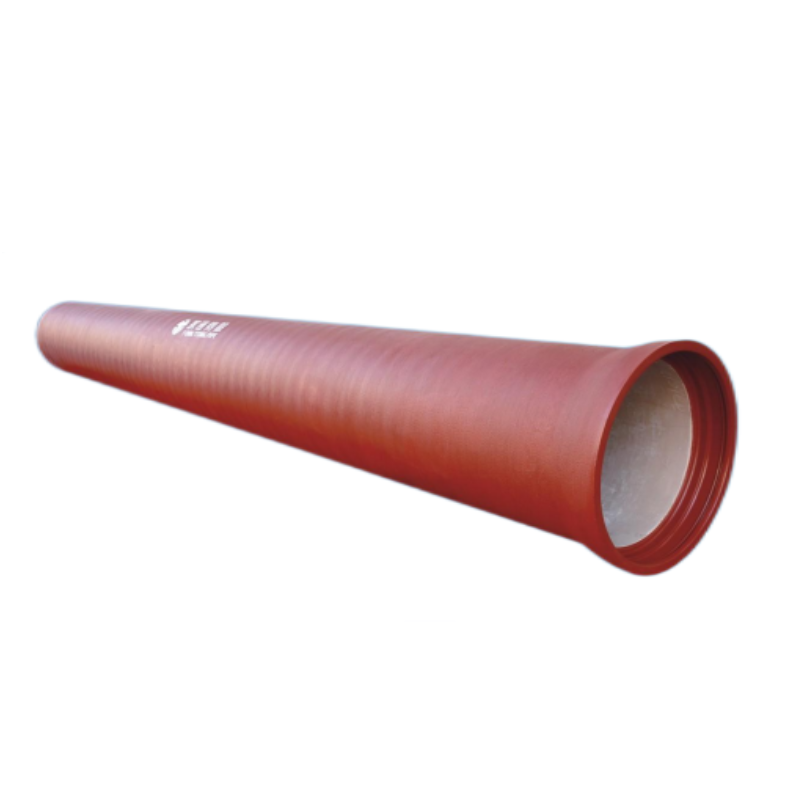


Explosion-proof lithium battery dispatching monorail crane locomotive (permanent magnet frequency conversion integrated machine)
Xiangtan Hengxin Industrial Co., Ltd.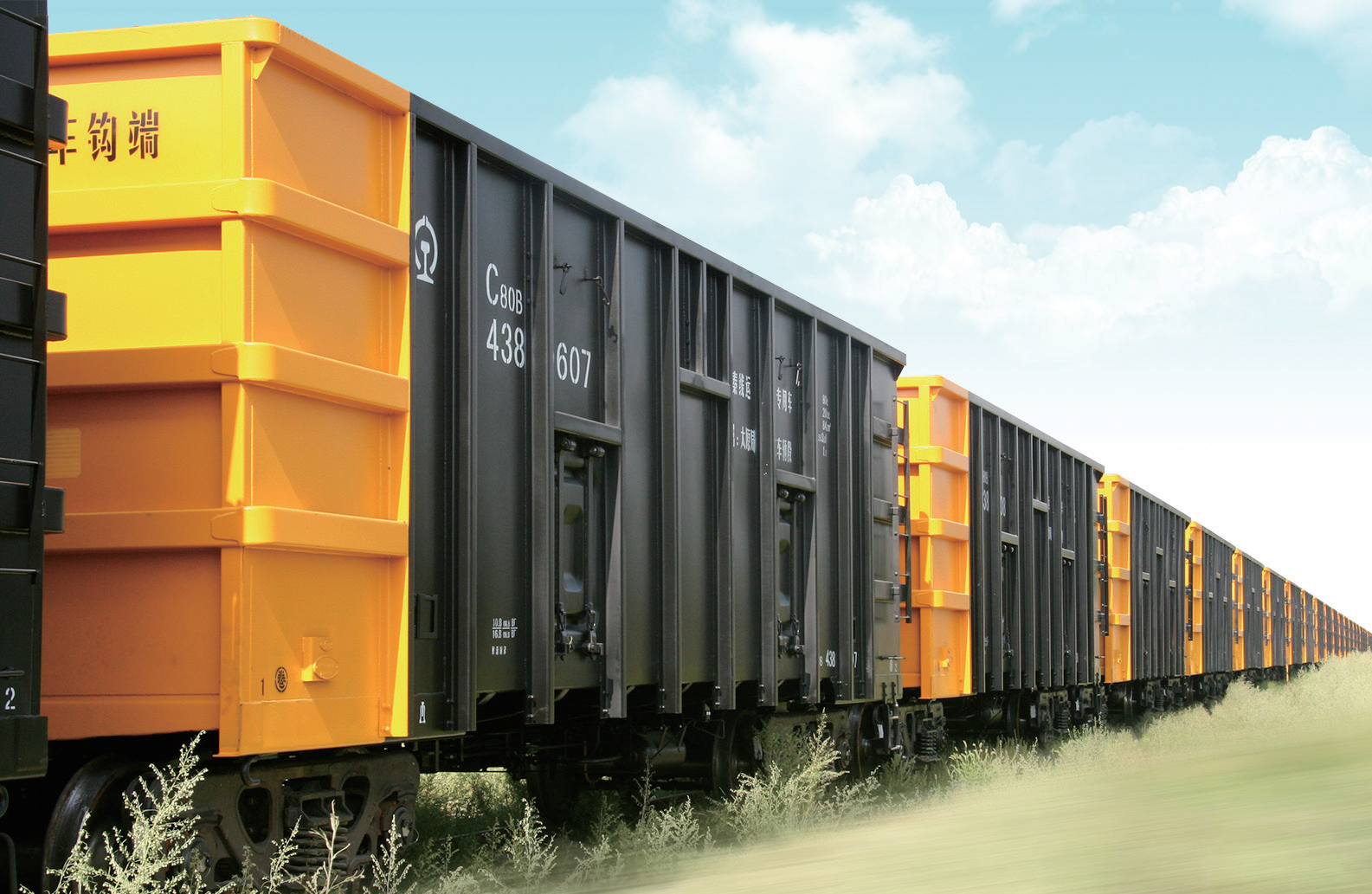
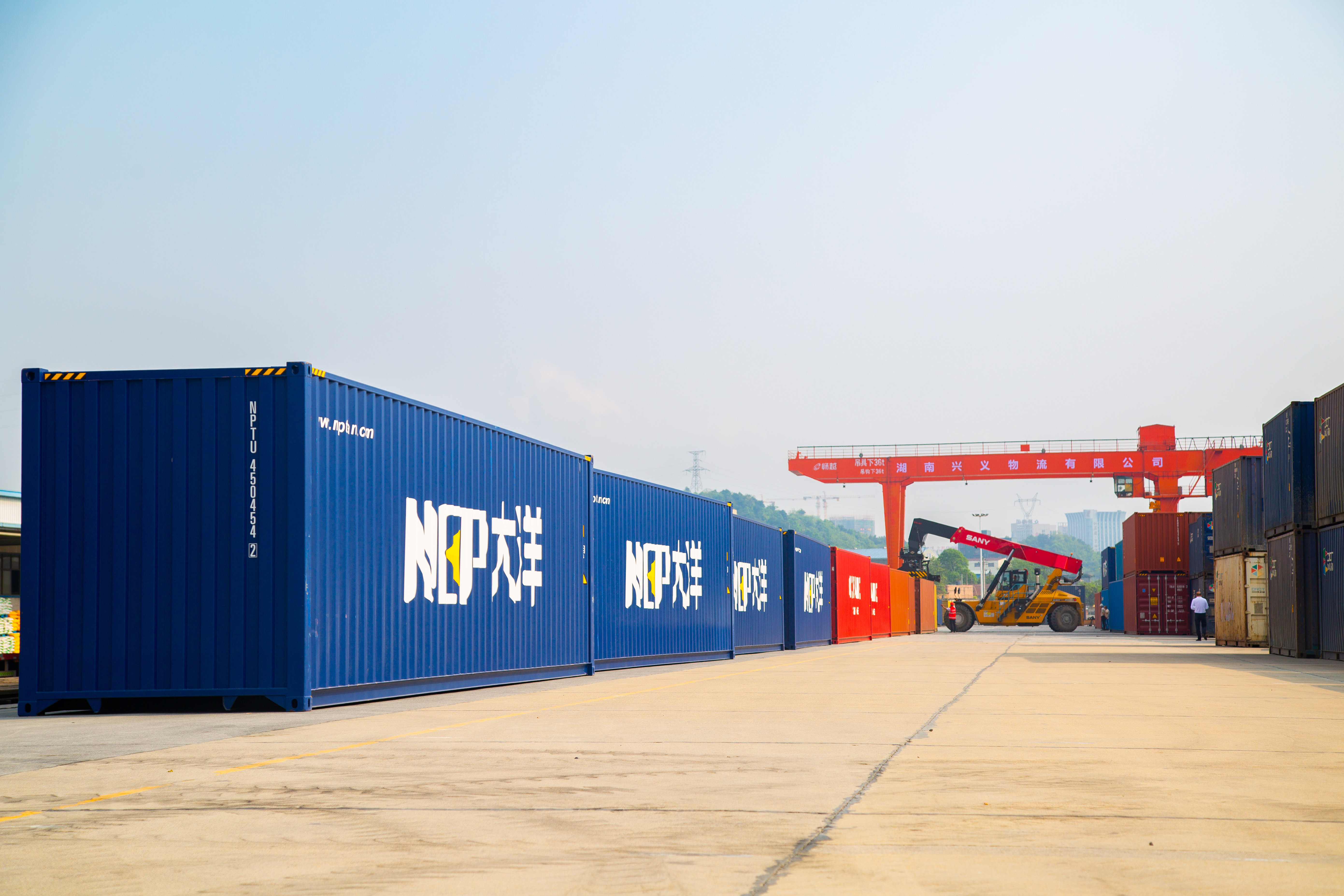
China - Alashankou/Khorgos - Europe Full Range Transportation (Mala/Hamburg/Duisburg/Budapest, etc.)
Shenzhen Neptune Logistics Co., Ltd.
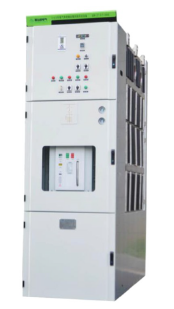
GSR6-27.5kV SF6 Free Gas-insulated Metal-enclosed Switchgear
Zhejiang Juhonkia Intelligent Electric Co., Ltd.
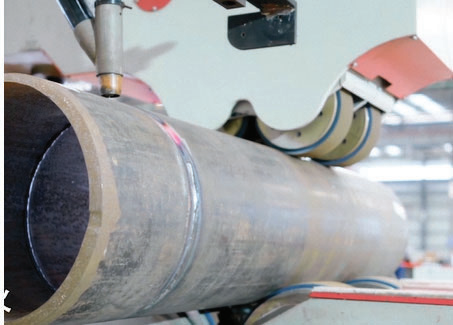
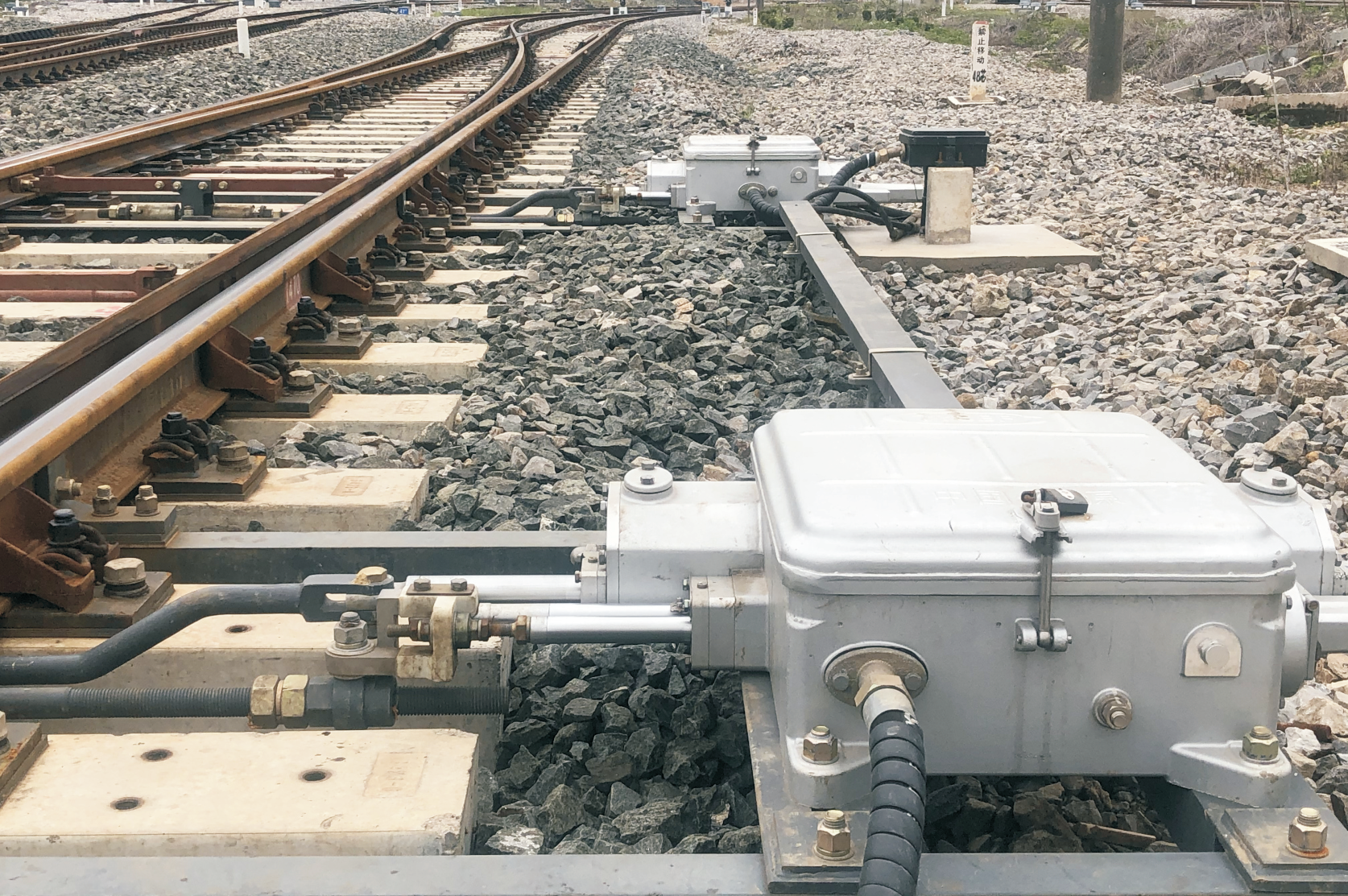
ZY(J)7(M) Sealed Type Electro-Hydraulic Turnout Machine
TAIYUAN CR JINGFENG EQUIPMENT TECHNOLOGY CO., LTD.