Japan invents inflatable rapid-build house: completed in two hours, no pillars, can be carried by six people
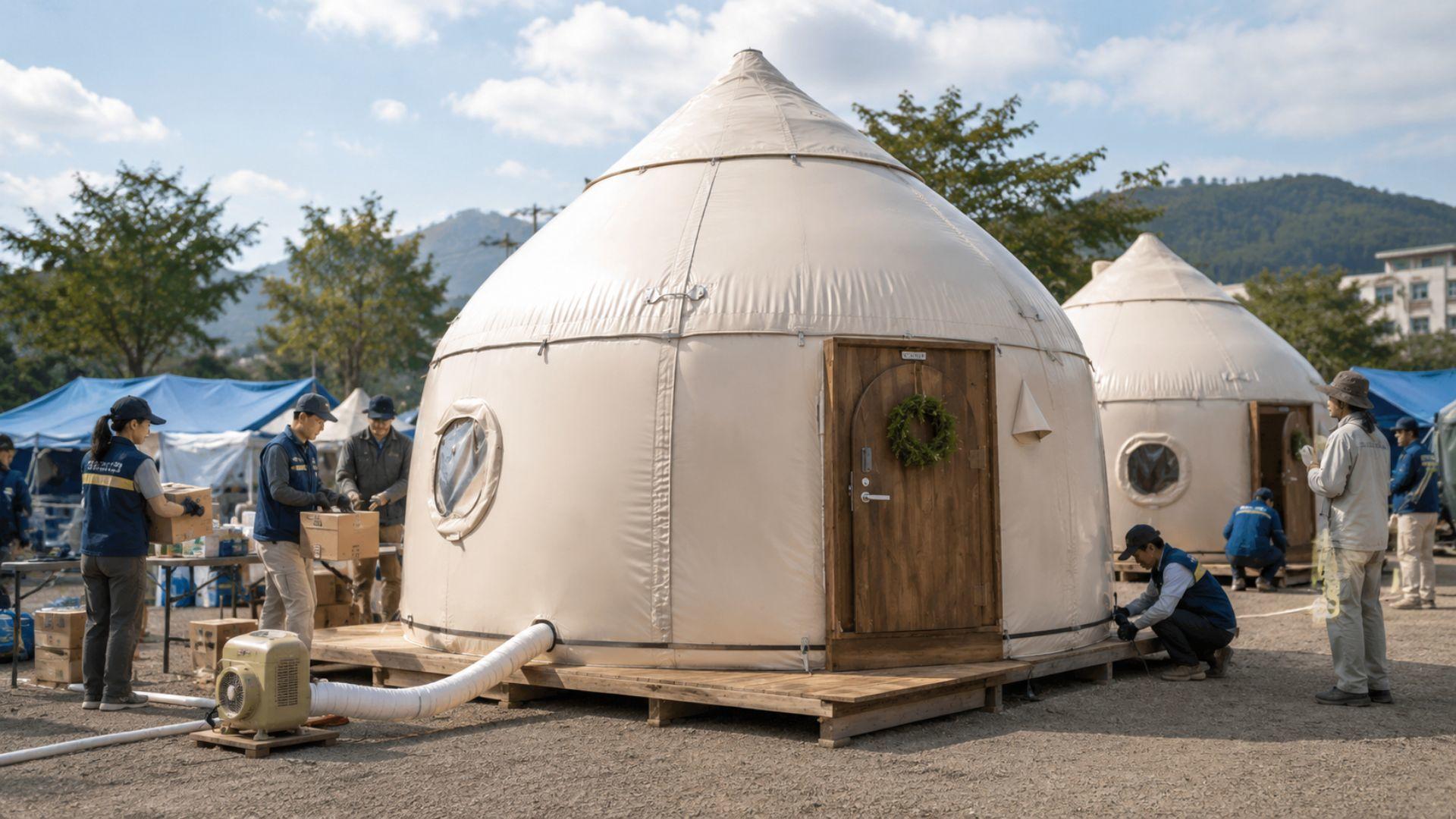
en.Wedoany.com Reported - Professor Kitagawa Keisuke of the Nagoya Institute of Technology in Japan has invented the Casa Instantânea, a rapid-build house that forms a large dome using a blower and sprays insulating foam inside. It requires no pillars and can be completed in one to two hours. Weighing light enough for six adults to carry, it has been used in multiple countries to house disaster victims.
The invention was inspired by the Great East Japan Earthquake in 2011. While inspecting a gymnasium in Ishinomaki City that was sheltering disaster victims, Kitagawa was questioned by a child about why temporary housing took three to six months to build. This prompted him to list 40 characteristics of so-called conventional buildings, such as heavy weight, high cost, and many parts, and then seek opposite solutions for each. The turning point came when he put on a down jacket: air, as a ubiquitous, free, and highly insulating material, became the core of the structure. After about five and a half years and approximately 150 prototype tests, the Casa Instantânea was launched in 2016. Real estate company LIFULL supported the concept, and LIFULL ArchiTech Co., Ltd. was established in 2019.
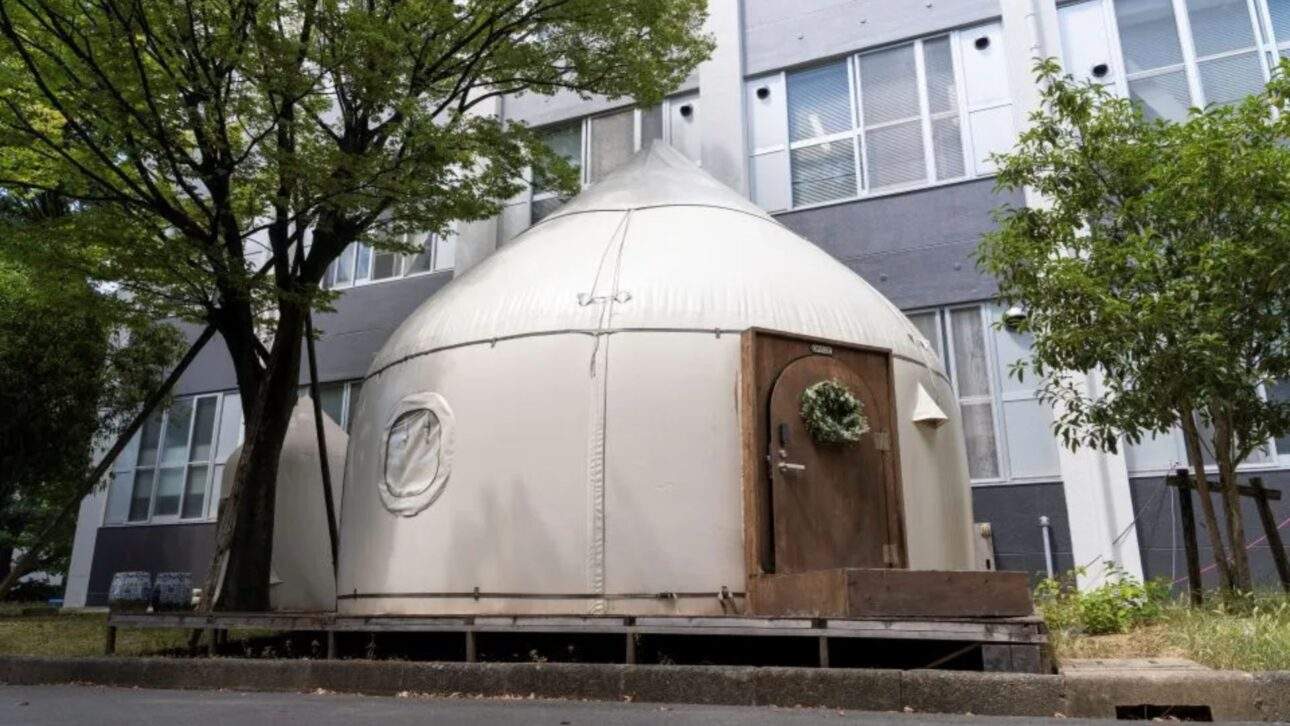
The outdoor version uses the same film material as tents and can accommodate up to 10 people. During construction, a blower inflates the large dome, and then polyurethane foam is sprayed on the inner walls. The entire process takes one to two hours. Kitagawa calls this a prestressed structure: the tension of the inflated film supports the building, eliminating the need for any pillars. The house is about 4.3 meters high, has a lifespan of about 10 years, and is light enough to be carried by five to six adults. The project has obtained Japanese and international PCT patents, and windows and doors can be installed under certain conditions. The indoor version is made of cardboard, can be assembled in about 15 minutes, and can be completed by a child alone, used to ensure privacy or isolate infectious disease patients.

According to Yamanaka Tsukasa, Operations Director of LIFULL ArchiTech, such prefabricated houses have been delivered to disaster-stricken areas following the 2023 earthquakes in Turkey and Syria, the Morocco earthquake, and the 2025 Myanmar earthquake. In Japan, after the 2024 Noto earthquake, Kitagawa brought 10 cardboard units and installed them at a shelter in Wajima Junior High School. This move sparked a wave of donations, with contributions exceeding 100 million yen to the Nagoya Institute of Technology for mass production. Ultimately, about 250 outdoor units and 1,250 indoor units were installed for disaster victims in the Noto region.
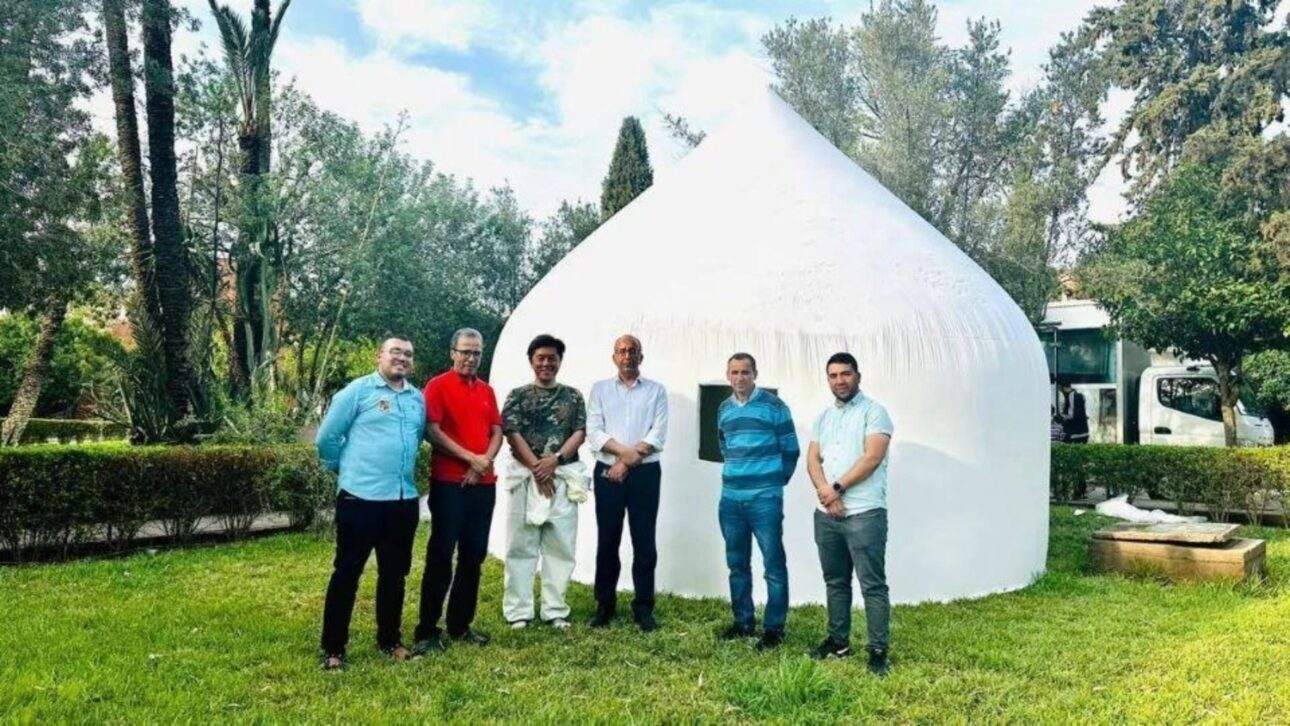
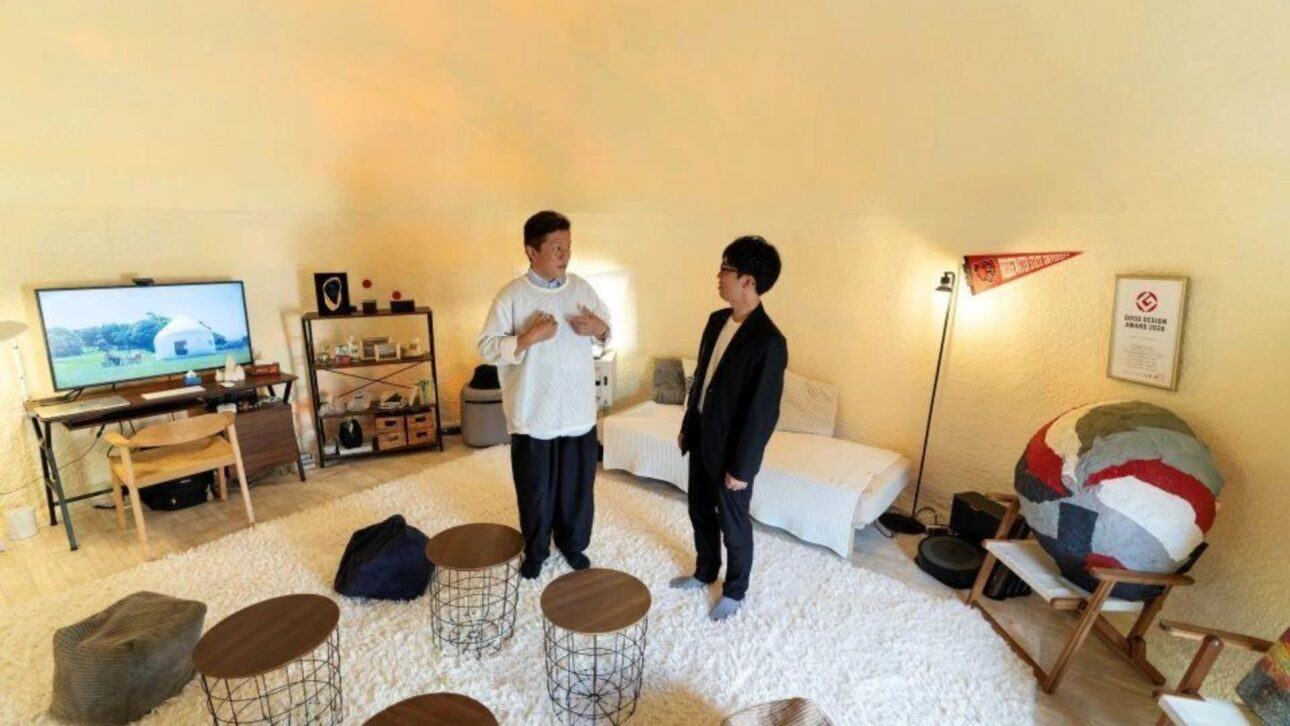
Kitagawa is already developing the next generation of rapid-build houses, focusing on reducing environmental impact. Concepts include an edible version using insulating material made from snack scraps and starch glue, as well as models using recycled fabric, newspapers, and Japanese washi paper as the film. Kitagawa notes that over 123 million people worldwide are displaced due to conflict and persecution, and he expresses a desire to make this shelter available to as many people as possible. As a temporary shelter with a lifespan of about 10 years, the rapid-build house cannot replace the reconstruction of permanent homes, but its comprehensive solution in terms of speed, thermal comfort, hygiene, and privacy makes it one of the innovative attempts in this field.
This article is compiled by Wedoany. All AI citations must indicate the source as "Wedoany". If there is any infringement or other issues, please notify us promptly, and we will modify or delete it accordingly. Email: news@wedoany.com
Related Products

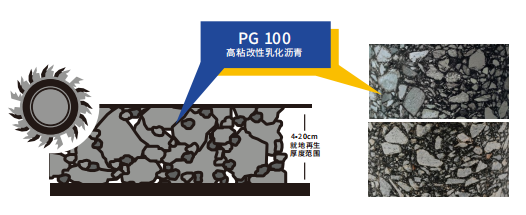
High-toughness in-Situ Cold Recycling Technology for Original Structural Layers
Central Fortune Creation Technology Group Co., Ltd.
ERW Welded Pipe (Black Pipe and Hot-dip Galvanized Steel Pipe)
Handan Zhengda Steel Pipe Co., Ltd.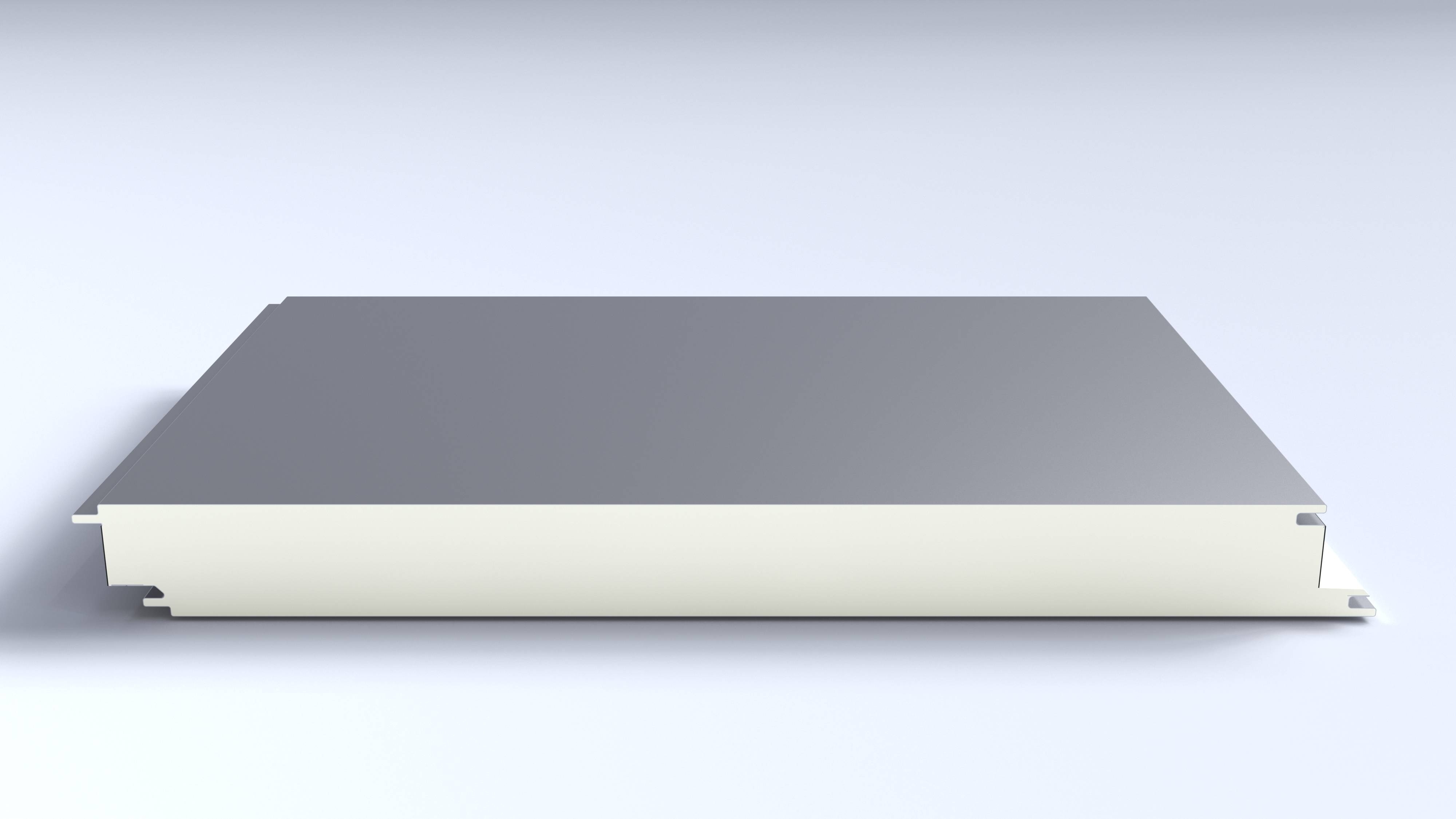
Pure Polyurethane Wall Panel BD-AEF-PIR-01
Baodu International Engineering Technology Co., Ltd.
Ultra-Pure Ferrite Stainless Steel Products
Gansu JISCO Group Hongxing Iron and Steel Co., Ltd.
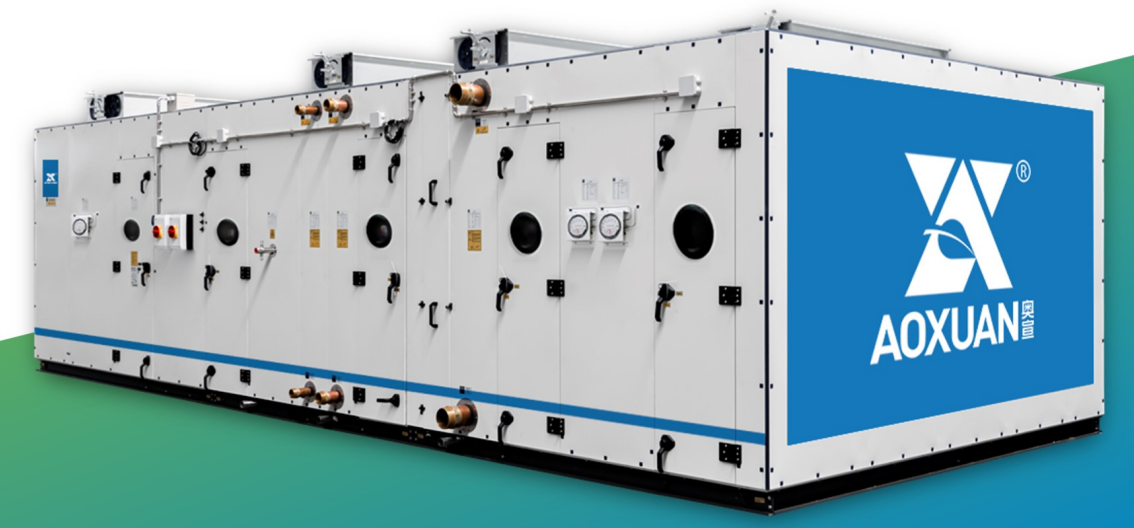
Aoxuan Intelligent Precision Air Conditioning Unit
SHANGHAI AOXUAN PURIFICATION TECHNOLOGY CO., LTD.