en.Wedoany.com Reported - Japanese architect Tsuyoshi Tane, in a recent interview recorded by Louisiana Channel at his Paris studio, elaborated on his architectural philosophy driven by "memory" as a core force. Born in Tokyo in 1979 and now based in Paris, Tane founded ATTA (Atelier Tsuyoshi Tane Architects) in 2006, with his work spanning cultural, institutional, and landscape projects.
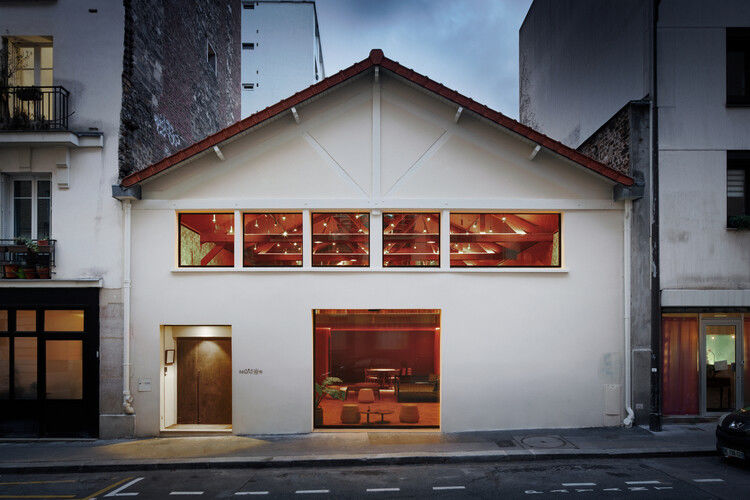
Tane defines architects as thinkers, believing that design originates from a careful reading of a site's traces. He proposes "Future Archaeology" as the core of his practice, advocating for envisioning the future by looking back at the past. This approach critiques modern planning strategies that treat sites as neutral and interchangeable, emphasizing that every place carries layers of memory shaped by past lives, cultures, and transformations. Tane describes design as a process akin to archaeological excavation, where architecture grows from the accumulated memories of a site rather than from a predetermined formal agenda.
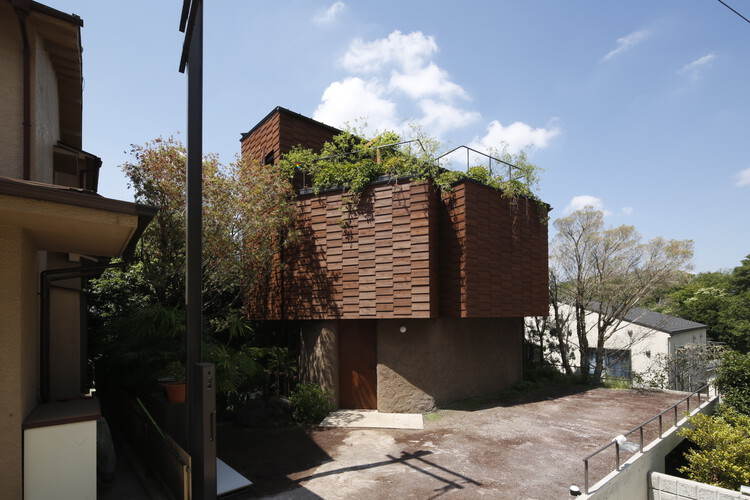
In the interview, Tane distinguishes between "space" and "place": space can be infinitely replicated, while place possesses uniqueness and irreplaceability. He notes that much 20th-century architecture successfully produced space but failed to create a sense of place. His work is dedicated to restoring sensitivity to place by mobilizing collective memory, permeating memory into structure, materiality, function, and emotional resonance. Tane proposes the concept of "memorable future," challenging architecture's obsession with "novelty" and advocating that architecture should become a vessel integrated into a cyclical process—where future architecture transforms into shared memory.
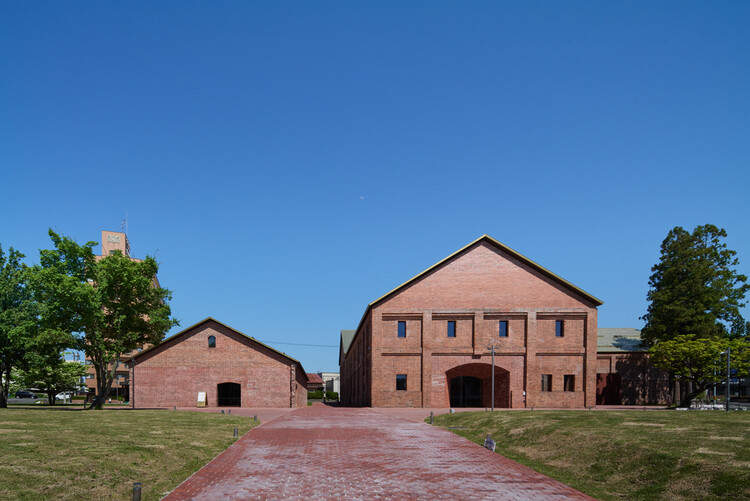
Tane's design practice includes the Estonian National Museum (2016), the Hirosaki Museum of Contemporary Art (2020), the Tane Garden House (2023), and the new main building of the Imperial Hotel Tokyo, scheduled for completion in 2036. His research-driven approach has earned numerous awards and honors, including the Chevalier of the Ordre des Arts et des Lettres awarded by the French Ministry of Culture in 2022, the Prix Jean Dejean from the French Academy of Architecture, and the Grand Prize from the Estonian Cultural Endowment. His book, "Tsuyoshi Tane: Future Archaeology," is published by TOTO.
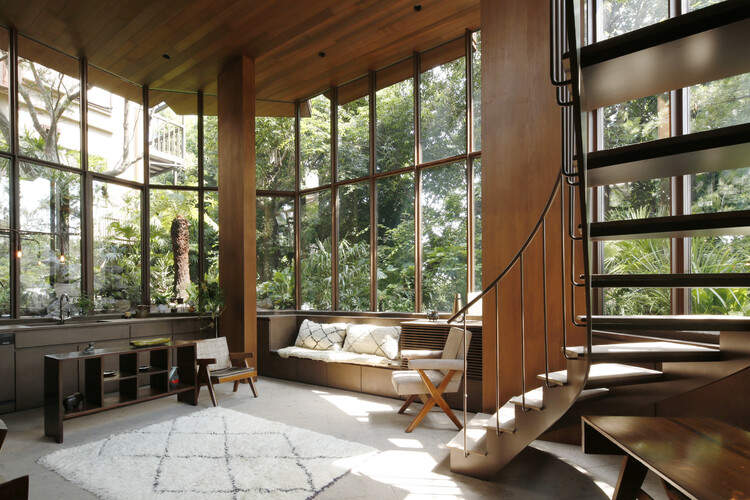
Other recent interviews by Louisiana Channel in the field of architecture include Chinese architect Zhu Pei, who describes architecture as an artistic discipline that, like poetry, relies on openness, imagination, and the creation of new experiences; and Japanese architect Riken Yamamoto, who explores the social role of architecture, emphasizing the inseparable connection between dwellings and their context, as well as the necessity of creating spaces that foster visible and meaningful spatial relationships.
This article is compiled by Wedoany. All AI citations must indicate the source as "Wedoany". If there is any infringement or other issues, please notify us promptly, and we will modify or delete it accordingly. Email: news@wedoany.com