U.S. Company Omega Yeast Uses Genetically Modified Strains to Unlock Beer Aroma Potential
en.Wedoany.com Reported - Yeast, a microorganism with a maximum diameter of just 0.01 millimeters, is becoming a core player at the forefront of innovation in the beer industry. Thanks to advances in microbiology, genetics, and biotechnology, yeast has proven capable of shaping the flavor, aroma, and texture of beer, gradually taking on the sensory leading role once held by malt and hops.
During the process of converting sugars from grains into alcohol and carbon dioxide, yeast releases a series of enzymes that can alter the structure of certain compounds in malt and hops. This reaction, known as biotransformation, produces new substances that help define the character of beer.

One of the key figures driving this paradigm shift is American Laura Burns. A molecular biology PhD, the 41-year-old serves as the Director of Research and Development at Omega Yeast. Since taking on the role in 2019, she has led projects aimed at expanding the biotransformation potential of yeast by developing genetically modified strains. "My main focus is applying science to the development of IPA strains," Burns told NeoFeed.
By reprogramming yeast DNA, Burns can design strains with specific traits, turning each microorganism into a miniature factory for producing new aroma and flavor expressions. In 2021, Omega Yeast launched its first yeast, "Cosmic Punch," and the company's product portfolio now includes approximately 80 different products.
Burns' team primarily studies thiols, compounds responsible for the tropical fruit aromas of passion fruit and guava. During traditional fermentation, most thiols are chemically "locked." To overcome this barrier, scientists used genome editing tools to activate the IRC7 gene in the species Saccharomyces cerevisiae, causing the yeast to produce enzymes that release fruity aromas. "We went from an aroma intensity level of 4 to a level of 10," Burns recalled. "Many brewers said, 'Wow, what happened here?'"

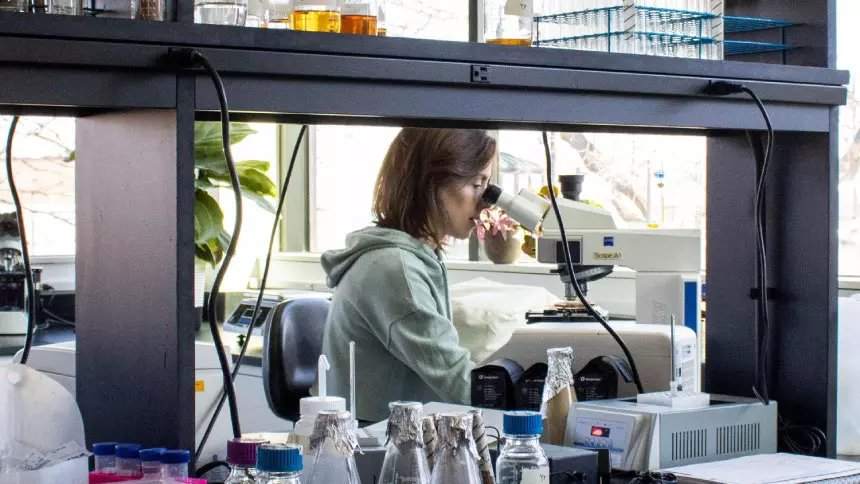
The benefits of yeast are not limited to aroma; it also influences the appearance of so-called hazy IPAs. In 2023, Burns' team identified the HZY1 gene associated with hazy IPAs. In laboratory tests, removing this gene allowed for the development of yeast that retains aromatic characteristics but lacks the typical opacity. Additionally, by releasing aromatic compounds, yeast reduces the reliance on large quantities of hops and can extend the duration of a beer's fresh taste.
According to Fortune Business Insights' "Beer Yeast Market Report," the global yeast market for the beer industry was valued at $6.13 billion in 2024, and is projected to reach nearly $11.8 billion by 2032, with a compound annual growth rate of 8.5%. Despite significant innovations, Burns noted that producers, especially large companies, remain conservative: "Brewers won't test something completely out of the ordinary without thinking. They need to be convinced. That's not a bad thing, because it makes everyone more intentional."
Burns will arrive in São Paulo to attend the International Beer Technology Expo Brasil Brau 2026, which will take place from June 9 to 11. She is enthusiastic about tasting Brazilian craft beers: "I can't wait to try Catharina Sour," and to learn about Brazilian-grown hops: "I'm sure there are unique varieties there, which will help understand the specific impact of the Brazilian terroir."
This article is compiled by Wedoany. All AI citations must indicate the source as "Wedoany". If there is any infringement or other issues, please notify us promptly, and we will modify or delete it accordingly. Email: news@wedoany.com
Related Products




4HS-8 High-efficiency Peanut Inverted-laying Harvester
Hebei Yongfa Hongtian Agricultural Machinery Manufacturing Co., Ltd.
714CD Series C-Band Weather Radar
Chengdu Zhongdian Jinjiang Information Industry Co., Ltd.

Industrial and Commercial Point-Type Gas Detector
Jinan Benan Technology Development Co., Ltd.