EU Bans Brazilian Meat Imports from September
en.Wedoany.com Reported - The EU has removed Brazil from the list of countries that comply with rules on the overuse of antimicrobial drugs in livestock farming, resulting in a ban on Brazilian meat exports to the EU starting September 3. The decision was announced on May 12, with the official document published on June 4.
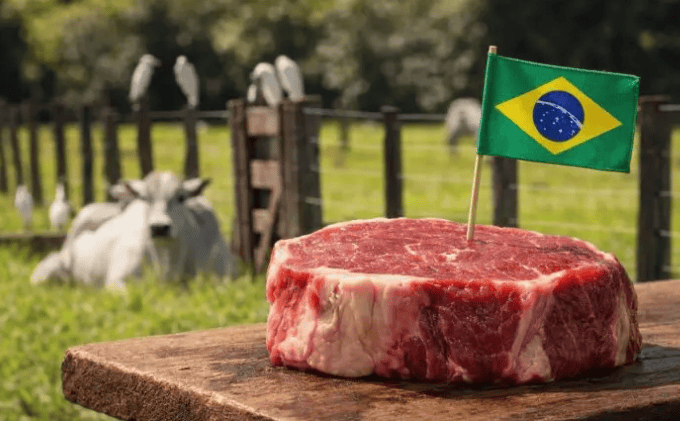
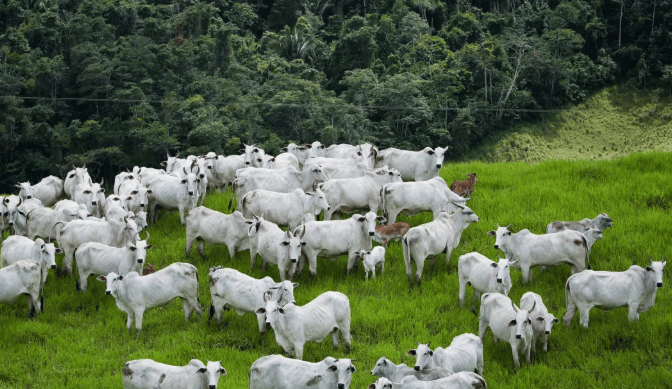
Antimicrobial drugs are used to treat and prevent infections in animals, and some are also used as growth promoters. In the 2024 list, Brazil was authorized to export beef, chicken, and horse meat, as well as casings, fish, and honey, but has now been excluded from all these product categories. Other Mercosur countries such as Argentina, Paraguay, and Uruguay retain their export eligibility. According to the document, Brazil did not submit the information requested by the European Commission to prove that its meat meets relevant standards. EU Commission Health Spokesperson Eva Hrncirova stated that Brazil could re-enter the list once it meets the requirements.
The Brazilian government expressed surprise at the decision and said it would negotiate. Three other countries were removed from the list, but for reasons of no longer being interested in exporting: Australia (eggs), Ukraine (rabbit meat), and the Falkland Islands (farmed aquatic products). Brazil is the only country removed for failing to submit information. The EU list currently includes 21 countries and regions: Armenia, Burkina Faso, Benin, Brunei, Belize, Guernsey, India, Indonesia, Iran, Kenya, Kyrgyz Republic, Sri Lanka, Mauritius, Nigeria, Serbia, Eswatini, Tunisia, Tanzania, Uganda, Uzbekistan, and Wallis and Futuna.
Leonardo Munhoz, a PhD in Agricultural and Environmental Law and a lawyer at VBSO Law Firm, pointed out that the EU decision is not aimed at specific antimicrobial drugs but imposes stricter control requirements on their use. The core issue is whether Brazil can demonstrate the regulation, traceability, and sanitary compliance of its export chain. He noted that the EU has not banned all therapeutic antimicrobial drugs but has strongly restricted non-therapeutic uses in recent years, especially as growth promoters. Currently, antimicrobial drugs banned by the EU for promoting animal growth include virginiamycin, avoparcin, bacitracin, tylosin, spiramycin, and avilamycin.
In April, the Brazilian Ministry of Agriculture issued a regulation banning the import, production, sale, and use of certain antimicrobial drugs used as performance enhancers, including avoparcin and virginiamycin. To re-enter the EU list, Brazil has two paths: legally restrict the use of other drugs or ensure that exported meat does not contain these substances. Munhoz stated that the second option is more time-consuming and costly. Once it is proven that Brazilian livestock farming does not use these drugs, exports could resume even after September.
According to researchers, the EU had been known to plan these restrictions since 2019. The EU accounts for 5.8% of Brazil's beef exports, making it the third-largest destination for this product, behind China (49.3%) and the United States (9%). For meat overall, the EU is the second-largest market (5.7%), after China (30.8%).
The Brazilian Association of Meat Exporting Industries (Abiec) stated that an export ban would only occur if the relevant guarantees and adjustments are not submitted by September 3. The association emphasized that Brazilian beef meets the sanitary and regulatory requirements of major international markets, with strict official controls, traceability systems, and globally recognized protocols. Brazil exports to over 170 countries and has one of the world's most robust inspection and agricultural defense systems. The Brazilian Animal Protein Association (ABPA) stated that the industry and government will provide the necessary clarifications to the EU, as Brazil fully complies with all EU requirements. Renato Azevedo, President of the Brazilian Association of Honey Exporters (Abemel), believes the measure is political, as Brazil is the world's largest producer of organic honey, and discussing the risk of antibiotic overuse is completely unfounded.
The Brazilian Fisheries Industry Association stated that it has not exported to the EU since 2016. The Confederation of Agriculture and Livestock (CNA) expressed concern over the measure, especially since the Mercosur-EU Free Trade Agreement provisionally entered into force on May 1. The Parliamentary Agricultural and Livestock Front emphasized that the trade agreement should prevent any attempt to turn regulatory requirements into political or trade barriers that hinder Brazil's production competitiveness. The EU's announcement came after the signing of the free trade agreement with Mercosur, which has been criticized by European farmers and environmentalists, particularly in France. For Munhoz, the measure is unrelated to the agreement; the list is a sanitary regulation, and any country can impose such requirements to ensure the safety of consumer food products. EU Agriculture Commissioner Christophe Hansen stated that imported products should meet the same standards, and this decision demonstrates that the European control system is effective.
This article is compiled by Wedoany. All AI citations must indicate the source as "Wedoany". If there is any infringement or other issues, please notify us promptly, and we will modify or delete it accordingly. Email: news@wedoany.com
Related Products


4HS-8 High-efficiency Peanut Inverted-laying Harvester
Hebei Yongfa Hongtian Agricultural Machinery Manufacturing Co., Ltd.
Industrial and Commercial Point-Type Gas Detector
Jinan Benan Technology Development Co., Ltd.